MMD BLOG


CATEGORY:

Dr. Whitney

THE IRON SUPPLEMENT BATTLE I LOST AS A PEDIATRICIAN (AND WHAT FINALLY FIXED IT)

 Modern Mommy Doc


PUBLICATION DATE:

June 19, 2026

THE IRON SUPPLEMENT BATTLE I LOST AS A PEDIATRICIAN (AND WHAT FINALLY FIXED IT)

 Modern Mommy Doc

CATEGORY: Dr. Whitney

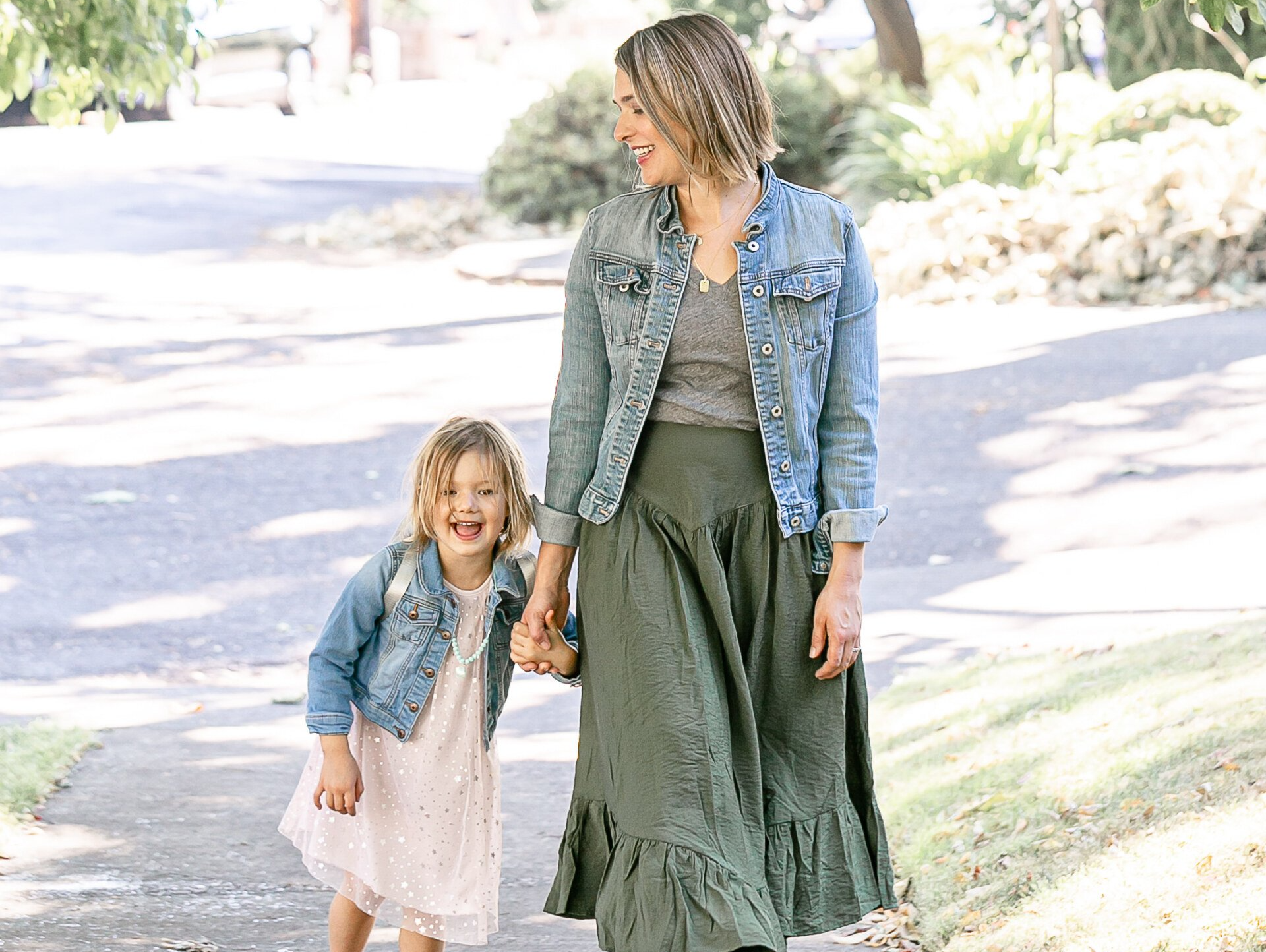
I remember the moment clearly. My daughter was about eighteen months old, and I was standing in our kitchen holding a dropper full of iron supplement, trying to convince a tiny, extremely opinionated toddler to open her mouth. She looked at the dropper. She looked at me. And then she clamped her lips shut like her life depended on it.


I’m a pediatrician. I had told hundreds of families how important iron was for their child’s development. I knew the research cold. I knew exactly what was at stake. And I still couldn’t get my own kid to take her iron supplement.

We had done everything “right.” I had been intentional about offering iron-rich foods since she started solids. Pureed meats, lentils, iron-fortified cereals. Cooking in a cast iron skillet. I knew the drill. But toddler appetite is, as any parent can tell you, wildly unpredictable. Some days she ate like a champ. Other days she looked at a perfectly prepared meal like I had personally offended her. Hit or miss, day after day.


At her twelve-month well visit, her pediatrician (yes, my daughter has her own pediatrician — I fully believe in getting a second opinion on your own kids!) ran a CBC, a complete blood count, as part of her routine labs. The results indicated that she likely had iron deficiency. Even with all my effort, her intake hadn’t been consistent enough to keep her levels where they needed to be. Her doctor recommended we start an iron supplement. 


And so there I was, dropper in hand, staring down a very determined kid who wanted absolutely nothing to do with it.

The culprit? That taste. 


If you’ve ever smelled a traditional iron supplement, you know what I’m talking about. Metallic, sharp, not even close to something a toddler (or anyone, honestly) would willingly accept. For the first few months of taking traditional iron supplements, she’d winced them down. But by the time she got to eighteen months, she’d wizened up. I stood there with my medical degree and my very strong opinions about pediatric nutrition, completely defeated by a bottle of liquid iron.


That experience is what made me start paying much closer attention when families told me, “She just won’t take it.” Because I finally understood that compliance is more of a formulation problem than a parenting problem. 


Why Iron Matters So Much 


As a pediatrician, iron comes up constantly. It’s one of the most common nutritional deficiencies I see in children, and it’s one that can have real, lasting consequences if left unaddressed. Iron is essential for healthy brain development, learning and attention, sustained energy levels, and the body’s ability to carry oxygen through the blood. During the first few years of life the brain is growing at its fastest rate, so consistent, adequate iron is critical.


Certain groups are especially at risk. Premature babies, who miss the iron stores they’d normally accumulate in the third trimester. Infants who are breastfed beyond six months without iron-rich complementary foods introduced. Toddlers who drink too much cow’s milk, which can actually interfere with iron absorption. Children with certain health conditions or dietary restrictions. The list is longer than most parents expect.


But even when a child needs iron supplementation, getting that supplement into them consistently is one of the hardest parts of the entire equation. And when they refuse it that consistent daily support stops happening. Which means none of the developmental benefits can actually show up.


This is what I mean when I say compliance is the real problem. The supplement can be clinically excellent but if a child won’t take it, it doesn’t matter.


What to Look for in an Iron Supplement Your Child Will Actually Take


When I think about what makes an iron supplement work for real families, I’m thinking about a few things beyond just the nutrient content:


  • Taste, above everything else. This is the whole game. A supplement that tastes good removes the compliance battle entirely. Look for options that use natural flavor systems and sweeteners that don’t add unnecessary sugar or leave that metallic aftertaste.


  • Liquid and chewable options. Different ages, different developmental stages, different preferences. Having choices matters. A dropper format works for infants. A chewable option is often much better received by older toddlers and kids who are past the dropper phase.


  • Gentle on the stomach. One of the most common reasons parents stop giving iron is GI upset (like constipation, stomach cramps, or nausea). A well-formulated supplement should minimize these side effects so that the routine is sustainable.


  • Clean ingredients. No artificial dyes. No unnecessary fillers. High-quality iron forms. If you’re giving something to your child every day, what’s not in the formula matters as much as what is.


  • Clinically proven. Not just well-reviewed but actually studied. This matters to me as a pediatrician. Efficacy data and safety data should exist.


Why I Recommend NovaFerrum


NovaFerrum checks every single one of those boxes, which is why it’s become the recommendation I make with confidence. It’s is a clinically proven line of iron supplements specifically designed to solve the compliance problem. They’ve got great-tasting liquid drops and chewable options that kids are genuinely willing to take — the kind where you’re not hiding it in applesauce and crossing your fingers. They use natural flavoring (think raspberry, grape, and chocolate), skip the artificial dyes, and formulate without added sugar. And yes, they’re gentle on little stomachs too.

What I especially appreciate is how thoughtfully they’ve designed the product line to cover every stage. They have formulas specifically for premature babies, infants, toddlers, children, teens, and adults. That way, as your child grows, the right support grows with them.


And, major bonus points! NovaFerrum has also been studied in a randomized clinical trial and shown to be safe, effective, and well-tolerated in children under age four. 


The Bottom Line


Iron deficiency is preventable. But the biggest barrier to preventing it is often a supplement a child simply won’t take. Fixing that is about finding a product that was actually designed to be taken.


I think about that morning with my toddler and the clamped lips and the defeated feeling often. What I needed in that moment was a better-tasting iron supplement, not more parenting ingenuity. Fixing the taste fixed our supplement struggles. And fixing iron deficiency was one of the most practical, impactful things I was able to do for my child’s development during those early years.


Learn more at NovaFerrum.com.


This blog post is sponsored by NovaFerrum.
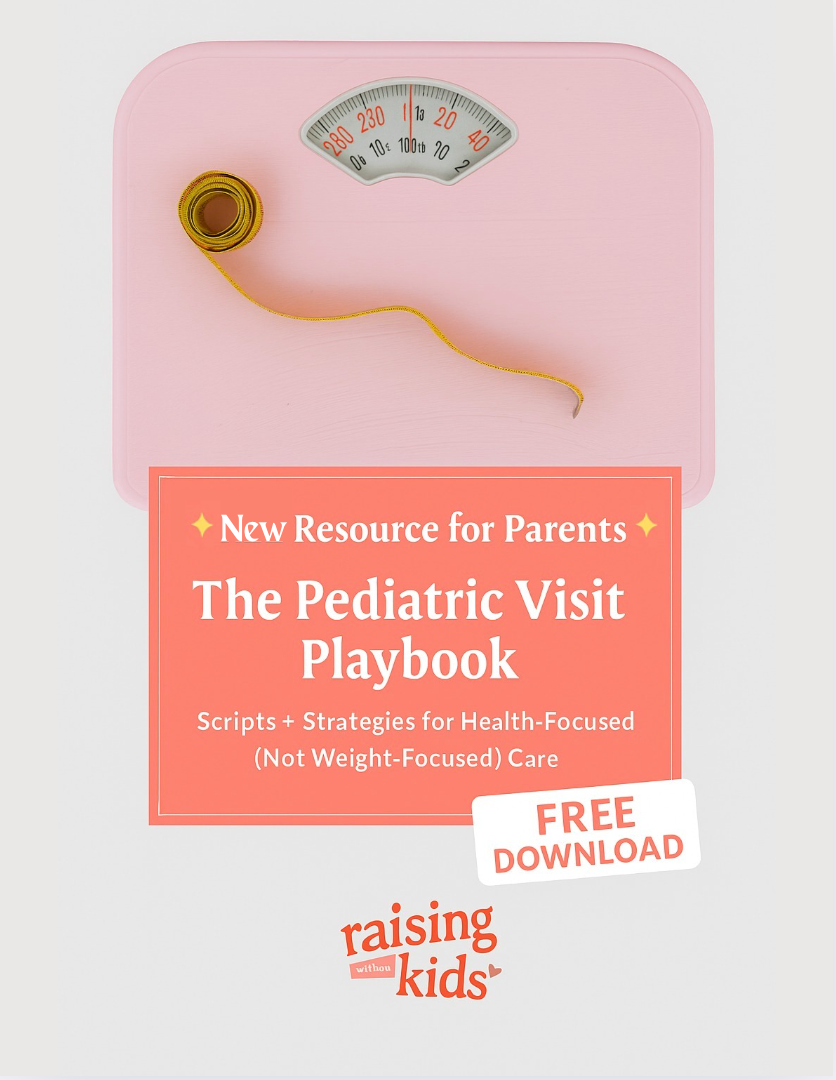
Raising Body-Confident Kids Starts at the Doctor's Office!

START NOW
By Modern Mommy Doc • October 9, 2026
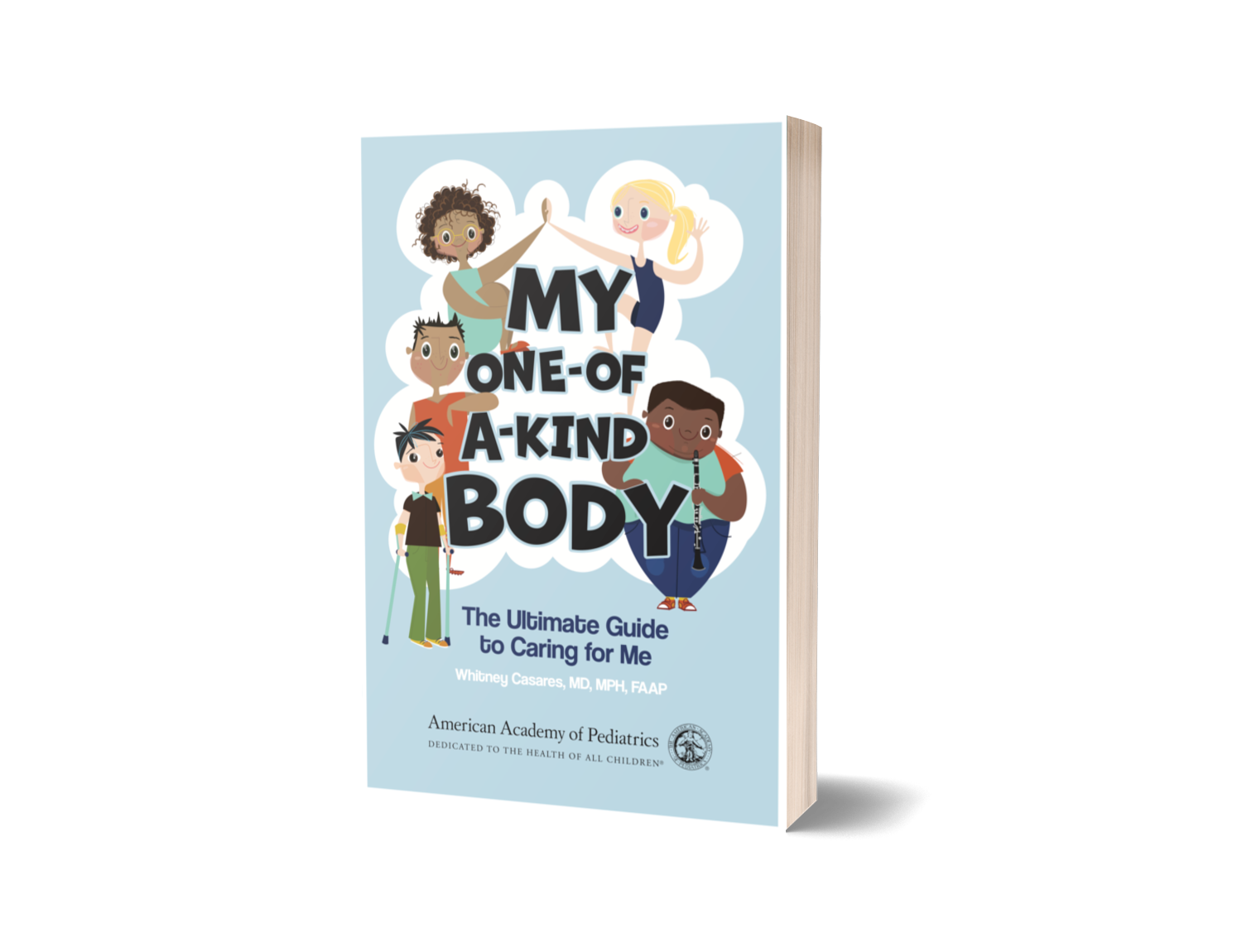
About the Episode: There’s so much parenting advice out there, and most of it doesn’t matter nearly as much as the internet wants you to think. (Seed oils? We have bigger fish to fry.) In this solo episode, Dr. Whitney gets back to basics and shares the six evidence-based parenting principles she focuses on as a pediatrician, the ones she dug into with a leading child development researcher. She also shares how these play out in real life as a mom of two neurodivergent kids, because guidance only helps if it actually fits your family. Key takeaways: Be sensitive and responsive. Simple practices like mirroring your child’s emotions and “serve and return” interactions build a loving, trusting foundation. Dr. Whitney shares how a Halloween decorating session turned into a deep conversation about religion once she slowed down and got curious. Meet kids where they are, especially at their worst. Drawing on Tina Payne Bryson, co-author of The Whole-Brain Child , Dr. Whitney explains that soothing a meltdown isn’t giving in. It’s letting your child know they’re not alone in a big feeling. Model self-regulation, and repair when you lose it. Self-regulation predicts academic success better than IQ. The goal isn’t staying calm all the time, it’s understanding why you got dysregulated, coming back to baseline, and offering yourself some self-compassion. Set limits for your kids and yourself. Every child’s needs are different (screen time affects Dr. Whitney’s two daughters very differently), but all kids need limits, and so do parents. Taking time for yourself models something healthy. Aim for authoritative, not permissive. High expectations paired with warmth and grace is the sweet spot. “Gentle parenting” can blur into permissiveness, which research shows is as harmful as authoritarian parenting. Protect unstructured time. Kids need boredom and free play to become self-directed. For ADHD and autistic kids, Dr. Whitney recommends offering a few options and letting kids choose. Support internal motivation. Using a “mirrors facing outward” image from her own therapist, Dr. Whitney explains why we want kids to trust their own instincts rather than constantly look outward for approval. Want to Start Raising Body-Confident Kids Today? 📘 Order the Books Raising Body-Confident Kids If you've ever caught yourself saying something to your kid about their body that sounded exactly like what your mother said to you, this book is for you. Raising Body-Confident Kids is a research-backed, judgment-free guide for parents who want to break the cycle of diet culture and body shame without swinging into toxic positivity or giving up all structure around food and movement. It answers the real questions parents are actually asking about Ozempic, about picky eaters, about what to say when your kid is being bullied for their body, and about social media influences. This is a practical, values-based game plan you can actually use, even if your own relationship with your body is still a work in progress. My One-of-a-Kind Body My One-of-a-Kind Body gives kids the language and understanding they need to care for their bodies with respect without fear, shame, or appearance-based messaging. Through inclusive illustrations and evidence-based health education, the book teaches body literacy, boundaries, and self-trust in a way kids can actually grasp. 👉 www.raisingbodyconfidentkids.com/books
By Modern Mommy Doc • October 5, 2026
What really matters when it comes to college admissions (for you and for them).
By Modern Mommy Doc • September 17, 2026
Kids going off to college are mean for a reason.
By Modern Mommy Doc • September 10, 2026
Maybe winning back to school isn't what we really want, after all.
By Modern Mommy Doc • August 27, 2026
First-class service has a lot to do with first-class parenting.

Welcome! Get the information you need to win at parenting without losing yourself.

LEARN MORE

My Kids' Book on Body Confidence


Trying to break the cycle of body shame and diet culture?


Overwhelmed by all the parenting advice out there?


SIGN UP FOR THE FREE STARTER KIT: UNBOTHERED. IT'S FREE. CLICK HERE


FRESH

ON THE PODCAST


By Modern Mommy Doc • October 9, 2026
About the Episode: There’s so much parenting advice out there, and most of it doesn’t matter nearly as much as the internet wants you to think. (Seed oils? We have bigger fish to fry.) In this solo episode, Dr. Whitney gets back to basics and shares the six evidence-based parenting principles she focuses on as a pediatrician, the ones she dug into with a leading child development researcher. She also shares how these play out in real life as a mom of two neurodivergent kids, because guidance only helps if it actually fits your family. Key takeaways: Be sensitive and responsive. Simple practices like mirroring your child’s emotions and “serve and return” interactions build a loving, trusting foundation. Dr. Whitney shares how a Halloween decorating session turned into a deep conversation about religion once she slowed down and got curious. Meet kids where they are, especially at their worst. Drawing on Tina Payne Bryson, co-author of The Whole-Brain Child , Dr. Whitney explains that soothing a meltdown isn’t giving in. It’s letting your child know they’re not alone in a big feeling. Model self-regulation, and repair when you lose it. Self-regulation predicts academic success better than IQ. The goal isn’t staying calm all the time, it’s understanding why you got dysregulated, coming back to baseline, and offering yourself some self-compassion. Set limits for your kids and yourself. Every child’s needs are different (screen time affects Dr. Whitney’s two daughters very differently), but all kids need limits, and so do parents. Taking time for yourself models something healthy. Aim for authoritative, not permissive. High expectations paired with warmth and grace is the sweet spot. “Gentle parenting” can blur into permissiveness, which research shows is as harmful as authoritarian parenting. Protect unstructured time. Kids need boredom and free play to become self-directed. For ADHD and autistic kids, Dr. Whitney recommends offering a few options and letting kids choose. Support internal motivation. Using a “mirrors facing outward” image from her own therapist, Dr. Whitney explains why we want kids to trust their own instincts rather than constantly look outward for approval. Want to Start Raising Body-Confident Kids Today? 📘 Order the Books Raising Body-Confident Kids If you've ever caught yourself saying something to your kid about their body that sounded exactly like what your mother said to you, this book is for you. Raising Body-Confident Kids is a research-backed, judgment-free guide for parents who want to break the cycle of diet culture and body shame without swinging into toxic positivity or giving up all structure around food and movement. It answers the real questions parents are actually asking about Ozempic, about picky eaters, about what to say when your kid is being bullied for their body, and about social media influences. This is a practical, values-based game plan you can actually use, even if your own relationship with your body is still a work in progress. My One-of-a-Kind Body My One-of-a-Kind Body gives kids the language and understanding they need to care for their bodies with respect without fear, shame, or appearance-based messaging. Through inclusive illustrations and evidence-based health education, the book teaches body literacy, boundaries, and self-trust in a way kids can actually grasp. 👉 www.raisingbodyconfidentkids.com/books
By Modern Mommy Doc • October 5, 2026
What really matters when it comes to college admissions (for you and for them).
By Modern Mommy Doc • September 17, 2026
Kids going off to college are mean for a reason.