MMD BLOG


CATEGORY:

Dr. Whitney

THE PEDIATRICIAN-APPROVED BACKPACK EVERY PARENT SHOULD KNOW ABOUT

 Modern Mommy Doc


PUBLICATION DATE:

July 16, 2025

THE PEDIATRICIAN-APPROVED BACKPACK EVERY PARENT SHOULD KNOW ABOUT

 Modern Mommy Doc

CATEGORY: Dr. Whitney

When you’re deep in the chaos of back-to-school season—labeling folders, resetting bedtimes, praying that last year’s lunchbox doesn’t smell like mold—you’re probably not thinking much about backpacks. But here’s the thing: you should be.


Backpacks aren’t just a style choice or a place to stash snack wrappers. They’re something your kid uses every single day. And if they’re poorly designed or don’t fit well, they can seriously mess with your child’s body, especially their posture, alignment, and comfort.


I found that out the hard way with my own daughter last fall. One day after school, she came home and casually mentioned her shoulders were always sore. I realized she’d been hauling around what amounted to a small boulder in a backpack that hit mid-thigh. I’m a pediatrician. I should have noticed sooner. But like so many parents, I was focused on what was in the backpack, not how it was affecting her body. Cue the mom's guilt and a search for a better option.


That’s when I came across the Beckmann Active Air FLX Backpack. It’s not just cute (though yes, my daughter is obsessed with the Unicorn Princess design). It’s actually designed to support growing bodies.


Let’s break down why that matters.


Why Backpacks Aren’t Just Backpacks

Think about it: we wouldn’t send our kids to school with shoes that were too small or pants that cut off their circulation. But every fall, plenty of kids end up carrying 10 to 15 pounds of books, tech, and gear in a backpack that doesn’t fit their body, doesn’t distribute weight properly, and isn’t doing them any favors physically.

Here’s what can happen with an ill-fitting or overloaded backpack:

  • Shoulder and neck pain

  • Compressed posture

  • Muscle fatigue and tension

  • Spinal strain

  • Numbness or tingling in the arms or hands

  • Compensation patterns that affect how kids move—or even how they breathe


And no, it’s not just kids “being dramatic.” These are legit physical symptoms we see in real-life practice (and they’re often totally preventable with the right gear).


What to Look for in Any Backpack

Here’s what pediatricians (and parents) should prioritize when choosing a backpack:


✔️ Wide, padded shoulder straps – To distribute weight and prevent digging
✔️
Adjustable everything – So it fits your child’s body properly
✔️
Chest + hip straps – To improve posture and take pressure off the spine
✔️
Supportive back panel – Breathable and cushioned
✔️
Multiple compartments – To spread the load evenly
✔️
Compact shape – It shouldn’t hang more than a few inches below your child’s waist
✔️
Lightweight when empty – If it starts heavy, it only gets worse
✔️
Durable materials – So it actually lasts through a school year (or more)


Let your child try it on before committing, walk around in it, and practice packing it together. Teach them how to wear both straps (I know, the one-shoulder thing looks cool, but it’s an orthopedist’s nightmare in the making).


Why I Recommend the Beckmann Active Air FLX

The Beckmann Active Air FLX is one of the only backpacks I’ve found that actually checks all the boxes: comfort, structure, functionality, and sustainability.

Here’s what sets it apart:


  • Dynamic air-cushion support system: The back panel moves with your child’s body to reduce strain and improve posture. It molds to their shape and absorbs pressure in a way that feels almost like it’s custom-fitted.

  • Chest and hip straps: These help redistribute weight away from the shoulders so kids aren’t hunched forward by 10 a.m.

  • Expandable design: It grows with your child so you’re not buying a new one every year.

  • Laptop sleeve + waterproof compartment: Because real life includes soggy lunchboxes and tech that needs protecting.

  • Made from recycled materials: 100% of it. If you're trying to make more sustainable choices, this is a win.

  • Kid-approved designs: They have options that are playful without being flimsy. Your kid gets something they love and you get peace of mind.


Why This Isn’t Just Another Parenting Task

Look, I know what your to-do list looks like right now. I’m a mom, too. You’re making dentist appointments, setting up teacher meetings, trying to figure out what counts as a "nut-free" lunch snack. You don’t need another thing to manage.


But this one? It’s worth a little extra thought.


The right backpack can help your child feel more comfortable during the day, carry what they need with confidence, and avoid issues that crop up when we ignore the basics of body mechanics.

When we talk about setting our kids up for success, we usually focus on school supplies and routines. But how their body feels during the day matters just as much—maybe more. Because when your kid feels good physically, it’s easier for them to focus, stay active, and actually enjoy learning.


And if we can reduce back pain and early posture issues now, we’re setting them up for healthier habits long-term


Bottom line?

Backpacks aren’t just another school item. They’re a tool—and the right one can make a big difference in your kid’s day (and their body). That’s why the Beckmann Active Air FLX is on my short list of must-haves for the school year.


✨ You can check out the Beckmann Active Air FLX here

✨ And watch my Instagram Reel about it here 


#ad #beckmann #beckmannpartner

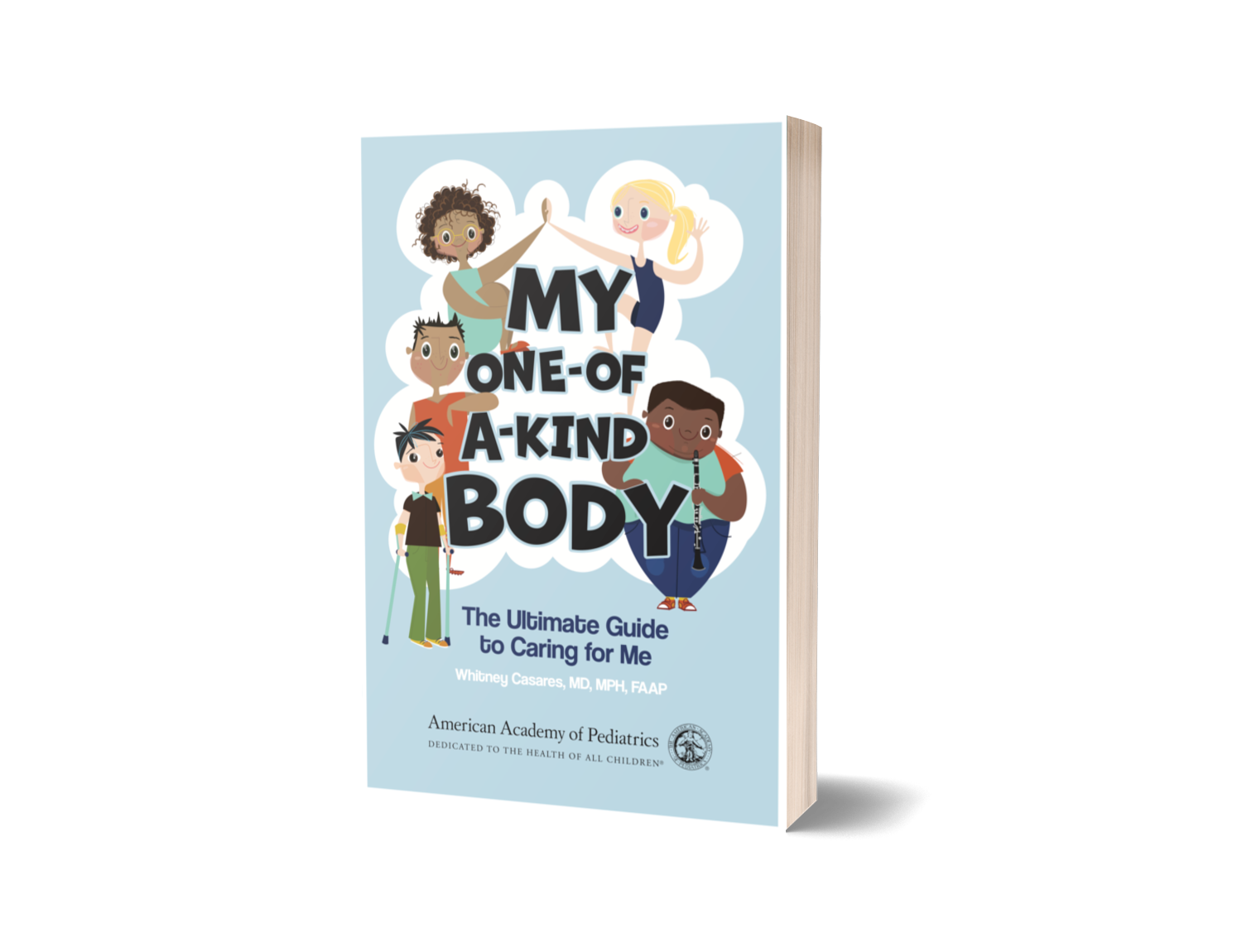
Raising Body-Confident Kids Starts at the Doctor's Office!

START NOW
By Dr. Whitney December 17, 2025
About the Episode: In this episode, Dr. Whitney sits down with Dr. Jay Gargus and Dave Justus from NeuroQure to discuss the power of early clarity when it comes to autism detection and why earlier intervention can fundamentally change outcomes for childre n and families. Dr. Gargus explains the science behind early behavioral therapies and why their impact goes far beyond short-term skill-building. Research shows that early, evidence-based interventions can lead to measurable, lifelong improvements in IQ, so cial skills, independence, and educational placement, often determining whether a child can thrive in mainstream education or requires ongoing specialized support. The conversation also tackles a critical and often overlooked issue: access. Dave Justus shares the personal motivation behind NeuroQure’s work and explains why the test is being launched at cost, with installment plans and employer subsidies, while the team works toward insurance coverage. The goal is to prevent families from losing precious years waiting for answers. Together, they emphasize a hopeful message for parents: families don’t need to wait for a future “silver bullet.” We already have therapies that work and getting kids connected to them earlier can change the course of a lifetime. In this episode, we discuss: Why early autism detection leads to lifelong changes—not just short-term gains What a 17-point IQ difference actually means for education, independence, and quality of life How early intervention can shift developmental trajectories as early as 6 months The science and validation behind current autism therapies Why NeuroQure is pricing testing at cost while pursuing insurance coverage How early clarity can reduce long-term strain on families, schools, and healthcare systems This episode is a powerful reminder that timing matters and that early access to answers can make an extraordinary difference for children and the families who love them. About Our Guest: Dr. Jay Gargus, MD, PhD is a physician-scientist and nationally recognized expert in neurodevelopmental disorders, with decades of experience researching the biological underpinnings of autism. His work has focused on translating well-established science into meaningful, real-world interventions that can improve lifelong outcomes for children. Dr. Gargus emphasizes that early, evidence-based therapies are already available—and that connecting families to them sooner can fundamentally change developmental trajectories. Dave Justus is a parent and the founder of NeuroQure, whose work is driven by personal experience navigating delayed autism diagnosis and intervention. Motivated by the belief that early clarity can spare families years of uncertainty, Dave is focused on expanding access to early testing through cost-based pricing and ongoing efforts to secure insurance coverage. His mission is simple but powerful: ensure families don’t have to wait for answers that could change everything. Want to Start Raising Body-Confident Kids Today? 📘 Order the Book Order your copy of My One-of-a-Kind Body 👉 www.raisingbodyconfidentkids.com/books 🎁 Claim Your Free Bonus When you order on our site, you’ll also get access to a FREE video mini-course with five bite-sized lessons for parents. In just 25 minutes, you’ll walk away with: Simple, script-style ways to respond when your kid says, “I hate my thighs” How to talk about health without weight talk What to do when your own inner critic shows up How to interrupt diet culture at home The first step to raising a body-confident kid, even if you didn’t grow up as one 📩 Subscribe to The Modern Mommy Doc Podcast for more episodes on parenting with confidence and clarity. Leave a review using the hashtag #ModernMommyDoc.
By Dr. Whitney November 13, 2025
Stop being so busy, and start being more present.
By Dr. Whitney November 5, 2025
Starting out right with solids doesn't have to be so scary.
By Dr. Whitney October 29, 2025
What if YOU are the one who needs to calm down first?

Welcome! Get the information you need to win at parenting without losing yourself.

LEARN MORE

My Kids' Book on Body Confidence is Finally Here!


Wish your partner would do more to lessen your mental load?


Want to make self-care a priority but not sure how to?


SIGN UP FOR SUSTAINABLE SELF-CARE. IT'S FREE. CLICK HERE


FRESH

ON THE PODCAST


By Dr. Whitney December 17, 2025
About the Episode: In this episode, Dr. Whitney sits down with Dr. Jay Gargus and Dave Justus from NeuroQure to discuss the power of early clarity when it comes to autism detection and why earlier intervention can fundamentally change outcomes for childre n and families. Dr. Gargus explains the science behind early behavioral therapies and why their impact goes far beyond short-term skill-building. Research shows that early, evidence-based interventions can lead to measurable, lifelong improvements in IQ, so cial skills, independence, and educational placement, often determining whether a child can thrive in mainstream education or requires ongoing specialized support. The conversation also tackles a critical and often overlooked issue: access. Dave Justus shares the personal motivation behind NeuroQure’s work and explains why the test is being launched at cost, with installment plans and employer subsidies, while the team works toward insurance coverage. The goal is to prevent families from losing precious years waiting for answers. Together, they emphasize a hopeful message for parents: families don’t need to wait for a future “silver bullet.” We already have therapies that work and getting kids connected to them earlier can change the course of a lifetime. In this episode, we discuss: Why early autism detection leads to lifelong changes—not just short-term gains What a 17-point IQ difference actually means for education, independence, and quality of life How early intervention can shift developmental trajectories as early as 6 months The science and validation behind current autism therapies Why NeuroQure is pricing testing at cost while pursuing insurance coverage How early clarity can reduce long-term strain on families, schools, and healthcare systems This episode is a powerful reminder that timing matters and that early access to answers can make an extraordinary difference for children and the families who love them. About Our Guest: Dr. Jay Gargus, MD, PhD is a physician-scientist and nationally recognized expert in neurodevelopmental disorders, with decades of experience researching the biological underpinnings of autism. His work has focused on translating well-established science into meaningful, real-world interventions that can improve lifelong outcomes for children. Dr. Gargus emphasizes that early, evidence-based therapies are already available—and that connecting families to them sooner can fundamentally change developmental trajectories. Dave Justus is a parent and the founder of NeuroQure, whose work is driven by personal experience navigating delayed autism diagnosis and intervention. Motivated by the belief that early clarity can spare families years of uncertainty, Dave is focused on expanding access to early testing through cost-based pricing and ongoing efforts to secure insurance coverage. His mission is simple but powerful: ensure families don’t have to wait for answers that could change everything. Want to Start Raising Body-Confident Kids Today? 📘 Order the Book Order your copy of My One-of-a-Kind Body 👉 www.raisingbodyconfidentkids.com/books 🎁 Claim Your Free Bonus When you order on our site, you’ll also get access to a FREE video mini-course with five bite-sized lessons for parents. In just 25 minutes, you’ll walk away with: Simple, script-style ways to respond when your kid says, “I hate my thighs” How to talk about health without weight talk What to do when your own inner critic shows up How to interrupt diet culture at home The first step to raising a body-confident kid, even if you didn’t grow up as one 📩 Subscribe to The Modern Mommy Doc Podcast for more episodes on parenting with confidence and clarity. Leave a review using the hashtag #ModernMommyDoc.
By Dr. Whitney November 13, 2025
Stop being so busy, and start being more present.