MMD BLOG


CATEGORY:

Your Motherhood Journey

WHY CAN'T WE BE NORMAL? SHAME AND VULNERABILITY IN MOTHERHOOD

 Modern Mommy Doc


PUBLICATION DATE:

June 5, 2025

WHY CAN'T WE BE NORMAL? SHAME AND VULNERABILITY IN MOTHERHOOD

 Modern Mommy Doc

CATEGORY: Your Motherhood Journey

About the Episode:


In this solo episode, Dr. Whitney gets honest about the shame spiral many moms experience when they don’t meet impossible standards of modern motherhood. Drawing from research, real-life parenting moments, and insights from Brené Brown, she explores how striving to be “normal” (a calm, ever-patient, perfectly balanced parent) can backfire—making us feel isolated, anxious, and disconnected.


Dr. Whitney shares two vulnerable moments from her own week—one involving a sixth-grade panic spiral over climate change, the other a school incident involving her younger daughter—and how her own inner critic instantly blamed her parenting. Sound familiar?


Using these moments, she breaks down what shame sounds like, why it thrives in silence, and how moms can respond with self-compassion, connection, and courage. You’ll leave this episode feeling seen, understood, and equipped with tools to release the pressure of perfection and embrace the power of being real.


Key Takeaways:


1. The “normal mom” ideal is fiction—and striving for it is making us sick.

Society often defines “normal” in motherhood as always calm, grateful, patient, and organized. But that standard is fake—and harmful.


2. Shame thrives on silence, comparison, and the myth that everyone else has it together.

According to Brené Brown, shame is the feeling that we’re flawed and therefore unworthy of love and belonging. In motherhood, it sounds like:


  • “Good moms don’t yell.”


  • “I should be enjoying this more.”


  • “My child’s meltdown means I’m failing.”


3. Vulnerability isn’t weakness—it’s the way out of the shame spiral. Letting ourselves say, “This is hard” or “I want to run away sometimes” actually builds trust and connection—not just with other moms, but with ourselves.


4. Real motherhood is messy—and that doesn’t mean you're failing. Dr. Whitney shares two personal stories that show how easy it is to fall into shame, but how powerful it can be to step back and reframe. When her daughters had a tough week—complete with panic, acting out, and school discipline—her first thought was “What did I do wrong?” But giving herself permission to see her kids’ struggles as their struggles (not a reflection of her worth) was a turning point.


5. You don’t need a perfect village—you need one or two real people. Even if you don’t have a big support network, one or two honest, nonjudgmental people can make a huge difference.


5 Research-Backed Ways to Challenge Shame and Redefine “Normal”

1. Name it: Research shows that labeling an emotion helps reduce its intensity. Try: “This is shame. I feel like I’m not enough because I yelled today.” Then take a deep breath.


2. Practice self-compassion: Dr. Kristin Neff’s research shows that self-compassion increases motivation, improves emotional resilience, and lowers depression in mothers. Speak to yourself like you would a friend: “You’re tired. You’re human. You’re doing your best.”


3. Connect—even imperfectly: You don’t need a whole village. You need one or two people you can be real with. Even a text exchange that says “I’m not okay today” is enough to start.


4. Curate your input: Unfollow any account that makes you feel like you’re failing. Fill your feed with people who are honest about motherhood’s ups and downs.


5. Redefine “normal” for your family: Maybe your normal includes therapy appointments, frozen meals, screen time, or skipping birthday parties. That’s not failure—that’s alignment with your family’s actual needs. Your normal should serve you, not shame you.

📩
Subscribe to The Modern Mommy Doc Podcast for more episodes on parenting with confidence and clarity. Leave a review using the hashtag #ModernMommyDoc.


Raising Body-Confident Kids Starts at the Doctor's Office!

START NOW
By Dr. Whitney December 17, 2025
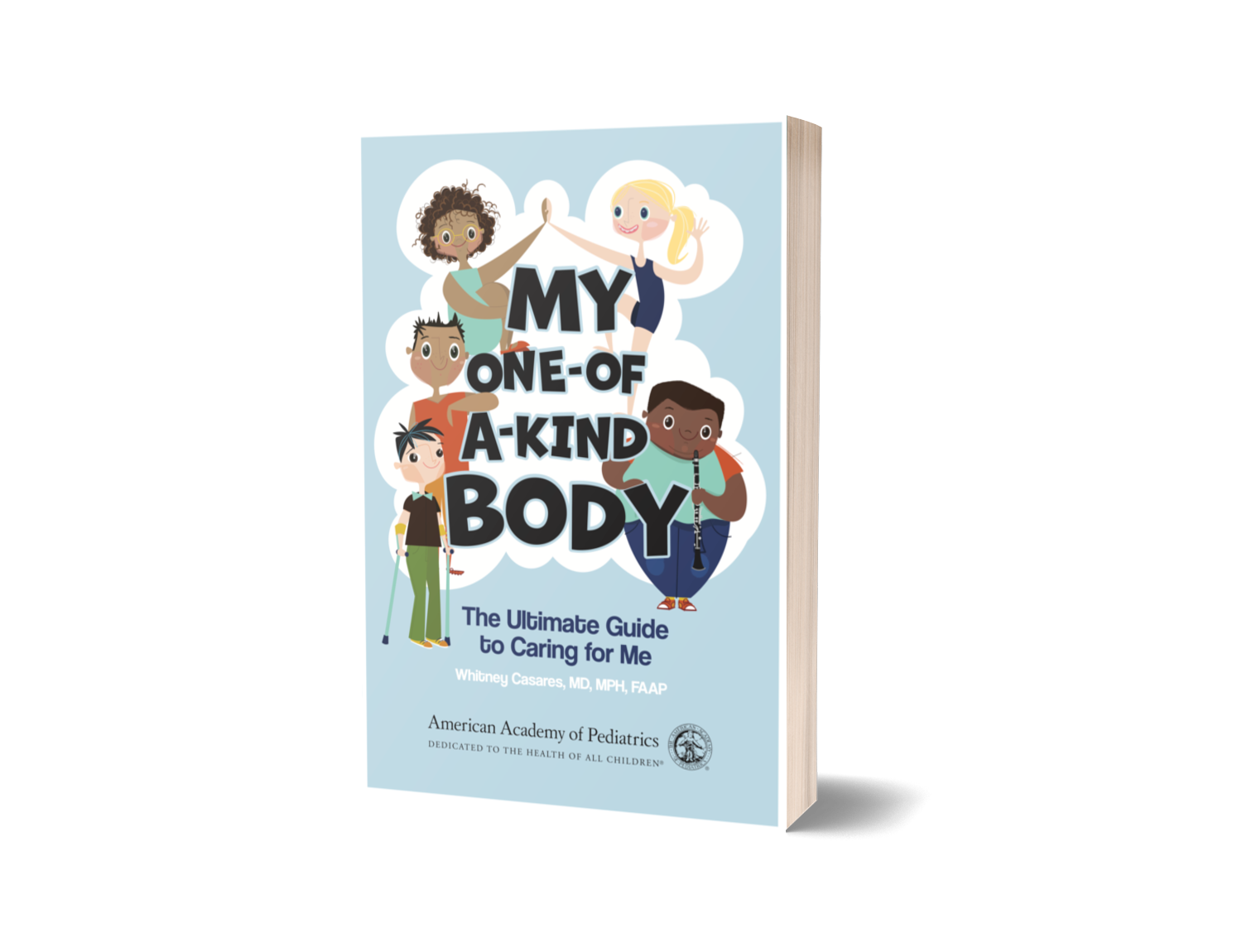
About the Episode: In this episode, Dr. Whitney sits down with Dr. Jay Gargus and Dave Justus from NeuroQure to discuss the power of early clarity when it comes to autism detection and why earlier intervention can fundamentally change outcomes for childre n and families. Dr. Gargus explains the science behind early behavioral therapies and why their impact goes far beyond short-term skill-building. Research shows that early, evidence-based interventions can lead to measurable, lifelong improvements in IQ, so cial skills, independence, and educational placement, often determining whether a child can thrive in mainstream education or requires ongoing specialized support. The conversation also tackles a critical and often overlooked issue: access. Dave Justus shares the personal motivation behind NeuroQure’s work and explains why the test is being launched at cost, with installment plans and employer subsidies, while the team works toward insurance coverage. The goal is to prevent families from losing precious years waiting for answers. Together, they emphasize a hopeful message for parents: families don’t need to wait for a future “silver bullet.” We already have therapies that work and getting kids connected to them earlier can change the course of a lifetime. In this episode, we discuss: Why early autism detection leads to lifelong changes—not just short-term gains What a 17-point IQ difference actually means for education, independence, and quality of life How early intervention can shift developmental trajectories as early as 6 months The science and validation behind current autism therapies Why NeuroQure is pricing testing at cost while pursuing insurance coverage How early clarity can reduce long-term strain on families, schools, and healthcare systems This episode is a powerful reminder that timing matters and that early access to answers can make an extraordinary difference for children and the families who love them. About Our Guest: Dr. Jay Gargus, MD, PhD is a physician-scientist and nationally recognized expert in neurodevelopmental disorders, with decades of experience researching the biological underpinnings of autism. His work has focused on translating well-established science into meaningful, real-world interventions that can improve lifelong outcomes for children. Dr. Gargus emphasizes that early, evidence-based therapies are already available—and that connecting families to them sooner can fundamentally change developmental trajectories. Dave Justus is a parent and the founder of NeuroQure, whose work is driven by personal experience navigating delayed autism diagnosis and intervention. Motivated by the belief that early clarity can spare families years of uncertainty, Dave is focused on expanding access to early testing through cost-based pricing and ongoing efforts to secure insurance coverage. His mission is simple but powerful: ensure families don’t have to wait for answers that could change everything. Want to Start Raising Body-Confident Kids Today? 📘 Order the Book Order your copy of My One-of-a-Kind Body 👉 www.raisingbodyconfidentkids.com/books 🎁 Claim Your Free Bonus When you order on our site, you’ll also get access to a FREE video mini-course with five bite-sized lessons for parents. In just 25 minutes, you’ll walk away with: Simple, script-style ways to respond when your kid says, “I hate my thighs” How to talk about health without weight talk What to do when your own inner critic shows up How to interrupt diet culture at home The first step to raising a body-confident kid, even if you didn’t grow up as one 📩 Subscribe to The Modern Mommy Doc Podcast for more episodes on parenting with confidence and clarity. Leave a review using the hashtag #ModernMommyDoc.

By Dr. Whitney November 13, 2025
Stop being so busy, and start being more present.
By Dr. Whitney November 5, 2025
Starting out right with solids doesn't have to be so scary.
By Dr. Whitney October 29, 2025
What if YOU are the one who needs to calm down first?

Welcome! Get the information you need to win at parenting without losing yourself.

LEARN MORE

My Kids' Book on Body Confidence is Finally Here!


Wish your partner would do more to lessen your mental load?


Want to make self-care a priority but not sure how to?


SIGN UP FOR SUSTAINABLE SELF-CARE. IT'S FREE. CLICK HERE


FRESH

ON THE PODCAST


By Dr. Whitney December 17, 2025
About the Episode: In this episode, Dr. Whitney sits down with Dr. Jay Gargus and Dave Justus from NeuroQure to discuss the power of early clarity when it comes to autism detection and why earlier intervention can fundamentally change outcomes for childre n and families. Dr. Gargus explains the science behind early behavioral therapies and why their impact goes far beyond short-term skill-building. Research shows that early, evidence-based interventions can lead to measurable, lifelong improvements in IQ, so cial skills, independence, and educational placement, often determining whether a child can thrive in mainstream education or requires ongoing specialized support. The conversation also tackles a critical and often overlooked issue: access. Dave Justus shares the personal motivation behind NeuroQure’s work and explains why the test is being launched at cost, with installment plans and employer subsidies, while the team works toward insurance coverage. The goal is to prevent families from losing precious years waiting for answers. Together, they emphasize a hopeful message for parents: families don’t need to wait for a future “silver bullet.” We already have therapies that work and getting kids connected to them earlier can change the course of a lifetime. In this episode, we discuss: Why early autism detection leads to lifelong changes—not just short-term gains What a 17-point IQ difference actually means for education, independence, and quality of life How early intervention can shift developmental trajectories as early as 6 months The science and validation behind current autism therapies Why NeuroQure is pricing testing at cost while pursuing insurance coverage How early clarity can reduce long-term strain on families, schools, and healthcare systems This episode is a powerful reminder that timing matters and that early access to answers can make an extraordinary difference for children and the families who love them. About Our Guest: Dr. Jay Gargus, MD, PhD is a physician-scientist and nationally recognized expert in neurodevelopmental disorders, with decades of experience researching the biological underpinnings of autism. His work has focused on translating well-established science into meaningful, real-world interventions that can improve lifelong outcomes for children. Dr. Gargus emphasizes that early, evidence-based therapies are already available—and that connecting families to them sooner can fundamentally change developmental trajectories. Dave Justus is a parent and the founder of NeuroQure, whose work is driven by personal experience navigating delayed autism diagnosis and intervention. Motivated by the belief that early clarity can spare families years of uncertainty, Dave is focused on expanding access to early testing through cost-based pricing and ongoing efforts to secure insurance coverage. His mission is simple but powerful: ensure families don’t have to wait for answers that could change everything. Want to Start Raising Body-Confident Kids Today? 📘 Order the Book Order your copy of My One-of-a-Kind Body 👉 www.raisingbodyconfidentkids.com/books 🎁 Claim Your Free Bonus When you order on our site, you’ll also get access to a FREE video mini-course with five bite-sized lessons for parents. In just 25 minutes, you’ll walk away with: Simple, script-style ways to respond when your kid says, “I hate my thighs” How to talk about health without weight talk What to do when your own inner critic shows up How to interrupt diet culture at home The first step to raising a body-confident kid, even if you didn’t grow up as one 📩 Subscribe to The Modern Mommy Doc Podcast for more episodes on parenting with confidence and clarity. Leave a review using the hashtag #ModernMommyDoc.

By Dr. Whitney November 13, 2025
Stop being so busy, and start being more present.