MMD BLOG


CATEGORY:

Dr. Whitney

AUTISM MISUNDERSTOOD: WHAT PARENTS AND EDUCATORS GET WRONG ABOUT KIDS WITH AUSTISM WITH KAELYNN PARTLOW

 Modern Mommy Doc


PUBLICATION DATE:

August 21, 2025

AUTISM MISUNDERSTOOD: WHAT PARENTS AND EDUCATORS GET WRONG ABOUT KIDS WITH AUSTISM WITH KAELYNN PARTLOW

 Modern Mommy Doc

CATEGORY: Dr. Whitney

About the Episode:


In this episode, Dr. Whitney sits down with Kaelynn Partlow—autism advocate, therapist, speaker, and star of Love on the Spectrum—to talk about what parents, educators, and professionals often miss when it comes to understanding and supporting autistic kids.


Kaelynn’s videos have provided powerful insights into how autistic children think, feel, and communicate. Together, she and Dr. Whitney unpack some of the most pressing challenges families face, while offering concrete strategies to better support neurodivergent kids at home, in school, and beyond.

Key Takeaways:


Who Kaelynn Is and Why Her Perspective Matters

With over a decade of experience as a Registered Behavior Technician and as an autistic adult herself, Kaelynn brings a rare dual lens: professional expertise and lived experience. She shares how her journey as both a student and staff member at Project HOPE shaped her advocacy and her decision to speak, train, and create content that reaches parents, educators, and even corporations.


What Parents and Educators Get Wrong About Autism

Kaelynn explains the biggest misunderstanding about level 1 autism: that challenges are choices. Kids do well when they can—if they aren’t, it means something in their environment or support system isn’t working. She stresses the importance of shifting the lens from “giving us a hard time” to “having a hard time”

.

Why Role-Play and Real-Life Examples Matter

Her popular Instagram reels role-play everyday situations—like a child blurting out demands—and show how adults can respond in ways that build skills instead of shame. She also shares how she handles criticism from within and outside the autistic community, and why visibility for different autistic experiences matters

.

Masking, Sensory Needs, and Regulation

Kaelynn dives into what masking really looks like and why it’s not always bad but can be harmful when it’s constant. She explains why sensory regulation strategies must go beyond accommodations and should also equip kids with a wider toolkit of coping skills

.

Meltdowns vs. Tantrums

Using the metaphor of a sinking boat, Kaelynn illustrates what happens internally for autistic children during meltdowns—and why coping skills often aren’t accessible in the moment. She offers de-escalation tips that emphasize patience, presence, and reassurance

.

The Problem with Schools

From checkbox inclusion to underwhelming follow-through on 504 plans, Kaelynn and Whitney discuss what schools get wrong and why true inclusion requires more than a seat at the table. They also touch on how supports often fall away in middle and high school when kids arguably need them most


Advice for Parents at Different Stages

  • For parents new to an autism diagnosis: Don’t expect your child to “grow out of autism.” Instead, know they will grow into it, developing self-advocacy and communication skills with time and support.


  • For overwhelmed parents: Find your people—other families who “get it.” Building a supportive community makes all the difference.


  • For parents focused on “functioning”: Ask yourself what you really want for your child—communication? independence? connection?—and reframe goals through a strengths-based, neurodiversity-affirming lens.


The One Soapbox Message for Adults

Stop asking so many questions. For many autistic kids, questions feel like pressure. Instead, use declarative language—statements that invite connection without demanding a response. This simple shift can transform how kids engage


About Our Guest

Kaelynn Partlow is an autistic self-advocate, therapist, author, and public speaker whose work has inspired millions of parents, educators, and professionals around the world. Featured on Netflix’s Love on the Spectrum U.S., Kaelynn brings a unique dual perspective: she has over a decade of professional experience as a Registered Behavior Technician while also navigating life as an autistic adult.


Her career began at Project HOPE Foundation, where she worked in both classroom and therapeutic settings, supporting children and families impacted by autism. Since then, Kaelynn has expanded her reach through speaking engagements, corporate trainings, and social media—where her relatable, role-play style videos help adults better understand the autistic experience.


She is the author of Life on the Bridge: Linking My World to Yours as an Autistic Therapist, a book that blends her personal story with practical guidance for anyone seeking to connect more deeply with neurodivergent individuals.


Want to Start Raising Body-Confident Kids Today?


📘 Pre-order the Book


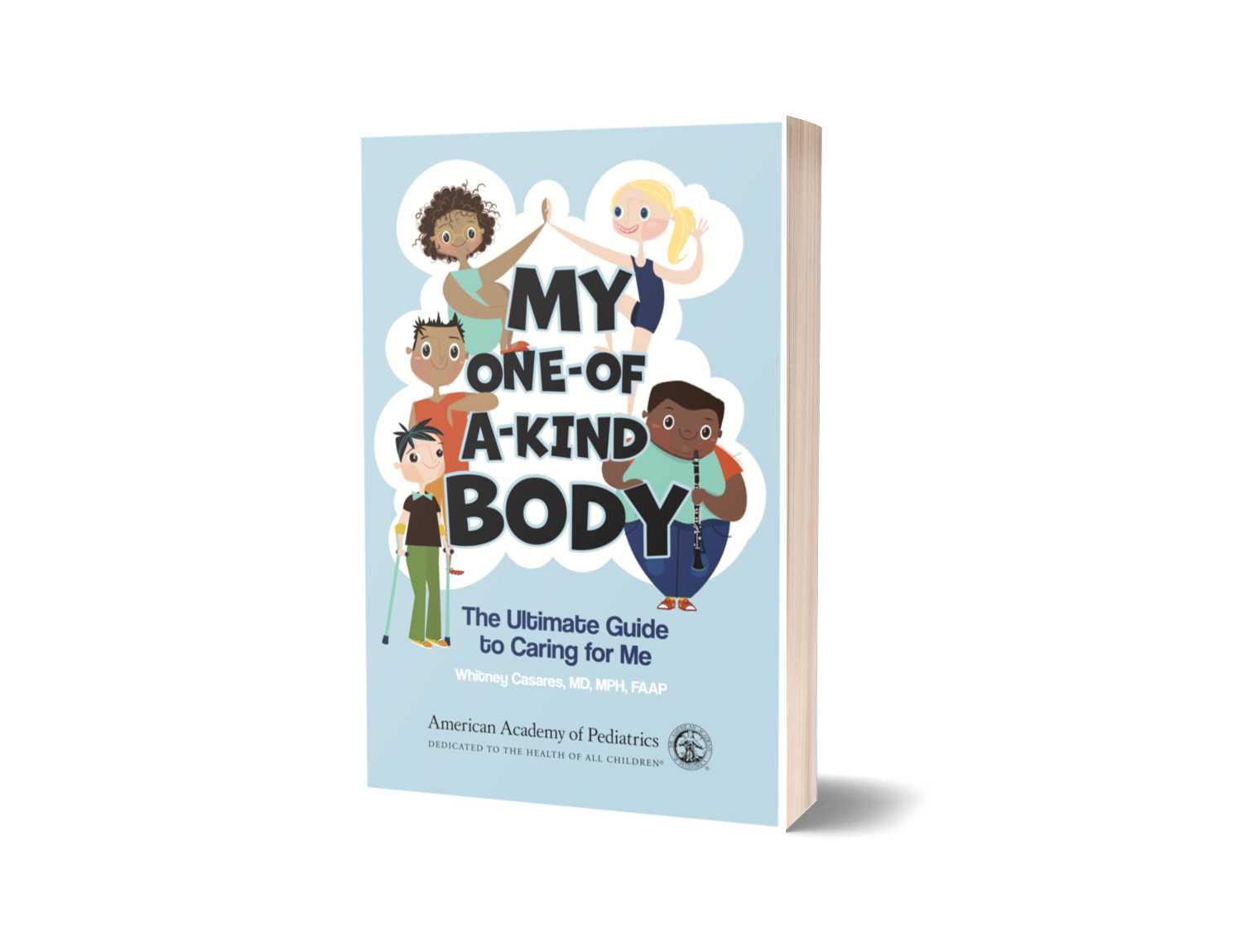
Order your copy of My One-of-a-Kind Body before it launches on October 20, 2025.
👉
www.raisingbodyconfidentkids.com/books


🎁 Claim Your Free Bonus


When you pre-order, you’ll also get access to a FREE video mini-course with five bite-sized lessons for parents. In just 25 minutes, you’ll walk away with:


  • Simple, script-style ways to respond when your kid says, “I hate my thighs”
  • How to talk about health without weight talk
  • What to do when your own inner critic shows up
  • How to interrupt diet culture at home
  • The first step to raising a body-confident kid—even if you didn’t grow up as one

    📩
    Subscribe to The Modern Mommy Doc Podcast for more episodes on parenting with confidence and clarity. Leave a review using the hashtag #ModernMommyDoc.

Raising Body-Confident Kids Starts at the Doctor's Office!

START NOW
By Modern Mommy Doc • October 9, 2026
About the Episode: There’s so much parenting advice out there, and most of it doesn’t matter nearly as much as the internet wants you to think. (Seed oils? We have bigger fish to fry.) In this solo episode, Dr. Whitney gets back to basics and shares the six evidence-based parenting principles she focuses on as a pediatrician, the ones she dug into with a leading child development researcher. She also shares how these play out in real life as a mom of two neurodivergent kids, because guidance only helps if it actually fits your family. Key takeaways: Be sensitive and responsive. Simple practices like mirroring your child’s emotions and “serve and return” interactions build a loving, trusting foundation. Dr. Whitney shares how a Halloween decorating session turned into a deep conversation about religion once she slowed down and got curious. Meet kids where they are, especially at their worst. Drawing on Tina Payne Bryson, co-author of The Whole-Brain Child , Dr. Whitney explains that soothing a meltdown isn’t giving in. It’s letting your child know they’re not alone in a big feeling. Model self-regulation, and repair when you lose it. Self-regulation predicts academic success better than IQ. The goal isn’t staying calm all the time, it’s understanding why you got dysregulated, coming back to baseline, and offering yourself some self-compassion. Set limits for your kids and yourself. Every child’s needs are different (screen time affects Dr. Whitney’s two daughters very differently), but all kids need limits, and so do parents. Taking time for yourself models something healthy. Aim for authoritative, not permissive. High expectations paired with warmth and grace is the sweet spot. “Gentle parenting” can blur into permissiveness, which research shows is as harmful as authoritarian parenting. Protect unstructured time. Kids need boredom and free play to become self-directed. For ADHD and autistic kids, Dr. Whitney recommends offering a few options and letting kids choose. Support internal motivation. Using a “mirrors facing outward” image from her own therapist, Dr. Whitney explains why we want kids to trust their own instincts rather than constantly look outward for approval. Want to Start Raising Body-Confident Kids Today? 📘 Order the Books Raising Body-Confident Kids If you've ever caught yourself saying something to your kid about their body that sounded exactly like what your mother said to you, this book is for you. Raising Body-Confident Kids is a research-backed, judgment-free guide for parents who want to break the cycle of diet culture and body shame without swinging into toxic positivity or giving up all structure around food and movement. It answers the real questions parents are actually asking about Ozempic, about picky eaters, about what to say when your kid is being bullied for their body, and about social media influences. This is a practical, values-based game plan you can actually use, even if your own relationship with your body is still a work in progress. My One-of-a-Kind Body My One-of-a-Kind Body gives kids the language and understanding they need to care for their bodies with respect without fear, shame, or appearance-based messaging. Through inclusive illustrations and evidence-based health education, the book teaches body literacy, boundaries, and self-trust in a way kids can actually grasp. 👉 www.raisingbodyconfidentkids.com/books
By Modern Mommy Doc • October 5, 2026
What really matters when it comes to college admissions (for you and for them).
By Modern Mommy Doc • September 17, 2026
Kids going off to college are mean for a reason.
By Modern Mommy Doc • September 10, 2026
Maybe winning back to school isn't what we really want, after all.
By Modern Mommy Doc • August 27, 2026
First-class service has a lot to do with first-class parenting.

Welcome! Get the information you need to win at parenting without losing yourself.

LEARN MORE

My Kids' Book on Body Confidence


Trying to break the cycle of body shame and diet culture?


Overwhelmed by all the parenting advice out there?


SIGN UP FOR THE FREE STARTER KIT: UNBOTHERED. IT'S FREE. CLICK HERE


FRESH

ON THE PODCAST


By Modern Mommy Doc • October 9, 2026
About the Episode: There’s so much parenting advice out there, and most of it doesn’t matter nearly as much as the internet wants you to think. (Seed oils? We have bigger fish to fry.) In this solo episode, Dr. Whitney gets back to basics and shares the six evidence-based parenting principles she focuses on as a pediatrician, the ones she dug into with a leading child development researcher. She also shares how these play out in real life as a mom of two neurodivergent kids, because guidance only helps if it actually fits your family. Key takeaways: Be sensitive and responsive. Simple practices like mirroring your child’s emotions and “serve and return” interactions build a loving, trusting foundation. Dr. Whitney shares how a Halloween decorating session turned into a deep conversation about religion once she slowed down and got curious. Meet kids where they are, especially at their worst. Drawing on Tina Payne Bryson, co-author of The Whole-Brain Child , Dr. Whitney explains that soothing a meltdown isn’t giving in. It’s letting your child know they’re not alone in a big feeling. Model self-regulation, and repair when you lose it. Self-regulation predicts academic success better than IQ. The goal isn’t staying calm all the time, it’s understanding why you got dysregulated, coming back to baseline, and offering yourself some self-compassion. Set limits for your kids and yourself. Every child’s needs are different (screen time affects Dr. Whitney’s two daughters very differently), but all kids need limits, and so do parents. Taking time for yourself models something healthy. Aim for authoritative, not permissive. High expectations paired with warmth and grace is the sweet spot. “Gentle parenting” can blur into permissiveness, which research shows is as harmful as authoritarian parenting. Protect unstructured time. Kids need boredom and free play to become self-directed. For ADHD and autistic kids, Dr. Whitney recommends offering a few options and letting kids choose. Support internal motivation. Using a “mirrors facing outward” image from her own therapist, Dr. Whitney explains why we want kids to trust their own instincts rather than constantly look outward for approval. Want to Start Raising Body-Confident Kids Today? 📘 Order the Books Raising Body-Confident Kids If you've ever caught yourself saying something to your kid about their body that sounded exactly like what your mother said to you, this book is for you. Raising Body-Confident Kids is a research-backed, judgment-free guide for parents who want to break the cycle of diet culture and body shame without swinging into toxic positivity or giving up all structure around food and movement. It answers the real questions parents are actually asking about Ozempic, about picky eaters, about what to say when your kid is being bullied for their body, and about social media influences. This is a practical, values-based game plan you can actually use, even if your own relationship with your body is still a work in progress. My One-of-a-Kind Body My One-of-a-Kind Body gives kids the language and understanding they need to care for their bodies with respect without fear, shame, or appearance-based messaging. Through inclusive illustrations and evidence-based health education, the book teaches body literacy, boundaries, and self-trust in a way kids can actually grasp. 👉 www.raisingbodyconfidentkids.com/books
By Modern Mommy Doc • October 5, 2026
What really matters when it comes to college admissions (for you and for them).
By Modern Mommy Doc • September 17, 2026
Kids going off to college are mean for a reason.