About Our Guest:
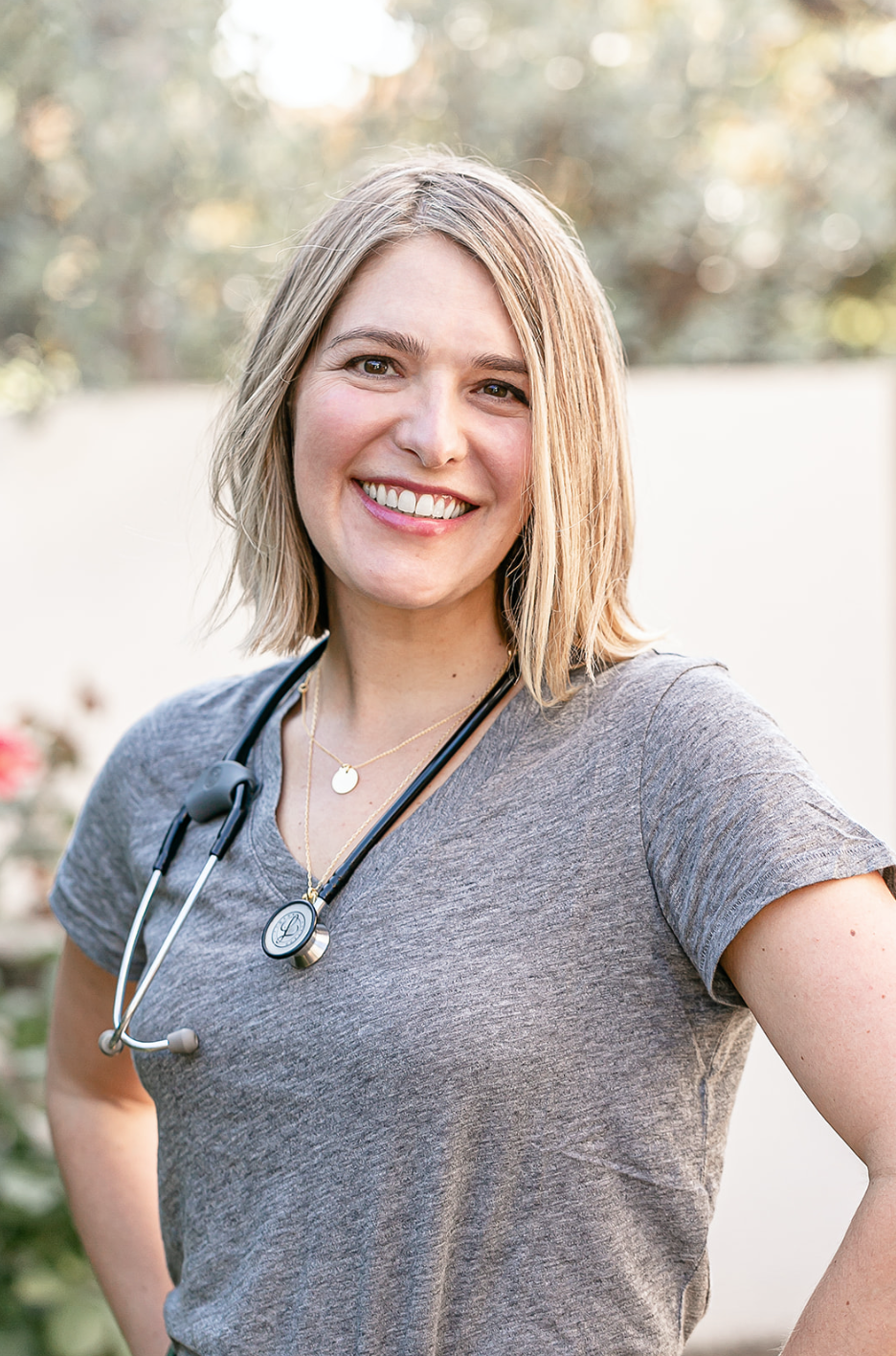
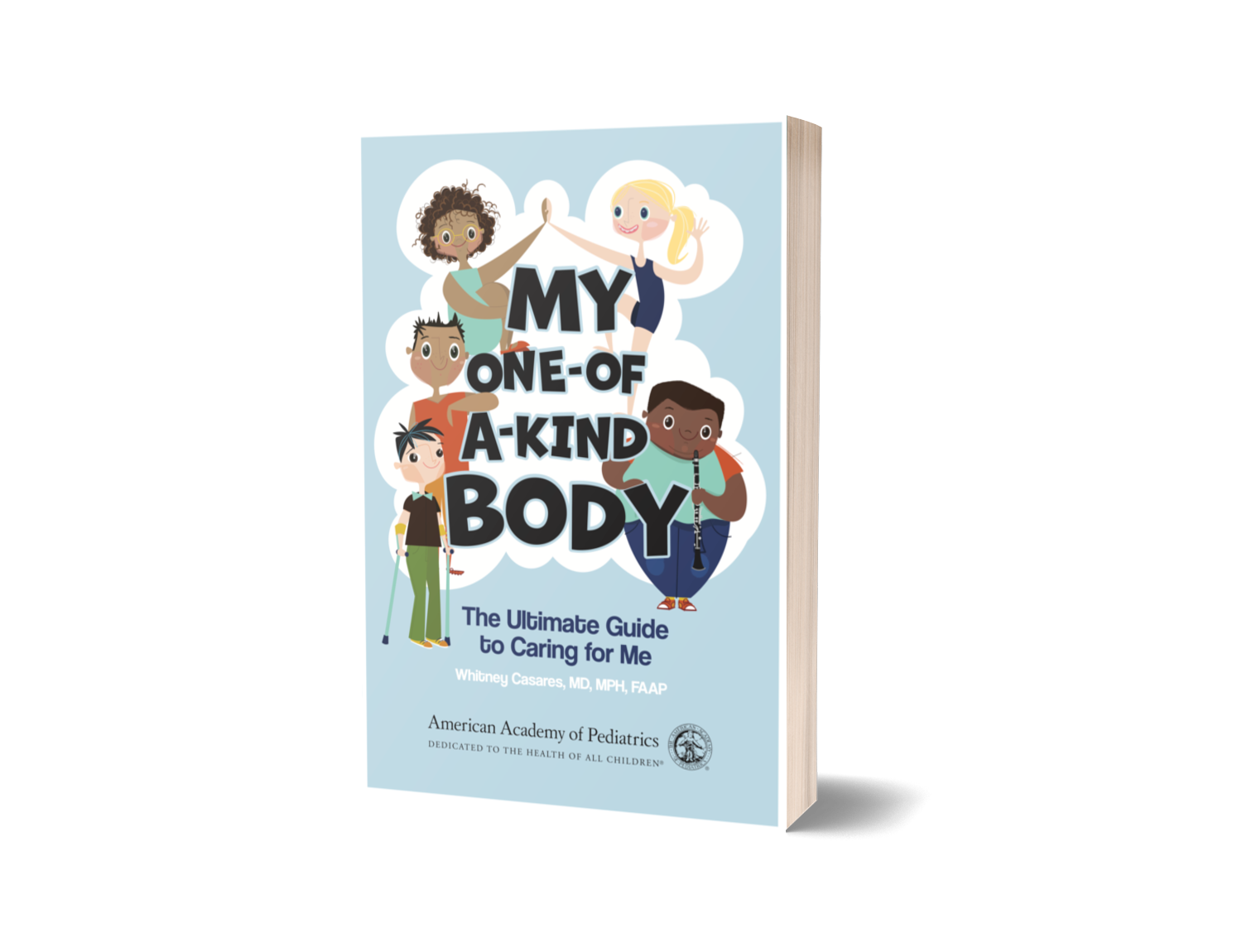
Whitney Casares, MD, MPH, FAAP, is a practicing board-certified pediatrician, author, speaker, and full-time working mom. Dr. Whitney is a Stanford University-trained private practice physician whose expertise spans the public health, direct patient care, and media worlds. She holds a Master of Public Health in Maternal and Child Health from The University of California, Berkeley, and a Journalism degree from California Polytechnic State University, San Luis Obispo. She is also CEO and Founder of Modern Mommy Doc.
Dr. Whitney advocates for the success of career-driven caregivers in all facets of their lives, guiding them toward increased focus, happiness, and effectiveness despite the systemic challenges and inherent biases that threaten to undermine them. She speaks nationally about her Centered Life Blueprint, which teaches working caregivers how to pay attention to what matters most amid pressure, at multibillion-dollar corporations like Adidas and Nike, and at executive-level conferences. She is a spokesperson for the American Academy of Pediatrics and medical consultant for large-scale organizations, including Good Housekeeping magazine, Gerber, and L’Oreal (CeraVe). Her work has been featured in Forbes, Thrive Global, and TODAY Parenting. She is a regular contributor to Psychology Today.
Dr. Whitney practices medicine in Portland, Oregon, where she and her husband raise their two young daughters.
About the Episode:
Dr. Whitney tells a personal story of when her daughter asked her the question we never want to hear as parents, “Am I fat?” She breaks down how she answered and why she said what she did, in hopes that you can be prepared for those conversations in your own family.
Episode Takeaways:
- There is a needle we must thread with our children between loving themselves and accepting themselves as they are and also taking care of their bodies. There is so much information coming to parents from medical sources about Body Mass Index and obesity and also from society about body love and body positivity.
- This stems from a conversation I had with my 10 year old daughter after I had noticed that habits had been created that were not allowing her to be as active as she once was. She would get winded more easily or tired after not asking much of her body. I told her that I would like to see more movement back in her life because I noticed she had been more sedentary. She could easily walk down the hill from our house to school, but the trip up the (steep, but not too bad) hill was much harder for her. When I told her I would love to see her be more active, she responded, “Why, because I'm fat?” Not what I want to hear as a mom, as a pediatrician, or as an author who is literally about to start a project about this very same idea.
- All of this makes me consider different parts of who I am. Number one, I am a standard trained pediatrician. I’m an American Academy of Pediatrics spokeswoman. There are new guidelines for pediatricians on how to address issues like obesity and weight issues in our young kids. There are really real risks when it comes to children and obesity, like diabetes, hypertension, higher risk when you have covid. At the same time, I also fully agree that we need to, as parents, pay attention to the quality of feed we are giving our kids, have our kids be active, and model healthy choices of food and movement to our kids.
- The other part of me is the fact that I’m a parent to a special needs kid. She senses things more sensitively and has a hard time with choosing movement. She has softer genetics. There are parts of her that I have to consider when thinking about how far I push her and what I need to prioritize as a parent. Yes, I think about her nutrition, movement, and her physical body but I also think about her mental health and her not being so stressed out about me being militant that she moves that she ends up hating it all together.
- Finally, there’s the complicated relationship most women my age have with their body and their body image. I watched my parents do yoyo diets. I did crazy exercise routines as a child and in high school. I heard the negative self-talk from my mom or even how she talked about my body. Even though I am dead set about not passing that to my kids and believe fully in body positivity, those pressures still live inside me and color the way I think. On top of that, there’s our culture that preaches body positivity while also showcasing celebrities that have butt filler or botox or breast implants. While all of those are fine on their own, it’s a juxtaposition of two things that cannot be true at the same time: you cannot tell everybody to accept their body the way that it is and have the beauty industry pushing you to literally become a different version of yourself than who you are.
- When answering my daughter, I had lots of different ways I could have answered her. I decided what she needed in that moment was the truth. She needed to know that I didn’t want her to move her body because she was fat (which I have never ever said.) I wanted her to move her body because it’s good for you. For your bones, for your gut, for your heart, and most importantly, for your mind. And I want you to be healthy, not a certain size or weight. It’s so important that our kids hear that our focus is on health, even if we struggle with that internally.
- I told my daughter that her body was not broken and it did not need to be fixed. I wasn’t talking about movement to fix something. I’m talking about movement because you only have one body and you have to take care of it by giving what it needs to be healthy and strong. You have to give it food to give it energy. You have to give it hydration, rest, and movement. Otherwise it will not function to the best of its ability.
- I really tried to tie in the fact that we talk about her neurodivergent brain being different from others, but being absolutely beautiful. Her brain allows her to do different things than other kids, because she’s advanced in certain ways, and struggles in others. So your body is something that you can be proud of, just the way your mind is something that can bring you pride. It might be different from others, but that doesn’t make it not special. Your brain and body change as you get older, and that’s supposed to happen. That’s incredibly important for our girls to hear.
- Lastly, I told her that I don’t care how you describe your body, as long as you do it in love. Fat is not a bad word, just like skinny isn’t a bad word. We think of fat as a bad word and skinny as a bad word, because that’s what women have been told in our modern culture. But that doesn’t make it true. A person is not more valuable because they’re skinny or less valuable because they’re fat. We don’t have to play by these rules that were set up by society.
- Consider telling your kids the truth. They need to know what they’re up against, but that they can change the narrative. The way we can change that is by teaching our kids to talk differently to themselves than you do (if you struggle with body image) and to model body positivity even if you’re still struggling with how you look. I don’t want my kids to have those same thoughts as they get older as I do, so that modeling starts with me.
- Finally, really be modeling what your kids are seeing on social media. Add keywords that you don’t want them to see into the parental controls. Talk with them about the images they see. Watch the content with them. They will see images of photoshopped and unrealistic women. We have to talk about them with our kids. We have to talk about the truth if we don’t want them to carry that same heavy weight on their shoulders that we have for the last several generations.
More Blogs on this Topic:
- If you’re eating Oreos in your closet, this one’s for you
- Being more in tune with your body is the diet plan you’ve always needed
- When you feel like shit about your body
More Podcast Episodes on this Topic: