MMD BLOG


CATEGORY:

BREASTFEEDING + NEW MAMA

BREASTFEEDING | WHEN YOU'RE NOT THE PARENT YOU HOPED YOU'D BE

 Modern Mommy Doc


PUBLICATION DATE:

December 22, 2017

BREASTFEEDING | WHEN YOU'RE NOT THE PARENT YOU HOPED YOU'D BE

 Modern Mommy Doc

CATEGORY: BREASTFEEDING + NEW MAMA

She was already crying when I opened the door to the exam room. She sat, defeated, her newborn baby snuggled closely in her arms, huge crocodile tears slipping down her cheeks. Try as she might, she could not get the latch right when she tried to nurse. She told me she must be one of those "breastfeeding failures." She had spent the last four days in pain as her baby clamped down on her again and again. Now, exhausted and defeated, she wasn't sure how to move forward.


I watched as she told me her story. Her shoulders were heaving as she took gulping breaths between sobs. I knew what she really meant: "I feel like I have already failed at this whole mother thing and I am less than a week into it. I am not the parent I hoped I would be."


Breastfeeding is a parenting area ripe for disappointment.


We put a ton of pressure on mothers-to-be, then don't educate them well before their babies are born on the potential pitfalls of this not-so-intuitive task. After birth, support from other experienced breastfeeders is usually minimal at home. Add in that we often put the onus on moms to do most of the day and night care within a family? Bam. Stress City, here we come (you can get information and help preparing to be a new mom by subscribing to our free guide here).


No wonder we have so many new moms that don't keep going.


FACT: While 79% of new moms start out breastfeeding, only 49% are still breastfeeding at six months and, at 12 months, the rate drops to 27% (rates as of 2011 from the CDC).


Of course, I get and support the Breast is Best movement when possible. The benefits of breast milk and breastfeeding are super clear. I want to help nursing parents reach their breastfeeding goals. But, for those who cannot or do not breastfeed, they often feel (or are made to feel) like they are somehow parenting failures because of their struggles or decisions in this ONE AREA.


Breastfeeding is not the only opportunity to feel, potentially, like a parenting failure. What about when we raise our voice at our toddler when we’re stressed or realize we've been ignoring our baby while we peruse our social media feed? How about the time my doctor friend missed her own kid's broken arm? Yeah, those feel like real "Mother of the Year" moments, too.


Or the bigger, longer-term fears we all have? That the core issues we deal with ourselves are going to royally going to ruin our kids in some way? My mild anxiety (or my a little too laid-back personality), my own parents’ failures, my lack of expertise in all things child-related - all of these insecurities can get in the way of doing our best day by day.


One mom in my office put it so well:


“I handle multi-million dollar sales transactions on a daily basis. I sit in a conference room with other business leaders and can influence their decision-making at the drop of a hat. But getting my toddler to put on her shirt? Somehow, I fail every day at doing that without getting flustered and losing my cool. It’s so demoralizing. I’m scared of what I’ll mess up when she gets older and it really counts.”


Social media feeds our worries on this ALSO.


You’ve seen the articles: “10 Things That Will Mess Up Your Relationship With Your Teenager,” “The 5 Tips You Need To Raise Brave Girls.” They are well-intentioned, and they often have really useful information, but, read enough of them and, in the end, they can leave you feeling stuck, not motivated if consumed without the right perspective.


Our friends, our parents, our significant others - pressure and guilt can come from all sides, piling on a sense that it’s all or nothing. That good enough is never enough. That only the best will do.


But the real secret to successful parenting is understanding and dealing with our own personal struggles and pain points, not pretending they don’t exist or acting like, if we just smile a little brighter, others won’t notice our humanity.


Going to therapy, or to lactation or to our pediatrician for help. Understanding we are not as in control as we think we are most of the time. That sometimes we do our best and take all the classes and read all the books and IT STILL DOESN'T WORK. Taking a look at our own “weaknesses” and fears - these are the things that really make a difference.



Raising Body-Confident Kids Starts at the Doctor's Office!

START NOW
By Dr. Whitney December 17, 2025
About the Episode: In this episode, Dr. Whitney sits down with Dr. Jay Gargus and Dave Justus from NeuroQure to discuss the power of early clarity when it comes to autism detection and why earlier intervention can fundamentally change outcomes for childre n and families. Dr. Gargus explains the science behind early behavioral therapies and why their impact goes far beyond short-term skill-building. Research shows that early, evidence-based interventions can lead to measurable, lifelong improvements in IQ, so cial skills, independence, and educational placement, often determining whether a child can thrive in mainstream education or requires ongoing specialized support. The conversation also tackles a critical and often overlooked issue: access. Dave Justus shares the personal motivation behind NeuroQure’s work and explains why the test is being launched at cost, with installment plans and employer subsidies, while the team works toward insurance coverage. The goal is to prevent families from losing precious years waiting for answers. Together, they emphasize a hopeful message for parents: families don’t need to wait for a future “silver bullet.” We already have therapies that work and getting kids connected to them earlier can change the course of a lifetime. In this episode, we discuss: Why early autism detection leads to lifelong changes—not just short-term gains What a 17-point IQ difference actually means for education, independence, and quality of life How early intervention can shift developmental trajectories as early as 6 months The science and validation behind current autism therapies Why NeuroQure is pricing testing at cost while pursuing insurance coverage How early clarity can reduce long-term strain on families, schools, and healthcare systems This episode is a powerful reminder that timing matters and that early access to answers can make an extraordinary difference for children and the families who love them. About Our Guest: Dr. Jay Gargus, MD, PhD is a physician-scientist and nationally recognized expert in neurodevelopmental disorders, with decades of experience researching the biological underpinnings of autism. His work has focused on translating well-established science into meaningful, real-world interventions that can improve lifelong outcomes for children. Dr. Gargus emphasizes that early, evidence-based therapies are already available—and that connecting families to them sooner can fundamentally change developmental trajectories. Dave Justus is a parent and the founder of NeuroQure, whose work is driven by personal experience navigating delayed autism diagnosis and intervention. Motivated by the belief that early clarity can spare families years of uncertainty, Dave is focused on expanding access to early testing through cost-based pricing and ongoing efforts to secure insurance coverage. His mission is simple but powerful: ensure families don’t have to wait for answers that could change everything. Want to Start Raising Body-Confident Kids Today? 📘 Order the Book Order your copy of My One-of-a-Kind Body 👉 www.raisingbodyconfidentkids.com/books 🎁 Claim Your Free Bonus When you order on our site, you’ll also get access to a FREE video mini-course with five bite-sized lessons for parents. In just 25 minutes, you’ll walk away with: Simple, script-style ways to respond when your kid says, “I hate my thighs” How to talk about health without weight talk What to do when your own inner critic shows up How to interrupt diet culture at home The first step to raising a body-confident kid, even if you didn’t grow up as one 📩 Subscribe to The Modern Mommy Doc Podcast for more episodes on parenting with confidence and clarity. Leave a review using the hashtag #ModernMommyDoc.
By Dr. Whitney November 13, 2025
Stop being so busy, and start being more present.
By Dr. Whitney November 5, 2025
Starting out right with solids doesn't have to be so scary.
By Dr. Whitney October 29, 2025
What if YOU are the one who needs to calm down first?

Welcome! Get the information you need to win at parenting without losing yourself.

LEARN MORE

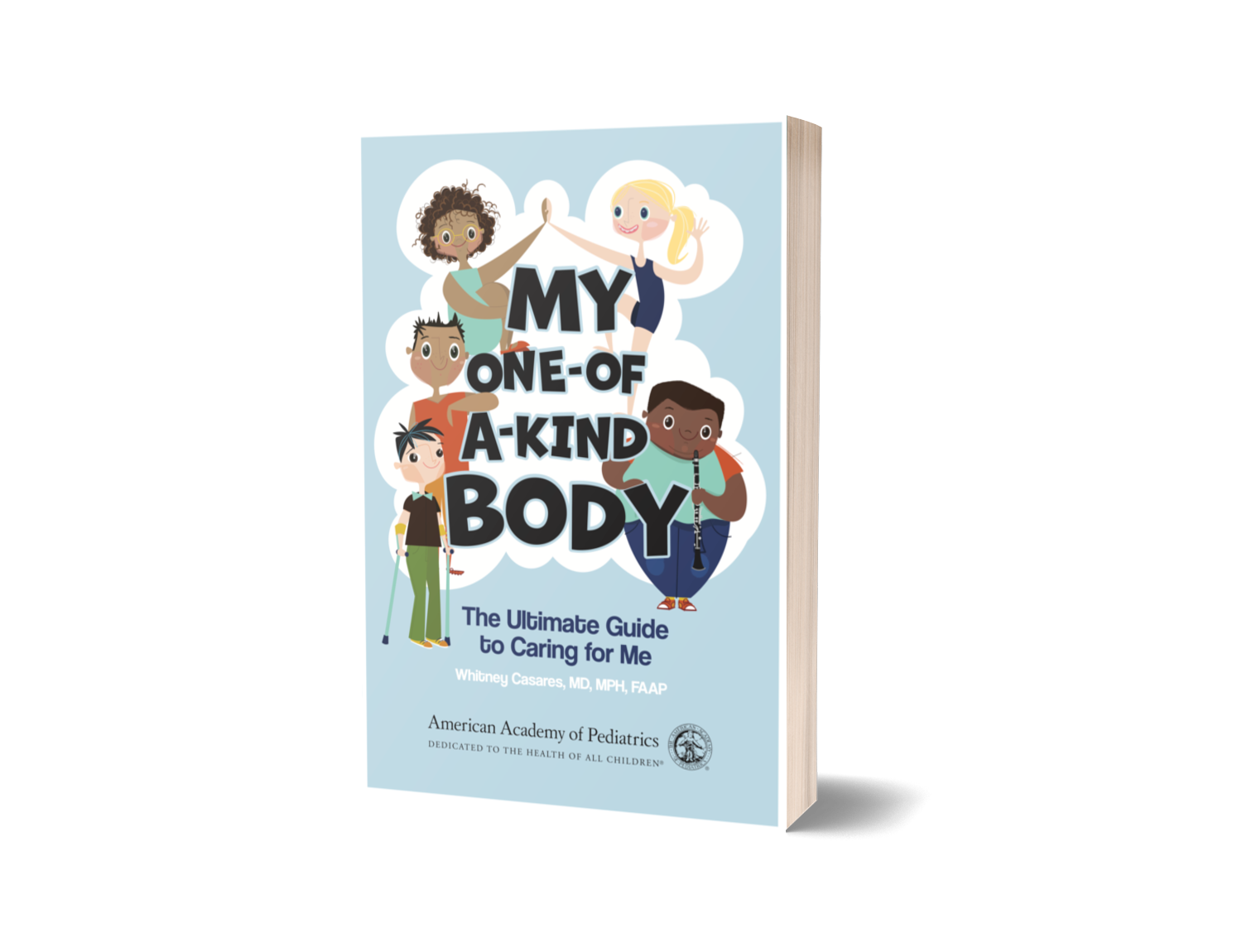
My Kids' Book on Body Confidence is Finally Here!


Wish your partner would do more to lessen your mental load?


Want to make self-care a priority but not sure how to?


SIGN UP FOR SUSTAINABLE SELF-CARE. IT'S FREE. CLICK HERE


FRESH

ON THE PODCAST


By Dr. Whitney December 17, 2025
About the Episode: In this episode, Dr. Whitney sits down with Dr. Jay Gargus and Dave Justus from NeuroQure to discuss the power of early clarity when it comes to autism detection and why earlier intervention can fundamentally change outcomes for childre n and families. Dr. Gargus explains the science behind early behavioral therapies and why their impact goes far beyond short-term skill-building. Research shows that early, evidence-based interventions can lead to measurable, lifelong improvements in IQ, so cial skills, independence, and educational placement, often determining whether a child can thrive in mainstream education or requires ongoing specialized support. The conversation also tackles a critical and often overlooked issue: access. Dave Justus shares the personal motivation behind NeuroQure’s work and explains why the test is being launched at cost, with installment plans and employer subsidies, while the team works toward insurance coverage. The goal is to prevent families from losing precious years waiting for answers. Together, they emphasize a hopeful message for parents: families don’t need to wait for a future “silver bullet.” We already have therapies that work and getting kids connected to them earlier can change the course of a lifetime. In this episode, we discuss: Why early autism detection leads to lifelong changes—not just short-term gains What a 17-point IQ difference actually means for education, independence, and quality of life How early intervention can shift developmental trajectories as early as 6 months The science and validation behind current autism therapies Why NeuroQure is pricing testing at cost while pursuing insurance coverage How early clarity can reduce long-term strain on families, schools, and healthcare systems This episode is a powerful reminder that timing matters and that early access to answers can make an extraordinary difference for children and the families who love them. About Our Guest: Dr. Jay Gargus, MD, PhD is a physician-scientist and nationally recognized expert in neurodevelopmental disorders, with decades of experience researching the biological underpinnings of autism. His work has focused on translating well-established science into meaningful, real-world interventions that can improve lifelong outcomes for children. Dr. Gargus emphasizes that early, evidence-based therapies are already available—and that connecting families to them sooner can fundamentally change developmental trajectories. Dave Justus is a parent and the founder of NeuroQure, whose work is driven by personal experience navigating delayed autism diagnosis and intervention. Motivated by the belief that early clarity can spare families years of uncertainty, Dave is focused on expanding access to early testing through cost-based pricing and ongoing efforts to secure insurance coverage. His mission is simple but powerful: ensure families don’t have to wait for answers that could change everything. Want to Start Raising Body-Confident Kids Today? 📘 Order the Book Order your copy of My One-of-a-Kind Body 👉 www.raisingbodyconfidentkids.com/books 🎁 Claim Your Free Bonus When you order on our site, you’ll also get access to a FREE video mini-course with five bite-sized lessons for parents. In just 25 minutes, you’ll walk away with: Simple, script-style ways to respond when your kid says, “I hate my thighs” How to talk about health without weight talk What to do when your own inner critic shows up How to interrupt diet culture at home The first step to raising a body-confident kid, even if you didn’t grow up as one 📩 Subscribe to The Modern Mommy Doc Podcast for more episodes on parenting with confidence and clarity. Leave a review using the hashtag #ModernMommyDoc.
By Dr. Whitney November 13, 2025
Stop being so busy, and start being more present.