MMD BLOG


CATEGORY:

WORKING MOM HACKS

GET IT, GIRL: HOW TO TALK TO YOUR BOSS ABOUT MONEY

 Modern Mommy Doc


PUBLICATION DATE:

October 18, 2021

GET IT, GIRL: HOW TO TALK TO YOUR BOSS ABOUT MONEY

 Modern Mommy Doc

CATEGORY: WORKING MOM HACKS

Dolly Parton in 1980, “Working 9 to 5, just trying to make a living…”

Donna Summers in 1983, “She works hard for her money, so you better treat her right…”

Britney in 2013, “You better work, b!tch!”


Me in 2011: 🤷🏼‍♀️🤷🏼‍♀️🤷🏼‍♀️


Those songs written by absolute queens are about women working their asses off, making a living, being successful, and getting paid for it! But even with all the calls to be a “boss babe” and “mompreneur,” talking about money can still feel, well, icky and downright uncomfortable for a lot of us. 


When I was fresh out of residency, I’d been coached by my attendings as well as my dad on how to negotiate and get a strong offer from any new job. With a huge dose of confidence, I marched into that office (by that, I mean I emailed them) and got rejected. Well, they wanted to offer the position to me, but they didn’t want to pay me anywhere close to what I thought was fair (we’re talking ⅓ of what the partners would get after their bonuses.)


I eventually got what I wanted...sorta...but it took a LOT of work and standing up for myself. And that led to a lot of tension in the clinic with people thinking I was an over-confident money grabber and had no idea I was even a decent human being (dare I say “nice”?!) until much later. Even now, in 2021, I hear from women on the daily about the struggle to fight for fair compensation. I don’t necessarily think that the whole story is sexist, either. I’m SURE there is that side of things as well. But, for the most part, there’s a reason we’re afraid as working moms to stand up for ourselves to get what we need and deserve monetarily.


First, as women, we’re taught to be demure people pleasers. We’re supposed to go with the flow, service over self ALWAYS. And this leads to just allowing ourselves to take whatever we’re offered. Whatever goes with the status quo--even if that status quo sucks. 


Second, we’re afraid to be seen negatively. We all know the double standard: what’s viewed as ballsy and a huge leadership move in men is just seen as being bitchy in women. It’s unfair and it’s beyond outdated and sexist, but the fear remains. And it drives us, again, to feel like we need to push down parts of us that we think won’t be “approved” of in the workplace. You know, the parts of us like our leadership abilities, our decision making abilities, and our ability to rise under pressure. All the parts of us that deserve to get paid fairly. 


Lastly, one of the reasons we’re afraid to speak up and fight for fair compensation is because we feel guilty that we’re moms. Or I should say, we feel guilty that we’re working moms. We feel guilty if we don’t work full time, or if we actually leave right on time (and heaven forbid, don’t come in early!), or if we’ve ever taken time away for parental leave. It makes us feel like a less-than stellar employee or that others might see us that way, which obviously takes the wind out of our sails when it comes to standing up for ourselves.


So what do we do? How do we, as women, fight for what we rightfully deserve?



Here are my 6 hacks to have a powerful (and effective) conversation with your boss about your compensation:


  1. Know that it’s completely normal to ask for a raise or ask for a higher salary if you’re interviewing for a position. These types of conversations happen every day. You aren’t the first person to bring it up and won’t be the last. Conversations like this are reasonable and SHOULD be happening on the reg.
  2. Take a look at the timing. Just like you wouldn’t want to have a deep conversation with your husband about your parenting philosophies right when he walks in the door from a stressful day at work, you shouldn’t do the same with your boss. Obviously, you’ll want to avoid the overly busy seasons of work, but also pay attention to the ebb and flow of budgets and cash flow. If you know there’s a point in the year when things are a bit more strapped, probably best to wait it out.
  3. Be prepared to give an answer of why you feel your salary should be at that level. Something like, “I’m so grateful for all the opportunities you’ve given me over the last year for greater responsibility, like (example) and (example). I’ve hit or exceeded the goals in those areas and have been seeing great results. I’d like to talk about adjusting my salary to reflect the higher level of impact I’ve made.”
  4. Understand that it’s literally not personal. Sure, there are going to be bosses that suck and make decisions based on preferences or vendettas. But most of the time there’s many other factors in play: budgets, timing, personnel, etc..
  5. Ask this if you don’t get the answer you want: “What would it take for you to feel comfortable giving me a raise in the future?” They can give you specifics on job performance, interpersonal skills, or even salary ranges for your position. Notice I didn’t say “take the answer they give you and walk away.” Whether it’s for a raise or when you’re talking about salary for a new position, it does you a disservice to not clearly state what you want/need or dismiss it as soon as you hear a “no.”


Surround yourself with women who can speak into these types of issues. Whether it’s employee resource groups or older women who can serve as mentors, seek out other working moms in leadership positions who might be able to counsel you on how to navigate your work’s culture. Looking for a forum where you can get advice but don’t want the pressure of directly dealing with people from your actual job? The Modern Mamas Club is PERFECT. Check out all the conversations going on inside.

Raising Body-Confident Kids Starts at the Doctor's Office!

START NOW
By Dr. Whitney December 17, 2025
About the Episode: In this episode, Dr. Whitney sits down with Dr. Jay Gargus and Dave Justus from NeuroQure to discuss the power of early clarity when it comes to autism detection and why earlier intervention can fundamentally change outcomes for childre n and families. Dr. Gargus explains the science behind early behavioral therapies and why their impact goes far beyond short-term skill-building. Research shows that early, evidence-based interventions can lead to measurable, lifelong improvements in IQ, so cial skills, independence, and educational placement, often determining whether a child can thrive in mainstream education or requires ongoing specialized support. The conversation also tackles a critical and often overlooked issue: access. Dave Justus shares the personal motivation behind NeuroQure’s work and explains why the test is being launched at cost, with installment plans and employer subsidies, while the team works toward insurance coverage. The goal is to prevent families from losing precious years waiting for answers. Together, they emphasize a hopeful message for parents: families don’t need to wait for a future “silver bullet.” We already have therapies that work and getting kids connected to them earlier can change the course of a lifetime. In this episode, we discuss: Why early autism detection leads to lifelong changes—not just short-term gains What a 17-point IQ difference actually means for education, independence, and quality of life How early intervention can shift developmental trajectories as early as 6 months The science and validation behind current autism therapies Why NeuroQure is pricing testing at cost while pursuing insurance coverage How early clarity can reduce long-term strain on families, schools, and healthcare systems This episode is a powerful reminder that timing matters and that early access to answers can make an extraordinary difference for children and the families who love them. About Our Guest: Dr. Jay Gargus, MD, PhD is a physician-scientist and nationally recognized expert in neurodevelopmental disorders, with decades of experience researching the biological underpinnings of autism. His work has focused on translating well-established science into meaningful, real-world interventions that can improve lifelong outcomes for children. Dr. Gargus emphasizes that early, evidence-based therapies are already available—and that connecting families to them sooner can fundamentally change developmental trajectories. Dave Justus is a parent and the founder of NeuroQure, whose work is driven by personal experience navigating delayed autism diagnosis and intervention. Motivated by the belief that early clarity can spare families years of uncertainty, Dave is focused on expanding access to early testing through cost-based pricing and ongoing efforts to secure insurance coverage. His mission is simple but powerful: ensure families don’t have to wait for answers that could change everything. Want to Start Raising Body-Confident Kids Today? 📘 Order the Book Order your copy of My One-of-a-Kind Body 👉 www.raisingbodyconfidentkids.com/books 🎁 Claim Your Free Bonus When you order on our site, you’ll also get access to a FREE video mini-course with five bite-sized lessons for parents. In just 25 minutes, you’ll walk away with: Simple, script-style ways to respond when your kid says, “I hate my thighs” How to talk about health without weight talk What to do when your own inner critic shows up How to interrupt diet culture at home The first step to raising a body-confident kid, even if you didn’t grow up as one 📩 Subscribe to The Modern Mommy Doc Podcast for more episodes on parenting with confidence and clarity. Leave a review using the hashtag #ModernMommyDoc.
By Dr. Whitney November 13, 2025
Stop being so busy, and start being more present.
By Dr. Whitney November 5, 2025
Starting out right with solids doesn't have to be so scary.
By Dr. Whitney October 29, 2025
What if YOU are the one who needs to calm down first?

Welcome! Get the information you need to win at parenting without losing yourself.

LEARN MORE

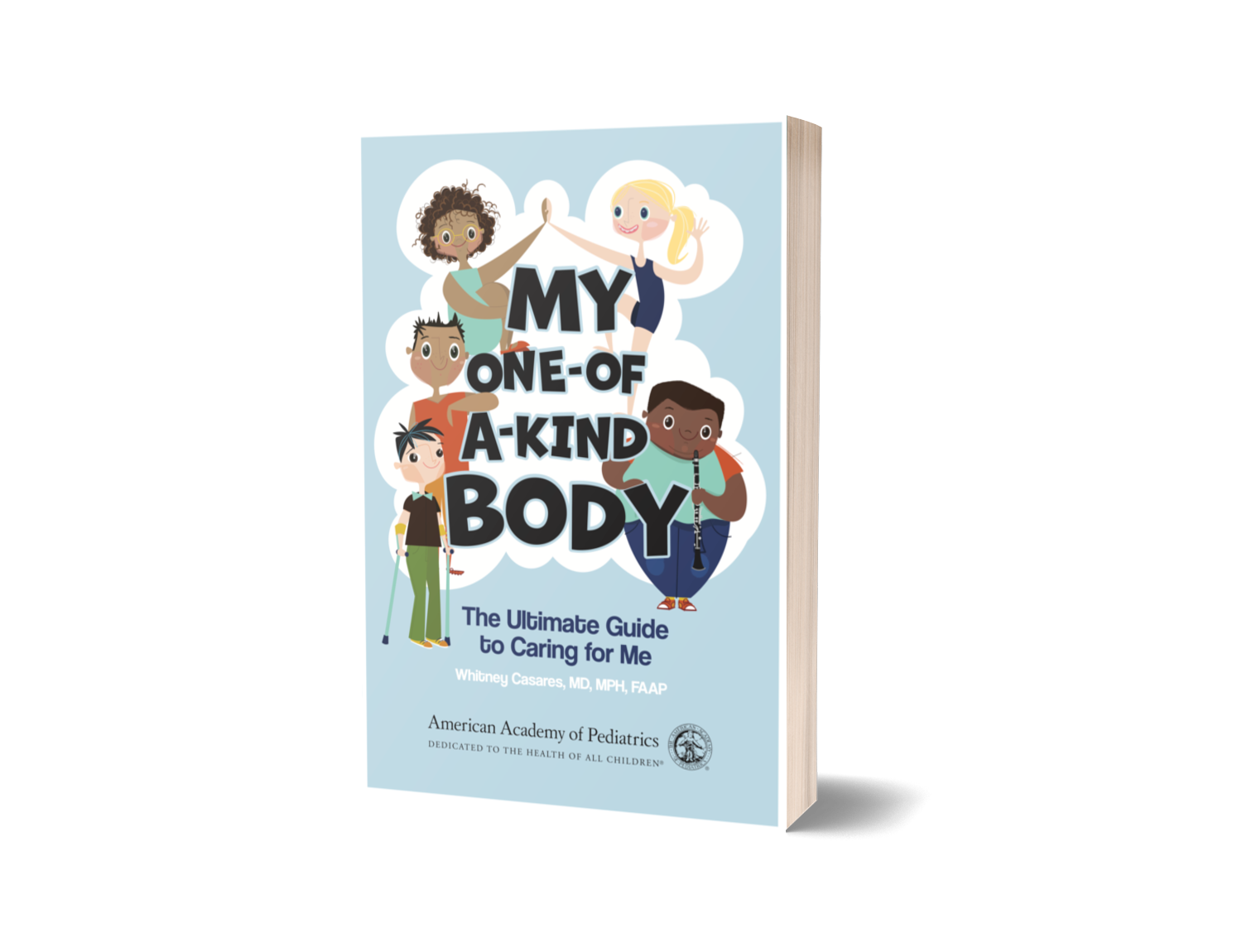
My Kids' Book on Body Confidence is Finally Here!


Wish your partner would do more to lessen your mental load?


Want to make self-care a priority but not sure how to?


SIGN UP FOR SUSTAINABLE SELF-CARE. IT'S FREE. CLICK HERE


FRESH

ON THE PODCAST


By Dr. Whitney December 17, 2025
About the Episode: In this episode, Dr. Whitney sits down with Dr. Jay Gargus and Dave Justus from NeuroQure to discuss the power of early clarity when it comes to autism detection and why earlier intervention can fundamentally change outcomes for childre n and families. Dr. Gargus explains the science behind early behavioral therapies and why their impact goes far beyond short-term skill-building. Research shows that early, evidence-based interventions can lead to measurable, lifelong improvements in IQ, so cial skills, independence, and educational placement, often determining whether a child can thrive in mainstream education or requires ongoing specialized support. The conversation also tackles a critical and often overlooked issue: access. Dave Justus shares the personal motivation behind NeuroQure’s work and explains why the test is being launched at cost, with installment plans and employer subsidies, while the team works toward insurance coverage. The goal is to prevent families from losing precious years waiting for answers. Together, they emphasize a hopeful message for parents: families don’t need to wait for a future “silver bullet.” We already have therapies that work and getting kids connected to them earlier can change the course of a lifetime. In this episode, we discuss: Why early autism detection leads to lifelong changes—not just short-term gains What a 17-point IQ difference actually means for education, independence, and quality of life How early intervention can shift developmental trajectories as early as 6 months The science and validation behind current autism therapies Why NeuroQure is pricing testing at cost while pursuing insurance coverage How early clarity can reduce long-term strain on families, schools, and healthcare systems This episode is a powerful reminder that timing matters and that early access to answers can make an extraordinary difference for children and the families who love them. About Our Guest: Dr. Jay Gargus, MD, PhD is a physician-scientist and nationally recognized expert in neurodevelopmental disorders, with decades of experience researching the biological underpinnings of autism. His work has focused on translating well-established science into meaningful, real-world interventions that can improve lifelong outcomes for children. Dr. Gargus emphasizes that early, evidence-based therapies are already available—and that connecting families to them sooner can fundamentally change developmental trajectories. Dave Justus is a parent and the founder of NeuroQure, whose work is driven by personal experience navigating delayed autism diagnosis and intervention. Motivated by the belief that early clarity can spare families years of uncertainty, Dave is focused on expanding access to early testing through cost-based pricing and ongoing efforts to secure insurance coverage. His mission is simple but powerful: ensure families don’t have to wait for answers that could change everything. Want to Start Raising Body-Confident Kids Today? 📘 Order the Book Order your copy of My One-of-a-Kind Body 👉 www.raisingbodyconfidentkids.com/books 🎁 Claim Your Free Bonus When you order on our site, you’ll also get access to a FREE video mini-course with five bite-sized lessons for parents. In just 25 minutes, you’ll walk away with: Simple, script-style ways to respond when your kid says, “I hate my thighs” How to talk about health without weight talk What to do when your own inner critic shows up How to interrupt diet culture at home The first step to raising a body-confident kid, even if you didn’t grow up as one 📩 Subscribe to The Modern Mommy Doc Podcast for more episodes on parenting with confidence and clarity. Leave a review using the hashtag #ModernMommyDoc.
By Dr. Whitney November 13, 2025
Stop being so busy, and start being more present.