MMD BLOG


CATEGORY:

TRAVELING + BEHAVIOR

HOW TO DO DISNEYLAND WITH A THREE YEAR OLD AND AN ANXIETY DISORDER

 Modern Mommy Doc


PUBLICATION DATE:

March 1, 2019

HOW TO DO DISNEYLAND WITH A THREE YEAR OLD AND AN ANXIETY DISORDER

 Modern Mommy Doc

CATEGORY: TRAVELING + BEHAVIOR

I just got back from a four-day trip to "The Happiest Place on Earth" and people, I was not entirely sure before we took off if it was going to be that happy. 


My oldest daughter has an anxiety disorder and gets overwhelmed easily by crowds and chaos. My youngest daughter is three years old (enough said). I can hear you saying right now as you read this, "Um, excuse me...Why did you plan this trip?" Fair enough. Here's the thing about parenting a child who needs special accommodations or has special needs: you understand that there are some activities and experiences that they may never be able to participate in but you long for them to be a part of the world just like all other "typical" kids. I knew that if we could reduce the number of stressors we had on the trip, we could give her the opportunity to experience the magic of being enthralled and delighted. 


Here's what we did to make the trip successful and what you can do, too:


Give Yourself Enough Time


It's so tempting to rush through our vacations but, when we do, we usually end up feeling run down and frustrated. When you have a child who may not be able to roll with the punches on a road trip or push through for a marathon day through an amusement park. For our Disney trip, we planned to be in the park for three days and gave ourselves an extra day at the end of the trip to hang at the hotel pool and enjoy the waterslides. 


We knew my oldest daughter would reach a certain point in the day as we traveled from ride to ride when she would literally melt. And we knew it would happen at the drop of the hat. We might be able to cajole her into sticking around for five minutes longer than she wanted to be there but once the, "Mom!! We have to go!!! Please now!!" set in, it would be all over. We also knew that moment would also make us feel very angry that we'd just thrown down 40,000 frequent flyer miles and $1,000 in park entry fees on this trip if we were on a tight timetable and no one was sticking with it. 


Because we were feeling leisurely, we didn't try to rush out for Magic Morning, and we weren't worried about grabbing Fast Passes. Instead, we woke up when the kids did, enjoyed a hotel breakfast, and even came back to our accommodations mid-day to rest and relax before some or all of us re-entered the park in the evening. We spent TWO (yes TWO) hours in the Bibbity Bobbity Boutique (thankfully, we'd asked for gift cards at Christmas to cover it) on first day in the park and, believe me, it was my girls, not me, who wanted these glamour shots. The second day, my oldest daughter pooped out after about three hours (even with a stroller, which I HIGHLY recommend for any trip to any amusement park with kids under 7) and she and I hoofed it back to the hotel and spent the rest of the day on the waterslides while my husband and three-year-old went on "It's a Small World" over and over. Which brings me to my next point...


Accept It's Not About You


Disneyland is fun for kids and adults but, if you're going with littles (and one or more of those littles has special needs), either bring help or ditch any preconceived notions you'll be zipping through the Matterhorn or noshing luxuriously at the Blue Bayou. We met my in-laws in the park on the second day so we could divide and conquer a bit but, even then, we had to check our adult agendas at the door. Yeah, we did a little bit of ride-switching here or there so we could both enjoy rides our youngest wasn't tall enough for but, in the end, understanding this was a kid-centric vacation made it more enjoyable and less disappointing. 


Use the Services Available to You


About a month ahead of our trip, my sister-in-law sent me a text with information about Disability Access Services. My daughter's anxiety disorder doesn't have any physical manifestations so the idea of accessing any type of special services felt off at first but, holy cow, I don't think we could have managed without them. Using the pass, we were able to get return times for many of the more popular rides, avoiding waiting in long lines in the hot sun with a temperamental three-year-old and a six-year-old who kept asking, "Am I going to die? Are you sure? I think I might" as she waited for her turn on Splash Mountain. Keeping the moments she had to a minimum between when she built up enough courage to say "yes" to a ride and when she actually buckled in meant a higher rate of success. Even with the pass, she ended up changing her mind after about 20 minutes into the wait for Pirates of the Caribbean and meeting the Shadow Man turned out to be a no-go.


Understand That No Good Vacation Goes Unpunished


When you go on a major family trip, injuries and sickness are just a part of it. My little one ended up with a sinus infection the first night and gooey eyes to match by the end of our journey. My eldest had a few scrapes and bruises from the water park. I was glad I'd brought a little first aid pack and, again, had some downtime built in to our travels. 


Likewise, brace yourself a little for some sleep deprivation and some minor illnesses once you come back from your vacation. If you can, plan ahead so you have a recovery day at the end of your adventure to just catch up on laundry and get the house and yourselves back in order. Anticipate you might have to use your down day to tend to things you forgot to take care of while you were away or that came up when you returned.


Looking for more tips for traveling with young kids? Listen to our latest Podcast with Brianne Manz of Stroller in the City here. 



Raising Body-Confident Kids Starts at the Doctor's Office!

START NOW
By Dr. Whitney December 17, 2025
About the Episode: In this episode, Dr. Whitney sits down with Dr. Jay Gargus and Dave Justus from NeuroQure to discuss the power of early clarity when it comes to autism detection and why earlier intervention can fundamentally change outcomes for childre n and families. Dr. Gargus explains the science behind early behavioral therapies and why their impact goes far beyond short-term skill-building. Research shows that early, evidence-based interventions can lead to measurable, lifelong improvements in IQ, so cial skills, independence, and educational placement, often determining whether a child can thrive in mainstream education or requires ongoing specialized support. The conversation also tackles a critical and often overlooked issue: access. Dave Justus shares the personal motivation behind NeuroQure’s work and explains why the test is being launched at cost, with installment plans and employer subsidies, while the team works toward insurance coverage. The goal is to prevent families from losing precious years waiting for answers. Together, they emphasize a hopeful message for parents: families don’t need to wait for a future “silver bullet.” We already have therapies that work and getting kids connected to them earlier can change the course of a lifetime. In this episode, we discuss: Why early autism detection leads to lifelong changes—not just short-term gains What a 17-point IQ difference actually means for education, independence, and quality of life How early intervention can shift developmental trajectories as early as 6 months The science and validation behind current autism therapies Why NeuroQure is pricing testing at cost while pursuing insurance coverage How early clarity can reduce long-term strain on families, schools, and healthcare systems This episode is a powerful reminder that timing matters and that early access to answers can make an extraordinary difference for children and the families who love them. About Our Guest: Dr. Jay Gargus, MD, PhD is a physician-scientist and nationally recognized expert in neurodevelopmental disorders, with decades of experience researching the biological underpinnings of autism. His work has focused on translating well-established science into meaningful, real-world interventions that can improve lifelong outcomes for children. Dr. Gargus emphasizes that early, evidence-based therapies are already available—and that connecting families to them sooner can fundamentally change developmental trajectories. Dave Justus is a parent and the founder of NeuroQure, whose work is driven by personal experience navigating delayed autism diagnosis and intervention. Motivated by the belief that early clarity can spare families years of uncertainty, Dave is focused on expanding access to early testing through cost-based pricing and ongoing efforts to secure insurance coverage. His mission is simple but powerful: ensure families don’t have to wait for answers that could change everything. Want to Start Raising Body-Confident Kids Today? 📘 Order the Book Order your copy of My One-of-a-Kind Body 👉 www.raisingbodyconfidentkids.com/books 🎁 Claim Your Free Bonus When you order on our site, you’ll also get access to a FREE video mini-course with five bite-sized lessons for parents. In just 25 minutes, you’ll walk away with: Simple, script-style ways to respond when your kid says, “I hate my thighs” How to talk about health without weight talk What to do when your own inner critic shows up How to interrupt diet culture at home The first step to raising a body-confident kid, even if you didn’t grow up as one 📩 Subscribe to The Modern Mommy Doc Podcast for more episodes on parenting with confidence and clarity. Leave a review using the hashtag #ModernMommyDoc.
By Dr. Whitney November 13, 2025
Stop being so busy, and start being more present.
By Dr. Whitney November 5, 2025
Starting out right with solids doesn't have to be so scary.
By Dr. Whitney October 29, 2025
What if YOU are the one who needs to calm down first?

Welcome! Get the information you need to win at parenting without losing yourself.

LEARN MORE

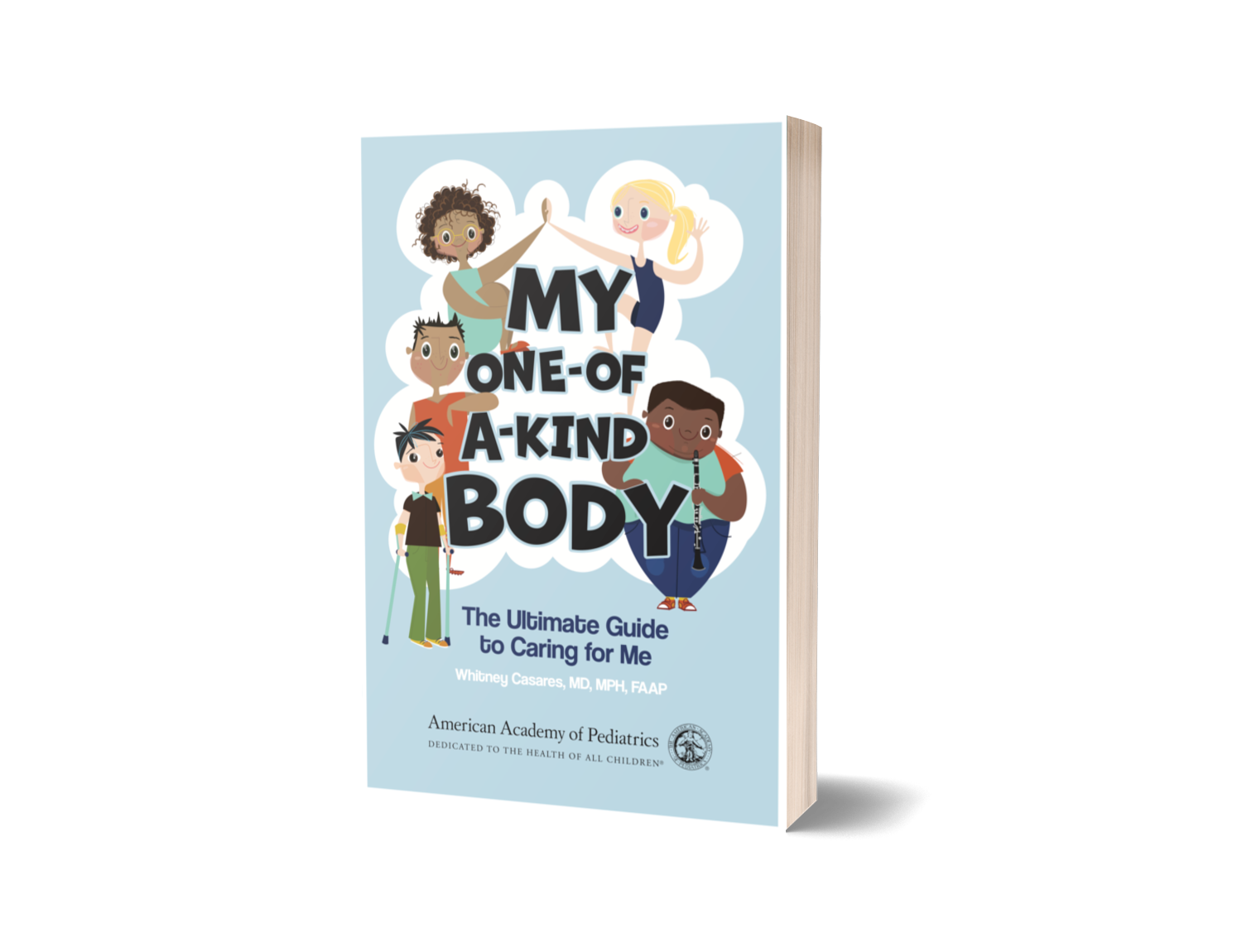
My Kids' Book on Body Confidence is Finally Here!


Wish your partner would do more to lessen your mental load?


Want to make self-care a priority but not sure how to?


SIGN UP FOR SUSTAINABLE SELF-CARE. IT'S FREE. CLICK HERE


FRESH

ON THE PODCAST


By Dr. Whitney December 17, 2025
About the Episode: In this episode, Dr. Whitney sits down with Dr. Jay Gargus and Dave Justus from NeuroQure to discuss the power of early clarity when it comes to autism detection and why earlier intervention can fundamentally change outcomes for childre n and families. Dr. Gargus explains the science behind early behavioral therapies and why their impact goes far beyond short-term skill-building. Research shows that early, evidence-based interventions can lead to measurable, lifelong improvements in IQ, so cial skills, independence, and educational placement, often determining whether a child can thrive in mainstream education or requires ongoing specialized support. The conversation also tackles a critical and often overlooked issue: access. Dave Justus shares the personal motivation behind NeuroQure’s work and explains why the test is being launched at cost, with installment plans and employer subsidies, while the team works toward insurance coverage. The goal is to prevent families from losing precious years waiting for answers. Together, they emphasize a hopeful message for parents: families don’t need to wait for a future “silver bullet.” We already have therapies that work and getting kids connected to them earlier can change the course of a lifetime. In this episode, we discuss: Why early autism detection leads to lifelong changes—not just short-term gains What a 17-point IQ difference actually means for education, independence, and quality of life How early intervention can shift developmental trajectories as early as 6 months The science and validation behind current autism therapies Why NeuroQure is pricing testing at cost while pursuing insurance coverage How early clarity can reduce long-term strain on families, schools, and healthcare systems This episode is a powerful reminder that timing matters and that early access to answers can make an extraordinary difference for children and the families who love them. About Our Guest: Dr. Jay Gargus, MD, PhD is a physician-scientist and nationally recognized expert in neurodevelopmental disorders, with decades of experience researching the biological underpinnings of autism. His work has focused on translating well-established science into meaningful, real-world interventions that can improve lifelong outcomes for children. Dr. Gargus emphasizes that early, evidence-based therapies are already available—and that connecting families to them sooner can fundamentally change developmental trajectories. Dave Justus is a parent and the founder of NeuroQure, whose work is driven by personal experience navigating delayed autism diagnosis and intervention. Motivated by the belief that early clarity can spare families years of uncertainty, Dave is focused on expanding access to early testing through cost-based pricing and ongoing efforts to secure insurance coverage. His mission is simple but powerful: ensure families don’t have to wait for answers that could change everything. Want to Start Raising Body-Confident Kids Today? 📘 Order the Book Order your copy of My One-of-a-Kind Body 👉 www.raisingbodyconfidentkids.com/books 🎁 Claim Your Free Bonus When you order on our site, you’ll also get access to a FREE video mini-course with five bite-sized lessons for parents. In just 25 minutes, you’ll walk away with: Simple, script-style ways to respond when your kid says, “I hate my thighs” How to talk about health without weight talk What to do when your own inner critic shows up How to interrupt diet culture at home The first step to raising a body-confident kid, even if you didn’t grow up as one 📩 Subscribe to The Modern Mommy Doc Podcast for more episodes on parenting with confidence and clarity. Leave a review using the hashtag #ModernMommyDoc.
By Dr. Whitney November 13, 2025
Stop being so busy, and start being more present.