MMD BLOG


CATEGORY:

PANDEMIC PARENTING

PARENTING IN A PANDEMIC: TENSIONS ARE NORMAL

 Modern Mommy Doc


PUBLICATION DATE:

April 5, 2021

PARENTING IN A PANDEMIC: TENSIONS ARE NORMAL

 Modern Mommy Doc

CATEGORY: PANDEMIC PARENTING

It’s hard to believe that we’re passed the one-year mark since the onset of the pandemic that catapulted us into an entirely new way of life and challenged nearly everything we once considered as “normal.” We moms, dads and caregivers felt the ramifications and the weight of all of these changes perhaps more than anyone else, as we struggled to coordinate childcare, hold steady to our jobs and grapple with this new, anxiety-inducing way of life. 

The result? Too much togetherness, a whole lot more bickering, an acute lack of personal space and the inability to do normal, everyday activities that made up our “me” time: going to the gym, meeting a friend for coffee, visiting the hair salon, getting a well-deserved massage…


If you made it through with some of your sanity intact, give yourself a pat on the back (and maybe buy yourself an iced coffee). And if you’ve made it out with a marriage intact, you deserve bonus points. I will admit that there were times I couldn’t bare sitting on the couch next to my husband for the umpteenth Saturday in a row watching yet another Netflix series I cared little for (an opportunity I would have killed for pre-pandemic). 


I also can’t even keep count of the number of times nearly everything he would say and do (especially when it came to caring for our daughter) left me fuming at the mouth. As Dr. Whitney puts it so delicately: “The pandemic has been hard on us individually and as we’ve managed our kids’ needs, but it has also taken its toll on our relationship with our par.” 


Easing Tensions As We Come Out of the Pandemic


If you’re having a hard time seeing the so-called light at the end of the tunnel, we get it. We’re all still dealing with the daily routine this pandemic has created for us—one that’s full of eye rolls, shoulder shrugs, “I don’t knows” and countless “I owe yous.” Hang in there, and while you’re at it, here are some of Dr. Whitney’s best tips for shifting the tensions in your home (and marriage) and creating a more positive partnership.



Turn Off Netflix Every Once in Awhile


Sure, it’s tempting to leave that TV on day and night, especially when you’re short on childcare and patience. But especially once the kids are in bed, avoid lounging on the couch with your significant other in a trance. Even though traditional date nights may be cancelled, that doesn’t mean that intimacy and communication between the two of you has to—or should—be. “Even if you can’t get out of the house with your partner to stare into each other's eyes for a few hours over a plate of over-priced pasta, you still need time to really connect and talk about how you’re feeling, what’s happening in your daily lives, and what you need from each other,” Dr. Whitney says. 


Remember the Romance


When you can’t even remember what you did last weekend, or the three weekends before that, because they’re all melding together into one big, boring vacation to nowhere, it’s easy to let your relationship feel equally routine. But don’t reduce your relationship to a series of business meetings and shared chore lists, notes Dr. Whitney. “Romance doesn’t just happen on its own for most couples, especially those with kids under the age of five,” she says. Her suggestion: Put a little physical “togetherness” on your calendar so you can pivot to some type of activity that provides laughter, connectivity, and shared
enjoyment. 


Give Each Other Space


“
If the walls in my house could talk, they would say they’re sick of seeing me,” says Dr. Whitney. “Seriously, give yourself and your partner the gift of space and freedom to read a book outside, take a walk, or go for a drive without you or the rest of your family around.” Consider picking up the tip from Jancee Dunn’s book How Not to Hate Your Husband After Kids: Trade items of value (check out our Instagram post on this as well). 
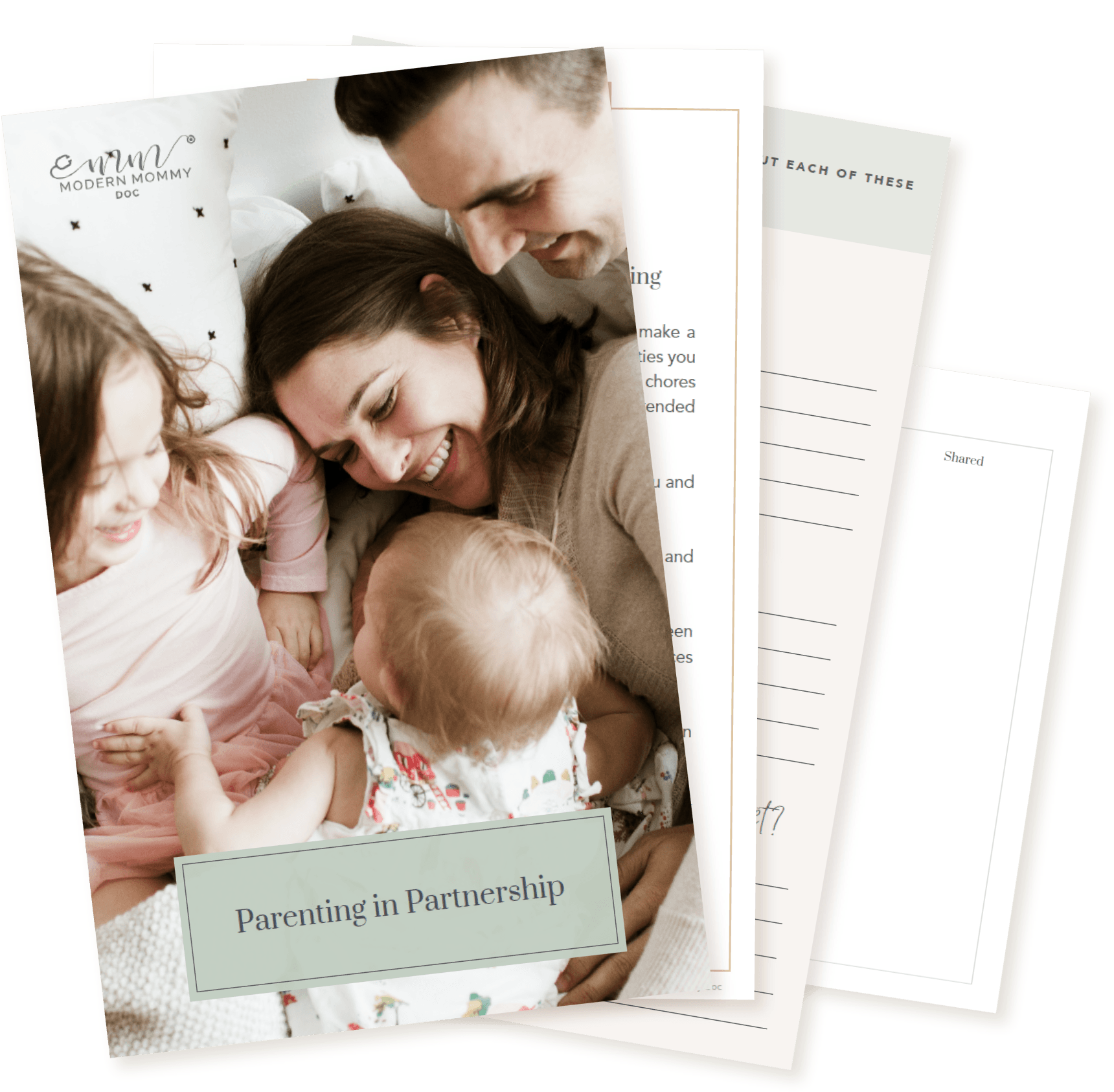


Check Out Our Parenting in Partnership Program


Relationships are challenging outside of a pandemic, so give yourself a break if you’re feeling the tensions rising extra high right now. You can also check out our on demand Parenting in Partnership Program, where you're sure to leave with a rekindled sense of joy for each other and for parenting. 


"Take a giant step back when your partner doesn’t parent or partner the way you do. We all have strengths and weaknesses. If it’s not major, mama, let it go."


—Dr. Whitney


Written by:

Jenn Sinrich
Jenn Sinrich is a freelance editor, writer and content strategist located in Boston, Massachusetts. She received her BA in journalism from Northeastern University and has a decade worth of experience working for a myriad of female-focused publications including SELF, Parents, Women's Health, BRIDES, Martha Stewart Weddings and more. When she's not putting pen to paper (or, really, fingers to keyboard), she's enjoying the most precious moments in life with her husband and daughter.


Jenn Sinrich is a freelance editor, writer and content strategist located in Boston, Massachusetts. She received her BA in journalism from Northeastern University and has a decade worth of experience working for a myriad of female-focused publications including SELF, Parents, Women's Health, BRIDES, Martha Stewart Weddings and more. When she's not putting pen to paper (or, really, fingers to keyboard), she's enjoying the most precious moments in life with her husband and daughter.


Raising Body-Confident Kids Starts at the Doctor's Office!

START NOW
By Modern Mommy Doc • October 9, 2026
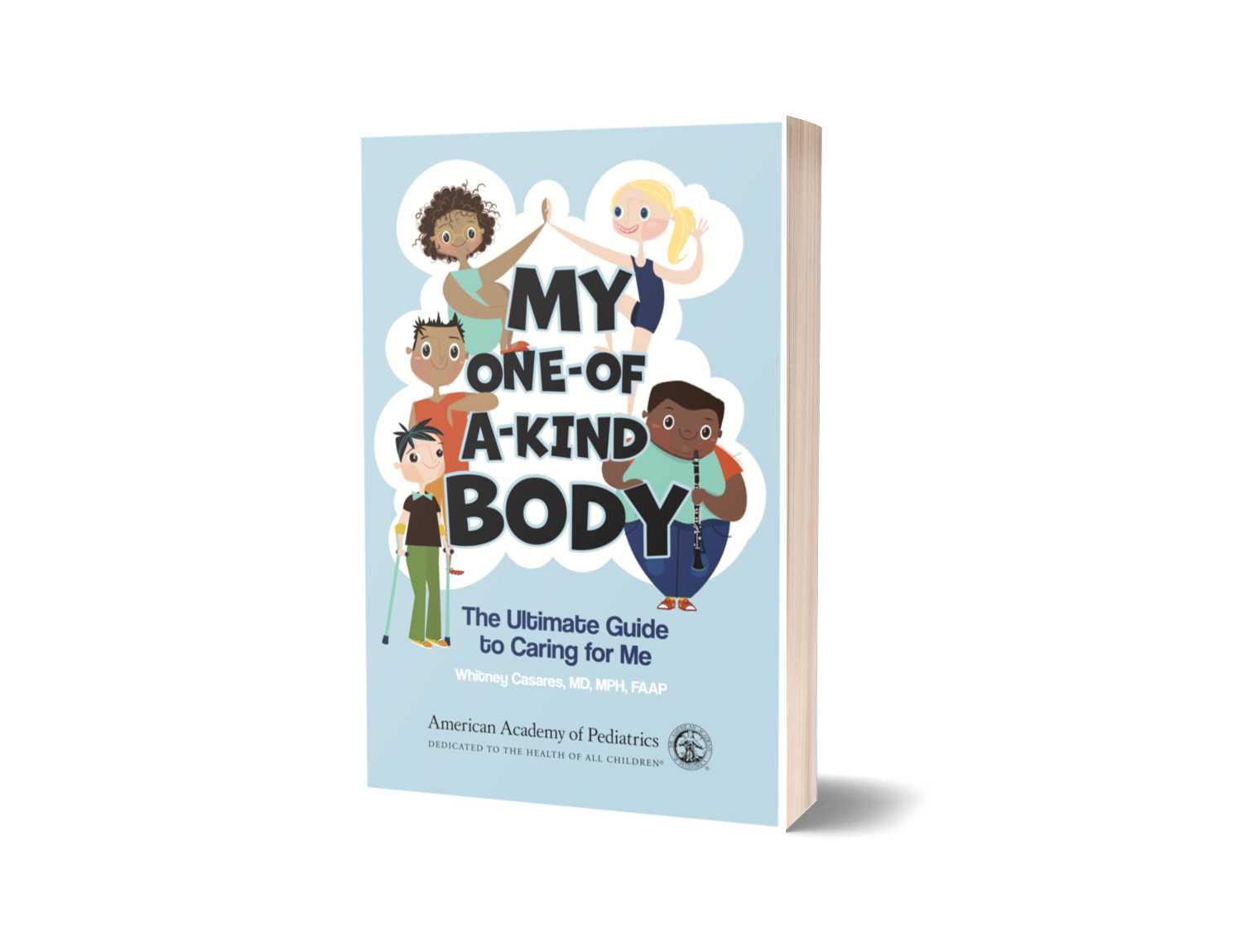
About the Episode: There’s so much parenting advice out there, and most of it doesn’t matter nearly as much as the internet wants you to think. (Seed oils? We have bigger fish to fry.) In this solo episode, Dr. Whitney gets back to basics and shares the six evidence-based parenting principles she focuses on as a pediatrician, the ones she dug into with a leading child development researcher. She also shares how these play out in real life as a mom of two neurodivergent kids, because guidance only helps if it actually fits your family. Key takeaways: Be sensitive and responsive. Simple practices like mirroring your child’s emotions and “serve and return” interactions build a loving, trusting foundation. Dr. Whitney shares how a Halloween decorating session turned into a deep conversation about religion once she slowed down and got curious. Meet kids where they are, especially at their worst. Drawing on Tina Payne Bryson, co-author of The Whole-Brain Child , Dr. Whitney explains that soothing a meltdown isn’t giving in. It’s letting your child know they’re not alone in a big feeling. Model self-regulation, and repair when you lose it. Self-regulation predicts academic success better than IQ. The goal isn’t staying calm all the time, it’s understanding why you got dysregulated, coming back to baseline, and offering yourself some self-compassion. Set limits for your kids and yourself. Every child’s needs are different (screen time affects Dr. Whitney’s two daughters very differently), but all kids need limits, and so do parents. Taking time for yourself models something healthy. Aim for authoritative, not permissive. High expectations paired with warmth and grace is the sweet spot. “Gentle parenting” can blur into permissiveness, which research shows is as harmful as authoritarian parenting. Protect unstructured time. Kids need boredom and free play to become self-directed. For ADHD and autistic kids, Dr. Whitney recommends offering a few options and letting kids choose. Support internal motivation. Using a “mirrors facing outward” image from her own therapist, Dr. Whitney explains why we want kids to trust their own instincts rather than constantly look outward for approval. Want to Start Raising Body-Confident Kids Today? 📘 Order the Books Raising Body-Confident Kids If you've ever caught yourself saying something to your kid about their body that sounded exactly like what your mother said to you, this book is for you. Raising Body-Confident Kids is a research-backed, judgment-free guide for parents who want to break the cycle of diet culture and body shame without swinging into toxic positivity or giving up all structure around food and movement. It answers the real questions parents are actually asking about Ozempic, about picky eaters, about what to say when your kid is being bullied for their body, and about social media influences. This is a practical, values-based game plan you can actually use, even if your own relationship with your body is still a work in progress. My One-of-a-Kind Body My One-of-a-Kind Body gives kids the language and understanding they need to care for their bodies with respect without fear, shame, or appearance-based messaging. Through inclusive illustrations and evidence-based health education, the book teaches body literacy, boundaries, and self-trust in a way kids can actually grasp. 👉 www.raisingbodyconfidentkids.com/books
By Modern Mommy Doc • October 5, 2026
What really matters when it comes to college admissions (for you and for them).
By Modern Mommy Doc • September 17, 2026
Kids going off to college are mean for a reason.
By Modern Mommy Doc • September 10, 2026
Maybe winning back to school isn't what we really want, after all.
By Modern Mommy Doc • August 27, 2026
First-class service has a lot to do with first-class parenting.

Welcome! Get the information you need to win at parenting without losing yourself.

LEARN MORE

My Kids' Book on Body Confidence


Trying to break the cycle of body shame and diet culture?


Overwhelmed by all the parenting advice out there?


SIGN UP FOR THE FREE STARTER KIT: UNBOTHERED. IT'S FREE. CLICK HERE


FRESH

ON THE PODCAST


By Modern Mommy Doc • October 9, 2026
About the Episode: There’s so much parenting advice out there, and most of it doesn’t matter nearly as much as the internet wants you to think. (Seed oils? We have bigger fish to fry.) In this solo episode, Dr. Whitney gets back to basics and shares the six evidence-based parenting principles she focuses on as a pediatrician, the ones she dug into with a leading child development researcher. She also shares how these play out in real life as a mom of two neurodivergent kids, because guidance only helps if it actually fits your family. Key takeaways: Be sensitive and responsive. Simple practices like mirroring your child’s emotions and “serve and return” interactions build a loving, trusting foundation. Dr. Whitney shares how a Halloween decorating session turned into a deep conversation about religion once she slowed down and got curious. Meet kids where they are, especially at their worst. Drawing on Tina Payne Bryson, co-author of The Whole-Brain Child , Dr. Whitney explains that soothing a meltdown isn’t giving in. It’s letting your child know they’re not alone in a big feeling. Model self-regulation, and repair when you lose it. Self-regulation predicts academic success better than IQ. The goal isn’t staying calm all the time, it’s understanding why you got dysregulated, coming back to baseline, and offering yourself some self-compassion. Set limits for your kids and yourself. Every child’s needs are different (screen time affects Dr. Whitney’s two daughters very differently), but all kids need limits, and so do parents. Taking time for yourself models something healthy. Aim for authoritative, not permissive. High expectations paired with warmth and grace is the sweet spot. “Gentle parenting” can blur into permissiveness, which research shows is as harmful as authoritarian parenting. Protect unstructured time. Kids need boredom and free play to become self-directed. For ADHD and autistic kids, Dr. Whitney recommends offering a few options and letting kids choose. Support internal motivation. Using a “mirrors facing outward” image from her own therapist, Dr. Whitney explains why we want kids to trust their own instincts rather than constantly look outward for approval. Want to Start Raising Body-Confident Kids Today? 📘 Order the Books Raising Body-Confident Kids If you've ever caught yourself saying something to your kid about their body that sounded exactly like what your mother said to you, this book is for you. Raising Body-Confident Kids is a research-backed, judgment-free guide for parents who want to break the cycle of diet culture and body shame without swinging into toxic positivity or giving up all structure around food and movement. It answers the real questions parents are actually asking about Ozempic, about picky eaters, about what to say when your kid is being bullied for their body, and about social media influences. This is a practical, values-based game plan you can actually use, even if your own relationship with your body is still a work in progress. My One-of-a-Kind Body My One-of-a-Kind Body gives kids the language and understanding they need to care for their bodies with respect without fear, shame, or appearance-based messaging. Through inclusive illustrations and evidence-based health education, the book teaches body literacy, boundaries, and self-trust in a way kids can actually grasp. 👉 www.raisingbodyconfidentkids.com/books
By Modern Mommy Doc • October 5, 2026
What really matters when it comes to college admissions (for you and for them).
By Modern Mommy Doc • September 17, 2026
Kids going off to college are mean for a reason.