MMD BLOG


CATEGORY:

Systemic Change

THANKS FOR THE COOKIES IN THE BREAK ROOM, BUT I'M STILL TIRED

 Modern Mommy Doc


PUBLICATION DATE:

March 21, 2024

THANKS FOR THE COOKIES IN THE BREAK ROOM, BUT I'M STILL TIRED

 Modern Mommy Doc

CATEGORY: Systemic Change

Picture with me this very common dinner time family scene: Chicken, cheesy potatoes, and steamed broccoli on everyone’s plates. Adults happily eating. One child trying everything on her plate because she’s a first born and “a pleasure to have in class.” 


The other child has finished all of their chicken and potatoes and refuses to eat even a bite of their vegetables. 


If you’ve been there before, you’ve probably seen the pattern that comes next: sweetly asking your little one to eat their dinner turns to “just 3 bites.” Which eventually leads to, “If you just lick the freaking broccoli, I’ll give you this 3 scoop sundae.”


Now, what’s the goal here? To get the kiddo to eat their broccoli because it’s good for them and you love them so much that you want them to love eating vegetables so they can grow up healthy and strong. 


What’s the problem getting in the way? That, to your kid, steamed broccoli tastes like mushy poop. Even though they’ve never tried it.


So, they lick the broccoli. You give them ice cream. Problem solved.


Except that the next time you serve it or another veggie, you’re gonna be pulling out that ice cream carton earlier and earlier.


Nothing was actually solved, except that your kiddo got to eat ice cream for dinner.


Wellness programs have a real problem.


That’s kinda how I feel about corporate wellness programs or the incentives they give their employees in an effort to show them they are cared for and supported. 


90% of employers offer some sort of assistance program to their employees. This could range from mental health assistance to health incentives (like a stipend towards a gym membership) or even bringing in speakers to talk about financial planning or work life balance. 


Even if it’s not a formal program, it could be in the form of hiring a massage therapist to come to the office for the day to give out free massages. Or bringing in catered lunches once a week to help offset individual costs.


All of those things are awesome.


However.


If once the ice cream is gone, broccoli is brought back to the table, somebody’s gonna end up crying.


I can speak from my experience as a pediatrician and from my conversations with fellow physician moms.


The research is clear about just how thin we've spread working moms.


Just look at the stats about burnout in my specific profession:


  • According to a 2019 JAMA study, 55 percent of female providers who were responsible for five or more day-to-day household and parenting tasks considered changing careers. This study also noted female providers were still responsible for the day-to-day household duties within their home, compared to their male colleagues who relied on those female partners to handle things.
  • A 2022 study lists the specific risk factors contributing to female physician burnout, including time constraints, increased household responsibilities compared to their male colleagues, and health necessities around childbearing, increased maternal age, and mental health.
  • A 2023 study  reported that in 2021, 56% of female providers reported they were burned out, compared to 41% in male physicians due to a lack of resources, less control over their schedules, more time spent with patients than male colleagues, imposter syndrome, gender bias, lower compensation, bias against mother physicians, and challenges in work-life integration.
  • In a 2017 AMA study, 90 percent of mother physicians felt discriminated against during pregnancy and through postpartum. Pumping time and space is a consistent stressor.


And mine isn't the only profession full of people who need more, real support from their workplaces.


Here's what would really help working moms like me:


  1. Paid parental leave for moms AND dads.
  2. Childcare stipends or, even better, on-site childcare for those who work in brick and mortar settings.
  3. Flexible work schedules and work environments
  4. Representation at the highest levels of leadership
  5. Wellness events centered around meeting all the needs the corporation faceshe conflicting needs of the bottom line, people-first culture, and customer.
  6. Education opportunities for caregivers of all kinds about boundary setting, true self-care, efficiency, and delegation.


The “perks” corporations have used for years and years aren’t doing anything to combat overwhelm and burn out. The workforce is different than it was in 1950, and that means the ways the workplace supports it have to be, too.


Getting a 15 minute massage doesn’t help a mom pick up her daughter from daycare at 4:30, when every department chair meeting is at 5:00 each week. A day out at a spring training game or a staff-wide mini golf tournament doesn’t change the fact that women are being overlooked for positions because they have family obligations.


There’s a lot that employers can and do implement to help support their employees that actually do help. But in the end, the system is broken.


Recently, I left my private practice at a brick and mortar physician office and this general idea contributed a lot to it. I love being a doctor. I love being a mom. And I actually really liked where I worked.


But telling us there’s donuts in the breakroom on Fridays doesn’t help me when my daughter who has autism is having a meltdown, so I’m running 30 minutes late to work. And it certainly doesn’t leave me feeling refreshed and energized to see my patients in the capacity they deserve.


The world deserves women in the workplace that are passionate about what they do, are prepared for what’s on their plate, and who are genuinely supported by their organizations.


Those things actually make the broccoli taste better.


P.S. If you want to find out more about what I'm up to now, you can catch me helping parents virtually at
Blueberry Pediatrics. Don’t worry, the “Doc” part of Modern Mommy Doc is definitely here to stay!


Raising Body-Confident Kids Starts at the Doctor's Office!

START NOW
By Dr. Whitney December 17, 2025
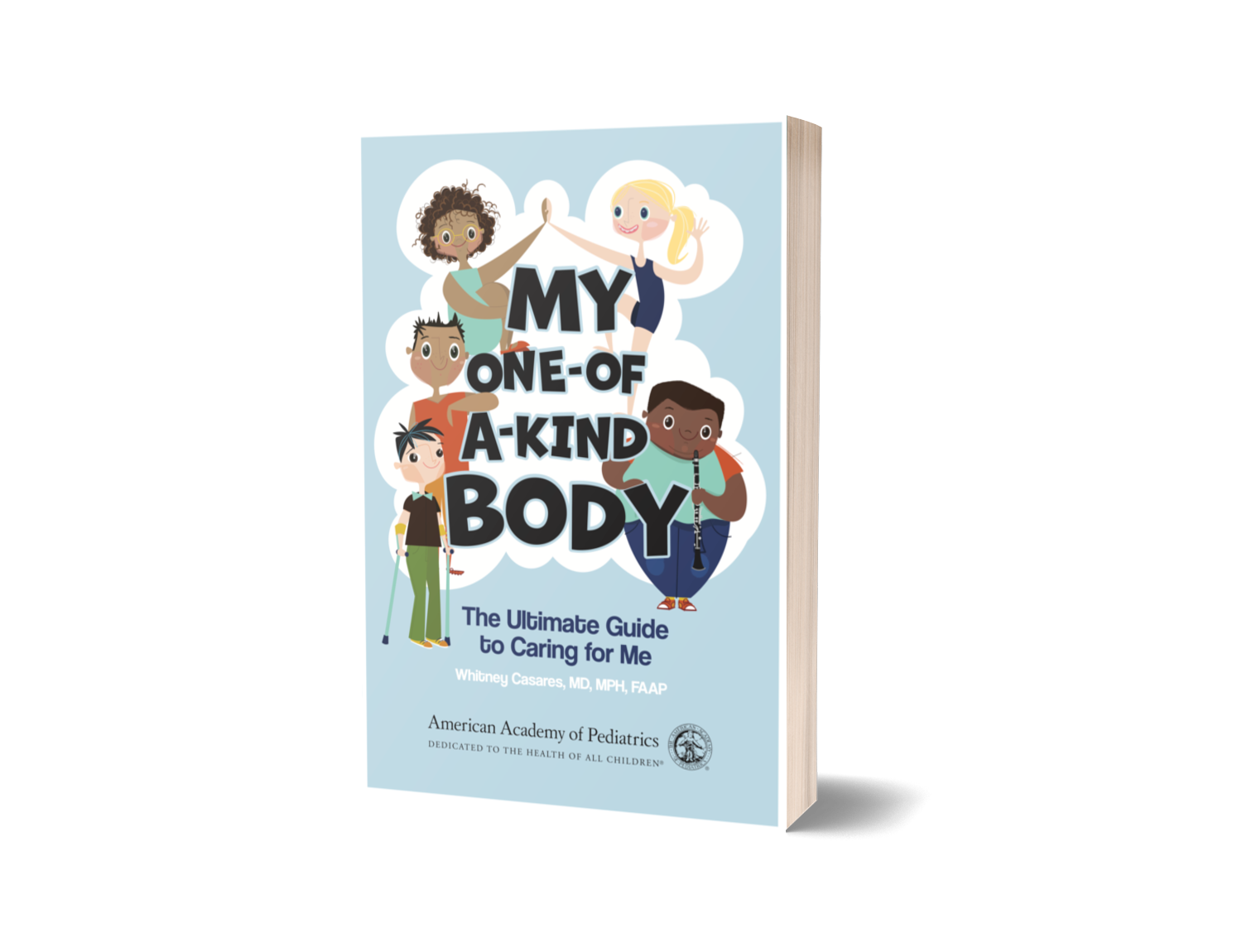
About the Episode: In this episode, Dr. Whitney sits down with Dr. Jay Gargus and Dave Justus from NeuroQure to discuss the power of early clarity when it comes to autism detection and why earlier intervention can fundamentally change outcomes for childre n and families. Dr. Gargus explains the science behind early behavioral therapies and why their impact goes far beyond short-term skill-building. Research shows that early, evidence-based interventions can lead to measurable, lifelong improvements in IQ, so cial skills, independence, and educational placement, often determining whether a child can thrive in mainstream education or requires ongoing specialized support. The conversation also tackles a critical and often overlooked issue: access. Dave Justus shares the personal motivation behind NeuroQure’s work and explains why the test is being launched at cost, with installment plans and employer subsidies, while the team works toward insurance coverage. The goal is to prevent families from losing precious years waiting for answers. Together, they emphasize a hopeful message for parents: families don’t need to wait for a future “silver bullet.” We already have therapies that work and getting kids connected to them earlier can change the course of a lifetime. In this episode, we discuss: Why early autism detection leads to lifelong changes—not just short-term gains What a 17-point IQ difference actually means for education, independence, and quality of life How early intervention can shift developmental trajectories as early as 6 months The science and validation behind current autism therapies Why NeuroQure is pricing testing at cost while pursuing insurance coverage How early clarity can reduce long-term strain on families, schools, and healthcare systems This episode is a powerful reminder that timing matters and that early access to answers can make an extraordinary difference for children and the families who love them. About Our Guest: Dr. Jay Gargus, MD, PhD is a physician-scientist and nationally recognized expert in neurodevelopmental disorders, with decades of experience researching the biological underpinnings of autism. His work has focused on translating well-established science into meaningful, real-world interventions that can improve lifelong outcomes for children. Dr. Gargus emphasizes that early, evidence-based therapies are already available—and that connecting families to them sooner can fundamentally change developmental trajectories. Dave Justus is a parent and the founder of NeuroQure, whose work is driven by personal experience navigating delayed autism diagnosis and intervention. Motivated by the belief that early clarity can spare families years of uncertainty, Dave is focused on expanding access to early testing through cost-based pricing and ongoing efforts to secure insurance coverage. His mission is simple but powerful: ensure families don’t have to wait for answers that could change everything. Want to Start Raising Body-Confident Kids Today? 📘 Order the Book Order your copy of My One-of-a-Kind Body 👉 www.raisingbodyconfidentkids.com/books 🎁 Claim Your Free Bonus When you order on our site, you’ll also get access to a FREE video mini-course with five bite-sized lessons for parents. In just 25 minutes, you’ll walk away with: Simple, script-style ways to respond when your kid says, “I hate my thighs” How to talk about health without weight talk What to do when your own inner critic shows up How to interrupt diet culture at home The first step to raising a body-confident kid, even if you didn’t grow up as one 📩 Subscribe to The Modern Mommy Doc Podcast for more episodes on parenting with confidence and clarity. Leave a review using the hashtag #ModernMommyDoc.
By Dr. Whitney November 13, 2025
Stop being so busy, and start being more present.
By Dr. Whitney November 5, 2025
Starting out right with solids doesn't have to be so scary.
By Dr. Whitney October 29, 2025
What if YOU are the one who needs to calm down first?

Welcome! Get the information you need to win at parenting without losing yourself.

LEARN MORE

My Kids' Book on Body Confidence is Finally Here!


Wish your partner would do more to lessen your mental load?


Want to make self-care a priority but not sure how to?


SIGN UP FOR SUSTAINABLE SELF-CARE. IT'S FREE. CLICK HERE


FRESH

ON THE PODCAST


By Dr. Whitney December 17, 2025
About the Episode: In this episode, Dr. Whitney sits down with Dr. Jay Gargus and Dave Justus from NeuroQure to discuss the power of early clarity when it comes to autism detection and why earlier intervention can fundamentally change outcomes for childre n and families. Dr. Gargus explains the science behind early behavioral therapies and why their impact goes far beyond short-term skill-building. Research shows that early, evidence-based interventions can lead to measurable, lifelong improvements in IQ, so cial skills, independence, and educational placement, often determining whether a child can thrive in mainstream education or requires ongoing specialized support. The conversation also tackles a critical and often overlooked issue: access. Dave Justus shares the personal motivation behind NeuroQure’s work and explains why the test is being launched at cost, with installment plans and employer subsidies, while the team works toward insurance coverage. The goal is to prevent families from losing precious years waiting for answers. Together, they emphasize a hopeful message for parents: families don’t need to wait for a future “silver bullet.” We already have therapies that work and getting kids connected to them earlier can change the course of a lifetime. In this episode, we discuss: Why early autism detection leads to lifelong changes—not just short-term gains What a 17-point IQ difference actually means for education, independence, and quality of life How early intervention can shift developmental trajectories as early as 6 months The science and validation behind current autism therapies Why NeuroQure is pricing testing at cost while pursuing insurance coverage How early clarity can reduce long-term strain on families, schools, and healthcare systems This episode is a powerful reminder that timing matters and that early access to answers can make an extraordinary difference for children and the families who love them. About Our Guest: Dr. Jay Gargus, MD, PhD is a physician-scientist and nationally recognized expert in neurodevelopmental disorders, with decades of experience researching the biological underpinnings of autism. His work has focused on translating well-established science into meaningful, real-world interventions that can improve lifelong outcomes for children. Dr. Gargus emphasizes that early, evidence-based therapies are already available—and that connecting families to them sooner can fundamentally change developmental trajectories. Dave Justus is a parent and the founder of NeuroQure, whose work is driven by personal experience navigating delayed autism diagnosis and intervention. Motivated by the belief that early clarity can spare families years of uncertainty, Dave is focused on expanding access to early testing through cost-based pricing and ongoing efforts to secure insurance coverage. His mission is simple but powerful: ensure families don’t have to wait for answers that could change everything. Want to Start Raising Body-Confident Kids Today? 📘 Order the Book Order your copy of My One-of-a-Kind Body 👉 www.raisingbodyconfidentkids.com/books 🎁 Claim Your Free Bonus When you order on our site, you’ll also get access to a FREE video mini-course with five bite-sized lessons for parents. In just 25 minutes, you’ll walk away with: Simple, script-style ways to respond when your kid says, “I hate my thighs” How to talk about health without weight talk What to do when your own inner critic shows up How to interrupt diet culture at home The first step to raising a body-confident kid, even if you didn’t grow up as one 📩 Subscribe to The Modern Mommy Doc Podcast for more episodes on parenting with confidence and clarity. Leave a review using the hashtag #ModernMommyDoc.
By Dr. Whitney November 13, 2025
Stop being so busy, and start being more present.