MMD BLOG


CATEGORY:

High-Needs Kids

THE ULTIMATE GUIDE TO TREATING YOUR CHILD'S ECZEMA SYMPTOMS

 Modern Mommy Doc


PUBLICATION DATE:

April 3, 2025

THE ULTIMATE GUIDE TO TREATING YOUR CHILD'S ECZEMA SYMPTOMS

 Modern Mommy Doc

CATEGORY: High-Needs Kids

If your baby or toddler has eczema, you know the struggle all too well. The dry, itchy, and irritated skin can make everything from playtime to bedtime a challenge. But don’t worry – you’re not alone, and more importantly, eczema is manageable with the right approach.


1. What Is Eczema?

Eczema, or atopic dermatitis, is a common condition in babies and toddlers. It causes dry, itchy, and inflamed patches of skin, often appearing on the face, arms, legs, and behind the knees. Eczema is believed to be a mix of genetic and environmental factors, with triggers like allergens, irritants, and even changes in the weather contributing to flare-ups.


While eczema can feel overwhelming, it’s generally manageable with a solid skincare routine. The goal? Keep your baby’s skin moisturized, avoid irritants, and treat flare-ups when they happen.


2. Building a Skincare Routine That Goes Beyond Gentle and Safe

A consistent and gentle skincare routine that restores the skin's delicate barrier is your best friend when it comes to eczema. Here’s how to set up a routine that keeps your little one’s skin happy and hydrated:


Choose Gentle, Fragrance-Free Products That Pack and Extra Punch

Fragrance-free is the way to go! Fragrances, even natural ones, can be triggers for eczema flare-ups. Look for products specifically formulated for sensitive skin that are free of harsh chemicals, artificial dyes, or synthetic fragrances. But Gentle and fragrance-free products aren't all alike. Ceramides and hyaluronic acid are key ingredients that help restore moisture and protect your baby’s delicate skin barrier. Look for products with these ingredients as you treat your little one.


Moisturize While Skin Is Damp

One of the most effective ways to lock in moisture is by applying a thick, rich moisturizer while your baby’s skin is still damp from a bath. After gently patting their skin with a soft towel, immediately apply the moisturizer. This helps prevent moisture from evaporating and keeps skin hydrated.


For spots that typically have flares, like the face, or areas of flexure, opt for heavier ointmentes that are rich in emollients and humectants. These will form a protective barrier to lock in moisture and calm irritated skin.


Bathing Tips

Bath time should be relaxing – but don’t overdo it. Avoid long, hot baths as they can strip the skin of natural oils, which could trigger a flare-up. Keep the bath short (5-10 minutes) and use lukewarm water. Choose a gentle, fragrance-free baby wash designed for sensitive skin to cleanse without drying out the skin.


After bath time, make sure to moisturize immediately to seal in moisture while your baby’s skin is still damp.


3. When to Use Hydrocortisone 1% for Minor Flare-Ups

For those occasional eczema flare-ups, ointments like CeraVe Healing Ointment* are a great option. If things don't improve with ointments alone, though, hydrocortisone 1% cream can be your go-to. It helps reduce inflammation and itching. Here’s how to use it:


  • Apply sparingly: Only use a thin layer on the areas of skin that are affected.


  • Use for short periods: Limit its use to 1-2 weeks to avoid thinning the skin.


  • When to use: If your baby’s eczema is red, inflamed, or unbearably itchy, hydrocortisone can help calm it down. If things don’t improve after 4-5 days, or seem to get worse, reach out to your pediatrician for further treatment.


4. Avoiding Common Triggers

Managing eczema is all about avoiding things that could make flare-ups worse. Here are some common triggers to watch out for:


  • Harsh chemicals and detergents: Always choose a gentle, fragrance-free detergent for your baby’s clothes and bedding.


  • Overheating: Dress your baby in lightweight, breathable clothing to prevent overheating, which can irritate the skin.


  • Allergens: Dust mites, pet dander, and pollen can make eczema worse. Regularly clean and vacuum your home to reduce allergens in your baby’s environment.


5. When to Seek Medical Advice

While many eczema flare-ups can be handled at home, there are times when you should consult a doctor. If your baby’s eczema:


  • Doesn’t improve despite consistent care


  • Becomes infected (signs include redness, swelling, or pus), OR


  • Spreads rapidly or worsens over time


it’s time to reach out to your pediatrician or dermatologist. They may recommend stronger treatments or even prescription medications.


6. Why a Good Skincare Routine Matters

Preventing flare-ups is the name of the game. By sticking to a gentle skincare routine, using fragrance-free products, and moisturizing regularly, you can help keep your baby’s skin healthy and comfortable. The right approach can make a world of difference in preventing dryness and irritation.


Final Thoughts

Dealing with eczema can be tough, but with the right tools, you can help your little one feel comfortable again. Choosing gentle, fragrance-free skincare products and focusing on hydration is key. With a little extra care, your baby’s skin can stay soft, healthy, and eczema-free. By following these simple steps, you can manage your baby’s eczema more effectively and help keep their skin soft, smooth, and irritation-free. It’s all about finding what works for your little one—and knowing when to ask for help.


**Disclaimer: I act as a paid pediatric medical advisor and Spokesperson for CeraVe.

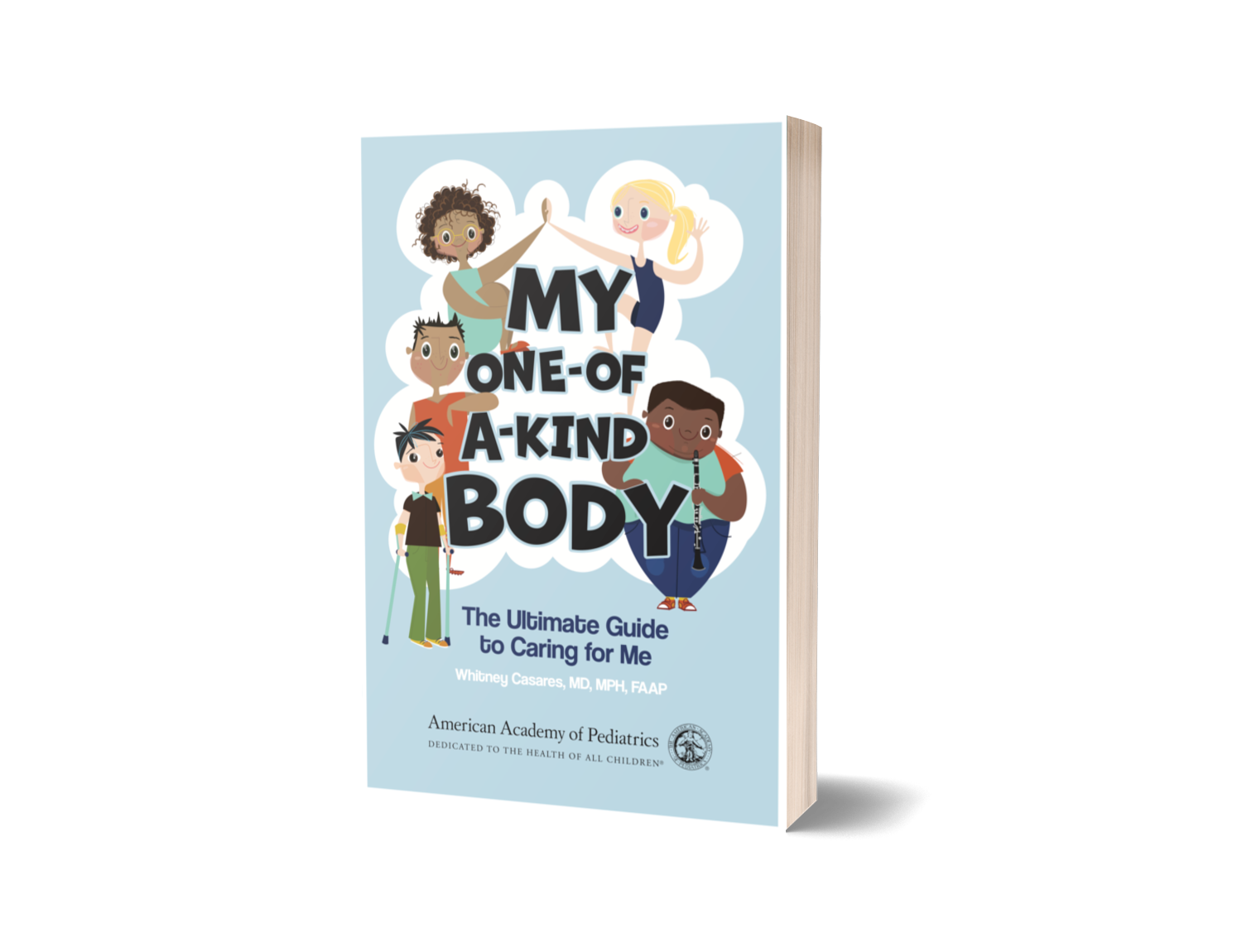
Raising Body-Confident Kids Starts at the Doctor's Office!

START NOW
By Dr. Whitney December 17, 2025
About the Episode: In this episode, Dr. Whitney sits down with Dr. Jay Gargus and Dave Justus from NeuroQure to discuss the power of early clarity when it comes to autism detection and why earlier intervention can fundamentally change outcomes for childre n and families. Dr. Gargus explains the science behind early behavioral therapies and why their impact goes far beyond short-term skill-building. Research shows that early, evidence-based interventions can lead to measurable, lifelong improvements in IQ, so cial skills, independence, and educational placement, often determining whether a child can thrive in mainstream education or requires ongoing specialized support. The conversation also tackles a critical and often overlooked issue: access. Dave Justus shares the personal motivation behind NeuroQure’s work and explains why the test is being launched at cost, with installment plans and employer subsidies, while the team works toward insurance coverage. The goal is to prevent families from losing precious years waiting for answers. Together, they emphasize a hopeful message for parents: families don’t need to wait for a future “silver bullet.” We already have therapies that work and getting kids connected to them earlier can change the course of a lifetime. In this episode, we discuss: Why early autism detection leads to lifelong changes—not just short-term gains What a 17-point IQ difference actually means for education, independence, and quality of life How early intervention can shift developmental trajectories as early as 6 months The science and validation behind current autism therapies Why NeuroQure is pricing testing at cost while pursuing insurance coverage How early clarity can reduce long-term strain on families, schools, and healthcare systems This episode is a powerful reminder that timing matters and that early access to answers can make an extraordinary difference for children and the families who love them. About Our Guest: Dr. Jay Gargus, MD, PhD is a physician-scientist and nationally recognized expert in neurodevelopmental disorders, with decades of experience researching the biological underpinnings of autism. His work has focused on translating well-established science into meaningful, real-world interventions that can improve lifelong outcomes for children. Dr. Gargus emphasizes that early, evidence-based therapies are already available—and that connecting families to them sooner can fundamentally change developmental trajectories. Dave Justus is a parent and the founder of NeuroQure, whose work is driven by personal experience navigating delayed autism diagnosis and intervention. Motivated by the belief that early clarity can spare families years of uncertainty, Dave is focused on expanding access to early testing through cost-based pricing and ongoing efforts to secure insurance coverage. His mission is simple but powerful: ensure families don’t have to wait for answers that could change everything. Want to Start Raising Body-Confident Kids Today? 📘 Order the Book Order your copy of My One-of-a-Kind Body 👉 www.raisingbodyconfidentkids.com/books 🎁 Claim Your Free Bonus When you order on our site, you’ll also get access to a FREE video mini-course with five bite-sized lessons for parents. In just 25 minutes, you’ll walk away with: Simple, script-style ways to respond when your kid says, “I hate my thighs” How to talk about health without weight talk What to do when your own inner critic shows up How to interrupt diet culture at home The first step to raising a body-confident kid, even if you didn’t grow up as one 📩 Subscribe to The Modern Mommy Doc Podcast for more episodes on parenting with confidence and clarity. Leave a review using the hashtag #ModernMommyDoc.
By Dr. Whitney November 13, 2025
Stop being so busy, and start being more present.
By Dr. Whitney November 5, 2025
Starting out right with solids doesn't have to be so scary.
By Dr. Whitney October 29, 2025
What if YOU are the one who needs to calm down first?

Welcome! Get the information you need to win at parenting without losing yourself.

LEARN MORE

My Kids' Book on Body Confidence is Finally Here!


Wish your partner would do more to lessen your mental load?


Want to make self-care a priority but not sure how to?


SIGN UP FOR SUSTAINABLE SELF-CARE. IT'S FREE. CLICK HERE


FRESH

ON THE PODCAST


By Dr. Whitney December 17, 2025
About the Episode: In this episode, Dr. Whitney sits down with Dr. Jay Gargus and Dave Justus from NeuroQure to discuss the power of early clarity when it comes to autism detection and why earlier intervention can fundamentally change outcomes for childre n and families. Dr. Gargus explains the science behind early behavioral therapies and why their impact goes far beyond short-term skill-building. Research shows that early, evidence-based interventions can lead to measurable, lifelong improvements in IQ, so cial skills, independence, and educational placement, often determining whether a child can thrive in mainstream education or requires ongoing specialized support. The conversation also tackles a critical and often overlooked issue: access. Dave Justus shares the personal motivation behind NeuroQure’s work and explains why the test is being launched at cost, with installment plans and employer subsidies, while the team works toward insurance coverage. The goal is to prevent families from losing precious years waiting for answers. Together, they emphasize a hopeful message for parents: families don’t need to wait for a future “silver bullet.” We already have therapies that work and getting kids connected to them earlier can change the course of a lifetime. In this episode, we discuss: Why early autism detection leads to lifelong changes—not just short-term gains What a 17-point IQ difference actually means for education, independence, and quality of life How early intervention can shift developmental trajectories as early as 6 months The science and validation behind current autism therapies Why NeuroQure is pricing testing at cost while pursuing insurance coverage How early clarity can reduce long-term strain on families, schools, and healthcare systems This episode is a powerful reminder that timing matters and that early access to answers can make an extraordinary difference for children and the families who love them. About Our Guest: Dr. Jay Gargus, MD, PhD is a physician-scientist and nationally recognized expert in neurodevelopmental disorders, with decades of experience researching the biological underpinnings of autism. His work has focused on translating well-established science into meaningful, real-world interventions that can improve lifelong outcomes for children. Dr. Gargus emphasizes that early, evidence-based therapies are already available—and that connecting families to them sooner can fundamentally change developmental trajectories. Dave Justus is a parent and the founder of NeuroQure, whose work is driven by personal experience navigating delayed autism diagnosis and intervention. Motivated by the belief that early clarity can spare families years of uncertainty, Dave is focused on expanding access to early testing through cost-based pricing and ongoing efforts to secure insurance coverage. His mission is simple but powerful: ensure families don’t have to wait for answers that could change everything. Want to Start Raising Body-Confident Kids Today? 📘 Order the Book Order your copy of My One-of-a-Kind Body 👉 www.raisingbodyconfidentkids.com/books 🎁 Claim Your Free Bonus When you order on our site, you’ll also get access to a FREE video mini-course with five bite-sized lessons for parents. In just 25 minutes, you’ll walk away with: Simple, script-style ways to respond when your kid says, “I hate my thighs” How to talk about health without weight talk What to do when your own inner critic shows up How to interrupt diet culture at home The first step to raising a body-confident kid, even if you didn’t grow up as one 📩 Subscribe to The Modern Mommy Doc Podcast for more episodes on parenting with confidence and clarity. Leave a review using the hashtag #ModernMommyDoc.
By Dr. Whitney November 13, 2025
Stop being so busy, and start being more present.