MMD BLOG


CATEGORY:

New Moms

THE VILLAGE MOMS DESERVE—HOW NEW MOM SCHOOL IS TRANSFORMING POSTPARTUM SUPPORT

 Modern Mommy Doc


PUBLICATION DATE:

March 6, 2025

THE VILLAGE MOMS DESERVE—HOW NEW MOM SCHOOL IS TRANSFORMING POSTPARTUM SUPPORT

 Modern Mommy Doc

CATEGORY: New Moms

About the Episode:


Motherhood can feel deeply isolating, especially in those early postpartum months. But what if there were a structured, research-backed way to connect with other moms going through the exact same challenges—without the guesswork?


In this episode, Dr. Whitney Casares sits down with Alexandra Spitz, founder of New Mom School, to discuss the postpartum loneliness epidemic and why traditional support systems for new moms are failing. Alexandra shares how her organization is redefining postpartum care, providing in-person, research-based education that truly supports new moms in their fourth trimester and beyond.


If you've ever struggled to find a real mom community, or wondered why parenthood sometimes feels harder than it should, this episode is a must-listen.


What You’ll Learn in This Episode:


🔹 Why postpartum loneliness is a national crisis – and how lack of support impacts maternal mental health


🔹
The difference between New Mom School and traditional mommy-and-me groups (spoiler: structure and expert-led content matter!)


🔹
How early motherhood expectations often don’t match reality – and why that disconnect can be so tough


🔹
Why community is key to a mom’s well-being and how research supports the need for in-person connections


🔹
How New Mom School works: a structured, eight-week in-person program that connects moms based on their baby’s birthdate


🔹
The lasting impact of intentional postpartum support – how these groups create lifelong friendships, healthier moms, and ultimately healthier kids


🔹
Could this model expand to later stages of parenting? The need for structured support for moms of neurodiverse kids and beyond


Why This Conversation Matters:


A 2024 national survey by the Ohio State University Wexner Medical Center found that 66% of parents—particularly mothers—feel isolated and lonely due to the demands of parenthood. At the same time, rates of postpartum depression and anxiety are skyrocketing.


This episode dives into why our culture isn’t designed to support new moms, why self-care is about more than just showers and Target runs, and how creating real, intentional community can change everything.


About Our Guest:


Alexandra Spitz is the founder and owner of New Mom School, a nationwide franchise dedicated to providing research-backed, in-person support for new mothers. After struggling with loneliness in her own postpartum journey, she created a structured, expert-led program to fill the gap in traditional postpartum care.


New Mom School has helped over 10,000 moms since its inception, and the franchise is rapidly expanding to bring better postpartum support to communities across the country.


🌎   Website: www.newmomschool.com
📸
  Instagram: @newmomschool


Action Steps for Listeners:


💡 Are you a new mom or expecting? Check out New Mom School to see if there’s a location near you.


💡
Interested in bringing this program to your community? Learn how to open a New Mom School location.


💡
Struggling with loneliness as a mom? Find one small way to build your support system—whether it’s joining a local group, reaching out to a fellow mom, or advocating for better resources in your area.

📩
Subscribe to The Modern Mommy Doc Podcast for more episodes on parenting with confidence and clarity. Leave a review using the hashtag #ModernMommyDoc.

Raising Body-Confident Kids Starts at the Doctor's Office!

START NOW
By Modern Mommy Doc • October 9, 2026
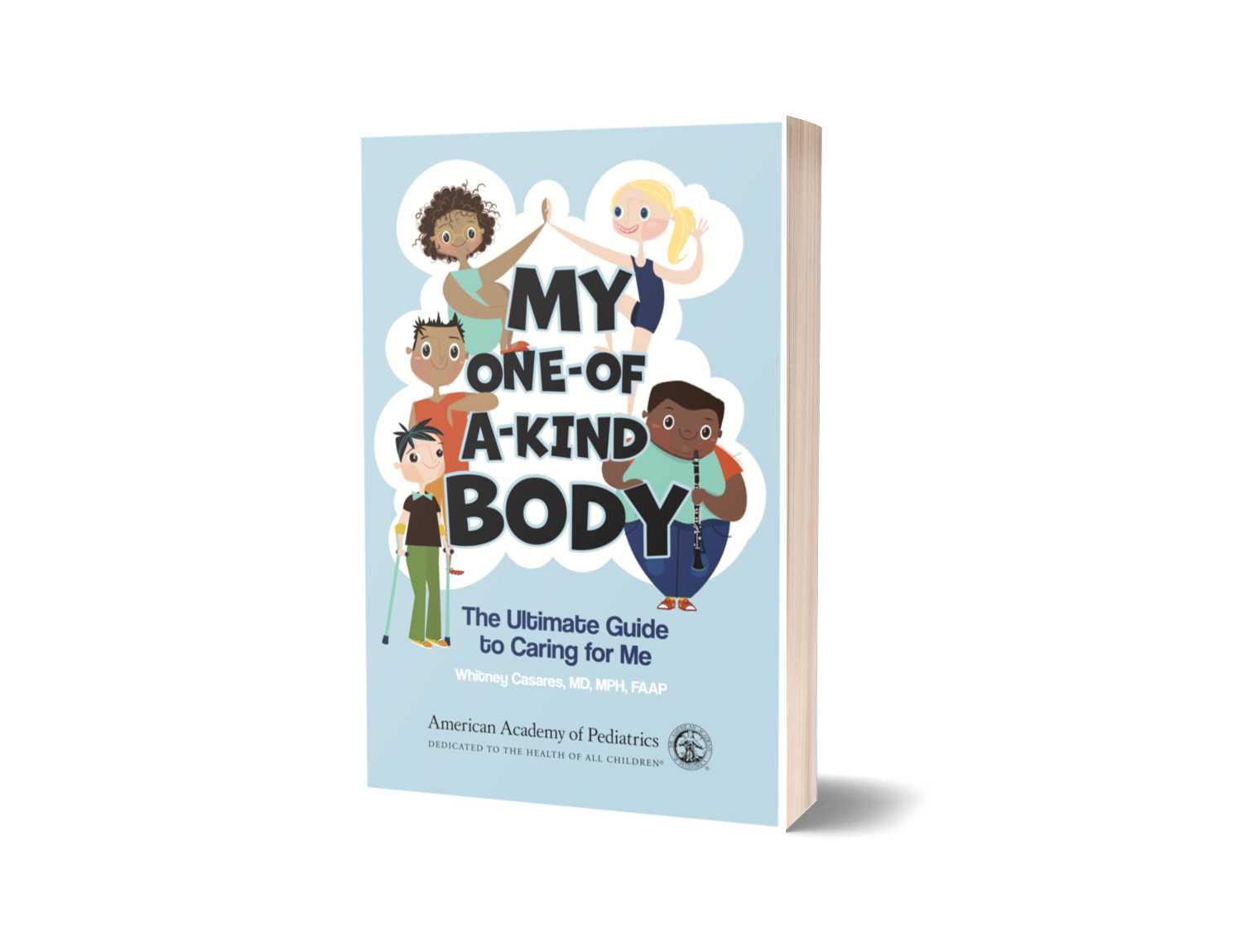
About the Episode: There’s so much parenting advice out there, and most of it doesn’t matter nearly as much as the internet wants you to think. (Seed oils? We have bigger fish to fry.) In this solo episode, Dr. Whitney gets back to basics and shares the six evidence-based parenting principles she focuses on as a pediatrician, the ones she dug into with a leading child development researcher. She also shares how these play out in real life as a mom of two neurodivergent kids, because guidance only helps if it actually fits your family. Key takeaways: Be sensitive and responsive. Simple practices like mirroring your child’s emotions and “serve and return” interactions build a loving, trusting foundation. Dr. Whitney shares how a Halloween decorating session turned into a deep conversation about religion once she slowed down and got curious. Meet kids where they are, especially at their worst. Drawing on Tina Payne Bryson, co-author of The Whole-Brain Child , Dr. Whitney explains that soothing a meltdown isn’t giving in. It’s letting your child know they’re not alone in a big feeling. Model self-regulation, and repair when you lose it. Self-regulation predicts academic success better than IQ. The goal isn’t staying calm all the time, it’s understanding why you got dysregulated, coming back to baseline, and offering yourself some self-compassion. Set limits for your kids and yourself. Every child’s needs are different (screen time affects Dr. Whitney’s two daughters very differently), but all kids need limits, and so do parents. Taking time for yourself models something healthy. Aim for authoritative, not permissive. High expectations paired with warmth and grace is the sweet spot. “Gentle parenting” can blur into permissiveness, which research shows is as harmful as authoritarian parenting. Protect unstructured time. Kids need boredom and free play to become self-directed. For ADHD and autistic kids, Dr. Whitney recommends offering a few options and letting kids choose. Support internal motivation. Using a “mirrors facing outward” image from her own therapist, Dr. Whitney explains why we want kids to trust their own instincts rather than constantly look outward for approval. Want to Start Raising Body-Confident Kids Today? 📘 Order the Books Raising Body-Confident Kids If you've ever caught yourself saying something to your kid about their body that sounded exactly like what your mother said to you, this book is for you. Raising Body-Confident Kids is a research-backed, judgment-free guide for parents who want to break the cycle of diet culture and body shame without swinging into toxic positivity or giving up all structure around food and movement. It answers the real questions parents are actually asking about Ozempic, about picky eaters, about what to say when your kid is being bullied for their body, and about social media influences. This is a practical, values-based game plan you can actually use, even if your own relationship with your body is still a work in progress. My One-of-a-Kind Body My One-of-a-Kind Body gives kids the language and understanding they need to care for their bodies with respect without fear, shame, or appearance-based messaging. Through inclusive illustrations and evidence-based health education, the book teaches body literacy, boundaries, and self-trust in a way kids can actually grasp. 👉 www.raisingbodyconfidentkids.com/books
By Modern Mommy Doc • October 5, 2026
What really matters when it comes to college admissions (for you and for them).
By Modern Mommy Doc • September 17, 2026
Kids going off to college are mean for a reason.
By Modern Mommy Doc • September 10, 2026
Maybe winning back to school isn't what we really want, after all.
By Modern Mommy Doc • August 27, 2026
First-class service has a lot to do with first-class parenting.

Welcome! Get the information you need to win at parenting without losing yourself.

LEARN MORE

My Kids' Book on Body Confidence


Trying to break the cycle of body shame and diet culture?


Overwhelmed by all the parenting advice out there?


SIGN UP FOR THE FREE STARTER KIT: UNBOTHERED. IT'S FREE. CLICK HERE


FRESH

ON THE PODCAST


By Modern Mommy Doc • October 9, 2026
About the Episode: There’s so much parenting advice out there, and most of it doesn’t matter nearly as much as the internet wants you to think. (Seed oils? We have bigger fish to fry.) In this solo episode, Dr. Whitney gets back to basics and shares the six evidence-based parenting principles she focuses on as a pediatrician, the ones she dug into with a leading child development researcher. She also shares how these play out in real life as a mom of two neurodivergent kids, because guidance only helps if it actually fits your family. Key takeaways: Be sensitive and responsive. Simple practices like mirroring your child’s emotions and “serve and return” interactions build a loving, trusting foundation. Dr. Whitney shares how a Halloween decorating session turned into a deep conversation about religion once she slowed down and got curious. Meet kids where they are, especially at their worst. Drawing on Tina Payne Bryson, co-author of The Whole-Brain Child , Dr. Whitney explains that soothing a meltdown isn’t giving in. It’s letting your child know they’re not alone in a big feeling. Model self-regulation, and repair when you lose it. Self-regulation predicts academic success better than IQ. The goal isn’t staying calm all the time, it’s understanding why you got dysregulated, coming back to baseline, and offering yourself some self-compassion. Set limits for your kids and yourself. Every child’s needs are different (screen time affects Dr. Whitney’s two daughters very differently), but all kids need limits, and so do parents. Taking time for yourself models something healthy. Aim for authoritative, not permissive. High expectations paired with warmth and grace is the sweet spot. “Gentle parenting” can blur into permissiveness, which research shows is as harmful as authoritarian parenting. Protect unstructured time. Kids need boredom and free play to become self-directed. For ADHD and autistic kids, Dr. Whitney recommends offering a few options and letting kids choose. Support internal motivation. Using a “mirrors facing outward” image from her own therapist, Dr. Whitney explains why we want kids to trust their own instincts rather than constantly look outward for approval. Want to Start Raising Body-Confident Kids Today? 📘 Order the Books Raising Body-Confident Kids If you've ever caught yourself saying something to your kid about their body that sounded exactly like what your mother said to you, this book is for you. Raising Body-Confident Kids is a research-backed, judgment-free guide for parents who want to break the cycle of diet culture and body shame without swinging into toxic positivity or giving up all structure around food and movement. It answers the real questions parents are actually asking about Ozempic, about picky eaters, about what to say when your kid is being bullied for their body, and about social media influences. This is a practical, values-based game plan you can actually use, even if your own relationship with your body is still a work in progress. My One-of-a-Kind Body My One-of-a-Kind Body gives kids the language and understanding they need to care for their bodies with respect without fear, shame, or appearance-based messaging. Through inclusive illustrations and evidence-based health education, the book teaches body literacy, boundaries, and self-trust in a way kids can actually grasp. 👉 www.raisingbodyconfidentkids.com/books
By Modern Mommy Doc • October 5, 2026
What really matters when it comes to college admissions (for you and for them).
By Modern Mommy Doc • September 17, 2026
Kids going off to college are mean for a reason.