MMD BLOG


CATEGORY:

Your Working Mom Life

WHY TODAY'S KIDS (AND PARENTS!) ARE MORE ANXIOUS THAN EVER...AND HOW TO FIX IT

 Modern Mommy Doc


PUBLICATION DATE:

February 6, 2025

WHY TODAY'S KIDS (AND PARENTS!) ARE MORE ANXIOUS THAN EVER...AND HOW TO FIX IT

 Modern Mommy Doc

CATEGORY: Your Working Mom Life

About the Episode:


In this episode of The Modern Mommy Doc Podcast, Dr. Whitney Casares dives into the growing epidemic of anxiety in both parents and children. Why are we all so anxious? And more importantly—what can we do about it? She explores the major cultural and technological shifts that have contributed to rising anxiety levels, from social media and smartphone addiction to the decline of unstructured play and increased parental overprotection. Dr. Whitney also shares practical strategies for reducing anxiety in your family—including setting screen time limits, fostering independence, and advocating for policy changes. If you've ever felt overwhelmed by parenting in the digital age, this episode is for you.


Key Discussion Points:


1. Smartphones & Social Media Are Fueling Anxiety


  • The rise of social media has increased comparison, information overload, and constant stimulation, making parents and kids more anxious.


  • Sleep deprivation due to screen time can exacerbate anxiety in both children and adults.


  • The “attention economy” (constant notifications, infinite scrolling) makes it hard to focus, creating a sense of never feeling truly settled.


2. Kids Have Less Unstructured Play—And It’s Hurting Them


  • Free, unstructured play helps kids build resilience and problem-solving skills, but today’s kids have fewer opportunities for it.


  • A culture of over-scheduling and screen reliance means children are less able to handle boredom and self-regulate.


  • Play is how kids learn to cope with adversity—without it, they struggle more with frustration and independence.


3. Helicopter Parenting & Overprotection Are Making It Worse


  • GPS tracking, constant check-ins, and over-monitoring can undermine kids’ ability to take risks and build confidence.


  • While safety is important, finding a balance between protection and independence is crucial for kids’ mental health.


  • Kids need opportunities to explore, make mistakes, and navigate challenges on their own to develop self-trust.


Practical Steps to Reduce Anxiety in Your Family:


Limit Screen Time: Implement screen-free days (e.g., no screens Monday-Thursday, controlled screen time on weekends).


Choose Phones Wisely: Delay smartphone use as long as possible; consider Gabb phones or other limited devices instead of full-access smartphones.


Encourage Free Play: Give kids boredom-friendly environments where they can create, explore, and problem-solve independently.


Advocate for Policy Changes: Support local initiatives that limit smartphone use in schools and promote digital wellness.


Set Boundaries for Your Own Screen Use: Model healthy habits by limiting your own social media time and choosing trusted, evidence-based parenting resources.


Resources & References:


📖 The Anxious Generation by Jonathan Haidt – A must-read on the link between childhood rewiring and rising mental health issues.


📚 The Working Mom Blueprint by Dr. Whitney Casares – Strategies for setting boundaries, managing stress, and parenting with confidence.


📱
Gabb Wireless – A great alternative to smartphones for kids who need basic communication but no social media.


Join the Conversation:


💬 What strategies have worked in your home to manage screen time and reduce anxiety? Share your experiences with us!


📩
Subscribe to The Modern Mommy Doc Podcast for more episodes on parenting with confidence and clarity.


Subscribe, share, and leave a review using the hashtag #ModernMommyDoc.

Raising Body-Confident Kids Starts at the Doctor's Office!

START NOW
By Dr. Whitney December 17, 2025
About the Episode: In this episode, Dr. Whitney sits down with Dr. Jay Gargus and Dave Justus from NeuroQure to discuss the power of early clarity when it comes to autism detection and why earlier intervention can fundamentally change outcomes for childre n and families. Dr. Gargus explains the science behind early behavioral therapies and why their impact goes far beyond short-term skill-building. Research shows that early, evidence-based interventions can lead to measurable, lifelong improvements in IQ, so cial skills, independence, and educational placement, often determining whether a child can thrive in mainstream education or requires ongoing specialized support. The conversation also tackles a critical and often overlooked issue: access. Dave Justus shares the personal motivation behind NeuroQure’s work and explains why the test is being launched at cost, with installment plans and employer subsidies, while the team works toward insurance coverage. The goal is to prevent families from losing precious years waiting for answers. Together, they emphasize a hopeful message for parents: families don’t need to wait for a future “silver bullet.” We already have therapies that work and getting kids connected to them earlier can change the course of a lifetime. In this episode, we discuss: Why early autism detection leads to lifelong changes—not just short-term gains What a 17-point IQ difference actually means for education, independence, and quality of life How early intervention can shift developmental trajectories as early as 6 months The science and validation behind current autism therapies Why NeuroQure is pricing testing at cost while pursuing insurance coverage How early clarity can reduce long-term strain on families, schools, and healthcare systems This episode is a powerful reminder that timing matters and that early access to answers can make an extraordinary difference for children and the families who love them. About Our Guest: Dr. Jay Gargus, MD, PhD is a physician-scientist and nationally recognized expert in neurodevelopmental disorders, with decades of experience researching the biological underpinnings of autism. His work has focused on translating well-established science into meaningful, real-world interventions that can improve lifelong outcomes for children. Dr. Gargus emphasizes that early, evidence-based therapies are already available—and that connecting families to them sooner can fundamentally change developmental trajectories. Dave Justus is a parent and the founder of NeuroQure, whose work is driven by personal experience navigating delayed autism diagnosis and intervention. Motivated by the belief that early clarity can spare families years of uncertainty, Dave is focused on expanding access to early testing through cost-based pricing and ongoing efforts to secure insurance coverage. His mission is simple but powerful: ensure families don’t have to wait for answers that could change everything. Want to Start Raising Body-Confident Kids Today? 📘 Order the Book Order your copy of My One-of-a-Kind Body 👉 www.raisingbodyconfidentkids.com/books 🎁 Claim Your Free Bonus When you order on our site, you’ll also get access to a FREE video mini-course with five bite-sized lessons for parents. In just 25 minutes, you’ll walk away with: Simple, script-style ways to respond when your kid says, “I hate my thighs” How to talk about health without weight talk What to do when your own inner critic shows up How to interrupt diet culture at home The first step to raising a body-confident kid, even if you didn’t grow up as one 📩 Subscribe to The Modern Mommy Doc Podcast for more episodes on parenting with confidence and clarity. Leave a review using the hashtag #ModernMommyDoc.

By Dr. Whitney November 13, 2025
Stop being so busy, and start being more present.
By Dr. Whitney November 5, 2025
Starting out right with solids doesn't have to be so scary.
By Dr. Whitney October 29, 2025
What if YOU are the one who needs to calm down first?

Welcome! Get the information you need to win at parenting without losing yourself.

LEARN MORE

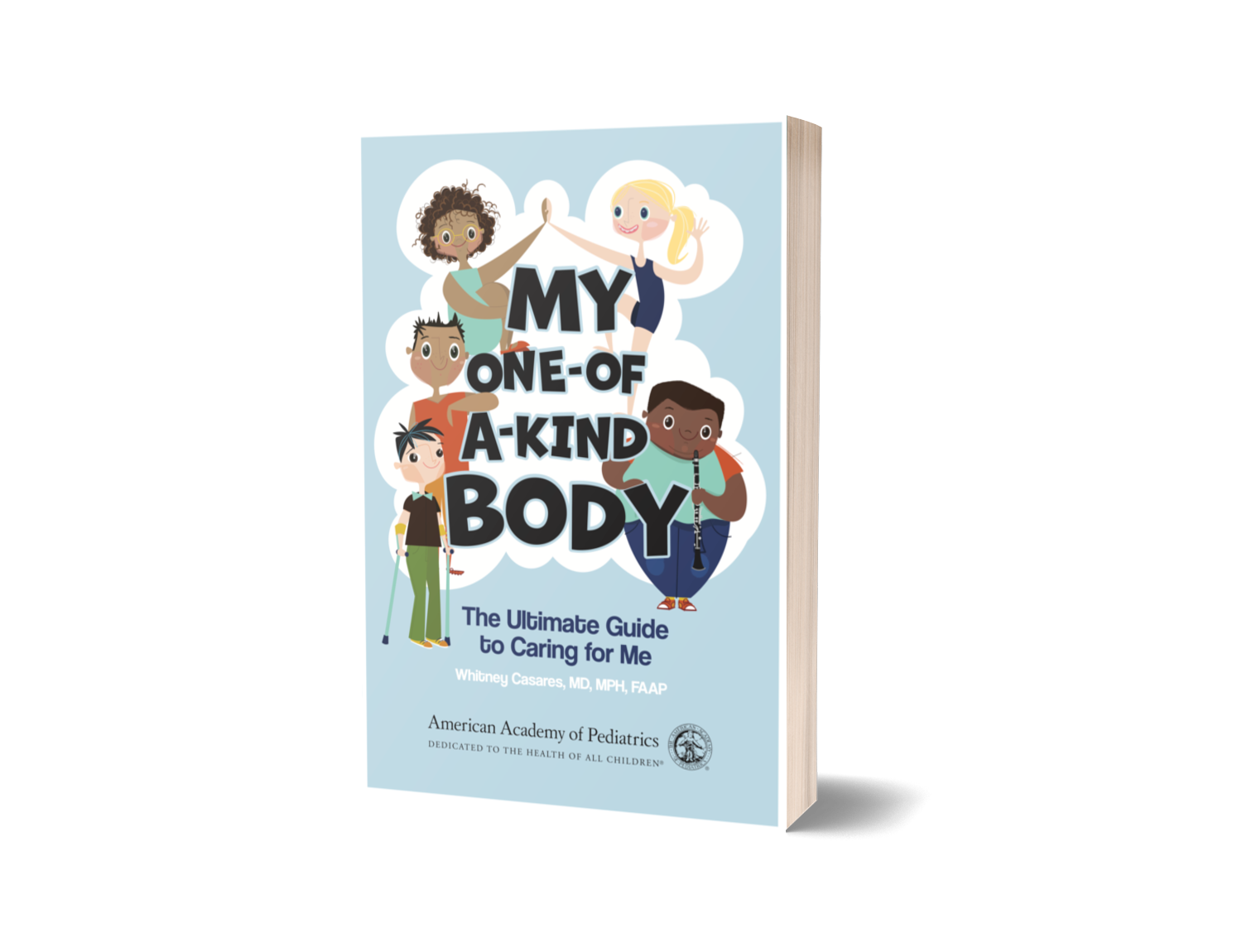
My Kids' Book on Body Confidence is Finally Here!


Wish your partner would do more to lessen your mental load?


Want to make self-care a priority but not sure how to?


SIGN UP FOR SUSTAINABLE SELF-CARE. IT'S FREE. CLICK HERE


FRESH

ON THE PODCAST


By Dr. Whitney December 17, 2025
About the Episode: In this episode, Dr. Whitney sits down with Dr. Jay Gargus and Dave Justus from NeuroQure to discuss the power of early clarity when it comes to autism detection and why earlier intervention can fundamentally change outcomes for childre n and families. Dr. Gargus explains the science behind early behavioral therapies and why their impact goes far beyond short-term skill-building. Research shows that early, evidence-based interventions can lead to measurable, lifelong improvements in IQ, so cial skills, independence, and educational placement, often determining whether a child can thrive in mainstream education or requires ongoing specialized support. The conversation also tackles a critical and often overlooked issue: access. Dave Justus shares the personal motivation behind NeuroQure’s work and explains why the test is being launched at cost, with installment plans and employer subsidies, while the team works toward insurance coverage. The goal is to prevent families from losing precious years waiting for answers. Together, they emphasize a hopeful message for parents: families don’t need to wait for a future “silver bullet.” We already have therapies that work and getting kids connected to them earlier can change the course of a lifetime. In this episode, we discuss: Why early autism detection leads to lifelong changes—not just short-term gains What a 17-point IQ difference actually means for education, independence, and quality of life How early intervention can shift developmental trajectories as early as 6 months The science and validation behind current autism therapies Why NeuroQure is pricing testing at cost while pursuing insurance coverage How early clarity can reduce long-term strain on families, schools, and healthcare systems This episode is a powerful reminder that timing matters and that early access to answers can make an extraordinary difference for children and the families who love them. About Our Guest: Dr. Jay Gargus, MD, PhD is a physician-scientist and nationally recognized expert in neurodevelopmental disorders, with decades of experience researching the biological underpinnings of autism. His work has focused on translating well-established science into meaningful, real-world interventions that can improve lifelong outcomes for children. Dr. Gargus emphasizes that early, evidence-based therapies are already available—and that connecting families to them sooner can fundamentally change developmental trajectories. Dave Justus is a parent and the founder of NeuroQure, whose work is driven by personal experience navigating delayed autism diagnosis and intervention. Motivated by the belief that early clarity can spare families years of uncertainty, Dave is focused on expanding access to early testing through cost-based pricing and ongoing efforts to secure insurance coverage. His mission is simple but powerful: ensure families don’t have to wait for answers that could change everything. Want to Start Raising Body-Confident Kids Today? 📘 Order the Book Order your copy of My One-of-a-Kind Body 👉 www.raisingbodyconfidentkids.com/books 🎁 Claim Your Free Bonus When you order on our site, you’ll also get access to a FREE video mini-course with five bite-sized lessons for parents. In just 25 minutes, you’ll walk away with: Simple, script-style ways to respond when your kid says, “I hate my thighs” How to talk about health without weight talk What to do when your own inner critic shows up How to interrupt diet culture at home The first step to raising a body-confident kid, even if you didn’t grow up as one 📩 Subscribe to The Modern Mommy Doc Podcast for more episodes on parenting with confidence and clarity. Leave a review using the hashtag #ModernMommyDoc.

By Dr. Whitney November 13, 2025
Stop being so busy, and start being more present.