MMD BLOG


CATEGORY:

Building YOUR Family

WHY YOU'RE OVERWHELMED AT HOME

 Modern Mommy Doc


PUBLICATION DATE:

August 17, 2023

WHY YOU'RE OVERWHELMED AT HOME

 Modern Mommy Doc

CATEGORY: Building YOUR Family

How do you feel when you first step into your house after work? It doesn’t matter if you had the best day or if it was crummy, what does the image of walking through your door bring up in you?


Or what about when you wake up on a Saturday morning and don’t have much to do outside the house? Does staying in your home make you feel excited? Do you love being in your space? Or do you feel anxiety start to creep in? Do you feel like there’s just SO much going on…even if it’s just an average day at home?


Feeling overwhelmed at home is so common for moms. It should be a place that brings us comfort and makes us feel safe. But instead, it feels like an overwhelming, never-ending to do list.


You can’t relax because you know that you’re already behind. You can’t just fill up your time with tasks around the house because then you’ll feel guilty for not spending enough time with your family.


But if you don’t do anything, you’ll have this voice shouting inside your head, that you can’t shut off, that tells you you aren’t good enough.


Why the hell do we feel like this in our own homes?


Do men feel like this when they’re at home? No man-bashing here, but I just don’t think they do.


I think we feel like this because there’s too many things screaming (almost literally) for our attention all at once when we’re at home. Too many things that “need” our hands on them to be taken care of.


The laundry. The dishes. Quality time with your kids. Quality time with your partner. Bills. Friendships. Homework. Toilets that need scrubbing. Floors that need vacuuming. Socks that need finding before you rush the kids to their practices on opposite ends of town at the same time.


Oh, and keeping it nice and tight. AND making sure you’re mentally healthy.


When all of these things “need” us, no wonder we feel overwhelmed. No wonder our home doesn’t feel like a safe haven, but instead feels like THE source of stress that keeps our cortisol levels waaaay higher than what’s good for us (for real though. It’s science.)


I’ve got two ways that can help you feel some peace in your home that you can do TODAY.


1) Not your momma’s decluttering. Actually, I have no idea what our mom’s decluttering was like, but I just want you to know this hack isn’t what you’ll typically hear from me or decluttering experts.


I am ALL FOR taking a systematic approach to getting your entire house decluttered. Less stuff really does equal less stress. I mean it. And if you’re in the tiny human years where your floors are covered with toys, I mean it times a billion.


But sometimes we need a quick win.


Choose one spot that you can tell makes you feel “triggered,” for lack of a better word. When you walk into a room and you can feel your blood pressure rise because you can see all of the kids' shoes shoved in a corner by the front door. Or the dishes that are piled all over the counter.


For me, it’s the mess of papers that get left all over the table at the front entryway. Kids school stuff, mail, random receipts, all get set there. It’s what you see when you first walk in and it immediately makes me feel angry and twitchy.


My quick win is taking all of those papers and putting them in a bag and then taking that bag and putting it on a shelf in the closet next to it. YES, that’s prolonging the problem. BUT it helps me walk in my house and feel more peaceful. 


When I have more time, I can go through that bag and sort out what really needs to be kept and filed. If something comes up where I needed one of those papers before I sorted it out, I know they’re in my closet.


It’s 100% kicking the can down the road, but when you’re feeling overwhelmed, you need that shot of dopamine that can really help reset you. Plus, when you see an area that looks organized and makes you feel better, it’s absolutely motivation to get to decluttering for real.


Bonus: if it’s something like the overwhelm of dishes or laundry, learn the magic of a closed door or throwing a towel over the sink until you can take care of it. Again, I’m not saying this is a forever solution. I’m just saying that sometimes you gotta work with what you’ve got.


2) Find THE thing that if it gets done in your day will make you feel like you’ve got your ish together. And hand it off. 


Literally find someone else to do it. Your kids, your partner, pay a college student on your street in home cooked meals (or pizza!) or delegate it out to a service.


What would make you feel like you’re winning at life? Not having to panic every morning about packing lunches? Teach your little ones to do it themselves (or do it with you if they’re really little) and make a week’s worth at a time.


Is it getting dinner on the table? Simplify, simplify, simplify. Find 7 EASY meals (or maybe 3-4!) that you can make on repeat and go to town. Cereal Saturdays? Done. Meatless Mondays where you just have to boil pasta and toss on some butter? Yes please.


Technically you didn’t hand that one off to another person, but if you’ve got a plan, then you’re handing the responsibility of remembering what you’re supposed to fix to the calendar on the wall. Boom.


You’re feeling overwhelmed at home, mama, because we, as a whole, have over complicated things. Kids are still gonna have tantrums. Pipes are still gonna burst. You’re still gonna feel crappy two days before your period.


But if we can take the things that we CAN control and get them as simple as we can, things will feel so much better at home.


Raising Body-Confident Kids Starts at the Doctor's Office!

START NOW
By Dr. Whitney December 17, 2025
About the Episode: In this episode, Dr. Whitney sits down with Dr. Jay Gargus and Dave Justus from NeuroQure to discuss the power of early clarity when it comes to autism detection and why earlier intervention can fundamentally change outcomes for childre n and families. Dr. Gargus explains the science behind early behavioral therapies and why their impact goes far beyond short-term skill-building. Research shows that early, evidence-based interventions can lead to measurable, lifelong improvements in IQ, so cial skills, independence, and educational placement, often determining whether a child can thrive in mainstream education or requires ongoing specialized support. The conversation also tackles a critical and often overlooked issue: access. Dave Justus shares the personal motivation behind NeuroQure’s work and explains why the test is being launched at cost, with installment plans and employer subsidies, while the team works toward insurance coverage. The goal is to prevent families from losing precious years waiting for answers. Together, they emphasize a hopeful message for parents: families don’t need to wait for a future “silver bullet.” We already have therapies that work and getting kids connected to them earlier can change the course of a lifetime. In this episode, we discuss: Why early autism detection leads to lifelong changes—not just short-term gains What a 17-point IQ difference actually means for education, independence, and quality of life How early intervention can shift developmental trajectories as early as 6 months The science and validation behind current autism therapies Why NeuroQure is pricing testing at cost while pursuing insurance coverage How early clarity can reduce long-term strain on families, schools, and healthcare systems This episode is a powerful reminder that timing matters and that early access to answers can make an extraordinary difference for children and the families who love them. About Our Guest: Dr. Jay Gargus, MD, PhD is a physician-scientist and nationally recognized expert in neurodevelopmental disorders, with decades of experience researching the biological underpinnings of autism. His work has focused on translating well-established science into meaningful, real-world interventions that can improve lifelong outcomes for children. Dr. Gargus emphasizes that early, evidence-based therapies are already available—and that connecting families to them sooner can fundamentally change developmental trajectories. Dave Justus is a parent and the founder of NeuroQure, whose work is driven by personal experience navigating delayed autism diagnosis and intervention. Motivated by the belief that early clarity can spare families years of uncertainty, Dave is focused on expanding access to early testing through cost-based pricing and ongoing efforts to secure insurance coverage. His mission is simple but powerful: ensure families don’t have to wait for answers that could change everything. Want to Start Raising Body-Confident Kids Today? 📘 Order the Book Order your copy of My One-of-a-Kind Body 👉 www.raisingbodyconfidentkids.com/books 🎁 Claim Your Free Bonus When you order on our site, you’ll also get access to a FREE video mini-course with five bite-sized lessons for parents. In just 25 minutes, you’ll walk away with: Simple, script-style ways to respond when your kid says, “I hate my thighs” How to talk about health without weight talk What to do when your own inner critic shows up How to interrupt diet culture at home The first step to raising a body-confident kid, even if you didn’t grow up as one 📩 Subscribe to The Modern Mommy Doc Podcast for more episodes on parenting with confidence and clarity. Leave a review using the hashtag #ModernMommyDoc.
By Dr. Whitney November 13, 2025
Stop being so busy, and start being more present.
By Dr. Whitney November 5, 2025
Starting out right with solids doesn't have to be so scary.
By Dr. Whitney October 29, 2025
What if YOU are the one who needs to calm down first?

Welcome! Get the information you need to win at parenting without losing yourself.

LEARN MORE

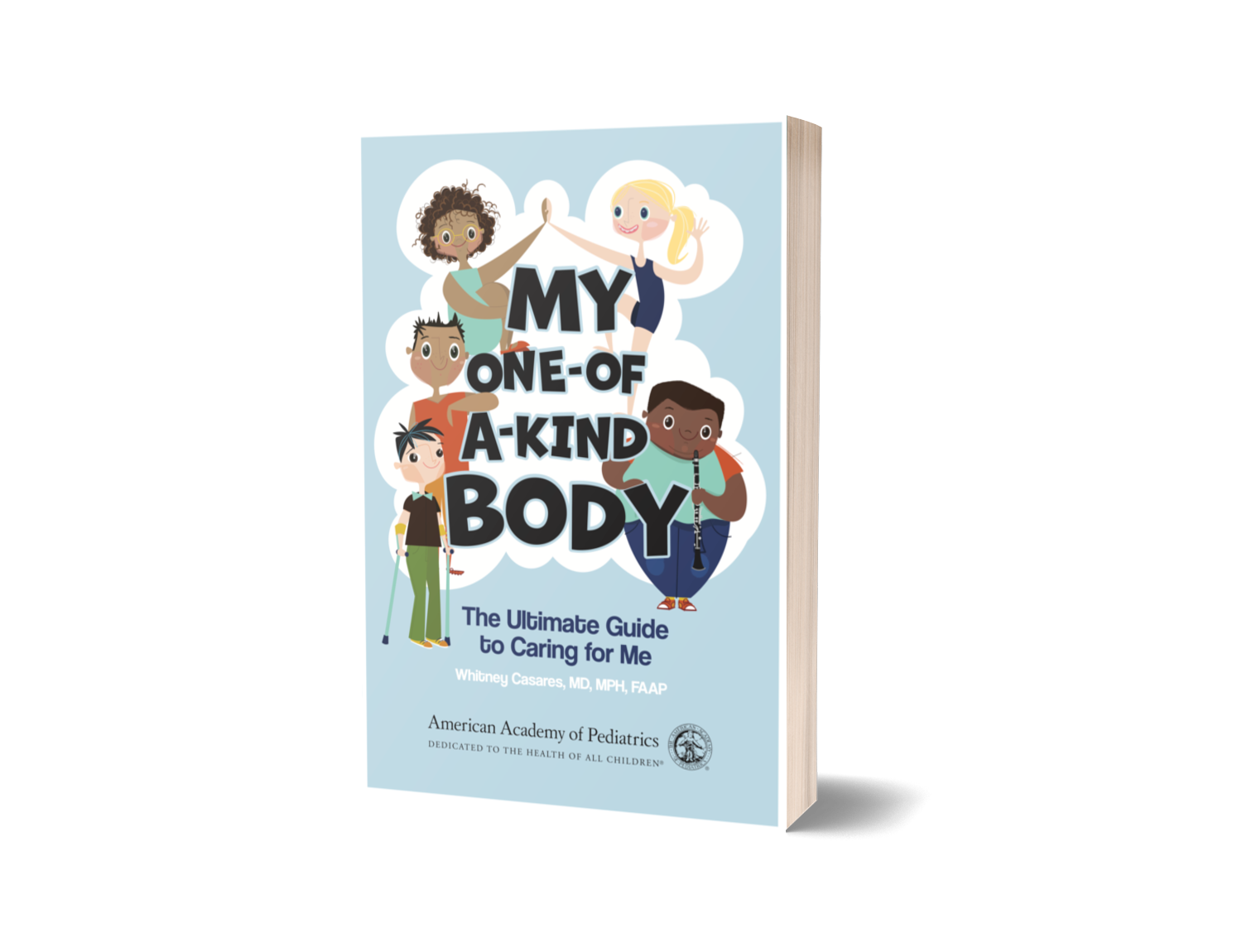
My Kids' Book on Body Confidence is Finally Here!


Wish your partner would do more to lessen your mental load?


Want to make self-care a priority but not sure how to?


SIGN UP FOR SUSTAINABLE SELF-CARE. IT'S FREE. CLICK HERE


FRESH

ON THE PODCAST


By Dr. Whitney December 17, 2025
About the Episode: In this episode, Dr. Whitney sits down with Dr. Jay Gargus and Dave Justus from NeuroQure to discuss the power of early clarity when it comes to autism detection and why earlier intervention can fundamentally change outcomes for childre n and families. Dr. Gargus explains the science behind early behavioral therapies and why their impact goes far beyond short-term skill-building. Research shows that early, evidence-based interventions can lead to measurable, lifelong improvements in IQ, so cial skills, independence, and educational placement, often determining whether a child can thrive in mainstream education or requires ongoing specialized support. The conversation also tackles a critical and often overlooked issue: access. Dave Justus shares the personal motivation behind NeuroQure’s work and explains why the test is being launched at cost, with installment plans and employer subsidies, while the team works toward insurance coverage. The goal is to prevent families from losing precious years waiting for answers. Together, they emphasize a hopeful message for parents: families don’t need to wait for a future “silver bullet.” We already have therapies that work and getting kids connected to them earlier can change the course of a lifetime. In this episode, we discuss: Why early autism detection leads to lifelong changes—not just short-term gains What a 17-point IQ difference actually means for education, independence, and quality of life How early intervention can shift developmental trajectories as early as 6 months The science and validation behind current autism therapies Why NeuroQure is pricing testing at cost while pursuing insurance coverage How early clarity can reduce long-term strain on families, schools, and healthcare systems This episode is a powerful reminder that timing matters and that early access to answers can make an extraordinary difference for children and the families who love them. About Our Guest: Dr. Jay Gargus, MD, PhD is a physician-scientist and nationally recognized expert in neurodevelopmental disorders, with decades of experience researching the biological underpinnings of autism. His work has focused on translating well-established science into meaningful, real-world interventions that can improve lifelong outcomes for children. Dr. Gargus emphasizes that early, evidence-based therapies are already available—and that connecting families to them sooner can fundamentally change developmental trajectories. Dave Justus is a parent and the founder of NeuroQure, whose work is driven by personal experience navigating delayed autism diagnosis and intervention. Motivated by the belief that early clarity can spare families years of uncertainty, Dave is focused on expanding access to early testing through cost-based pricing and ongoing efforts to secure insurance coverage. His mission is simple but powerful: ensure families don’t have to wait for answers that could change everything. Want to Start Raising Body-Confident Kids Today? 📘 Order the Book Order your copy of My One-of-a-Kind Body 👉 www.raisingbodyconfidentkids.com/books 🎁 Claim Your Free Bonus When you order on our site, you’ll also get access to a FREE video mini-course with five bite-sized lessons for parents. In just 25 minutes, you’ll walk away with: Simple, script-style ways to respond when your kid says, “I hate my thighs” How to talk about health without weight talk What to do when your own inner critic shows up How to interrupt diet culture at home The first step to raising a body-confident kid, even if you didn’t grow up as one 📩 Subscribe to The Modern Mommy Doc Podcast for more episodes on parenting with confidence and clarity. Leave a review using the hashtag #ModernMommyDoc.
By Dr. Whitney November 13, 2025
Stop being so busy, and start being more present.