MMD BLOG


CATEGORY:

VACATION + PANDEMIC PARENTING

5 TIPS FOR TAKING THAT POST-COVID FAMILY VACAY

 Modern Mommy Doc


PUBLICATION DATE:

June 14, 2021

5 TIPS FOR TAKING THAT POST-COVID FAMILY VACAY

 Modern Mommy Doc

CATEGORY: VACATION + PANDEMIC PARENTING

If you’re itching to take a vacation—with or without the kiddos (no-judgement zone here!)—we don’t blame you. Americans are flocking to airports, train stations and bus stations like never before and travel is expected to be at an all-time high this summer. According to Tripadvisor's 2021 Summer Travel Index, over two-thirds of Americans (67 percent) are planning to travel this summer (June 1 - August 31), which is a 17 percent increase from those who traveled this spring (March 1- May 31). Millennials are the most excited to get back out there with the vast majority (72 percent) of the generation planning trips. So if you’re planning to join the ranks, whether you’re taking public transit or packing up your car for a road trip, this travel surge means a few things for you. 


First, it means that you’re in good company in your desire to let loose and have fun after a year+ of being cooped up in your house for an unforeseen number of hours a day and days a week. But it also means that you’re going to be exposed to more people and environments than you have in a
long time, which can be incredibly anxiety-provoking, especially for parents of young kiddos. 


Rest assured, you probably know how to keep yourself safe from COVID, as well as pretty much any other virus out there, at this point—face masks, hand sanitizer, wipes, etc. But how you’re feeling mentally and emotionally about taking a first (or second or third) trip post-pandemic might be kind of up in the air. Even though the Centers for Disease Control and Prevention (CDC) announced that, as of April 29, 2021, it is now “safe to resume domestic travel and refrain from testing before or after travel or self-quarantine after travel,” this doesn’t necessarily refer to those who are not fully vaccinated, especially children under 12 years of age. 


If you have plans (or are considering making plans) to travel this summer with your family, here are some tips for doing so as safely as possible: 



Preparing for a Post-Covid Vacation


Review the AAP’s recommendations for traveling with kids younger than 12:


Since vaccinations are not currently available for children under age 12, you may want to think twice about plane travel. The AAP recommends traveling by car whenever possible to limit the amount of people (and surfaces!) your child comes in contact with. Although, it seems so far the risk for severe COVID is small in children, there is still a risk. 


Check the COVID rates in your destination:


Whether you’re driving two hours north and staying in the same state or are jetting off to a tropical destination, it’s a smart idea to check the rates of community spread in the area in which you are traveling. You can do this with a simple Google search and check whether the transmission rate is low, medium or high. Knowing that the area is not high-risk can help you feel more comfortable taking the trip. 


Book direct flights:


While the TK has stated that air travel during the pandemic is safe, being in such close proximity to other individuals, not to mention touching the countless surfaces involved in getting on and off a plane, can increase an individual’s risk. Whenever possible, consider booking a direct flight to cut down on your exposure. 


Pack extra PPE:


PPE, which stands for personal protective equipment, isn’t just something for medical pros—it’s also important for everyone during a pandemic. When packing, remember to throw in extra face masks, gloves and hand sanitizers so that you are well-prepared should you lose anything during transit. If you’re checking a bag, be sure to pack PPE in both your checked bag and carry-on. 


Skip the on-plane snack:


Passengers traveling by plane are allowed to remove their mask while they eat the snack provided to them by the airlines. Especially if you’re traveling with young kids, it’s a good idea to skip the snack and instead choose to eat before you take off or after you land. 


Be courteous of others:


Just as you’re anxious about the prospect of traveling during a pandemic, so are others. And just as you haven’t been around crowds of people in a while, most others are also in your shoes. It’s important to remember that the past year has been challenging for so many, so as you travel to and from your destination, and while you’re on vacation, it’s important to remember that kindness can go a long way.


It’s also a great lesson to teach your kids! 

Written by Jenn Sinrich

Jenn Sinrich is a freelance editor, writer and content strategist located in Boston, Massachusetts. She received her BA in journalism from Northeastern University and has a decade worth of experience working for a myriad of female-focused publications including SELF, Parents, Women's Health, BRIDES, Martha Stewart Weddings and more. When she's not putting pen to paper (or, really, fingers to keyboard), she's enjoying the most precious moments in life with her husband and daughter.

Raising Body-Confident Kids Starts at the Doctor's Office!

START NOW
By Modern Mommy Doc • October 9, 2026
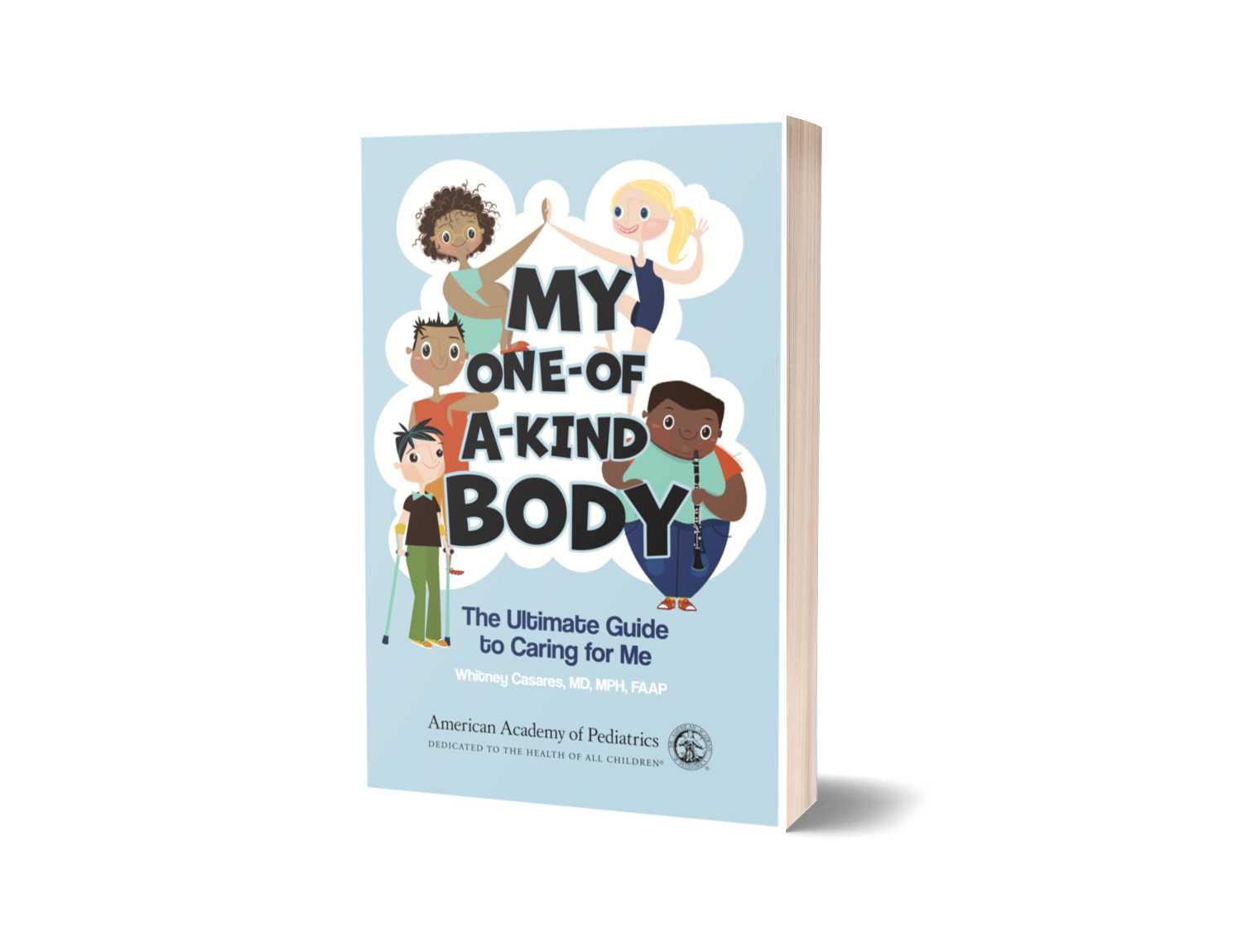
About the Episode: There’s so much parenting advice out there, and most of it doesn’t matter nearly as much as the internet wants you to think. (Seed oils? We have bigger fish to fry.) In this solo episode, Dr. Whitney gets back to basics and shares the six evidence-based parenting principles she focuses on as a pediatrician, the ones she dug into with a leading child development researcher. She also shares how these play out in real life as a mom of two neurodivergent kids, because guidance only helps if it actually fits your family. Key takeaways: Be sensitive and responsive. Simple practices like mirroring your child’s emotions and “serve and return” interactions build a loving, trusting foundation. Dr. Whitney shares how a Halloween decorating session turned into a deep conversation about religion once she slowed down and got curious. Meet kids where they are, especially at their worst. Drawing on Tina Payne Bryson, co-author of The Whole-Brain Child , Dr. Whitney explains that soothing a meltdown isn’t giving in. It’s letting your child know they’re not alone in a big feeling. Model self-regulation, and repair when you lose it. Self-regulation predicts academic success better than IQ. The goal isn’t staying calm all the time, it’s understanding why you got dysregulated, coming back to baseline, and offering yourself some self-compassion. Set limits for your kids and yourself. Every child’s needs are different (screen time affects Dr. Whitney’s two daughters very differently), but all kids need limits, and so do parents. Taking time for yourself models something healthy. Aim for authoritative, not permissive. High expectations paired with warmth and grace is the sweet spot. “Gentle parenting” can blur into permissiveness, which research shows is as harmful as authoritarian parenting. Protect unstructured time. Kids need boredom and free play to become self-directed. For ADHD and autistic kids, Dr. Whitney recommends offering a few options and letting kids choose. Support internal motivation. Using a “mirrors facing outward” image from her own therapist, Dr. Whitney explains why we want kids to trust their own instincts rather than constantly look outward for approval. Want to Start Raising Body-Confident Kids Today? 📘 Order the Books Raising Body-Confident Kids If you've ever caught yourself saying something to your kid about their body that sounded exactly like what your mother said to you, this book is for you. Raising Body-Confident Kids is a research-backed, judgment-free guide for parents who want to break the cycle of diet culture and body shame without swinging into toxic positivity or giving up all structure around food and movement. It answers the real questions parents are actually asking about Ozempic, about picky eaters, about what to say when your kid is being bullied for their body, and about social media influences. This is a practical, values-based game plan you can actually use, even if your own relationship with your body is still a work in progress. My One-of-a-Kind Body My One-of-a-Kind Body gives kids the language and understanding they need to care for their bodies with respect without fear, shame, or appearance-based messaging. Through inclusive illustrations and evidence-based health education, the book teaches body literacy, boundaries, and self-trust in a way kids can actually grasp. 👉 www.raisingbodyconfidentkids.com/books
By Modern Mommy Doc • October 5, 2026
What really matters when it comes to college admissions (for you and for them).
By Modern Mommy Doc • September 17, 2026
Kids going off to college are mean for a reason.
By Modern Mommy Doc • September 10, 2026
Maybe winning back to school isn't what we really want, after all.
By Modern Mommy Doc • August 27, 2026
First-class service has a lot to do with first-class parenting.

Welcome! Get the information you need to win at parenting without losing yourself.

LEARN MORE

My Kids' Book on Body Confidence


Trying to break the cycle of body shame and diet culture?


Overwhelmed by all the parenting advice out there?


SIGN UP FOR THE FREE STARTER KIT: UNBOTHERED. IT'S FREE. CLICK HERE


FRESH

ON THE PODCAST


By Modern Mommy Doc • October 9, 2026
About the Episode: There’s so much parenting advice out there, and most of it doesn’t matter nearly as much as the internet wants you to think. (Seed oils? We have bigger fish to fry.) In this solo episode, Dr. Whitney gets back to basics and shares the six evidence-based parenting principles she focuses on as a pediatrician, the ones she dug into with a leading child development researcher. She also shares how these play out in real life as a mom of two neurodivergent kids, because guidance only helps if it actually fits your family. Key takeaways: Be sensitive and responsive. Simple practices like mirroring your child’s emotions and “serve and return” interactions build a loving, trusting foundation. Dr. Whitney shares how a Halloween decorating session turned into a deep conversation about religion once she slowed down and got curious. Meet kids where they are, especially at their worst. Drawing on Tina Payne Bryson, co-author of The Whole-Brain Child , Dr. Whitney explains that soothing a meltdown isn’t giving in. It’s letting your child know they’re not alone in a big feeling. Model self-regulation, and repair when you lose it. Self-regulation predicts academic success better than IQ. The goal isn’t staying calm all the time, it’s understanding why you got dysregulated, coming back to baseline, and offering yourself some self-compassion. Set limits for your kids and yourself. Every child’s needs are different (screen time affects Dr. Whitney’s two daughters very differently), but all kids need limits, and so do parents. Taking time for yourself models something healthy. Aim for authoritative, not permissive. High expectations paired with warmth and grace is the sweet spot. “Gentle parenting” can blur into permissiveness, which research shows is as harmful as authoritarian parenting. Protect unstructured time. Kids need boredom and free play to become self-directed. For ADHD and autistic kids, Dr. Whitney recommends offering a few options and letting kids choose. Support internal motivation. Using a “mirrors facing outward” image from her own therapist, Dr. Whitney explains why we want kids to trust their own instincts rather than constantly look outward for approval. Want to Start Raising Body-Confident Kids Today? 📘 Order the Books Raising Body-Confident Kids If you've ever caught yourself saying something to your kid about their body that sounded exactly like what your mother said to you, this book is for you. Raising Body-Confident Kids is a research-backed, judgment-free guide for parents who want to break the cycle of diet culture and body shame without swinging into toxic positivity or giving up all structure around food and movement. It answers the real questions parents are actually asking about Ozempic, about picky eaters, about what to say when your kid is being bullied for their body, and about social media influences. This is a practical, values-based game plan you can actually use, even if your own relationship with your body is still a work in progress. My One-of-a-Kind Body My One-of-a-Kind Body gives kids the language and understanding they need to care for their bodies with respect without fear, shame, or appearance-based messaging. Through inclusive illustrations and evidence-based health education, the book teaches body literacy, boundaries, and self-trust in a way kids can actually grasp. 👉 www.raisingbodyconfidentkids.com/books
By Modern Mommy Doc • October 5, 2026
What really matters when it comes to college admissions (for you and for them).
By Modern Mommy Doc • September 17, 2026
Kids going off to college are mean for a reason.