MMD BLOG


CATEGORY:

WORKING MAMAS

AREN’T WE ALL WORKING MOMS?

 Modern Mommy Doc


PUBLICATION DATE:

May 24, 2021

AREN’T WE ALL WORKING MOMS?

 Modern Mommy Doc

CATEGORY: WORKING MAMAS

A half a century ago, being a stay-at-home mom was pretty much the norm. Who else would care for the kids while your husband was at work bringing home the bacon? We’ve thankfully come a long way since the days when our grandmothers were young moms and currently live in a world where about two-thirds of moms with children under 18 work full-time, per the U.S. Census Bureau. 


This has given rise to the definition of what it means to be a working mom. However, it begs the question: Aren’t we all working moms? Even if we don’t have a fancy office to commute to, or a boss to report to, isn’t what we do every day—i.e. being a mom—still considered work? Ask any mom and she’ll likely give you a resounding “yes.” Motherhood is joyful in all the ways, but one of the best words to describe it is “work.” 


You may remember that survey from a year ago sponsored by
Welch’s that reported that mothers work an average of 14-hour days, which translates to 98-hour work weeks. So, yeah, whether you have a job outside (or inside) the home in addition to your job of being a mother, you’re most certainly considered a working mom, and this means you should be getting the respect and the resources you need to be happy, healthy and (hello) sane! 


Sociologist Caitlyn Collins, author of
Making Motherhood Work, said it best when she wrote, “The United States is an outlier among Western industrialized countries for its lack of support for working mothers.” We are under supported and over-utilized, which makes for the perfect recipe for burnout. 


Managing our personal and professional lives among ensuring that our household runs smoothly may never be something that any of us get downpat—but maybe that’s the way it’s meant to be. Maybe motherhood is meant to be a bit messy as opposed to crisp and clean, because isn’t that life at the end of the day anyways? As Dr. Whitney shares in her new book,
The Working Mom Blueprint, “You can’t do everything if you want to do anything well.” 


Do less so you can accomplish more


Sounds a bit contradictory, right? Well, that’s kind of the goal. In her book, Dr. Whitney urges families to opt for simpler ways of living—a “less-is-more-mentality” that allows us to focus more on what really matters, instead of wasting energy on finding space to store the extra junk lying around. Hey, if you have less lying around to begin with, there’s far less to have to declutter!


Here are some of her declutter and “get things done” tips:


#1) Use mini whiteboards to visually map out your week.

This tip not only helps you, but it also helps your kids and your spouse better understand what to expect for the week ahead. Pick up some 6” x 9” whiteboards that are labeled with each day of the week. Under each corresponding day, jot down every special event, lesson, meetings, etc. 


#2) Work on simplifying your own calendar.

As a working mom, your goal is to get everything done. But let’s be real here. Consider the areas of your calendar that you can cut—that Zoom meeting that’s just for fun but also during the exact time period where you could cross three things off your to-do list, or that across-town dance class your child’s signed up for when there’s a perfectly suitable option closer by (that’ll score you 25 whole extra minutes to do something else—or nothing at all). 


#3) Meal prep for the week.

Pick a day of the week—i.e. Sunday—and head to your grocery store (or, better yet, order online). Try to plan out what your family will eat for the week so that you can get ahead of things and buy everything you’ll need. You can even go as far as having a meal planner outline that you keep on your fridge with a detachable shopping list to keep track of it all. 


What are some ways you make your life as a working mom more streamlined?


Written by Jenn Sinrich

Jenn Sinrich is a freelance editor, writer and content strategist located in Boston, Massachusetts. She received her BA in journalism from Northeastern University and has a decade worth of experience working for a myriad of female-focused publications including SELF, Parents, Women's Health, BRIDES, Martha Stewart Weddings and more. When she's not putting pen to paper (or, really, fingers to keyboard), she's enjoying the most precious moments in life with her husband and daughter.


Raising Body-Confident Kids Starts at the Doctor's Office!

START NOW
By Dr. Whitney December 17, 2025
About the Episode: In this episode, Dr. Whitney sits down with Dr. Jay Gargus and Dave Justus from NeuroQure to discuss the power of early clarity when it comes to autism detection and why earlier intervention can fundamentally change outcomes for childre n and families. Dr. Gargus explains the science behind early behavioral therapies and why their impact goes far beyond short-term skill-building. Research shows that early, evidence-based interventions can lead to measurable, lifelong improvements in IQ, so cial skills, independence, and educational placement, often determining whether a child can thrive in mainstream education or requires ongoing specialized support. The conversation also tackles a critical and often overlooked issue: access. Dave Justus shares the personal motivation behind NeuroQure’s work and explains why the test is being launched at cost, with installment plans and employer subsidies, while the team works toward insurance coverage. The goal is to prevent families from losing precious years waiting for answers. Together, they emphasize a hopeful message for parents: families don’t need to wait for a future “silver bullet.” We already have therapies that work and getting kids connected to them earlier can change the course of a lifetime. In this episode, we discuss: Why early autism detection leads to lifelong changes—not just short-term gains What a 17-point IQ difference actually means for education, independence, and quality of life How early intervention can shift developmental trajectories as early as 6 months The science and validation behind current autism therapies Why NeuroQure is pricing testing at cost while pursuing insurance coverage How early clarity can reduce long-term strain on families, schools, and healthcare systems This episode is a powerful reminder that timing matters and that early access to answers can make an extraordinary difference for children and the families who love them. About Our Guest: Dr. Jay Gargus, MD, PhD is a physician-scientist and nationally recognized expert in neurodevelopmental disorders, with decades of experience researching the biological underpinnings of autism. His work has focused on translating well-established science into meaningful, real-world interventions that can improve lifelong outcomes for children. Dr. Gargus emphasizes that early, evidence-based therapies are already available—and that connecting families to them sooner can fundamentally change developmental trajectories. Dave Justus is a parent and the founder of NeuroQure, whose work is driven by personal experience navigating delayed autism diagnosis and intervention. Motivated by the belief that early clarity can spare families years of uncertainty, Dave is focused on expanding access to early testing through cost-based pricing and ongoing efforts to secure insurance coverage. His mission is simple but powerful: ensure families don’t have to wait for answers that could change everything. Want to Start Raising Body-Confident Kids Today? 📘 Order the Book Order your copy of My One-of-a-Kind Body 👉 www.raisingbodyconfidentkids.com/books 🎁 Claim Your Free Bonus When you order on our site, you’ll also get access to a FREE video mini-course with five bite-sized lessons for parents. In just 25 minutes, you’ll walk away with: Simple, script-style ways to respond when your kid says, “I hate my thighs” How to talk about health without weight talk What to do when your own inner critic shows up How to interrupt diet culture at home The first step to raising a body-confident kid, even if you didn’t grow up as one 📩 Subscribe to The Modern Mommy Doc Podcast for more episodes on parenting with confidence and clarity. Leave a review using the hashtag #ModernMommyDoc.
By Dr. Whitney November 13, 2025
Stop being so busy, and start being more present.
By Dr. Whitney November 5, 2025
Starting out right with solids doesn't have to be so scary.
By Dr. Whitney October 29, 2025
What if YOU are the one who needs to calm down first?

Welcome! Get the information you need to win at parenting without losing yourself.

LEARN MORE

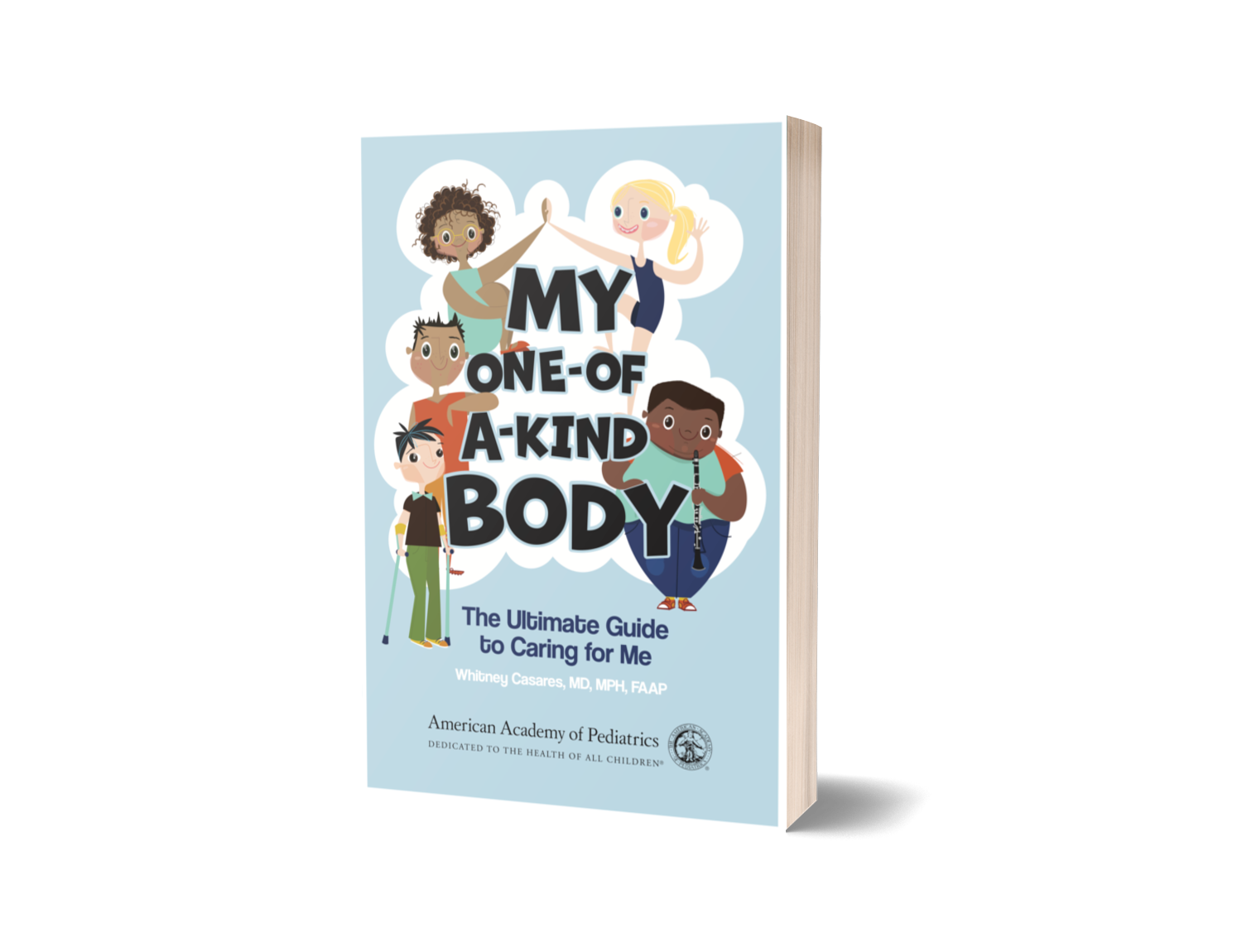
My Kids' Book on Body Confidence is Finally Here!


Wish your partner would do more to lessen your mental load?


Want to make self-care a priority but not sure how to?


SIGN UP FOR SUSTAINABLE SELF-CARE. IT'S FREE. CLICK HERE


FRESH

ON THE PODCAST


By Dr. Whitney December 17, 2025
About the Episode: In this episode, Dr. Whitney sits down with Dr. Jay Gargus and Dave Justus from NeuroQure to discuss the power of early clarity when it comes to autism detection and why earlier intervention can fundamentally change outcomes for childre n and families. Dr. Gargus explains the science behind early behavioral therapies and why their impact goes far beyond short-term skill-building. Research shows that early, evidence-based interventions can lead to measurable, lifelong improvements in IQ, so cial skills, independence, and educational placement, often determining whether a child can thrive in mainstream education or requires ongoing specialized support. The conversation also tackles a critical and often overlooked issue: access. Dave Justus shares the personal motivation behind NeuroQure’s work and explains why the test is being launched at cost, with installment plans and employer subsidies, while the team works toward insurance coverage. The goal is to prevent families from losing precious years waiting for answers. Together, they emphasize a hopeful message for parents: families don’t need to wait for a future “silver bullet.” We already have therapies that work and getting kids connected to them earlier can change the course of a lifetime. In this episode, we discuss: Why early autism detection leads to lifelong changes—not just short-term gains What a 17-point IQ difference actually means for education, independence, and quality of life How early intervention can shift developmental trajectories as early as 6 months The science and validation behind current autism therapies Why NeuroQure is pricing testing at cost while pursuing insurance coverage How early clarity can reduce long-term strain on families, schools, and healthcare systems This episode is a powerful reminder that timing matters and that early access to answers can make an extraordinary difference for children and the families who love them. About Our Guest: Dr. Jay Gargus, MD, PhD is a physician-scientist and nationally recognized expert in neurodevelopmental disorders, with decades of experience researching the biological underpinnings of autism. His work has focused on translating well-established science into meaningful, real-world interventions that can improve lifelong outcomes for children. Dr. Gargus emphasizes that early, evidence-based therapies are already available—and that connecting families to them sooner can fundamentally change developmental trajectories. Dave Justus is a parent and the founder of NeuroQure, whose work is driven by personal experience navigating delayed autism diagnosis and intervention. Motivated by the belief that early clarity can spare families years of uncertainty, Dave is focused on expanding access to early testing through cost-based pricing and ongoing efforts to secure insurance coverage. His mission is simple but powerful: ensure families don’t have to wait for answers that could change everything. Want to Start Raising Body-Confident Kids Today? 📘 Order the Book Order your copy of My One-of-a-Kind Body 👉 www.raisingbodyconfidentkids.com/books 🎁 Claim Your Free Bonus When you order on our site, you’ll also get access to a FREE video mini-course with five bite-sized lessons for parents. In just 25 minutes, you’ll walk away with: Simple, script-style ways to respond when your kid says, “I hate my thighs” How to talk about health without weight talk What to do when your own inner critic shows up How to interrupt diet culture at home The first step to raising a body-confident kid, even if you didn’t grow up as one 📩 Subscribe to The Modern Mommy Doc Podcast for more episodes on parenting with confidence and clarity. Leave a review using the hashtag #ModernMommyDoc.
By Dr. Whitney November 13, 2025
Stop being so busy, and start being more present.