MMD BLOG


CATEGORY:

PARENTING + KIDS

HOW TO LOOK BEYOND YOUR CHILD'S BEHAVIOR TO WHO THEY REALLY ARE

 Modern Mommy Doc


PUBLICATION DATE:

February 20, 2020

HOW TO LOOK BEYOND YOUR CHILD'S BEHAVIOR TO WHO THEY REALLY ARE

 Modern Mommy Doc

CATEGORY: PARENTING + KIDS

I'm sobbing. It's like 8:46 am and I'm sobbing. It's for the silliest reason. 


I just dropped my kids off at school and, as per our usual, they got to pick the soundtrack in the car. It's usually some Disney tune or another. This time, Moana won out. We can't just listen to a few songs, either. Nope, they wanted that sucker to play from start to finish. By the time the last one hopped out of the car, a few songs still remained and, again as per our usual, I forgot to turn it off. I found myself humming along absentmindedly as I wound my way through the surface streets and over to the freeway toward my pediatrics' office. 


Finally that song, "Know Who You Are" comes on – the one where (spoiler alert!) Moana restores the heart to the lava monster, Te Ka, revealing the beautiful, hidden island of Te Fiti. 


-

"I have crossed the horizon to find you," Moana croons.


"I know your name.


They have stolen the heart from inside you


But this does not define you


This is not who you are


You know who you are." 


Like I said, I'm sobbing, big fat tears running down my face as I try to concentrate on the road. 


I'm sobbing because, for the longest time, it was hard to see who my oldest daughter really was. She suffered from severe colic as a baby (and I followed suit with postpartum depression right behind her). She struggled with potty training, she had the hardest time sleeping. She tantrumed through her toddler years. She lashed out whenever she was emotionally dysregulated. She suffered from the very first month of her life under what I know now was an extreme level of anxiety


My husband and I consulted her pediatrician and mental health experts. We had labs drawn. We tried occupational therapy. We had her tested for Autism. We went to multiple parent coaches and child psychologists. It seemed like we were working so hard to keep her together and to keep our lives together, too. 


Sometimes, it felt like her anxiety defined her, no, consumed her – and our family. There were moments you could see glimmers of who she really is: a creative force who feels deeply and cares immensely; a brilliant mind who loves reading, imagining, and expressing. In her best moments, she is a light to everyone – happily singing and dancing. She cuddles in close for hugs and stories. She joyfully leads her sister in plays and dress-up performances. But those moments were often hard to come by, and could be shrouded by worry and fight or flight-fueled reactions in the blink of an eye. 


As a pediatrician, I know all kids have trouble regulating their emotions and can be complete jerks, especially when they're tired or hungry or scared, but this was something completely different. There were so many nights I all I could do was sit against the door inside her bedroom as she raged over an unpredicted turn of events ("No, we can't go if Matt won't be there! I don't care if he's sick.") or over worries that wouldn't let her be ("What if I make a mistake in dance class? I just can't go! Everyone will laugh at me."). I sat, and held my baby girl, unable to reason with her, and hoped beyond hope that someday she would be free of this force that so clearly kept her captive.


It seemed like time and age only heightened it all. Suddenly, her three-year-old sister became more emotionally mature than she did, comforting her with a, "It's okay, sweetie, it will be okay" and patting her gently on the shoulder. Finally, after working with a young family in my own clinic who started anti-anxiety medications for their six-year-old, we turned to a psychiatrist for help. I don't take prescribing medications for any child lightly, but taking the plunge into the medication world for own my little one felt even more daunting. At the same time, though, I knew we couldn't keep on going the way we had been for so long. We were too tired and overwhelmed for that. 


It took about two weeks for the medication to fully kick in and, although she was still six (and acted like it regularly), the lows weren't quite as low. Her outbursts weren't as grand. Her mountains (even meeting a friendly mascot at a local baseball game) were more like the mole hills other kids faced. 


Slowly, as we chemically brought her back in balance, and worked with her therapist to maximize rewiring her responses to everyday obstacles, it was as if, after all that determined, heart-wrenching searching across the horizon for the one I knew was out there, I got to place the heart in my own fiery lava monster and she literally melted, relaxing into the true beauty I've always known she was. She became the exquisite (yet still quirky and sensitive) island I always knew was waiting to be unveiled. 


We still go to therapy for her. We still do all the hard work to support her. Bedtime is at 8 pm sharp. She doesn't miss a meal. We don't pick activities we know will send her over the edge and now, thank goodness, she's able to more logically explain that attending a Holiday performance with multiple set changes makes "her heart buzz and her tummy feel funny" versus screaming and hitting me as we enter the lobby. I can help her now because I know what she needs. 


Maybe as you're reading this, you're going through a tough time with your sweet child who doesn't appear so sweet to you at this moment. Maybe it feels like you've lost them to colic, or to a really hard developmental stage, or to a group of friends you don't like or to some bad behaviors they've taken on or to or.... you name it. Remember, mama, that's not THEM. It doesn't define them. 


Keep searching across the horizons to find them. If they're young, first get the support you need to weather through it. Take care of yourself while you're trying to take care of your little one. Then, collect data and get help from professionals (a pediatrician's office is a good place to start). If they're older and it's a behavior you're seeing that isn't in line with the character you know they have, learn how to have choreographed conversations with them to get at the "why" behind what they're doing. 


Remember, our kids are always waiting and hoping for us to reveal their true selves. They're waiting for us to tell them, "You know and I know who you are." 


Raising Body-Confident Kids Starts at the Doctor's Office!

START NOW
By Dr. Whitney December 17, 2025
About the Episode: In this episode, Dr. Whitney sits down with Dr. Jay Gargus and Dave Justus from NeuroQure to discuss the power of early clarity when it comes to autism detection and why earlier intervention can fundamentally change outcomes for childre n and families. Dr. Gargus explains the science behind early behavioral therapies and why their impact goes far beyond short-term skill-building. Research shows that early, evidence-based interventions can lead to measurable, lifelong improvements in IQ, so cial skills, independence, and educational placement, often determining whether a child can thrive in mainstream education or requires ongoing specialized support. The conversation also tackles a critical and often overlooked issue: access. Dave Justus shares the personal motivation behind NeuroQure’s work and explains why the test is being launched at cost, with installment plans and employer subsidies, while the team works toward insurance coverage. The goal is to prevent families from losing precious years waiting for answers. Together, they emphasize a hopeful message for parents: families don’t need to wait for a future “silver bullet.” We already have therapies that work and getting kids connected to them earlier can change the course of a lifetime. In this episode, we discuss: Why early autism detection leads to lifelong changes—not just short-term gains What a 17-point IQ difference actually means for education, independence, and quality of life How early intervention can shift developmental trajectories as early as 6 months The science and validation behind current autism therapies Why NeuroQure is pricing testing at cost while pursuing insurance coverage How early clarity can reduce long-term strain on families, schools, and healthcare systems This episode is a powerful reminder that timing matters and that early access to answers can make an extraordinary difference for children and the families who love them. About Our Guest: Dr. Jay Gargus, MD, PhD is a physician-scientist and nationally recognized expert in neurodevelopmental disorders, with decades of experience researching the biological underpinnings of autism. His work has focused on translating well-established science into meaningful, real-world interventions that can improve lifelong outcomes for children. Dr. Gargus emphasizes that early, evidence-based therapies are already available—and that connecting families to them sooner can fundamentally change developmental trajectories. Dave Justus is a parent and the founder of NeuroQure, whose work is driven by personal experience navigating delayed autism diagnosis and intervention. Motivated by the belief that early clarity can spare families years of uncertainty, Dave is focused on expanding access to early testing through cost-based pricing and ongoing efforts to secure insurance coverage. His mission is simple but powerful: ensure families don’t have to wait for answers that could change everything. Want to Start Raising Body-Confident Kids Today? 📘 Order the Book Order your copy of My One-of-a-Kind Body 👉 www.raisingbodyconfidentkids.com/books 🎁 Claim Your Free Bonus When you order on our site, you’ll also get access to a FREE video mini-course with five bite-sized lessons for parents. In just 25 minutes, you’ll walk away with: Simple, script-style ways to respond when your kid says, “I hate my thighs” How to talk about health without weight talk What to do when your own inner critic shows up How to interrupt diet culture at home The first step to raising a body-confident kid, even if you didn’t grow up as one 📩 Subscribe to The Modern Mommy Doc Podcast for more episodes on parenting with confidence and clarity. Leave a review using the hashtag #ModernMommyDoc.
By Dr. Whitney November 13, 2025
Stop being so busy, and start being more present.
By Dr. Whitney November 5, 2025
Starting out right with solids doesn't have to be so scary.
By Dr. Whitney October 29, 2025
What if YOU are the one who needs to calm down first?

Welcome! Get the information you need to win at parenting without losing yourself.

LEARN MORE

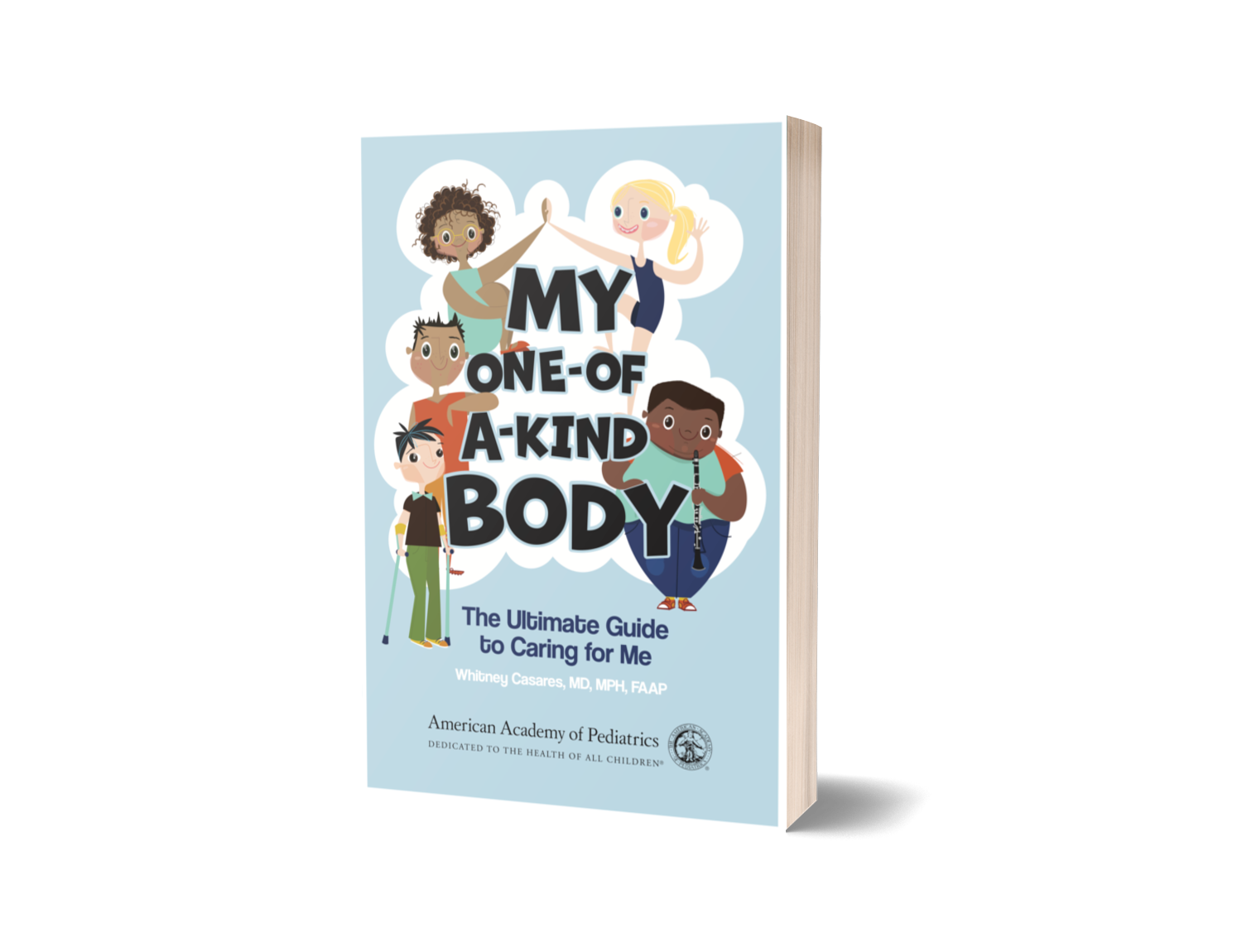
My Kids' Book on Body Confidence is Finally Here!


Wish your partner would do more to lessen your mental load?


Want to make self-care a priority but not sure how to?


SIGN UP FOR SUSTAINABLE SELF-CARE. IT'S FREE. CLICK HERE


FRESH

ON THE PODCAST


By Dr. Whitney December 17, 2025
About the Episode: In this episode, Dr. Whitney sits down with Dr. Jay Gargus and Dave Justus from NeuroQure to discuss the power of early clarity when it comes to autism detection and why earlier intervention can fundamentally change outcomes for childre n and families. Dr. Gargus explains the science behind early behavioral therapies and why their impact goes far beyond short-term skill-building. Research shows that early, evidence-based interventions can lead to measurable, lifelong improvements in IQ, so cial skills, independence, and educational placement, often determining whether a child can thrive in mainstream education or requires ongoing specialized support. The conversation also tackles a critical and often overlooked issue: access. Dave Justus shares the personal motivation behind NeuroQure’s work and explains why the test is being launched at cost, with installment plans and employer subsidies, while the team works toward insurance coverage. The goal is to prevent families from losing precious years waiting for answers. Together, they emphasize a hopeful message for parents: families don’t need to wait for a future “silver bullet.” We already have therapies that work and getting kids connected to them earlier can change the course of a lifetime. In this episode, we discuss: Why early autism detection leads to lifelong changes—not just short-term gains What a 17-point IQ difference actually means for education, independence, and quality of life How early intervention can shift developmental trajectories as early as 6 months The science and validation behind current autism therapies Why NeuroQure is pricing testing at cost while pursuing insurance coverage How early clarity can reduce long-term strain on families, schools, and healthcare systems This episode is a powerful reminder that timing matters and that early access to answers can make an extraordinary difference for children and the families who love them. About Our Guest: Dr. Jay Gargus, MD, PhD is a physician-scientist and nationally recognized expert in neurodevelopmental disorders, with decades of experience researching the biological underpinnings of autism. His work has focused on translating well-established science into meaningful, real-world interventions that can improve lifelong outcomes for children. Dr. Gargus emphasizes that early, evidence-based therapies are already available—and that connecting families to them sooner can fundamentally change developmental trajectories. Dave Justus is a parent and the founder of NeuroQure, whose work is driven by personal experience navigating delayed autism diagnosis and intervention. Motivated by the belief that early clarity can spare families years of uncertainty, Dave is focused on expanding access to early testing through cost-based pricing and ongoing efforts to secure insurance coverage. His mission is simple but powerful: ensure families don’t have to wait for answers that could change everything. Want to Start Raising Body-Confident Kids Today? 📘 Order the Book Order your copy of My One-of-a-Kind Body 👉 www.raisingbodyconfidentkids.com/books 🎁 Claim Your Free Bonus When you order on our site, you’ll also get access to a FREE video mini-course with five bite-sized lessons for parents. In just 25 minutes, you’ll walk away with: Simple, script-style ways to respond when your kid says, “I hate my thighs” How to talk about health without weight talk What to do when your own inner critic shows up How to interrupt diet culture at home The first step to raising a body-confident kid, even if you didn’t grow up as one 📩 Subscribe to The Modern Mommy Doc Podcast for more episodes on parenting with confidence and clarity. Leave a review using the hashtag #ModernMommyDoc.
By Dr. Whitney November 13, 2025
Stop being so busy, and start being more present.