MMD BLOG


CATEGORY:

SCHOOL, KIDS

HOW TO MAKE BACK TO SCHOOL SUCK LESS

 Modern Mommy Doc


PUBLICATION DATE:

August 15, 2022

HOW TO MAKE BACK TO SCHOOL SUCK LESS

 Modern Mommy Doc

CATEGORY: SCHOOL, KIDS

I know the “muchness” of summer can be a lot. Kids are home (or at least need someone watching them) basically all day. The house gets messier faster. Thousands of dollars are spent on Goldfish crackers and granola bars–only to find the wrappers in every room around the house.


But, I gotta tell you, there’s at least some flexibility, right? Most days you don’t have to rush them out the door to get to the bus. No battles about what to wear or furiously packing lunches. Wanna wear your snow boots when it’s 102 outside? Go right ahead, kiddo.


As hard as summer can be, those first few weeks of school can be BRUTAL. No one’s sleeping as much as they should because everyone got used to the loosey goosey bedtimes from the last few months. Mornings can be a battle because you have to be somewhere by an actual set time, and no one, I repeat NO ONE, likes making lunches.


It’s the worst.


But I’m vowing to make this year different. With all the systems and rhythms I’ve put in place over the last couple of years, I’m ready to take it on. This school year will not take me down and I’m gonna share with you my plan on how we’re going to rock this transition.


Pre-transition Week


We all get wrapped up in what’s going to happen that first week of school, but honestly, if we want it to be successful, we’ve got to get started earlier. A couple weeks before school starts, we’ll start modeling our days towards what it will look like once it begins. 


I’m not saying that if your kids have been used to going to bed at 10pm and sleeping till noon that you should send them to bed at 7 and wake them up at 6. That’s a lose/lose for everyone. But because you’re a smart mama, you’ve started working ahead of time. So you can back that bedtime up 10-15 minutes every night until you’ve gotten them where you want them to be. 


And no more “waking up whenever you want.” Again, you don’t have to jump to 6am in one shot, but even waking them by 8 and telling them they have to get dressed every morning is going to be getting you on the right track.


We also start adding in more routine and structure to their day that will help remind them that they’ve got a schedule to adhere to. Obviously this looks different with every kiddo at every age, but the whole idea is that they can ease back into the rhythms that they’ll be experiencing again soon.


Transition Week


I know most moms want to make most transitions or rights of passage into a big deal. And rightly so. Take the first day of school pictures. Write them notes in their lunch boxes.


And then leave them the EFF alone. 


Even the most regulated kids will probably be overstimulated by the time they come home those first few weeks. Be prepared for the 3 o’clock crankies, mama: Resist the urge to ask them a million questions when they first walk in the door. Have a snack ready (no one is at their best when they’re hungry) and let them chiiiiill. 


Whatever you do, DO NOT schedule a million things that first week. No “First Friday of School party,” no family movie nights at the theater, and if you can avoid it, let's even have a moratorium on practices. Your kids will need rest and routine. You can thank me later. 


School Mornings


Raise your hand if you’ve ever yelled, “PUT YOUR SHOES ON AND GET OUT THE DOOR!” twelve times in two minutes to your kids before leaving for school. Makes you feel like a greeeeat mom. Let’s talk about how to make school mornings not suck. 


Because they do.


I’m saying this to myself as much as I am to you:
preparation will be your biggest friend. In her book, The Lazy Genius Way: Embrace What Matters, Ditch What Doesn’t, and Get Stuff Done,” Kendra Adachi talks about the magic question: What can I do now to make life easier later?


She applies this to all sorts of things like setting up your coffee the night before or creating a plan for your next day at work. Let’s ask ourselves this in terms of school mornings.


What can I do now to make the school morning rush easier later?


Go through your entire morning step by step and list all the things that could possibly make your mornings easier if they were already done.


Here’s a few I’ve come up with:


  • Water bottles filled and in the fridge or backpacks
  • Lunches made
  • Showers the night before
  • Clothes chosen and laid out (down to socks, underwear, and shoes!)
  • Backpacks located and cleaned out, ready by the door
  • Breakfasts planned or even premade
  • All papers that need signing, done and in folders (and put in backpacks!)
  • Coffee prepped and ready to go


Can you imagine if you didn’t have to worry about any of these things at 6am when EVERYONE is more on edge? And most of these would take maaaaybe 20 minutes the night before to get them ready but will save you SO much emotional energy and hassle the next morning.


You also need to take a look at your kids' responsibilities vs yours. If you’re in charge of literally everything, you’re going to be a mess. What skills can you work on in those pre-transition weeks that will make your kids’ (and your!) lives easier? Shoe tying, jacket zipping, even putting things in backpacks.


I’ve been known to lose my mind because my kid cannot put her lunchbox in her backpack in less than 39 minutes. But when you look at those skills in those earlier weeks, you’re able to take the time to slow down and teach them, rather than act like a crazy person in the moment (not that I know anything about that.)


This back to school season can be rough. But it can also be really good. If you want to link arms with other mamas walking through the same things, download the Modern Mamas Club App in the Apple App Store today to join our great community!


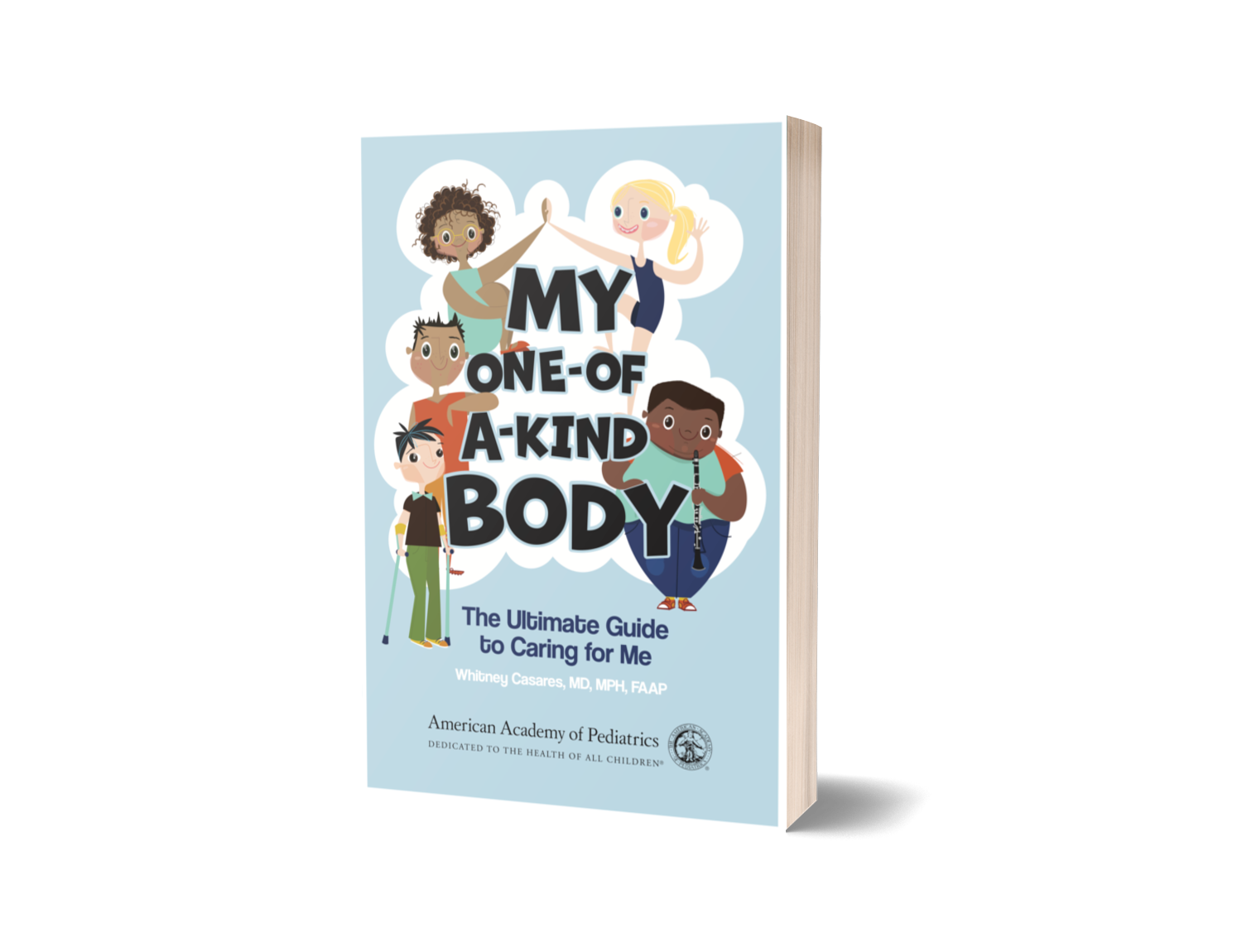
Raising Body-Confident Kids Starts at the Doctor's Office!

START NOW
By Dr. Whitney December 17, 2025
About the Episode: In this episode, Dr. Whitney sits down with Dr. Jay Gargus and Dave Justus from NeuroQure to discuss the power of early clarity when it comes to autism detection and why earlier intervention can fundamentally change outcomes for childre n and families. Dr. Gargus explains the science behind early behavioral therapies and why their impact goes far beyond short-term skill-building. Research shows that early, evidence-based interventions can lead to measurable, lifelong improvements in IQ, so cial skills, independence, and educational placement, often determining whether a child can thrive in mainstream education or requires ongoing specialized support. The conversation also tackles a critical and often overlooked issue: access. Dave Justus shares the personal motivation behind NeuroQure’s work and explains why the test is being launched at cost, with installment plans and employer subsidies, while the team works toward insurance coverage. The goal is to prevent families from losing precious years waiting for answers. Together, they emphasize a hopeful message for parents: families don’t need to wait for a future “silver bullet.” We already have therapies that work and getting kids connected to them earlier can change the course of a lifetime. In this episode, we discuss: Why early autism detection leads to lifelong changes—not just short-term gains What a 17-point IQ difference actually means for education, independence, and quality of life How early intervention can shift developmental trajectories as early as 6 months The science and validation behind current autism therapies Why NeuroQure is pricing testing at cost while pursuing insurance coverage How early clarity can reduce long-term strain on families, schools, and healthcare systems This episode is a powerful reminder that timing matters and that early access to answers can make an extraordinary difference for children and the families who love them. About Our Guest: Dr. Jay Gargus, MD, PhD is a physician-scientist and nationally recognized expert in neurodevelopmental disorders, with decades of experience researching the biological underpinnings of autism. His work has focused on translating well-established science into meaningful, real-world interventions that can improve lifelong outcomes for children. Dr. Gargus emphasizes that early, evidence-based therapies are already available—and that connecting families to them sooner can fundamentally change developmental trajectories. Dave Justus is a parent and the founder of NeuroQure, whose work is driven by personal experience navigating delayed autism diagnosis and intervention. Motivated by the belief that early clarity can spare families years of uncertainty, Dave is focused on expanding access to early testing through cost-based pricing and ongoing efforts to secure insurance coverage. His mission is simple but powerful: ensure families don’t have to wait for answers that could change everything. Want to Start Raising Body-Confident Kids Today? 📘 Order the Book Order your copy of My One-of-a-Kind Body 👉 www.raisingbodyconfidentkids.com/books 🎁 Claim Your Free Bonus When you order on our site, you’ll also get access to a FREE video mini-course with five bite-sized lessons for parents. In just 25 minutes, you’ll walk away with: Simple, script-style ways to respond when your kid says, “I hate my thighs” How to talk about health without weight talk What to do when your own inner critic shows up How to interrupt diet culture at home The first step to raising a body-confident kid, even if you didn’t grow up as one 📩 Subscribe to The Modern Mommy Doc Podcast for more episodes on parenting with confidence and clarity. Leave a review using the hashtag #ModernMommyDoc.
By Dr. Whitney November 13, 2025
Stop being so busy, and start being more present.
By Dr. Whitney November 5, 2025
Starting out right with solids doesn't have to be so scary.
By Dr. Whitney October 29, 2025
What if YOU are the one who needs to calm down first?

Welcome! Get the information you need to win at parenting without losing yourself.

LEARN MORE

My Kids' Book on Body Confidence is Finally Here!


Wish your partner would do more to lessen your mental load?


Want to make self-care a priority but not sure how to?


SIGN UP FOR SUSTAINABLE SELF-CARE. IT'S FREE. CLICK HERE


FRESH

ON THE PODCAST


By Dr. Whitney December 17, 2025
About the Episode: In this episode, Dr. Whitney sits down with Dr. Jay Gargus and Dave Justus from NeuroQure to discuss the power of early clarity when it comes to autism detection and why earlier intervention can fundamentally change outcomes for childre n and families. Dr. Gargus explains the science behind early behavioral therapies and why their impact goes far beyond short-term skill-building. Research shows that early, evidence-based interventions can lead to measurable, lifelong improvements in IQ, so cial skills, independence, and educational placement, often determining whether a child can thrive in mainstream education or requires ongoing specialized support. The conversation also tackles a critical and often overlooked issue: access. Dave Justus shares the personal motivation behind NeuroQure’s work and explains why the test is being launched at cost, with installment plans and employer subsidies, while the team works toward insurance coverage. The goal is to prevent families from losing precious years waiting for answers. Together, they emphasize a hopeful message for parents: families don’t need to wait for a future “silver bullet.” We already have therapies that work and getting kids connected to them earlier can change the course of a lifetime. In this episode, we discuss: Why early autism detection leads to lifelong changes—not just short-term gains What a 17-point IQ difference actually means for education, independence, and quality of life How early intervention can shift developmental trajectories as early as 6 months The science and validation behind current autism therapies Why NeuroQure is pricing testing at cost while pursuing insurance coverage How early clarity can reduce long-term strain on families, schools, and healthcare systems This episode is a powerful reminder that timing matters and that early access to answers can make an extraordinary difference for children and the families who love them. About Our Guest: Dr. Jay Gargus, MD, PhD is a physician-scientist and nationally recognized expert in neurodevelopmental disorders, with decades of experience researching the biological underpinnings of autism. His work has focused on translating well-established science into meaningful, real-world interventions that can improve lifelong outcomes for children. Dr. Gargus emphasizes that early, evidence-based therapies are already available—and that connecting families to them sooner can fundamentally change developmental trajectories. Dave Justus is a parent and the founder of NeuroQure, whose work is driven by personal experience navigating delayed autism diagnosis and intervention. Motivated by the belief that early clarity can spare families years of uncertainty, Dave is focused on expanding access to early testing through cost-based pricing and ongoing efforts to secure insurance coverage. His mission is simple but powerful: ensure families don’t have to wait for answers that could change everything. Want to Start Raising Body-Confident Kids Today? 📘 Order the Book Order your copy of My One-of-a-Kind Body 👉 www.raisingbodyconfidentkids.com/books 🎁 Claim Your Free Bonus When you order on our site, you’ll also get access to a FREE video mini-course with five bite-sized lessons for parents. In just 25 minutes, you’ll walk away with: Simple, script-style ways to respond when your kid says, “I hate my thighs” How to talk about health without weight talk What to do when your own inner critic shows up How to interrupt diet culture at home The first step to raising a body-confident kid, even if you didn’t grow up as one 📩 Subscribe to The Modern Mommy Doc Podcast for more episodes on parenting with confidence and clarity. Leave a review using the hashtag #ModernMommyDoc.
By Dr. Whitney November 13, 2025
Stop being so busy, and start being more present.