MMD BLOG


CATEGORY:

PODCAST EPISODES | #82

HOW TO MAKE WORKPLACES EQUITABLE AND SUPPORTIVE FOR WORKING MOMS WITH KRISTA RUHE FROM S.A.P.

 Modern Mommy Doc


PUBLICATION DATE:

January 13, 2022

HOW TO MAKE WORKPLACES EQUITABLE AND SUPPORTIVE FOR WORKING MOMS WITH KRISTA RUHE FROM S.A.P.

 Modern Mommy Doc

CATEGORY: PODCAST EPISODES | #82


EPISODE TAKEAWAYS:


  • Women, despite their financial contributions, are more likely to leave their job in order to caretake for their family.
  • Fathers are commonly misunderstood as "lazy" or "unambitious" for taking their full paternity leave, if any at all and how to create cultural change for men in the workplace to be equal partners.
  • Positive ways that organizations can support their employees and how many are already implementing programs to make a difference in building equitable team members.
  • The unfair advantage of not giving birth: job acceleration and success earlier.


Krista Ruhe, Vice President Strategic Marketing and Communications Programs at S.A.P.


INSIDE THE EPISODE:

Krista Ruhe is the Vice President of Strategic Marketing and Communications Programs at S.A.P. and the driving force behind the HR/employee tool and resource, Back to Best.


Many organizations and parents' everyday routines came to a screeching halt in 2020 when the pandemic hit. The childcare crisis due to COVID-19 was real, and without solid childcare solutions early on, there were major changes in talent retention and the future of parents in the workplace.


In this conversation, Krista Ruhe enlightens us about the statistics: 2.3 million women left the workforce in 2020. Why? Working moms either had the leverage in their jobs to take the time to care for their children, or—they didn't—and they left anyway.


Krista goes on to elaborate on these statistics, that 44% of women reported that they were the only ones in the household providing childcare in 2020. The burden of childcare has continued to remain on the women in the family. In this modern age, regardless of the fact that many women also provide financially for their families, they continue to be the default parent in the household for childcare.


There are also overlooked problems when it comes to working fathers as well.


Despite the growing culture shift in the media with phrases often used like “parenting out loud” and “self-care,” there seems to be a misconception that most men who might take off of work to care for their children, or take paternity leave are among those who either don't want to do the work or care about the tasks and projects they leave behind. 


We do know that studies show that fathers who take their paternity leave, or time off from work to be with their family during this special time, help to eliminate postpartum depression in their partners, can better bond with their baby, and give themselves the care and space that they need to get back on track with their everyday lives.


Unfortunately because of these cultural differences, men simply don’t take their paternity leave, or don’t take all of the time that is provided by their organizations.


Krista says that the best way for these changes to be made is to model good behaviors at the senior level in these organizations. Men in the workplace may set their own boundaries as well, and normalizing personal time for fatherhood is growing in popularity within these larger companies.


“We need to see these fathers celebrated for being equal partners.” Krista says.


Dr. Whitney asks Krista about employees advocating for themselves, and the best way their organization can support them. Krista thinks that the best way is through an organizational change where it is culturally acceptable for a man to take time off to support his family emotionally and to bond with their new baby. She says it is called “internal marketing” where organizations encourage employees to focus on their well-being in order to come back ready and eager to work without the mental and physical load of these inescapable and sometimes stressful times. And these models have worked in large well-known organizations across the country.


This means broadening voices and culturally changing dynamics in the workplace when it comes to leadership roles.


Dr. Whitney asks about burnout in relation to working parents and Krista shared one of her favorite quotes:


“Burnout shouldn’t be the price we pay for success” - Ariana Huffington


S.A.P. already has great internal programs in place to help with the mental load of work and home life like “Pledge to Flex.” A trust-based environment where employees vow to do their work as long as they can get it done—however, and, wherever—they feel like it.


Krista had some of her own personal experiences with this supportive culture that the S.A.P. provides when she had to be the caretaker of her elderly parents. She felt supported by her colleagues, however she was not doing her best work. Her support network at work was amazing and let her focus on her personal needs.


When it was all said and done, her father had passed away, and she came back to work still under a load of emotional distress. She had been taking care of her family, and the needs of her grieving mother, and then tossed back into work with an impression that she’d taken a hiatus. 


Krista put in a request for 4 weeks off of work to get a clear mind, and process all that had gone on in the previous weeks. It was granted! When she did come back, she was able to thrive. She said the difference was like night and day. She felt refreshed, could think clearly, and as a result, she’ll be loyal to the company and work that much harder because she values her team, her position, and the culture of the workplace. 


“Well-being is important. People simply can’t succeed if they aren’t okay.”


Dr. Whitney moves on to ask about diversity in leadership roles: “If women didn’t hold the management or leadership roles, would those in position really understand the problems?”


Dr. Whitney keeps her position in the executive leadership committee, where she hopes to encounter another member who has experienced postpartum depression, childcare issues, etc… She believes if women don’t have a voice to help make these decisions, we may not see them for a long time. Dr. Whitney believes in taking care of all of the parts of who we are, and that doesn't mean that we shouldnt be categorized as unambitious. 


Representation matters


Krista Ruhe brings us back to statistics from
Women in the Workplace. She says that even though men outnumber women in leadership positions, employees say that they feel supported by their women managers. Statistics also show that women are more likely to spend time on DEI (aka Diversity, Equity, and Inclusion) groups.


Krista brings up a great point for any woman to think about. What is the career life cycle for women compared to their male counterparts?


History shows for men:

20’s-30’s - Ambitious talent

30’s-40’s - Management positions / climbing the ladders

50’s-60’s - Upper management, retirement. 


While modern mothers experience:

20’s-30’s - Ambitious talent

30’s-40’s - Childbearing years


Here is where it gets tricky. Most mothers who tap out to raise their children from 0-5 find it extremely difficult to catapult themselves back onto the ambitious path they were on when they started.


50’s-60’s - Lower-level roles, finding it harder to progress into higher roles and higher paying positions.


How do we fix this?


Women are completely missing out on so many opportunities. After kids, they might opt out because they have too much going on or they can’t do it well enough. The answer is in this big opportunity for career acceleration, where companies should invest in women ready to reinvest in themselves and their careers.


Krista talks about the
Opportunity Marketplace by S.A.P. which is an online learning and support portal provided by an HR department at an organization where employees are able to access tools to fuel their growth. Through their company they can find a mentor, peer connections, inspiration, guided and individual learning paths in a more systematic and automated way. 


THE MODERN MAMAS MEMBERSHIP:

Join the Modern Mamas Club


The Modern Mamas Club is a safe supportive space for like minded Modern Mamas who dream of having it all, to actually succeed in that dream and lift up other Mamas to succeed along the way. It is possible to thrive, not just survive in your work life, parent life and YOU life.

✓ A Community of Mamas to Support You

✓ 24/7 Access to Dr. Whitney's Video Library

✓ Live Events, Workshops, and Hangouts

✓ Relatable Mom Rooms and Discussions

✓ Resource Library and Dr. Recommendations

✓ Fun Weekly Mini Mom-Note Emails

✓ Weekly Challenges and Prompts

✓ Journaling Downloads and More!

Raising Body-Confident Kids Starts at the Doctor's Office!

START NOW
By Dr. Whitney December 17, 2025
About the Episode: In this episode, Dr. Whitney sits down with Dr. Jay Gargus and Dave Justus from NeuroQure to discuss the power of early clarity when it comes to autism detection and why earlier intervention can fundamentally change outcomes for childre n and families. Dr. Gargus explains the science behind early behavioral therapies and why their impact goes far beyond short-term skill-building. Research shows that early, evidence-based interventions can lead to measurable, lifelong improvements in IQ, so cial skills, independence, and educational placement, often determining whether a child can thrive in mainstream education or requires ongoing specialized support. The conversation also tackles a critical and often overlooked issue: access. Dave Justus shares the personal motivation behind NeuroQure’s work and explains why the test is being launched at cost, with installment plans and employer subsidies, while the team works toward insurance coverage. The goal is to prevent families from losing precious years waiting for answers. Together, they emphasize a hopeful message for parents: families don’t need to wait for a future “silver bullet.” We already have therapies that work and getting kids connected to them earlier can change the course of a lifetime. In this episode, we discuss: Why early autism detection leads to lifelong changes—not just short-term gains What a 17-point IQ difference actually means for education, independence, and quality of life How early intervention can shift developmental trajectories as early as 6 months The science and validation behind current autism therapies Why NeuroQure is pricing testing at cost while pursuing insurance coverage How early clarity can reduce long-term strain on families, schools, and healthcare systems This episode is a powerful reminder that timing matters and that early access to answers can make an extraordinary difference for children and the families who love them. About Our Guest: Dr. Jay Gargus, MD, PhD is a physician-scientist and nationally recognized expert in neurodevelopmental disorders, with decades of experience researching the biological underpinnings of autism. His work has focused on translating well-established science into meaningful, real-world interventions that can improve lifelong outcomes for children. Dr. Gargus emphasizes that early, evidence-based therapies are already available—and that connecting families to them sooner can fundamentally change developmental trajectories. Dave Justus is a parent and the founder of NeuroQure, whose work is driven by personal experience navigating delayed autism diagnosis and intervention. Motivated by the belief that early clarity can spare families years of uncertainty, Dave is focused on expanding access to early testing through cost-based pricing and ongoing efforts to secure insurance coverage. His mission is simple but powerful: ensure families don’t have to wait for answers that could change everything. Want to Start Raising Body-Confident Kids Today? 📘 Order the Book Order your copy of My One-of-a-Kind Body 👉 www.raisingbodyconfidentkids.com/books 🎁 Claim Your Free Bonus When you order on our site, you’ll also get access to a FREE video mini-course with five bite-sized lessons for parents. In just 25 minutes, you’ll walk away with: Simple, script-style ways to respond when your kid says, “I hate my thighs” How to talk about health without weight talk What to do when your own inner critic shows up How to interrupt diet culture at home The first step to raising a body-confident kid, even if you didn’t grow up as one 📩 Subscribe to The Modern Mommy Doc Podcast for more episodes on parenting with confidence and clarity. Leave a review using the hashtag #ModernMommyDoc.
By Dr. Whitney November 13, 2025
Stop being so busy, and start being more present.
By Dr. Whitney November 5, 2025
Starting out right with solids doesn't have to be so scary.
By Dr. Whitney October 29, 2025
What if YOU are the one who needs to calm down first?

Welcome! Get the information you need to win at parenting without losing yourself.

LEARN MORE

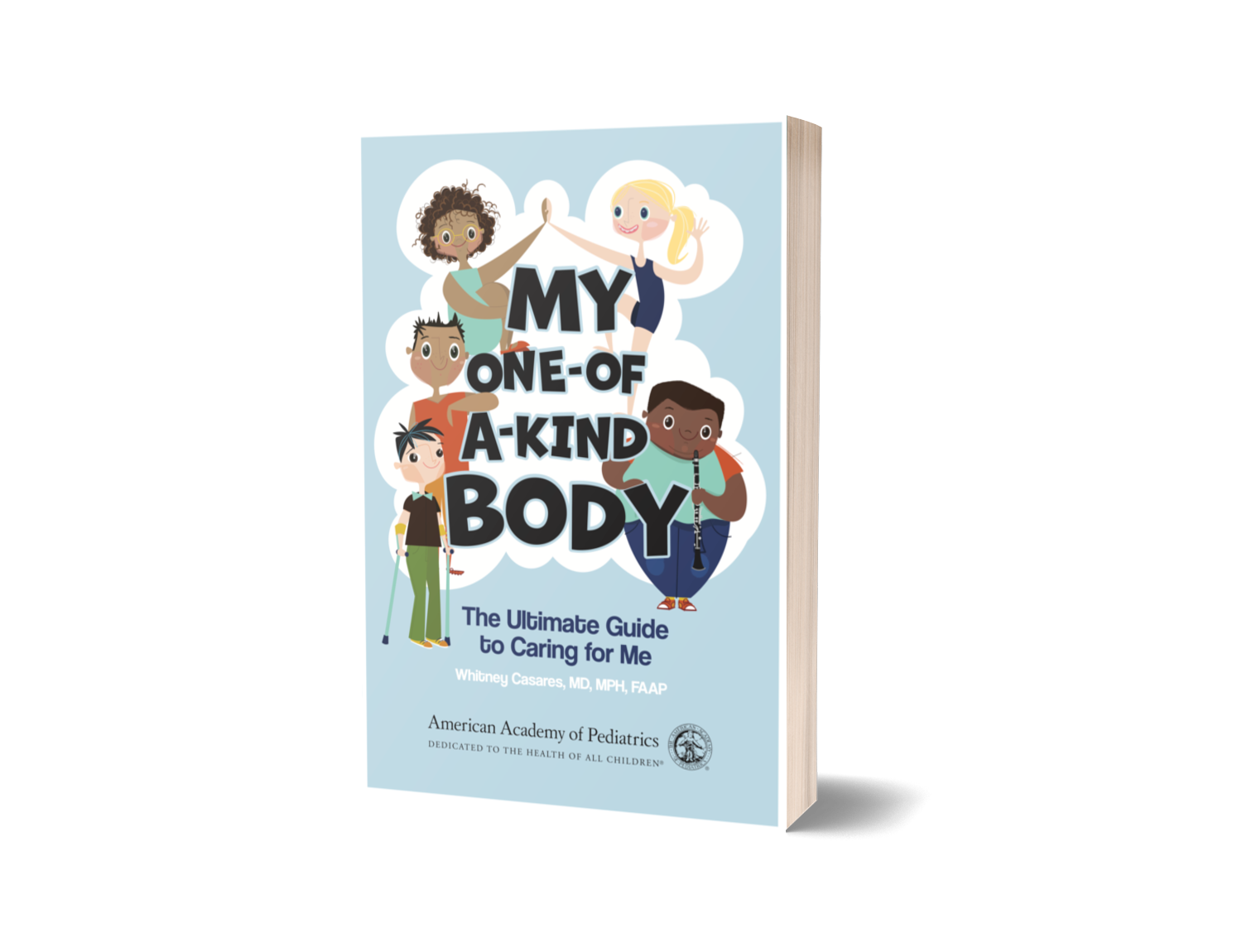
My Kids' Book on Body Confidence is Finally Here!


Wish your partner would do more to lessen your mental load?


Want to make self-care a priority but not sure how to?


SIGN UP FOR SUSTAINABLE SELF-CARE. IT'S FREE. CLICK HERE


FRESH

ON THE PODCAST


By Dr. Whitney December 17, 2025
About the Episode: In this episode, Dr. Whitney sits down with Dr. Jay Gargus and Dave Justus from NeuroQure to discuss the power of early clarity when it comes to autism detection and why earlier intervention can fundamentally change outcomes for childre n and families. Dr. Gargus explains the science behind early behavioral therapies and why their impact goes far beyond short-term skill-building. Research shows that early, evidence-based interventions can lead to measurable, lifelong improvements in IQ, so cial skills, independence, and educational placement, often determining whether a child can thrive in mainstream education or requires ongoing specialized support. The conversation also tackles a critical and often overlooked issue: access. Dave Justus shares the personal motivation behind NeuroQure’s work and explains why the test is being launched at cost, with installment plans and employer subsidies, while the team works toward insurance coverage. The goal is to prevent families from losing precious years waiting for answers. Together, they emphasize a hopeful message for parents: families don’t need to wait for a future “silver bullet.” We already have therapies that work and getting kids connected to them earlier can change the course of a lifetime. In this episode, we discuss: Why early autism detection leads to lifelong changes—not just short-term gains What a 17-point IQ difference actually means for education, independence, and quality of life How early intervention can shift developmental trajectories as early as 6 months The science and validation behind current autism therapies Why NeuroQure is pricing testing at cost while pursuing insurance coverage How early clarity can reduce long-term strain on families, schools, and healthcare systems This episode is a powerful reminder that timing matters and that early access to answers can make an extraordinary difference for children and the families who love them. About Our Guest: Dr. Jay Gargus, MD, PhD is a physician-scientist and nationally recognized expert in neurodevelopmental disorders, with decades of experience researching the biological underpinnings of autism. His work has focused on translating well-established science into meaningful, real-world interventions that can improve lifelong outcomes for children. Dr. Gargus emphasizes that early, evidence-based therapies are already available—and that connecting families to them sooner can fundamentally change developmental trajectories. Dave Justus is a parent and the founder of NeuroQure, whose work is driven by personal experience navigating delayed autism diagnosis and intervention. Motivated by the belief that early clarity can spare families years of uncertainty, Dave is focused on expanding access to early testing through cost-based pricing and ongoing efforts to secure insurance coverage. His mission is simple but powerful: ensure families don’t have to wait for answers that could change everything. Want to Start Raising Body-Confident Kids Today? 📘 Order the Book Order your copy of My One-of-a-Kind Body 👉 www.raisingbodyconfidentkids.com/books 🎁 Claim Your Free Bonus When you order on our site, you’ll also get access to a FREE video mini-course with five bite-sized lessons for parents. In just 25 minutes, you’ll walk away with: Simple, script-style ways to respond when your kid says, “I hate my thighs” How to talk about health without weight talk What to do when your own inner critic shows up How to interrupt diet culture at home The first step to raising a body-confident kid, even if you didn’t grow up as one 📩 Subscribe to The Modern Mommy Doc Podcast for more episodes on parenting with confidence and clarity. Leave a review using the hashtag #ModernMommyDoc.
By Dr. Whitney November 13, 2025
Stop being so busy, and start being more present.