MMD BLOG


CATEGORY:

PARENTING

IT’S 10 A.M. HAVE YOU FAILED YOUR KIDS TODAY?

 Modern Mommy Doc


PUBLICATION DATE:

November 2, 2020

IT’S 10 A.M. HAVE YOU FAILED YOUR KIDS TODAY?

 Modern Mommy Doc

CATEGORY: PARENTING

Sometimes I wonder: If there were a scoreboard tallying up my parenting wins and fails, would I have the courage to look at it?


I know you can relate. As mamas, we feel the pressure to do it all perfectly. Meet the deadlines, pack the organic carrots, get that date night on the calendar, and be an interesting, dynamic human being. (Or at least someone you wouldn’t mind hanging out with.) Factor in months of serving as your child’s nanny/teacher/parent/best friend, and it can feel like every day is adding up to a net negative. Forget looking for a work-life balance. Right now, it’s all about work-life survival.


Parenting, Pandemic-Style

Parenting is never easy, of course. But we often make it so much harder for ourselves than it really needs to be. Why? Perfectionism. Usually, perfectionism is considered a virtue, and it can be truly inspiring from the outside. But when the “perfect” life comes at the cost of your happiness, your sanity, and your children’s well-being, it’s poison. (Check out my podcast, Fighting Perfectionism, with Amy Stoeber for more on this.) And I’ll be the one to say it: When you’re trying to raise (and possibly teach) kids during a year-long pandemic while holding down a job and a relationship, you have to let the perfectionism go.


This was driven home for me back in mid-March when I found myself hiding in a closet. I wasn’t acting out “Panic Room.” I wasn’t even playing hide-and-seek. No, I was literally hiding from my children, trying to concentrate on finishing my patient notes and attending emergency office meetings via Zoom. (My office was closed to most in-person appointments, but healthcare work never stops, especially during a pandemic.)


I hadn’t even hit the half-hour mark before my kids came looking for me. “Mooooooommmm! She’s bugging me…and I don’t want that movie. Where are you?”


I muted myself, turned off my webcam, and tried to get my girls settled while I half-listened to the conversation going on without me on the computer. My kids were upset, my partners didn’t look happy, and I was caught in the middle. I was trying to do it all, but I succeeded in doing nothing very well.


Sound familiar?


The pandemic has made it harder, but juggling the circus of responsibilities we have as modern moms doesn’t ever really let up. And to make sense out of the chaos, I often rely on what I call a centered vision for my life. I know what I want my life to look like in five years, I know what to focus on to get there, and I know what to delegate or delete to avoid any detours along the way.


This is a concept I really flesh out in my Mama Reset Self-Care Retreat (at Home), and it’s mission-critical for getting my life on the track I choose for myself. But when life throws me a curveball — in this case, a pandemic — I keep that in my back pocket and switch to survival mode.




How to Banish Burnout:

For those of you who are still working from home, who stay home but are now acting as both teachers and parents, or who are simply slogging through some combination of the many situations out there, here are my sanity-saving tips for at-home survival:


Designate areas of your home for specific tasks, and create visual cues that let your kids know you’re off-limits, whether it’s a stop sign on the door to your basement office or a cutout of a hand on the guest bedroom-turned-meditation studio.


Play with your kids early in the day. Children hate waiting for our attention, so devote the early hours to them. If at all possible, focus on getting them outside and moving so that when you finally do sit down to work, they won’t be so antsy.


Consider an alternative schedule, especially if you have a partner who is also working from home and can trade “shifts” with you throughout the day.


Be transparent with your colleagues and partners. If you’re home with your kids, set expectations accordingly.


Just say no to obligations that don’t serve you or your family’s needs. The school fundraiser, your neighbor’s pet — whatever suddenly needs you probably doesn’t really.


Make time and space for yourself. Trust me, that’s more important than it sounds.


If you’re looking for more expert advice on how to optimize your work-life balance, join my live Q&A on Instagram tomorrow, November 4, at 12:15 p.m. PST. My guest will be life strategist Katie Matusky from Entropy Organized (also in my Mama Reset Self-Care Retreat program), and she’ll be answering all your questions while dishing out practical tips and advice.


At the end of the day, whether you’re at home or the office, whether it’s a pandemic or regular life, my hope for you is that you give yourself all the grace that you need. After all, packing crackers instead of a sandwich for lunch one day or missing a Zoom class doesn’t really constitute a parenting fail. Focusing on an imaginary checklist that you think will make you a perfect parent, however, kind of is. We only have these kids as kids for so long. Our job, first and foremost, is to focus on loving them and the journey.


Hang in there, Mama. Parenting is tough, and never more so than now.

Raising Body-Confident Kids Starts at the Doctor's Office!

START NOW
By Dr. Whitney December 17, 2025
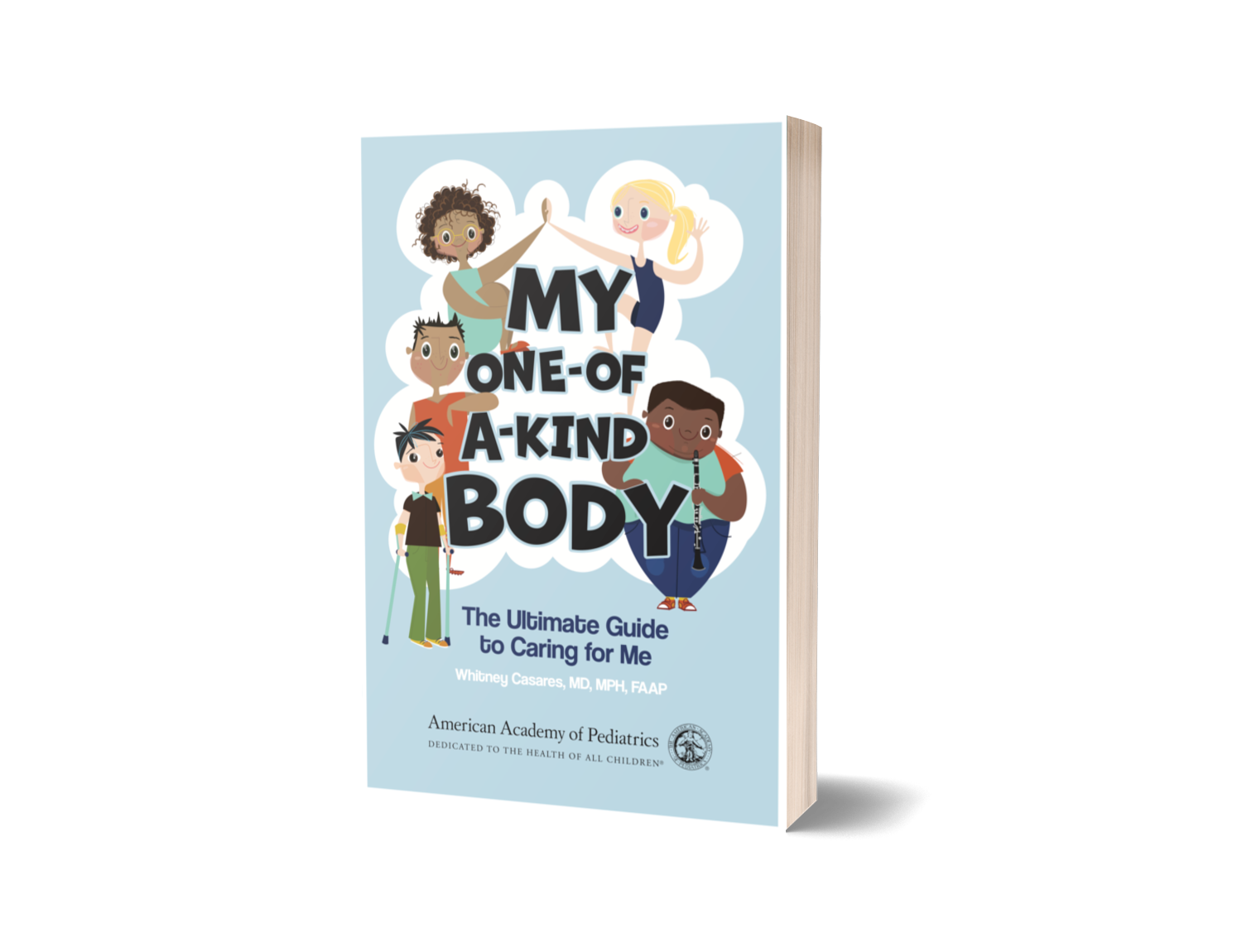
About the Episode: In this episode, Dr. Whitney sits down with Dr. Jay Gargus and Dave Justus from NeuroQure to discuss the power of early clarity when it comes to autism detection and why earlier intervention can fundamentally change outcomes for childre n and families. Dr. Gargus explains the science behind early behavioral therapies and why their impact goes far beyond short-term skill-building. Research shows that early, evidence-based interventions can lead to measurable, lifelong improvements in IQ, so cial skills, independence, and educational placement, often determining whether a child can thrive in mainstream education or requires ongoing specialized support. The conversation also tackles a critical and often overlooked issue: access. Dave Justus shares the personal motivation behind NeuroQure’s work and explains why the test is being launched at cost, with installment plans and employer subsidies, while the team works toward insurance coverage. The goal is to prevent families from losing precious years waiting for answers. Together, they emphasize a hopeful message for parents: families don’t need to wait for a future “silver bullet.” We already have therapies that work and getting kids connected to them earlier can change the course of a lifetime. In this episode, we discuss: Why early autism detection leads to lifelong changes—not just short-term gains What a 17-point IQ difference actually means for education, independence, and quality of life How early intervention can shift developmental trajectories as early as 6 months The science and validation behind current autism therapies Why NeuroQure is pricing testing at cost while pursuing insurance coverage How early clarity can reduce long-term strain on families, schools, and healthcare systems This episode is a powerful reminder that timing matters and that early access to answers can make an extraordinary difference for children and the families who love them. About Our Guest: Dr. Jay Gargus, MD, PhD is a physician-scientist and nationally recognized expert in neurodevelopmental disorders, with decades of experience researching the biological underpinnings of autism. His work has focused on translating well-established science into meaningful, real-world interventions that can improve lifelong outcomes for children. Dr. Gargus emphasizes that early, evidence-based therapies are already available—and that connecting families to them sooner can fundamentally change developmental trajectories. Dave Justus is a parent and the founder of NeuroQure, whose work is driven by personal experience navigating delayed autism diagnosis and intervention. Motivated by the belief that early clarity can spare families years of uncertainty, Dave is focused on expanding access to early testing through cost-based pricing and ongoing efforts to secure insurance coverage. His mission is simple but powerful: ensure families don’t have to wait for answers that could change everything. Want to Start Raising Body-Confident Kids Today? 📘 Order the Book Order your copy of My One-of-a-Kind Body 👉 www.raisingbodyconfidentkids.com/books 🎁 Claim Your Free Bonus When you order on our site, you’ll also get access to a FREE video mini-course with five bite-sized lessons for parents. In just 25 minutes, you’ll walk away with: Simple, script-style ways to respond when your kid says, “I hate my thighs” How to talk about health without weight talk What to do when your own inner critic shows up How to interrupt diet culture at home The first step to raising a body-confident kid, even if you didn’t grow up as one 📩 Subscribe to The Modern Mommy Doc Podcast for more episodes on parenting with confidence and clarity. Leave a review using the hashtag #ModernMommyDoc.
By Dr. Whitney November 13, 2025
Stop being so busy, and start being more present.
By Dr. Whitney November 5, 2025
Starting out right with solids doesn't have to be so scary.
By Dr. Whitney October 29, 2025
What if YOU are the one who needs to calm down first?

Welcome! Get the information you need to win at parenting without losing yourself.

LEARN MORE

My Kids' Book on Body Confidence is Finally Here!


Wish your partner would do more to lessen your mental load?


Want to make self-care a priority but not sure how to?


SIGN UP FOR SUSTAINABLE SELF-CARE. IT'S FREE. CLICK HERE


FRESH

ON THE PODCAST


By Dr. Whitney December 17, 2025
About the Episode: In this episode, Dr. Whitney sits down with Dr. Jay Gargus and Dave Justus from NeuroQure to discuss the power of early clarity when it comes to autism detection and why earlier intervention can fundamentally change outcomes for childre n and families. Dr. Gargus explains the science behind early behavioral therapies and why their impact goes far beyond short-term skill-building. Research shows that early, evidence-based interventions can lead to measurable, lifelong improvements in IQ, so cial skills, independence, and educational placement, often determining whether a child can thrive in mainstream education or requires ongoing specialized support. The conversation also tackles a critical and often overlooked issue: access. Dave Justus shares the personal motivation behind NeuroQure’s work and explains why the test is being launched at cost, with installment plans and employer subsidies, while the team works toward insurance coverage. The goal is to prevent families from losing precious years waiting for answers. Together, they emphasize a hopeful message for parents: families don’t need to wait for a future “silver bullet.” We already have therapies that work and getting kids connected to them earlier can change the course of a lifetime. In this episode, we discuss: Why early autism detection leads to lifelong changes—not just short-term gains What a 17-point IQ difference actually means for education, independence, and quality of life How early intervention can shift developmental trajectories as early as 6 months The science and validation behind current autism therapies Why NeuroQure is pricing testing at cost while pursuing insurance coverage How early clarity can reduce long-term strain on families, schools, and healthcare systems This episode is a powerful reminder that timing matters and that early access to answers can make an extraordinary difference for children and the families who love them. About Our Guest: Dr. Jay Gargus, MD, PhD is a physician-scientist and nationally recognized expert in neurodevelopmental disorders, with decades of experience researching the biological underpinnings of autism. His work has focused on translating well-established science into meaningful, real-world interventions that can improve lifelong outcomes for children. Dr. Gargus emphasizes that early, evidence-based therapies are already available—and that connecting families to them sooner can fundamentally change developmental trajectories. Dave Justus is a parent and the founder of NeuroQure, whose work is driven by personal experience navigating delayed autism diagnosis and intervention. Motivated by the belief that early clarity can spare families years of uncertainty, Dave is focused on expanding access to early testing through cost-based pricing and ongoing efforts to secure insurance coverage. His mission is simple but powerful: ensure families don’t have to wait for answers that could change everything. Want to Start Raising Body-Confident Kids Today? 📘 Order the Book Order your copy of My One-of-a-Kind Body 👉 www.raisingbodyconfidentkids.com/books 🎁 Claim Your Free Bonus When you order on our site, you’ll also get access to a FREE video mini-course with five bite-sized lessons for parents. In just 25 minutes, you’ll walk away with: Simple, script-style ways to respond when your kid says, “I hate my thighs” How to talk about health without weight talk What to do when your own inner critic shows up How to interrupt diet culture at home The first step to raising a body-confident kid, even if you didn’t grow up as one 📩 Subscribe to The Modern Mommy Doc Podcast for more episodes on parenting with confidence and clarity. Leave a review using the hashtag #ModernMommyDoc.
By Dr. Whitney November 13, 2025
Stop being so busy, and start being more present.