MMD BLOG


CATEGORY:

MOTHERHOOD + FRIENDSHIP

K.I.T.! FRIENDSHIPS IN MOTHERHOOD MATTER MORE THAN YOU MIGHT THINK

 Modern Mommy Doc


PUBLICATION DATE:

October 5, 2020

K.I.T.! FRIENDSHIPS IN MOTHERHOOD MATTER MORE THAN YOU MIGHT THINK

 Modern Mommy Doc

CATEGORY: MOTHERHOOD + FRIENDSHIP

Do you remember signing yearbooks as a kid? All those carefully scrawled entreaties to, “Stay sweet,” or be BFFs even after what seemed like an endless summer? The promises to “K.I.T.”? The home telephone numbers printed as insurance against losing touch? (Oh how cell phones have changed things for our own children!)


We’ve grown up since then. We’ve moved away for school, pursued different careers, moved again, and started families. But that drive for connection remains just as strong.


AS MOMS ESPECIALLY WE RELY
ON THAT VILLAGE

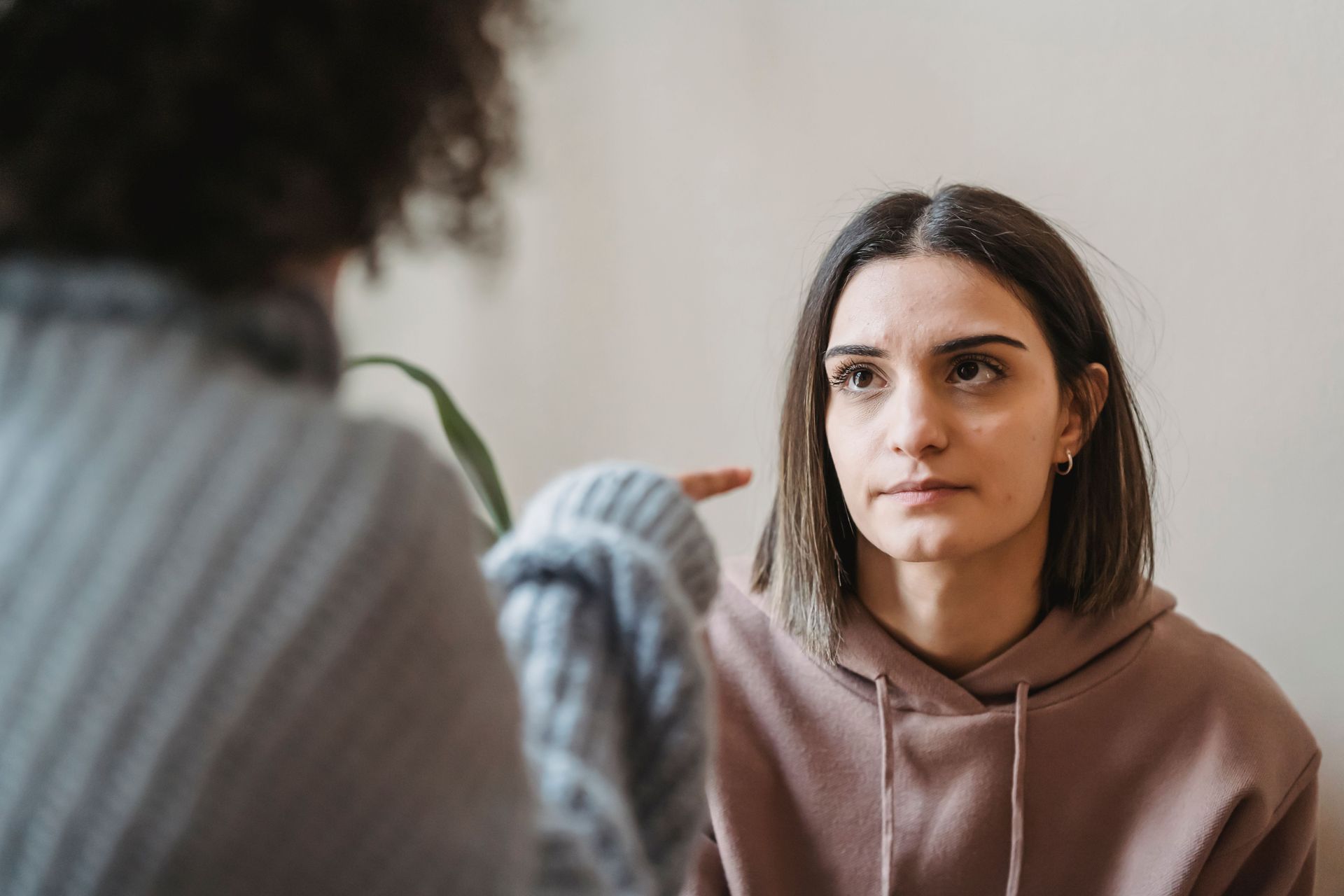
We're looking for advice and validations as we pluck our way through sleep schedules, toddler tantrums. School days, and eventually, the teenage years.Who better to fall back on than our closest friends, whether they’re lifelong pals or people you just feel like you’ve known forever?





Don’t get me wrong. Motherhood creates all kinds of opportunities to feel conflicted – even when it comes to taking time to do things that are really good for us! As modern moms, we need those friendships more than ever, but motherhood itself — with its ceaseless demands — also makes nurturing our relationships harder than ever. It’s easy to let the weeks slip by before you return that email or make that call. Forget childhood summers. Parenting is the ultimate test of friendship!


But I’m here to make the case that meeting the challenge is worth it.
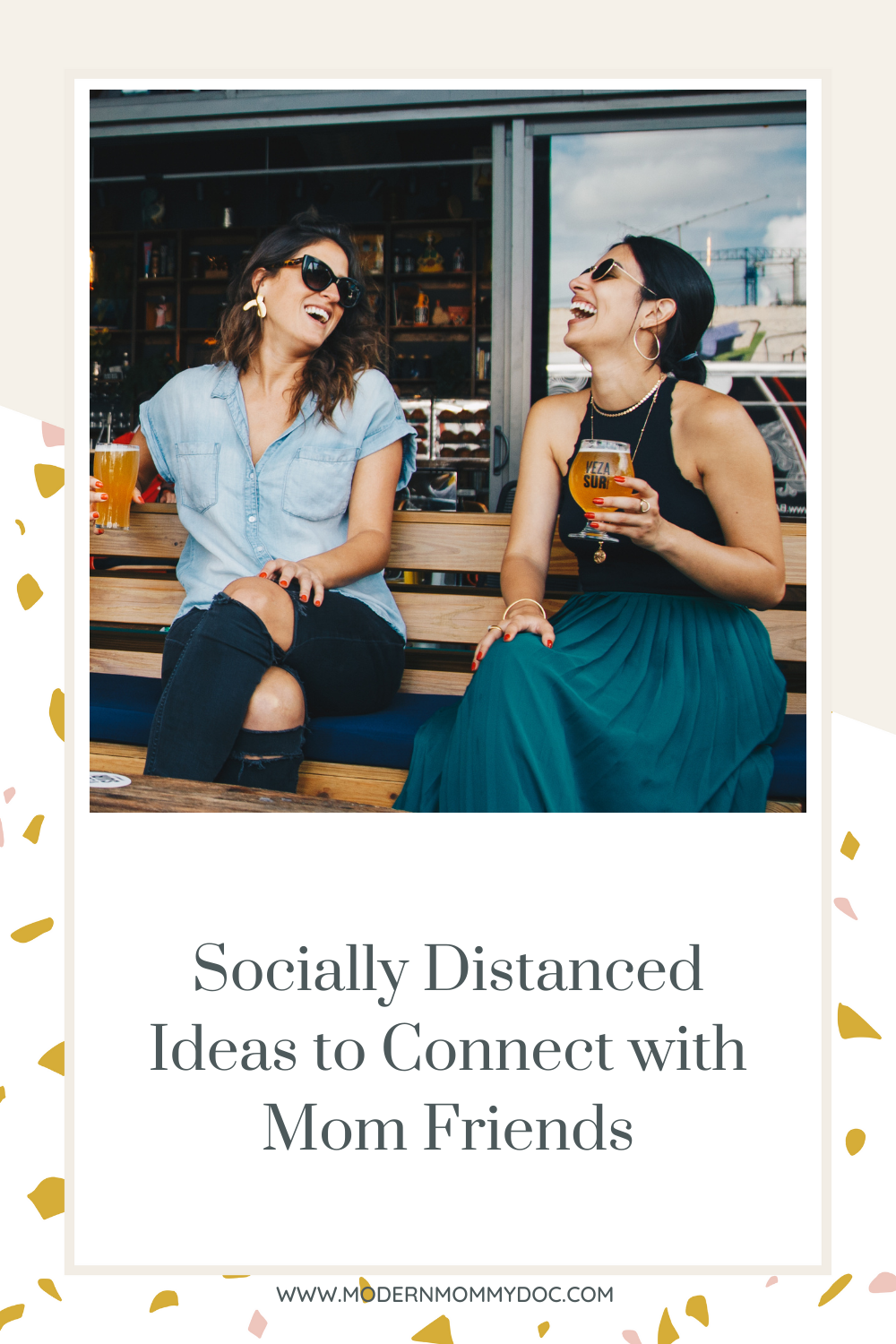


It is precisely because of those distractions and obligations of our modern lives that we need to take time for the friendships that recharge our batteries, both as human beings and as moms.


Take, for example, one of my best friends, Lisa. I’ve known Lisa since we were little babies. In middle school, she and I decided to enter a contest for Seventeen magazine. The publication was looking for contributions about friendship — an essay, a creative project, anything that highlighted what being a good friend was all about. The prize was a lifetime subscription to Seventeen and $100 for each participant. 


Lisa and I had a lot to say on the subject, but instead of writing about our history together, we decided to make a visual representation of our bond. We designed a cardboard gift box with fold-down sides and a ribbon that held it all together. Each side had 3-D photos and drawings picturing our years together in ballet classes, at summer camps, and playing with our siblings in our backyards. Lisa and I painstakingly wrapped it up and shipped it off for review. We didn’t win, but we must have taken a thousand pictures of our creation. We were so proud of our dedication to making our version of the project the best that it could be. 


ADULT FRIENDSHIPS ARE, IN MANY WAYS,
A VITAL FORM OF SELF-CARE.


A lot has changed since those days. Now Lisa lives in California and I’m up north. She works from home as an independent consultant, and I’m in the office all day. But our friendship has evolved to grow with the changes in our individual lives. We hosted each other’s first baby showers. We’ve gone to three Justin Timberlake concerts together in the past six years. She's the kind of person I can call if I'm having a rough day (or a rough month), and even if we haven't spoken in months, she knows just what to say. 


Geography has separated us in ways that Covid-19 has done for plenty of best friends who live in the same neighborhood. And I think that is actually encouraging. Lisa and I still connect by phone and on social media, and our friendship is proof that the power of connection can transcend distance. The benefits of understanding and being understood, after all, make the effort worth it. Adult friendships are, in many ways, a vital form of self-care.


That’s actually one of the reasons why I designed my online retreat, The Mama Reset Self-Care Retreat (at Home), as something women can do together. It’s a three hour mental getaway allowing you to recenter, recharge and reconnect on what matters most - covering mental, physical and nutritional wellness. Taking time for ourselves is crucial, but doing it alongside other women you respect and love can amplify the empowerment factor (and can make it more fun!).


So I encourage you to look at your own circle and reach out in a way that honors your particular circumstances. Host a virtual happy hour or brunch with your besties. Take a distanced yoga class with your squad, or simply enjoy a glass of wine on the porch with another friend. The chance to connect, talk, and laugh is exactly what this doctor ordered.


Raising Body-Confident Kids Starts at the Doctor's Office!

START NOW
By Modern Mommy Doc • October 9, 2026
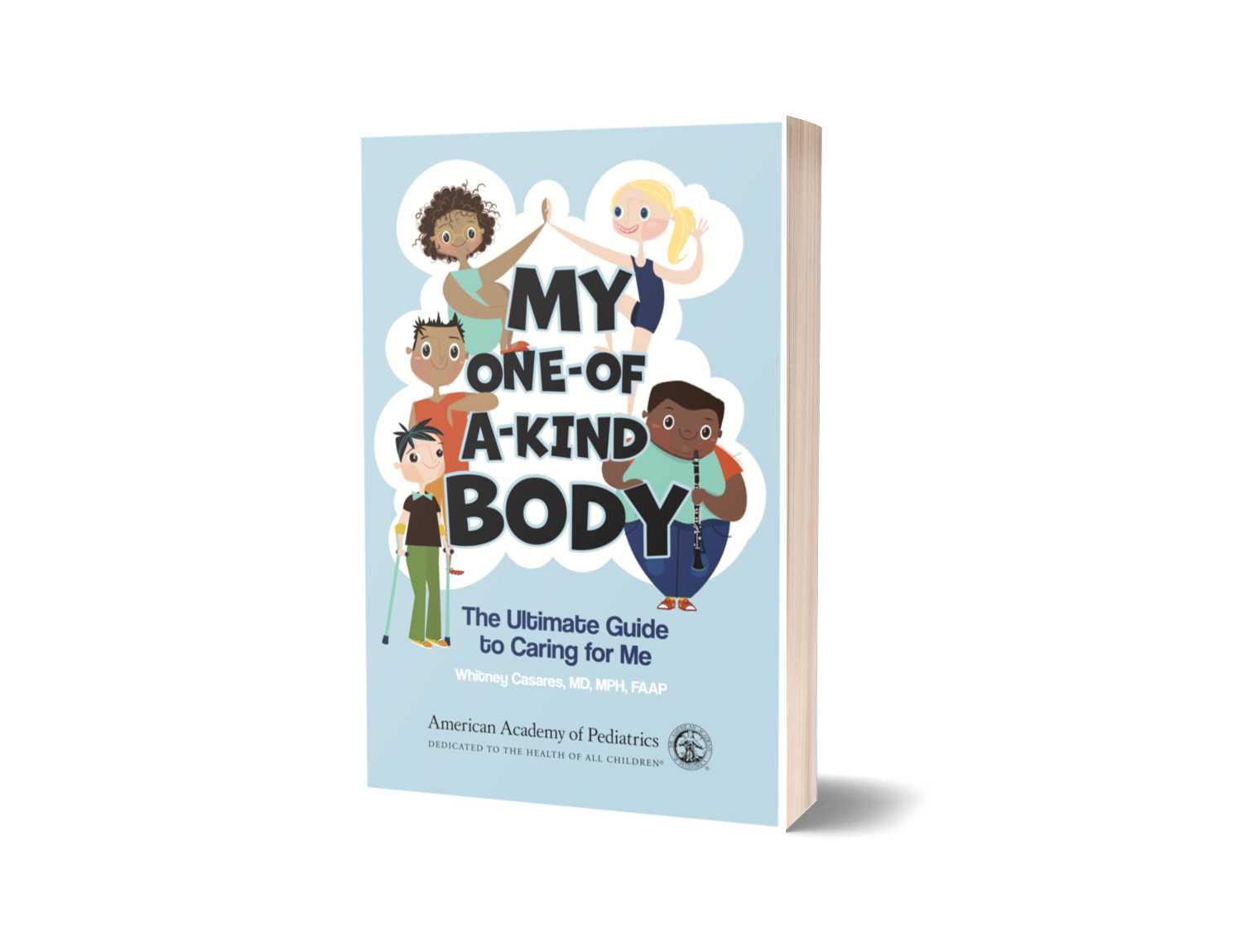
About the Episode: There’s so much parenting advice out there, and most of it doesn’t matter nearly as much as the internet wants you to think. (Seed oils? We have bigger fish to fry.) In this solo episode, Dr. Whitney gets back to basics and shares the six evidence-based parenting principles she focuses on as a pediatrician, the ones she dug into with a leading child development researcher. She also shares how these play out in real life as a mom of two neurodivergent kids, because guidance only helps if it actually fits your family. Key takeaways: Be sensitive and responsive. Simple practices like mirroring your child’s emotions and “serve and return” interactions build a loving, trusting foundation. Dr. Whitney shares how a Halloween decorating session turned into a deep conversation about religion once she slowed down and got curious. Meet kids where they are, especially at their worst. Drawing on Tina Payne Bryson, co-author of The Whole-Brain Child , Dr. Whitney explains that soothing a meltdown isn’t giving in. It’s letting your child know they’re not alone in a big feeling. Model self-regulation, and repair when you lose it. Self-regulation predicts academic success better than IQ. The goal isn’t staying calm all the time, it’s understanding why you got dysregulated, coming back to baseline, and offering yourself some self-compassion. Set limits for your kids and yourself. Every child’s needs are different (screen time affects Dr. Whitney’s two daughters very differently), but all kids need limits, and so do parents. Taking time for yourself models something healthy. Aim for authoritative, not permissive. High expectations paired with warmth and grace is the sweet spot. “Gentle parenting” can blur into permissiveness, which research shows is as harmful as authoritarian parenting. Protect unstructured time. Kids need boredom and free play to become self-directed. For ADHD and autistic kids, Dr. Whitney recommends offering a few options and letting kids choose. Support internal motivation. Using a “mirrors facing outward” image from her own therapist, Dr. Whitney explains why we want kids to trust their own instincts rather than constantly look outward for approval. Want to Start Raising Body-Confident Kids Today? 📘 Order the Books Raising Body-Confident Kids If you've ever caught yourself saying something to your kid about their body that sounded exactly like what your mother said to you, this book is for you. Raising Body-Confident Kids is a research-backed, judgment-free guide for parents who want to break the cycle of diet culture and body shame without swinging into toxic positivity or giving up all structure around food and movement. It answers the real questions parents are actually asking about Ozempic, about picky eaters, about what to say when your kid is being bullied for their body, and about social media influences. This is a practical, values-based game plan you can actually use, even if your own relationship with your body is still a work in progress. My One-of-a-Kind Body My One-of-a-Kind Body gives kids the language and understanding they need to care for their bodies with respect without fear, shame, or appearance-based messaging. Through inclusive illustrations and evidence-based health education, the book teaches body literacy, boundaries, and self-trust in a way kids can actually grasp. 👉 www.raisingbodyconfidentkids.com/books
By Modern Mommy Doc • October 5, 2026
What really matters when it comes to college admissions (for you and for them).
By Modern Mommy Doc • September 17, 2026
Kids going off to college are mean for a reason.
By Modern Mommy Doc • September 10, 2026
Maybe winning back to school isn't what we really want, after all.
By Modern Mommy Doc • August 27, 2026
First-class service has a lot to do with first-class parenting.

Welcome! Get the information you need to win at parenting without losing yourself.

LEARN MORE

My Kids' Book on Body Confidence


Trying to break the cycle of body shame and diet culture?


Overwhelmed by all the parenting advice out there?


SIGN UP FOR THE FREE STARTER KIT: UNBOTHERED. IT'S FREE. CLICK HERE


FRESH

ON THE PODCAST


By Modern Mommy Doc • October 9, 2026
About the Episode: There’s so much parenting advice out there, and most of it doesn’t matter nearly as much as the internet wants you to think. (Seed oils? We have bigger fish to fry.) In this solo episode, Dr. Whitney gets back to basics and shares the six evidence-based parenting principles she focuses on as a pediatrician, the ones she dug into with a leading child development researcher. She also shares how these play out in real life as a mom of two neurodivergent kids, because guidance only helps if it actually fits your family. Key takeaways: Be sensitive and responsive. Simple practices like mirroring your child’s emotions and “serve and return” interactions build a loving, trusting foundation. Dr. Whitney shares how a Halloween decorating session turned into a deep conversation about religion once she slowed down and got curious. Meet kids where they are, especially at their worst. Drawing on Tina Payne Bryson, co-author of The Whole-Brain Child , Dr. Whitney explains that soothing a meltdown isn’t giving in. It’s letting your child know they’re not alone in a big feeling. Model self-regulation, and repair when you lose it. Self-regulation predicts academic success better than IQ. The goal isn’t staying calm all the time, it’s understanding why you got dysregulated, coming back to baseline, and offering yourself some self-compassion. Set limits for your kids and yourself. Every child’s needs are different (screen time affects Dr. Whitney’s two daughters very differently), but all kids need limits, and so do parents. Taking time for yourself models something healthy. Aim for authoritative, not permissive. High expectations paired with warmth and grace is the sweet spot. “Gentle parenting” can blur into permissiveness, which research shows is as harmful as authoritarian parenting. Protect unstructured time. Kids need boredom and free play to become self-directed. For ADHD and autistic kids, Dr. Whitney recommends offering a few options and letting kids choose. Support internal motivation. Using a “mirrors facing outward” image from her own therapist, Dr. Whitney explains why we want kids to trust their own instincts rather than constantly look outward for approval. Want to Start Raising Body-Confident Kids Today? 📘 Order the Books Raising Body-Confident Kids If you've ever caught yourself saying something to your kid about their body that sounded exactly like what your mother said to you, this book is for you. Raising Body-Confident Kids is a research-backed, judgment-free guide for parents who want to break the cycle of diet culture and body shame without swinging into toxic positivity or giving up all structure around food and movement. It answers the real questions parents are actually asking about Ozempic, about picky eaters, about what to say when your kid is being bullied for their body, and about social media influences. This is a practical, values-based game plan you can actually use, even if your own relationship with your body is still a work in progress. My One-of-a-Kind Body My One-of-a-Kind Body gives kids the language and understanding they need to care for their bodies with respect without fear, shame, or appearance-based messaging. Through inclusive illustrations and evidence-based health education, the book teaches body literacy, boundaries, and self-trust in a way kids can actually grasp. 👉 www.raisingbodyconfidentkids.com/books
By Modern Mommy Doc • October 5, 2026
What really matters when it comes to college admissions (for you and for them).
By Modern Mommy Doc • September 17, 2026
Kids going off to college are mean for a reason.