MMD BLOG


CATEGORY:

FAMILY + PARENTING HACKS

MOTHERHOOD LESSONS FROM NETFLIX: HOW TO GET YOUR HOUSE MORE ORGANIZED AND YOUR LIFE LESS COMPLICATED

 Modern Mommy Doc


PUBLICATION DATE:

January 17, 2019

MOTHERHOOD LESSONS FROM NETFLIX: HOW TO GET YOUR HOUSE MORE ORGANIZED AND YOUR LIFE LESS COMPLICATED

 Modern Mommy Doc

CATEGORY: FAMILY + PARENTING HACKS

I’ve been watching a lot of Netflix lately. Scratch that. I’m kind of always watching Netflix. This month, though, is January—a time for New Year’s resolutions and mommyhood goals. So, as I sat watching my nightly dose of Netflix last week, I came across a new series: Tidying Up. If you haven’t heard about it yet, you probably will soon. The main star, Marie Kondo, is like the guru of keeping all things organized.


I started watching the show because, well, hey, I could use some tidying tips just like all the other moms I know. It definitely delivered. I learned a whole new way of folding (basically fold all your clothes into little rectangles, organize vertically when possible, and put like shapes or sizes together), but by episode 8, the key to Marie Kondo’s success with struggling families was clear: you need less stuff than you think you do and you’ll be able to enjoy your life more if you only have to take care of the things you really cherish.


Marie’s secret to success, which she says so often you start to get a little nauseated after you hear it enough, is to choose items in your life that “spark joy.” 


Like I said, it’s a little cheesy, or at least it seems that way on the surface. Somehow though, as you watch these families part ways with their unnecessary clutter and start to truly enjoy their belongings and their spaces it’s almost, dare I say, tear-jerking. Episode after episode (don’t hate on me—I didn’t have work the next day when I started watching and I love a good TV binge session from time to time), you watch people get back to what they intended for their families, for their homes, for their lives. It gets real deep real fast, people. 


Of course, that next weekend, I started doing a modified version of the KonMari cleaning method. I went through my house category by category, parting with the excess, neatly folding and arranging. Marie actually recommends that you thank each item—I tried my best, but failed after a few hours. My house WAS definitely cleaner and calmer. It wasn’t perfect—with two kids under the age of six trailing behind me pulling freshly-sorted crayons and toys onto the carpet behind me, it’s never going to be—but it was better. 


Probably more important than that, though, was the mental process I went through. I learned so much by analyzing, piece by piece, item by item, what I really needed and what was weighing me down—what things I didn’t even really care about but just kept picking up and putting back on a shelf over and over again out of routine.


Marie was right. The more I practiced some mindfulness about what sparked joy for me, the more easily I was able to make really good decisions about what I actually wanted my home to be like and to look like (ie. very decluttered). 


Plus, (you knew I was going to go here so let’s just go for it) the more I looked at my house that way, the more I started to look at my life that way. The more I pondered, the more I started to think about what I go around doing week after week, day after day, that I feel like I have to do—either to keep up with the Joneses or to keep myself overly busy because that’s just what “we moms” do or JUST BECAUSE I’VE NEVER TAKEN THE TIME TO THINK ABOUT IT. I started thinking about how sparking joy is usually pretty far down on my priority list (It’s high on my list for my kids, but it’s relatively low on my list for myself). I started realizing that, not only was it time to clean things out and get more joy in my house, it was also time to declutter my schedule and get more joy in my HOME and with my FAMILY. 


One of the psychologists in my pediatrics clinic taught me a powerful trick to that end because organizing your life according to joy levels is a lot more complicated than donating a five-year-old shirt you’re done wearing to Goodwill. She asks families she sees in our office to get a monthly calendar and write down all of their obligations—meetings, appointments, big school projects, after-school or weekend activities. Unless it’s something they really look forward to all week long, she has them write it all down in red. Then she has them take a blue pen and write down all the activities they do that are for relaxation, for recreation or for fun. 


The results are often shocking to patients as they realize just how much time they spend throughout the week spinning plates.


It turns out, the more plates you have to spin, the more work it takes to just keep them all in motion. It’s one thing to get my two daughters to dance class or to music lessons. It’s quite another thing to set three alarms a few months ahead so I don’t miss the opportunity to sign them up in the first place. No wonder I'm (we’re) all stressed to the max. In some ways, we’re choosing to be


I'm probably never going to perfectly declutter my home while my kids are young. The constant influx of artwork, clothing, and toys almost guarantees that. I can though, along with all the other families I meet, work on a less is more mentality. When our physical spaces, our schedules, and our minds are simpler, they allow us to focus more on what really matters, instead of focusing on trying to maintain a bunch of junk. 


This month, here’s what I’m working on in the declutter department:


1. I’m following a kind of modified KonMari organizing method:


I'm going through clothes, toys, books, kitchenware, bathroom, and sentimental items one at a time. I'm choosing which items I want to keep based on what brings me joy (minus kitchen utensils and toothbrushes). So far, I’ve done clothes and toys. I probably got rid of 30% of the items I had in each category—many of which I was just holding onto for the sake of nostalgia or guilt. In the beginning, I did try to thank each discarded item like Marie suggests. Still, I’m going to be totally honest: at some point, I stopped feeling so guilty as I started seeing empty shelf space and I felt free to just keep on trekking with some pretty split-second decisions that required hardly any pondering. 


2. I’m looking at my own calendar.


I'm trying to decide what takes up the most of my time outside of work and where I can cut back or streamline.t


I canceled my daughter’s dance class across town because I found a, maybe less than perfect but still totally great, option that required less time on the road. I’m figuring out ways to run at lunch a few days a week when possible. It allows me to clear up my evening time to be with my kids. 


3. I’m doing more weekend meal planning and grocery shopping.


For a long time, I subscribed to meal kit programs like Sun Basket and Hello Fresh. They were especially useful to me when my youngest daughter was just a baby and I had no brain space left to even think about creating wholesome meals for my family. Now, though, my oldest has become quite the kitchen helper. These days, we look through cookbooks or think up meals together on Sundays, take a jog up to the grocery store, and then Uber home with everything we need for the week. I have a meal planner outline from Rifle Paper Company attached to my fridge with a detachable shopping list I use to keep us on track. 


4. We bought two mini whiteboards —one for parents and one for kids—that we keep visible by our family calendar in the kitchen.


Each whiteboard has room to note upcoming special events, lessons, meetings, and trips we have planned for the coming week. Some weeks I look at the whiteboards and they look crazy with activities. That's okay. If they are, it’s a visual reminder that we need to scale back the next week.


Tidy House = Happy Home


I’m probably never going to be the most organized mom out there. Since perfection is overrated, though, I’m not too worried about getting a Housekeeper of the Year Award. To me, getting decluttered isn’t just about cleaning up my house (though that is an amazing byproduct). The way I declutter or organize might very well change next month—or the next time I watch a Netflix series—anyway. It’s about figuring out what’s really important, what really brings joy—in our homes, our schedules, in our lives. And, well, who doesn’t want a little more of that?




Raising Body-Confident Kids Starts at the Doctor's Office!

START NOW
By Dr. Whitney December 17, 2025
About the Episode: In this episode, Dr. Whitney sits down with Dr. Jay Gargus and Dave Justus from NeuroQure to discuss the power of early clarity when it comes to autism detection and why earlier intervention can fundamentally change outcomes for childre n and families. Dr. Gargus explains the science behind early behavioral therapies and why their impact goes far beyond short-term skill-building. Research shows that early, evidence-based interventions can lead to measurable, lifelong improvements in IQ, so cial skills, independence, and educational placement, often determining whether a child can thrive in mainstream education or requires ongoing specialized support. The conversation also tackles a critical and often overlooked issue: access. Dave Justus shares the personal motivation behind NeuroQure’s work and explains why the test is being launched at cost, with installment plans and employer subsidies, while the team works toward insurance coverage. The goal is to prevent families from losing precious years waiting for answers. Together, they emphasize a hopeful message for parents: families don’t need to wait for a future “silver bullet.” We already have therapies that work and getting kids connected to them earlier can change the course of a lifetime. In this episode, we discuss: Why early autism detection leads to lifelong changes—not just short-term gains What a 17-point IQ difference actually means for education, independence, and quality of life How early intervention can shift developmental trajectories as early as 6 months The science and validation behind current autism therapies Why NeuroQure is pricing testing at cost while pursuing insurance coverage How early clarity can reduce long-term strain on families, schools, and healthcare systems This episode is a powerful reminder that timing matters and that early access to answers can make an extraordinary difference for children and the families who love them. About Our Guest: Dr. Jay Gargus, MD, PhD is a physician-scientist and nationally recognized expert in neurodevelopmental disorders, with decades of experience researching the biological underpinnings of autism. His work has focused on translating well-established science into meaningful, real-world interventions that can improve lifelong outcomes for children. Dr. Gargus emphasizes that early, evidence-based therapies are already available—and that connecting families to them sooner can fundamentally change developmental trajectories. Dave Justus is a parent and the founder of NeuroQure, whose work is driven by personal experience navigating delayed autism diagnosis and intervention. Motivated by the belief that early clarity can spare families years of uncertainty, Dave is focused on expanding access to early testing through cost-based pricing and ongoing efforts to secure insurance coverage. His mission is simple but powerful: ensure families don’t have to wait for answers that could change everything. Want to Start Raising Body-Confident Kids Today? 📘 Order the Book Order your copy of My One-of-a-Kind Body 👉 www.raisingbodyconfidentkids.com/books 🎁 Claim Your Free Bonus When you order on our site, you’ll also get access to a FREE video mini-course with five bite-sized lessons for parents. In just 25 minutes, you’ll walk away with: Simple, script-style ways to respond when your kid says, “I hate my thighs” How to talk about health without weight talk What to do when your own inner critic shows up How to interrupt diet culture at home The first step to raising a body-confident kid, even if you didn’t grow up as one 📩 Subscribe to The Modern Mommy Doc Podcast for more episodes on parenting with confidence and clarity. Leave a review using the hashtag #ModernMommyDoc.
By Dr. Whitney November 13, 2025
Stop being so busy, and start being more present.
By Dr. Whitney November 5, 2025
Starting out right with solids doesn't have to be so scary.
By Dr. Whitney October 29, 2025
What if YOU are the one who needs to calm down first?

Welcome! Get the information you need to win at parenting without losing yourself.

LEARN MORE

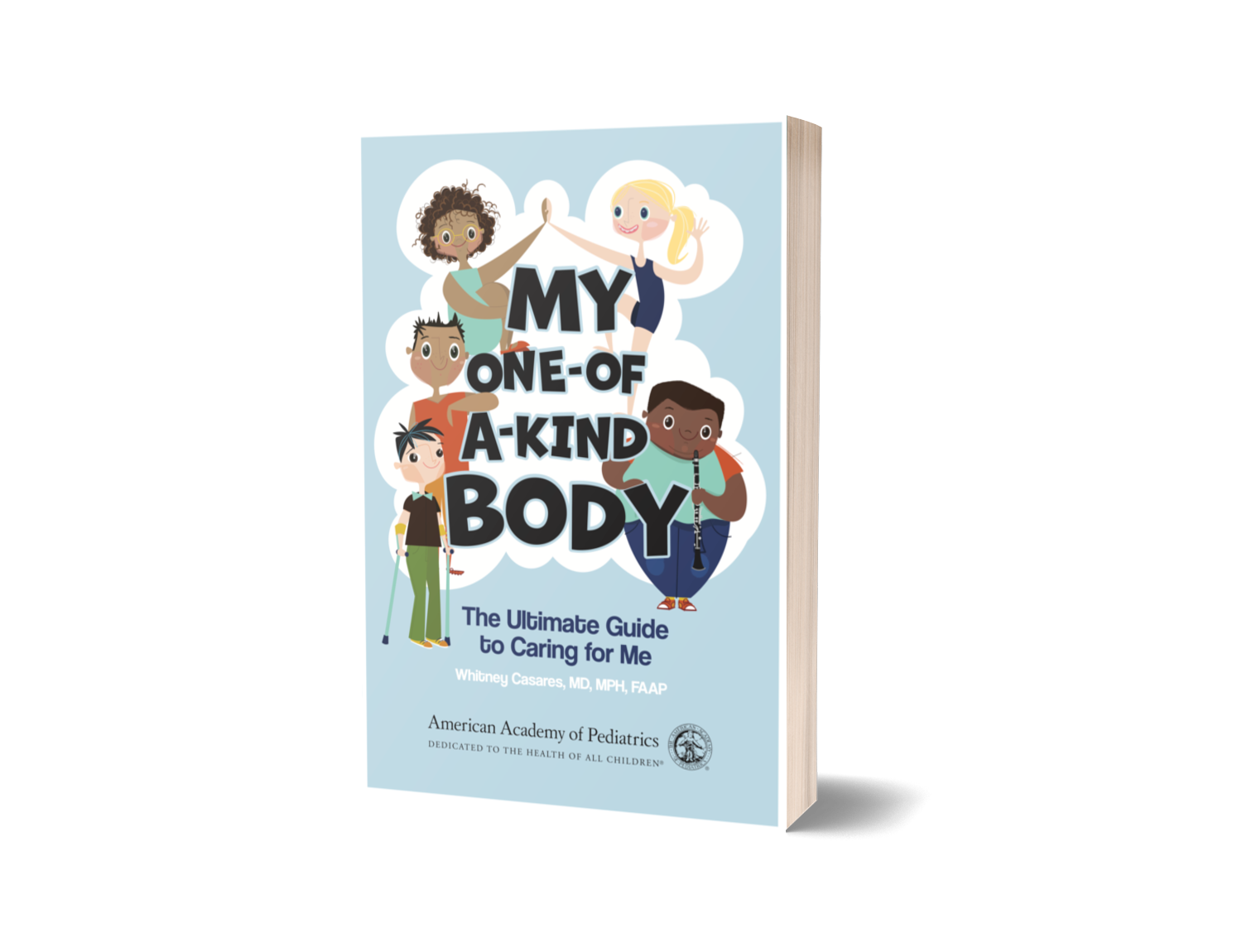
My Kids' Book on Body Confidence is Finally Here!


Wish your partner would do more to lessen your mental load?


Want to make self-care a priority but not sure how to?


SIGN UP FOR SUSTAINABLE SELF-CARE. IT'S FREE. CLICK HERE


FRESH

ON THE PODCAST


By Dr. Whitney December 17, 2025
About the Episode: In this episode, Dr. Whitney sits down with Dr. Jay Gargus and Dave Justus from NeuroQure to discuss the power of early clarity when it comes to autism detection and why earlier intervention can fundamentally change outcomes for childre n and families. Dr. Gargus explains the science behind early behavioral therapies and why their impact goes far beyond short-term skill-building. Research shows that early, evidence-based interventions can lead to measurable, lifelong improvements in IQ, so cial skills, independence, and educational placement, often determining whether a child can thrive in mainstream education or requires ongoing specialized support. The conversation also tackles a critical and often overlooked issue: access. Dave Justus shares the personal motivation behind NeuroQure’s work and explains why the test is being launched at cost, with installment plans and employer subsidies, while the team works toward insurance coverage. The goal is to prevent families from losing precious years waiting for answers. Together, they emphasize a hopeful message for parents: families don’t need to wait for a future “silver bullet.” We already have therapies that work and getting kids connected to them earlier can change the course of a lifetime. In this episode, we discuss: Why early autism detection leads to lifelong changes—not just short-term gains What a 17-point IQ difference actually means for education, independence, and quality of life How early intervention can shift developmental trajectories as early as 6 months The science and validation behind current autism therapies Why NeuroQure is pricing testing at cost while pursuing insurance coverage How early clarity can reduce long-term strain on families, schools, and healthcare systems This episode is a powerful reminder that timing matters and that early access to answers can make an extraordinary difference for children and the families who love them. About Our Guest: Dr. Jay Gargus, MD, PhD is a physician-scientist and nationally recognized expert in neurodevelopmental disorders, with decades of experience researching the biological underpinnings of autism. His work has focused on translating well-established science into meaningful, real-world interventions that can improve lifelong outcomes for children. Dr. Gargus emphasizes that early, evidence-based therapies are already available—and that connecting families to them sooner can fundamentally change developmental trajectories. Dave Justus is a parent and the founder of NeuroQure, whose work is driven by personal experience navigating delayed autism diagnosis and intervention. Motivated by the belief that early clarity can spare families years of uncertainty, Dave is focused on expanding access to early testing through cost-based pricing and ongoing efforts to secure insurance coverage. His mission is simple but powerful: ensure families don’t have to wait for answers that could change everything. Want to Start Raising Body-Confident Kids Today? 📘 Order the Book Order your copy of My One-of-a-Kind Body 👉 www.raisingbodyconfidentkids.com/books 🎁 Claim Your Free Bonus When you order on our site, you’ll also get access to a FREE video mini-course with five bite-sized lessons for parents. In just 25 minutes, you’ll walk away with: Simple, script-style ways to respond when your kid says, “I hate my thighs” How to talk about health without weight talk What to do when your own inner critic shows up How to interrupt diet culture at home The first step to raising a body-confident kid, even if you didn’t grow up as one 📩 Subscribe to The Modern Mommy Doc Podcast for more episodes on parenting with confidence and clarity. Leave a review using the hashtag #ModernMommyDoc.
By Dr. Whitney November 13, 2025
Stop being so busy, and start being more present.