MMD BLOG


CATEGORY:

SELF-CARE, MAMA WELLNESS + PARENTING

MOTHERHOOD DOESN'T HAVE TO BE PERFECT TO BE GREAT (AND NEITHER DOES SELF-CARE)

 Modern Mommy Doc


PUBLICATION DATE:

January 1, 2019

MOTHERHOOD DOESN'T HAVE TO BE PERFECT TO BE GREAT (AND NEITHER DOES SELF-CARE)

 Modern Mommy Doc

CATEGORY: SELF-CARE, MAMA WELLNESS + PARENTING

So, apparently, Christmas was a bust this year, at least according to my five-year-old daughter. 


“Mom, I think I don’t really want to celebrate again” she told me yesterday. Her little body let out a heavy sigh and her long lashes turned down to the floor. 


“Why’s that, sweetie?”


“Well, it wasn’t snowing so we didn’t have a White Christmas and some of my gifts weren’t what I told Santa that I wanted. So, we might as well not celebrate the holiday next year.”


Now it was my turn to breathe a big sigh. I know you know exactly why. I spent weeks making a list and checking it twice (no three times) to make sure everyone was fully accounted for in the Santa department and, knowing my oldest is especially sensitive, I made sure to go over her part of the list a few times just to ward off disappointment. This is not the first time I’ve heard about a birthday or even a school day being less than ideal.


Despite my best efforts though (and things way out of my control like the weather, for instance), I guess Christmas didn’t meet the mark in her book.


“Darling,” I told her, “You get what you get and you don’t throw a fit. Santa and mommy can’t read your mind but we love you very much and wanted Christmas to be special. I bet you loved the chocolate cake you got at dinner and the sparkly chandelier you got for your room (yes, you heard that right. I bought my kid a crystal (plastic), fancy (Target clearance special) light fixture as a present. The moment she opened the package, her eyes lit up like she’d just won the stinkin’ lottery).” Her eyes sparkled again at the memory and she reluctantly acquiesced to the idea that we would not be doing a second-chance holiday extravaganza to make up for any failures in the first round. 


It’s pretty easy for me to let my kid’s disappointment go when it’s unreasonable—to brush it off as immaturity. It’s harder, though, when it comes to my own expectations and threshold for disappointment—not so much at the holidays, but for my life as a whole.


I realized as I watched my daughter sulking that I have a way of sulking a lot, too—of really needing certain aspects of my world to be just the way I want them to be…or I consider them not good at all. 


That’s true for so many other moms I meet, too.


When it comes to their performances as mothers, when it comes to their children’s health or when it comes to their own health: in order for things to be good enough, they have to be perfectly perfect. 


The most obvious area where my plans for perfection get thwarted? Exercise. 


I’m never going to be a fashion model and I’m not trying to get to a size two, but I think it’s safe to say I’m obsessed with exercising. I don’t mean I have an eating disorder—that I’m obsessed with my appearance or with reaching top physical fitness. I mean that, when I’m exercising consistently, I eat better, sleep better, feel better, act better—I am literally a better person. And when I’m not, I’m a pretty miserable, anxious, sluggish individual. 


My work life plus my home life, unfortunately, make it incredibly difficult to make working out even three times a week a reality. My oldest daughter often wakes up early in the morning and snuggles in bed with me before I leave for work, waking the instant I rouse myself to do an early morning video. My patients’ appointments often edge past closing time at the office, making it impossible to arrive in time for an after work studio session. Even on my late-start work days, my nanny doesn’t arrive until 7:00 a.m., making it usually impossible to get out of the house in time to make it to any type of organized studio-type event with enough time to also get to the office.


Enter me, crying on the couch a few weeks ago about how I never actually get to get to a spin class, or a yoga class or a ____ (fill in the blank with some other yuppy, group-based exercise experience). There I was, complaining to my husband about how I can never fit a workout in, about how I feel some days like physical fitness is a totally wasted goal now that my post-two baby, late 30s bod takes about 150% more effort to maintain, much less improve.


Extrapolating past fitness to the bigger picture—to the picture almost every mom I know paints sometimes about wanting just a few moments of freedom to reconnect to her pre-mom self. 


And enter my husband, sitting next to me on the couch—who hates analyzing for the sake of analysis but who also has a way of speaking streamlined wisdom in the moments that really count. After offering up alternatives to my preconceived self-care plans (take a run when you get home with one of the kids, get a pass to the tiny gym on the first floor of your building and jump on the elliptical for 15 minutes at lunch, squeeze in 10 minutes on an exercise video), to which I all turned down, he said this:


“You know, it doesn’t have to be perfect to be great.”


He was so right. Just like I try to teach my own kids to be flexible problem-solvers, I have to work on the same thing for myself. I also have to accept that, for my current stage of mommyhood, things need to be a little less fancy and a little more abbreviated when it comes to physical self-care. Whereas taking a full hour at a time by myself was really critical to my mental health in my babies’ newborn days, I have more bandwidth now to think a bit outside the box.


I started running again, something I’ve enjoyed since junior high school but have done way less of in the last five years. It’s like I’m saying “hi” to an old friend. I still make it to classes on the weekends when I can but the pressure is off to make it all work in quite the same way. The added benefit? I’ve started taking my kids with me—my oldest riding right alongside me or my youngest riding in the stroller—and it’s giving us even more quality time together. 


Sometimes we make things—even good things that are meant to be relaxing and rejuvenating—so much more complicated than they need to be.


It turns out my daughter and I both have something to learn about not getting upset when things don’t go exactly our way (me, especially). My New Year’s Resolution? To approach my motherhood experience—with all the ups and downs and unexpecteds that come with it—with the perspective that perfect would be nice, but that less than perfect can be pretty amazing, too.


 

Raising Body-Confident Kids Starts at the Doctor's Office!

START NOW
By Dr. Whitney December 17, 2025
About the Episode: In this episode, Dr. Whitney sits down with Dr. Jay Gargus and Dave Justus from NeuroQure to discuss the power of early clarity when it comes to autism detection and why earlier intervention can fundamentally change outcomes for childre n and families. Dr. Gargus explains the science behind early behavioral therapies and why their impact goes far beyond short-term skill-building. Research shows that early, evidence-based interventions can lead to measurable, lifelong improvements in IQ, so cial skills, independence, and educational placement, often determining whether a child can thrive in mainstream education or requires ongoing specialized support. The conversation also tackles a critical and often overlooked issue: access. Dave Justus shares the personal motivation behind NeuroQure’s work and explains why the test is being launched at cost, with installment plans and employer subsidies, while the team works toward insurance coverage. The goal is to prevent families from losing precious years waiting for answers. Together, they emphasize a hopeful message for parents: families don’t need to wait for a future “silver bullet.” We already have therapies that work and getting kids connected to them earlier can change the course of a lifetime. In this episode, we discuss: Why early autism detection leads to lifelong changes—not just short-term gains What a 17-point IQ difference actually means for education, independence, and quality of life How early intervention can shift developmental trajectories as early as 6 months The science and validation behind current autism therapies Why NeuroQure is pricing testing at cost while pursuing insurance coverage How early clarity can reduce long-term strain on families, schools, and healthcare systems This episode is a powerful reminder that timing matters and that early access to answers can make an extraordinary difference for children and the families who love them. About Our Guest: Dr. Jay Gargus, MD, PhD is a physician-scientist and nationally recognized expert in neurodevelopmental disorders, with decades of experience researching the biological underpinnings of autism. His work has focused on translating well-established science into meaningful, real-world interventions that can improve lifelong outcomes for children. Dr. Gargus emphasizes that early, evidence-based therapies are already available—and that connecting families to them sooner can fundamentally change developmental trajectories. Dave Justus is a parent and the founder of NeuroQure, whose work is driven by personal experience navigating delayed autism diagnosis and intervention. Motivated by the belief that early clarity can spare families years of uncertainty, Dave is focused on expanding access to early testing through cost-based pricing and ongoing efforts to secure insurance coverage. His mission is simple but powerful: ensure families don’t have to wait for answers that could change everything. Want to Start Raising Body-Confident Kids Today? 📘 Order the Book Order your copy of My One-of-a-Kind Body 👉 www.raisingbodyconfidentkids.com/books 🎁 Claim Your Free Bonus When you order on our site, you’ll also get access to a FREE video mini-course with five bite-sized lessons for parents. In just 25 minutes, you’ll walk away with: Simple, script-style ways to respond when your kid says, “I hate my thighs” How to talk about health without weight talk What to do when your own inner critic shows up How to interrupt diet culture at home The first step to raising a body-confident kid, even if you didn’t grow up as one 📩 Subscribe to The Modern Mommy Doc Podcast for more episodes on parenting with confidence and clarity. Leave a review using the hashtag #ModernMommyDoc.
By Dr. Whitney November 13, 2025
Stop being so busy, and start being more present.
By Dr. Whitney November 5, 2025
Starting out right with solids doesn't have to be so scary.
By Dr. Whitney October 29, 2025
What if YOU are the one who needs to calm down first?

Welcome! Get the information you need to win at parenting without losing yourself.

LEARN MORE

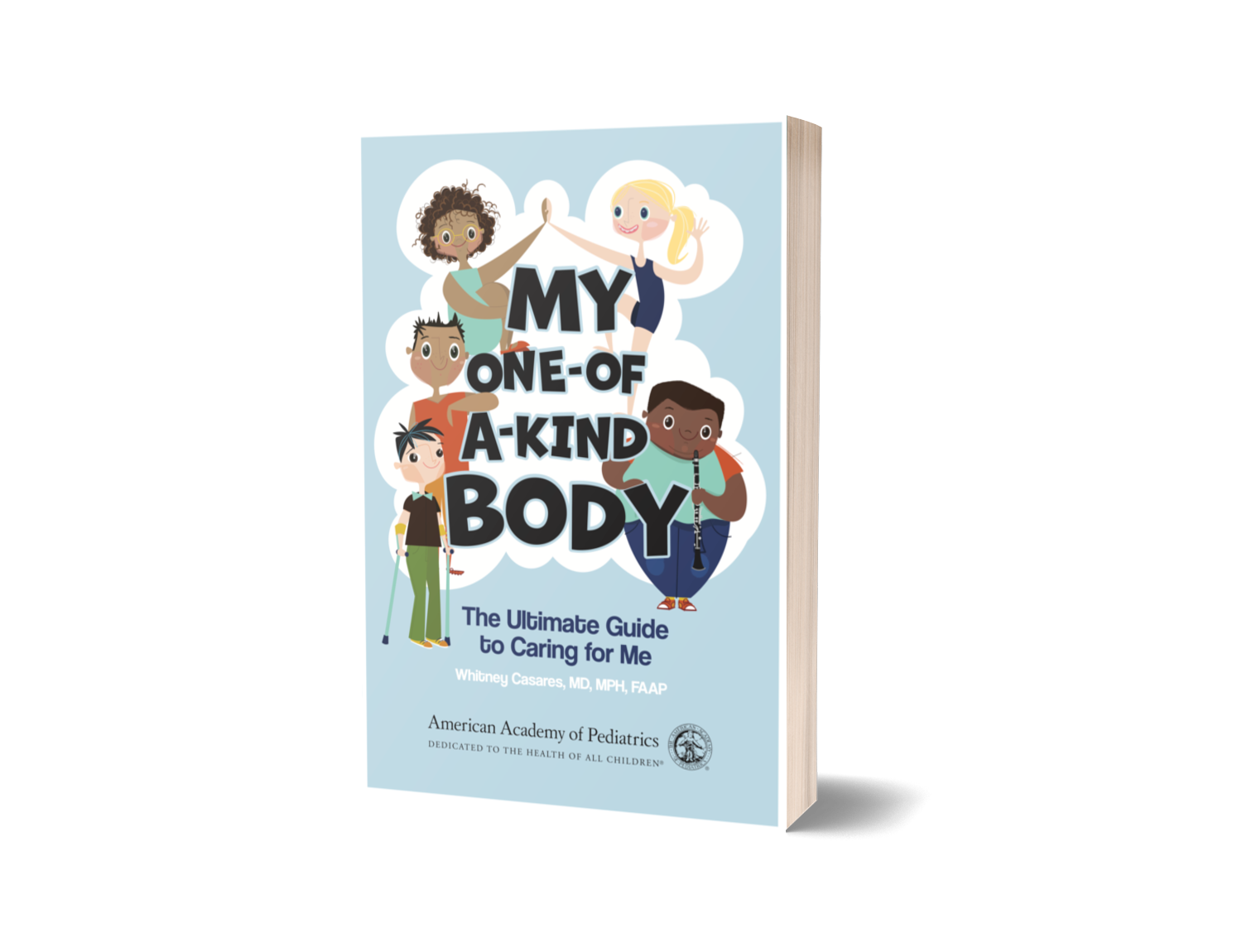
My Kids' Book on Body Confidence is Finally Here!


Wish your partner would do more to lessen your mental load?


Want to make self-care a priority but not sure how to?


SIGN UP FOR SUSTAINABLE SELF-CARE. IT'S FREE. CLICK HERE


FRESH

ON THE PODCAST


By Dr. Whitney December 17, 2025
About the Episode: In this episode, Dr. Whitney sits down with Dr. Jay Gargus and Dave Justus from NeuroQure to discuss the power of early clarity when it comes to autism detection and why earlier intervention can fundamentally change outcomes for childre n and families. Dr. Gargus explains the science behind early behavioral therapies and why their impact goes far beyond short-term skill-building. Research shows that early, evidence-based interventions can lead to measurable, lifelong improvements in IQ, so cial skills, independence, and educational placement, often determining whether a child can thrive in mainstream education or requires ongoing specialized support. The conversation also tackles a critical and often overlooked issue: access. Dave Justus shares the personal motivation behind NeuroQure’s work and explains why the test is being launched at cost, with installment plans and employer subsidies, while the team works toward insurance coverage. The goal is to prevent families from losing precious years waiting for answers. Together, they emphasize a hopeful message for parents: families don’t need to wait for a future “silver bullet.” We already have therapies that work and getting kids connected to them earlier can change the course of a lifetime. In this episode, we discuss: Why early autism detection leads to lifelong changes—not just short-term gains What a 17-point IQ difference actually means for education, independence, and quality of life How early intervention can shift developmental trajectories as early as 6 months The science and validation behind current autism therapies Why NeuroQure is pricing testing at cost while pursuing insurance coverage How early clarity can reduce long-term strain on families, schools, and healthcare systems This episode is a powerful reminder that timing matters and that early access to answers can make an extraordinary difference for children and the families who love them. About Our Guest: Dr. Jay Gargus, MD, PhD is a physician-scientist and nationally recognized expert in neurodevelopmental disorders, with decades of experience researching the biological underpinnings of autism. His work has focused on translating well-established science into meaningful, real-world interventions that can improve lifelong outcomes for children. Dr. Gargus emphasizes that early, evidence-based therapies are already available—and that connecting families to them sooner can fundamentally change developmental trajectories. Dave Justus is a parent and the founder of NeuroQure, whose work is driven by personal experience navigating delayed autism diagnosis and intervention. Motivated by the belief that early clarity can spare families years of uncertainty, Dave is focused on expanding access to early testing through cost-based pricing and ongoing efforts to secure insurance coverage. His mission is simple but powerful: ensure families don’t have to wait for answers that could change everything. Want to Start Raising Body-Confident Kids Today? 📘 Order the Book Order your copy of My One-of-a-Kind Body 👉 www.raisingbodyconfidentkids.com/books 🎁 Claim Your Free Bonus When you order on our site, you’ll also get access to a FREE video mini-course with five bite-sized lessons for parents. In just 25 minutes, you’ll walk away with: Simple, script-style ways to respond when your kid says, “I hate my thighs” How to talk about health without weight talk What to do when your own inner critic shows up How to interrupt diet culture at home The first step to raising a body-confident kid, even if you didn’t grow up as one 📩 Subscribe to The Modern Mommy Doc Podcast for more episodes on parenting with confidence and clarity. Leave a review using the hashtag #ModernMommyDoc.
By Dr. Whitney November 13, 2025
Stop being so busy, and start being more present.