MMD BLOG


CATEGORY:

KIDS + PARENTING

OFF-LOAD YOUR WAY TO HAPPINESS

 Modern Mommy Doc


PUBLICATION DATE:

March 8, 2021

OFF-LOAD YOUR WAY TO HAPPINESS

 Modern Mommy Doc

CATEGORY: KIDS + PARENTING

Talk to a handful of C-suite executives, and you’ll begin to see a pattern to their success. There’s hard work, yes. And there’s drive. But there’s also the ability to delegate. Sharing the burden of any major level of responsibility (and what job can rival modern parenting in that category?) is key to finding balance, joy, and even purpose. It’s time, in other words, to delegate like a mom.


STOP TAKING ONE EVERYTHING

FOR THE TEAM

One of the first steps toward living a centered life is identifying all your commitments and deciding which ones you have to keep and which ones can go. This is especially important for working moms who are often juggling two sets of tasks: one at home and one at the office. (You can read more about how to thrive as a working mom in my new book coming out in May!) 


Mama, whether you work outside the home or not, I’m willing to bet that you have a lot on your plate that can go to someone else. I’m not talking about hiring an assistant and a nanny. (I wish!) I’m talking about all the stuff around the house that you do unconsciously. Picking up toys? Unloading the dishwasher? Setting the table? Not only are there other people who can do these and similar tasks, but they actually already live with you.


That’s right: it’s your kids. You know how everyone always talks about the importance of being able to be a “team-player” at work? Well, it’s true at home, too. And while it might take some coaxing to get Gary down the hall to turn in his spreadsheet on time, kids are usually pretty excited to help out.


Co-Parenting Dads Mom Retreat Online Parenting Course

ACTIONS ACCORDING TO AGE

As Amanda Ripley points out in her book, The Smartest Kids in the World, kids are capable of far more intellectually than we give them credit for. The same can be said for what they can do at home.


Think about your children’s current responsibilities. What do you expect of them? What do they expect of themselves? Usually, there’s room for improvement. The chart below, which I include in my Parenting in Partnership program, shows just how much room I’m talking about.


Parenting In Partnership: List of Chores by Age

MANY HANDS MAKE LIGHT WORK

Like any habit, recruiting littles to help out around the house will take time. But if you add on responsibilities slowly, praising your child each time she does something herself (or praising the effort if she tries), you will gradually reap more rewards than a shorter to-do list. Kids who know how to pick up a messy room,  who are generous and kind, who recognize that part of being a family means pitching in — those are the ones who grow up to be adults you want to hang around with.


That said, if you find your kids aren’t jumping up and down at the prospect of unloading the dishwasher (read: tweens and teens!), incentives are a great way to turn chores into rewards. This doesn’t have to be money or food. (Although it can be — no judgement!) It can also be privileges, from picking the movie for family movie night to deciding what’s for dinner.


Finally, Mama, I’ve said it before but it bears repeating: if you have a partner, bring him/her into the loop. Talking about what’s on both of your plates can sometimes make it easier to  divide and conquer. See if there are tasks you can trade or automate. (I’m much better at getting the kids ready for school and out the door in the morning, for example, while my husband can take on their bedtime stalling tactics without so much as an eye roll.) Above all, let each other handle your lists as you both see fit. Your co-parent may not have the same style (or even the same timeline) you do, but if the list gets done, who cares?


Modern parenting is all about getting creative!


Raising Body-Confident Kids Starts at the Doctor's Office!

START NOW
By Dr. Whitney December 17, 2025
About the Episode: In this episode, Dr. Whitney sits down with Dr. Jay Gargus and Dave Justus from NeuroQure to discuss the power of early clarity when it comes to autism detection and why earlier intervention can fundamentally change outcomes for childre n and families. Dr. Gargus explains the science behind early behavioral therapies and why their impact goes far beyond short-term skill-building. Research shows that early, evidence-based interventions can lead to measurable, lifelong improvements in IQ, so cial skills, independence, and educational placement, often determining whether a child can thrive in mainstream education or requires ongoing specialized support. The conversation also tackles a critical and often overlooked issue: access. Dave Justus shares the personal motivation behind NeuroQure’s work and explains why the test is being launched at cost, with installment plans and employer subsidies, while the team works toward insurance coverage. The goal is to prevent families from losing precious years waiting for answers. Together, they emphasize a hopeful message for parents: families don’t need to wait for a future “silver bullet.” We already have therapies that work and getting kids connected to them earlier can change the course of a lifetime. In this episode, we discuss: Why early autism detection leads to lifelong changes—not just short-term gains What a 17-point IQ difference actually means for education, independence, and quality of life How early intervention can shift developmental trajectories as early as 6 months The science and validation behind current autism therapies Why NeuroQure is pricing testing at cost while pursuing insurance coverage How early clarity can reduce long-term strain on families, schools, and healthcare systems This episode is a powerful reminder that timing matters and that early access to answers can make an extraordinary difference for children and the families who love them. About Our Guest: Dr. Jay Gargus, MD, PhD is a physician-scientist and nationally recognized expert in neurodevelopmental disorders, with decades of experience researching the biological underpinnings of autism. His work has focused on translating well-established science into meaningful, real-world interventions that can improve lifelong outcomes for children. Dr. Gargus emphasizes that early, evidence-based therapies are already available—and that connecting families to them sooner can fundamentally change developmental trajectories. Dave Justus is a parent and the founder of NeuroQure, whose work is driven by personal experience navigating delayed autism diagnosis and intervention. Motivated by the belief that early clarity can spare families years of uncertainty, Dave is focused on expanding access to early testing through cost-based pricing and ongoing efforts to secure insurance coverage. His mission is simple but powerful: ensure families don’t have to wait for answers that could change everything. Want to Start Raising Body-Confident Kids Today? 📘 Order the Book Order your copy of My One-of-a-Kind Body 👉 www.raisingbodyconfidentkids.com/books 🎁 Claim Your Free Bonus When you order on our site, you’ll also get access to a FREE video mini-course with five bite-sized lessons for parents. In just 25 minutes, you’ll walk away with: Simple, script-style ways to respond when your kid says, “I hate my thighs” How to talk about health without weight talk What to do when your own inner critic shows up How to interrupt diet culture at home The first step to raising a body-confident kid, even if you didn’t grow up as one 📩 Subscribe to The Modern Mommy Doc Podcast for more episodes on parenting with confidence and clarity. Leave a review using the hashtag #ModernMommyDoc.
By Dr. Whitney November 13, 2025
Stop being so busy, and start being more present.
By Dr. Whitney November 5, 2025
Starting out right with solids doesn't have to be so scary.
By Dr. Whitney October 29, 2025
What if YOU are the one who needs to calm down first?

Welcome! Get the information you need to win at parenting without losing yourself.

LEARN MORE

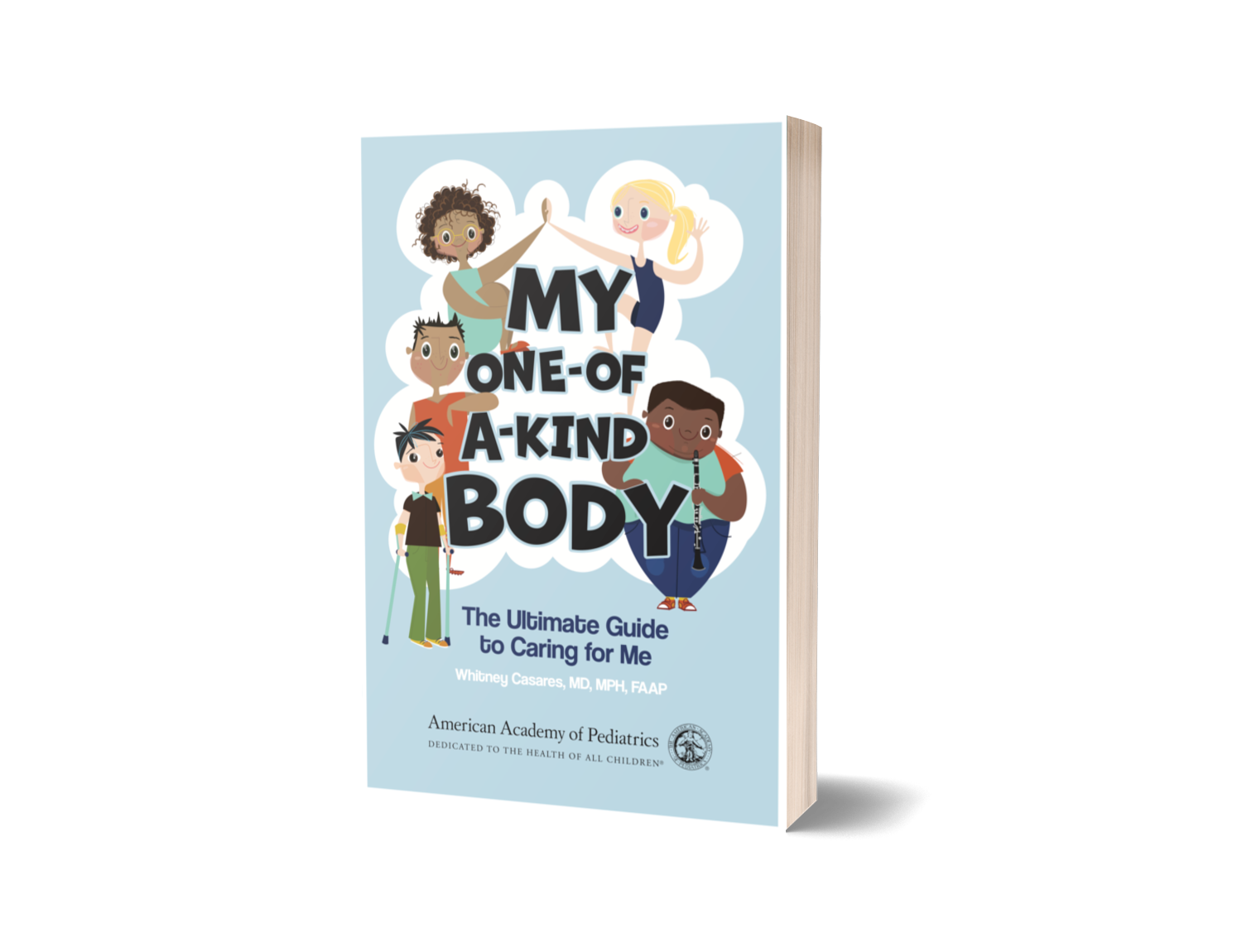
My Kids' Book on Body Confidence is Finally Here!


Wish your partner would do more to lessen your mental load?


Want to make self-care a priority but not sure how to?


SIGN UP FOR SUSTAINABLE SELF-CARE. IT'S FREE. CLICK HERE


FRESH

ON THE PODCAST


By Dr. Whitney December 17, 2025
About the Episode: In this episode, Dr. Whitney sits down with Dr. Jay Gargus and Dave Justus from NeuroQure to discuss the power of early clarity when it comes to autism detection and why earlier intervention can fundamentally change outcomes for childre n and families. Dr. Gargus explains the science behind early behavioral therapies and why their impact goes far beyond short-term skill-building. Research shows that early, evidence-based interventions can lead to measurable, lifelong improvements in IQ, so cial skills, independence, and educational placement, often determining whether a child can thrive in mainstream education or requires ongoing specialized support. The conversation also tackles a critical and often overlooked issue: access. Dave Justus shares the personal motivation behind NeuroQure’s work and explains why the test is being launched at cost, with installment plans and employer subsidies, while the team works toward insurance coverage. The goal is to prevent families from losing precious years waiting for answers. Together, they emphasize a hopeful message for parents: families don’t need to wait for a future “silver bullet.” We already have therapies that work and getting kids connected to them earlier can change the course of a lifetime. In this episode, we discuss: Why early autism detection leads to lifelong changes—not just short-term gains What a 17-point IQ difference actually means for education, independence, and quality of life How early intervention can shift developmental trajectories as early as 6 months The science and validation behind current autism therapies Why NeuroQure is pricing testing at cost while pursuing insurance coverage How early clarity can reduce long-term strain on families, schools, and healthcare systems This episode is a powerful reminder that timing matters and that early access to answers can make an extraordinary difference for children and the families who love them. About Our Guest: Dr. Jay Gargus, MD, PhD is a physician-scientist and nationally recognized expert in neurodevelopmental disorders, with decades of experience researching the biological underpinnings of autism. His work has focused on translating well-established science into meaningful, real-world interventions that can improve lifelong outcomes for children. Dr. Gargus emphasizes that early, evidence-based therapies are already available—and that connecting families to them sooner can fundamentally change developmental trajectories. Dave Justus is a parent and the founder of NeuroQure, whose work is driven by personal experience navigating delayed autism diagnosis and intervention. Motivated by the belief that early clarity can spare families years of uncertainty, Dave is focused on expanding access to early testing through cost-based pricing and ongoing efforts to secure insurance coverage. His mission is simple but powerful: ensure families don’t have to wait for answers that could change everything. Want to Start Raising Body-Confident Kids Today? 📘 Order the Book Order your copy of My One-of-a-Kind Body 👉 www.raisingbodyconfidentkids.com/books 🎁 Claim Your Free Bonus When you order on our site, you’ll also get access to a FREE video mini-course with five bite-sized lessons for parents. In just 25 minutes, you’ll walk away with: Simple, script-style ways to respond when your kid says, “I hate my thighs” How to talk about health without weight talk What to do when your own inner critic shows up How to interrupt diet culture at home The first step to raising a body-confident kid, even if you didn’t grow up as one 📩 Subscribe to The Modern Mommy Doc Podcast for more episodes on parenting with confidence and clarity. Leave a review using the hashtag #ModernMommyDoc.
By Dr. Whitney November 13, 2025
Stop being so busy, and start being more present.