MMD BLOG


CATEGORY:

WORKING MOMS + MAMA WELLNESS

OUT OF OFFICE: WHY YOU SHOULD TAKE THE DAY OFF FROM BEING CHIEF HOME OFFICER

 Modern Mommy Doc


PUBLICATION DATE:

March 22, 2021

OUT OF OFFICE: WHY YOU SHOULD TAKE THE DAY OFF FROM BEING CHIEF HOME OFFICER

 Modern Mommy Doc

CATEGORY: WORKING MOMS + MAMA WELLNESS

A few years ago, I remember reading an article about Mother’s Day. The writer observed how, instead of a spa day or sleeping in, what she really wanted was a day centered on the motherhood experience. Not the laundry. Not the dishes. Not the perpetually sticky floors. She just wanted to have fun with her kids, no chores attached.


This stuck with me, Mama. For all of us who work outside the home, we are used to negotiating our time out of the office. We lock down a certain number of days off before we take a job. We put in requests for PTO around holidays and vacations. But when it comes to motherhood, we’ve somehow drunk the Kool-Aid that we’re supposed to always be on duty.


What if we chose a different path? What if we assumed the role of a benevolent manager to our mom-selves and said, “With this job, you are responsible for a lot of repetitive but important tasks, you get a pension plan of unlimited love and joy, and you’re guaranteed regular days off from the drudgery?” I think, Mama, we’d be happier parents and people.


OVERCOMING YOUR INNER-OVERACHIEVER


It can be hard, of course, to check out for the day. I get it. We are programmed to think about how we can multitask better, how we can optimize every minute, how we can be successful at home and at work in half the time. That’s grit. That’s drive. And in so many situations, that’s commendable.


But as I wrote a few weeks ago, burnout is a very real consequence of that mentality. We owe it to ourselves to step back every now and then to do fun things just for the sake of, you know, fun.


And if you think our Covid-era lifestyles preclude everything you’d want to do, think again. This isn’t a call for some grand gesture so much as it is an urging toward intentionally enjoying ourselves now and then for no other purpose than to bring happiness back into our parenting.


Still not convinced? Here are a few doable ideas to get you started:


  1. Snuggle In: Even if you can’t sleep in, you can stay in your pjs all day and watch movies and color together.
  2. Bake: Forget pandemic baking. You’re baking for NO REASON! Cake, bread, whatever your jam is, you’re putting that sucker in the oven just. For. Fun.
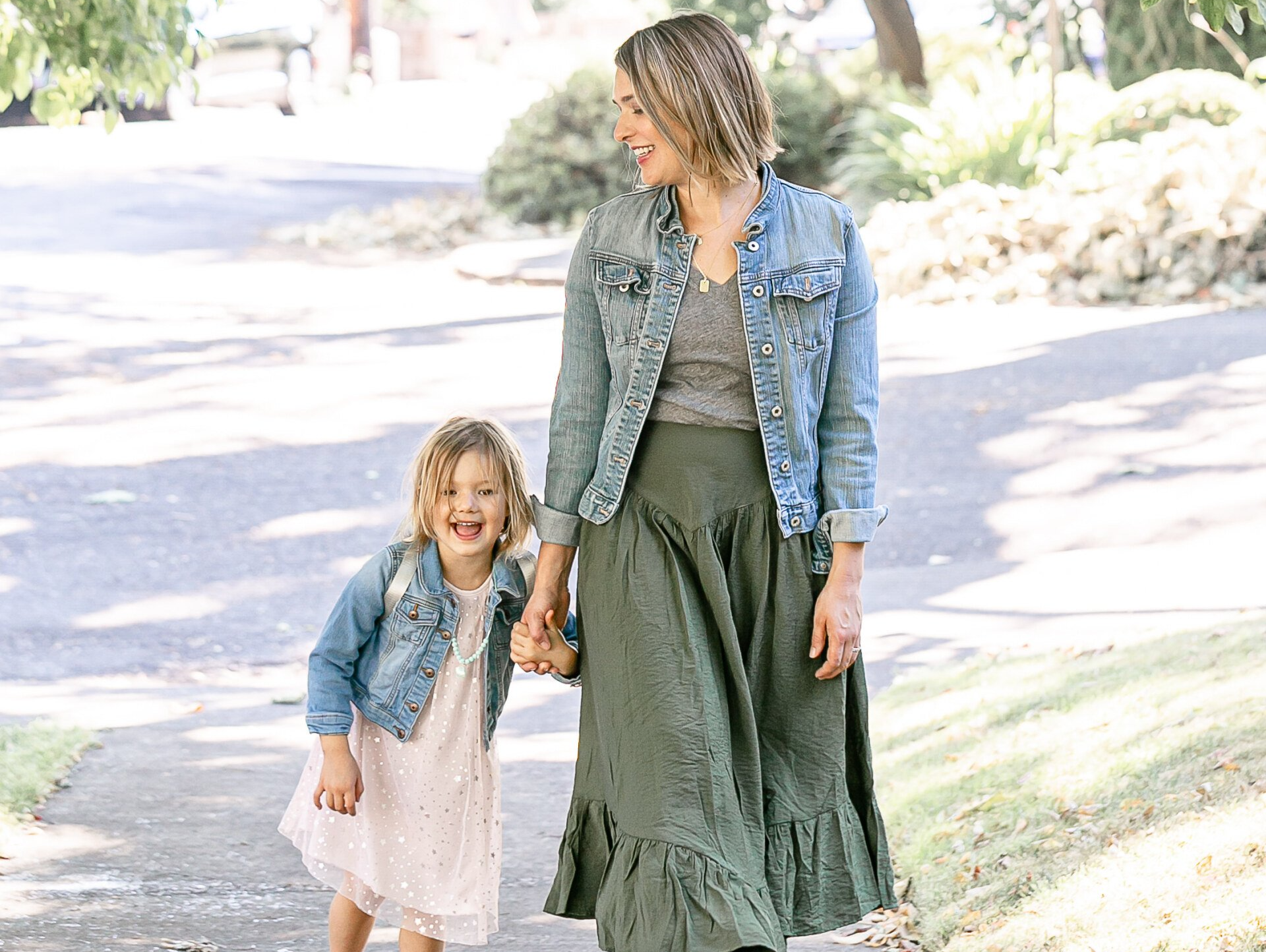
  3. Get Outside: No park playdates here! Nope, you’re going on a walk just to feel the sunshine together. (Or, if you’re in Portland, to admire the clouds.) If you can’t completely squelch that overachiever mentality, you’re allowed to pack a picnic. But don’t forget dessert!
  4. Bust Out the Boardgames: Even toddlers can hold their own in a game of memory or Candyland. And that analog-style fun will bring back your own happy childhood memories.


PTO: APPROVED


So how often should you be doing this? Well, that’s up to you. There are those out there making the case that laziness has certain hidden advantages. (Looking at you, creativity!) I personally find that once a month strikes the balance between doable and rejuvenating. If you can do it once a week, more power to you. If you can’t do it at all, I urge you to reconsider. And, if all else fails, put it on your calendar. You can always schedule the laundry for the next day.


Raising Body-Confident Kids Starts at the Doctor's Office!

START NOW
By Modern Mommy Doc • October 9, 2026
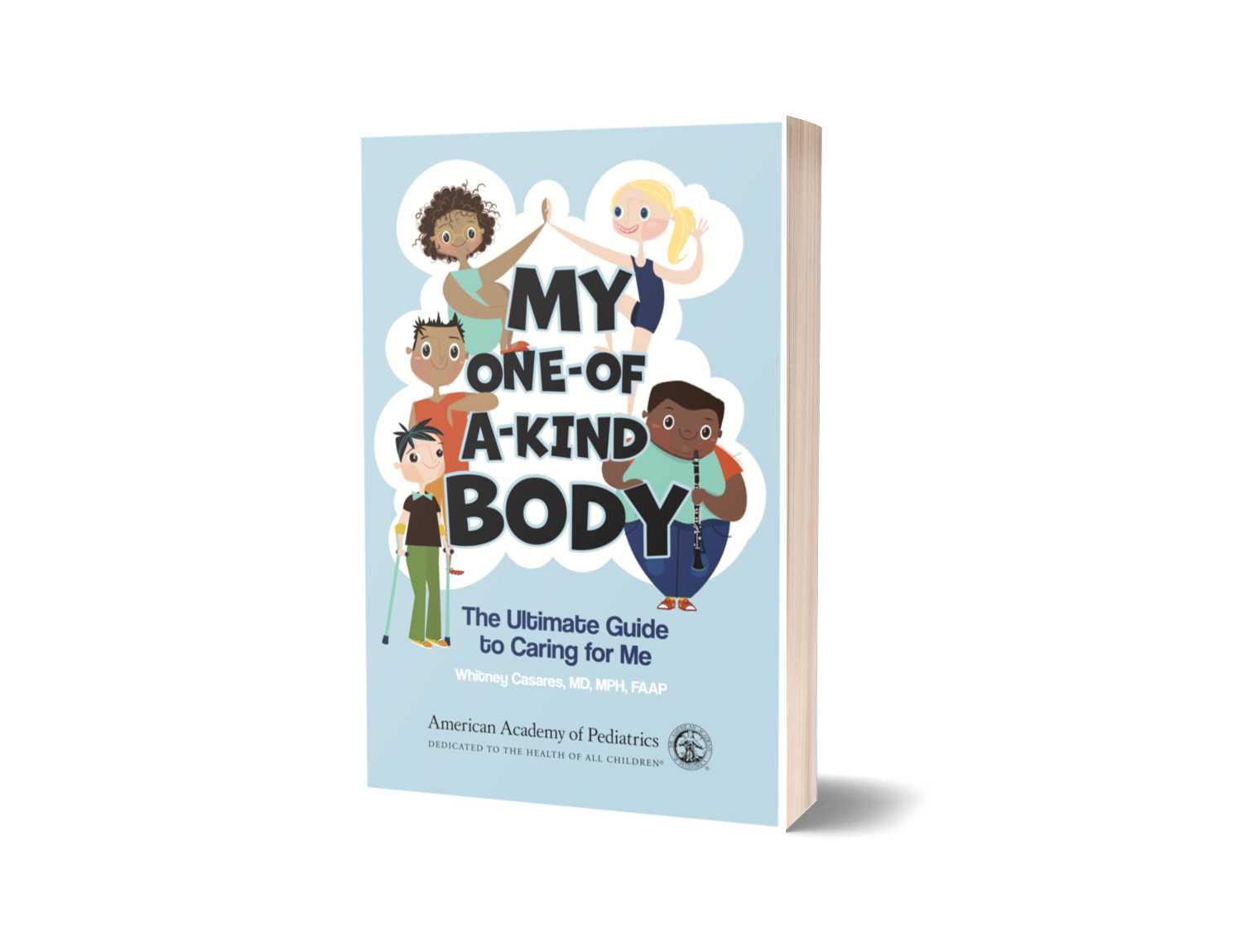
About the Episode: There’s so much parenting advice out there, and most of it doesn’t matter nearly as much as the internet wants you to think. (Seed oils? We have bigger fish to fry.) In this solo episode, Dr. Whitney gets back to basics and shares the six evidence-based parenting principles she focuses on as a pediatrician, the ones she dug into with a leading child development researcher. She also shares how these play out in real life as a mom of two neurodivergent kids, because guidance only helps if it actually fits your family. Key takeaways: Be sensitive and responsive. Simple practices like mirroring your child’s emotions and “serve and return” interactions build a loving, trusting foundation. Dr. Whitney shares how a Halloween decorating session turned into a deep conversation about religion once she slowed down and got curious. Meet kids where they are, especially at their worst. Drawing on Tina Payne Bryson, co-author of The Whole-Brain Child , Dr. Whitney explains that soothing a meltdown isn’t giving in. It’s letting your child know they’re not alone in a big feeling. Model self-regulation, and repair when you lose it. Self-regulation predicts academic success better than IQ. The goal isn’t staying calm all the time, it’s understanding why you got dysregulated, coming back to baseline, and offering yourself some self-compassion. Set limits for your kids and yourself. Every child’s needs are different (screen time affects Dr. Whitney’s two daughters very differently), but all kids need limits, and so do parents. Taking time for yourself models something healthy. Aim for authoritative, not permissive. High expectations paired with warmth and grace is the sweet spot. “Gentle parenting” can blur into permissiveness, which research shows is as harmful as authoritarian parenting. Protect unstructured time. Kids need boredom and free play to become self-directed. For ADHD and autistic kids, Dr. Whitney recommends offering a few options and letting kids choose. Support internal motivation. Using a “mirrors facing outward” image from her own therapist, Dr. Whitney explains why we want kids to trust their own instincts rather than constantly look outward for approval. Want to Start Raising Body-Confident Kids Today? 📘 Order the Books Raising Body-Confident Kids If you've ever caught yourself saying something to your kid about their body that sounded exactly like what your mother said to you, this book is for you. Raising Body-Confident Kids is a research-backed, judgment-free guide for parents who want to break the cycle of diet culture and body shame without swinging into toxic positivity or giving up all structure around food and movement. It answers the real questions parents are actually asking about Ozempic, about picky eaters, about what to say when your kid is being bullied for their body, and about social media influences. This is a practical, values-based game plan you can actually use, even if your own relationship with your body is still a work in progress. My One-of-a-Kind Body My One-of-a-Kind Body gives kids the language and understanding they need to care for their bodies with respect without fear, shame, or appearance-based messaging. Through inclusive illustrations and evidence-based health education, the book teaches body literacy, boundaries, and self-trust in a way kids can actually grasp. 👉 www.raisingbodyconfidentkids.com/books
By Modern Mommy Doc • October 5, 2026
What really matters when it comes to college admissions (for you and for them).
By Modern Mommy Doc • September 17, 2026
Kids going off to college are mean for a reason.
By Modern Mommy Doc • September 10, 2026
Maybe winning back to school isn't what we really want, after all.
By Modern Mommy Doc • August 27, 2026
First-class service has a lot to do with first-class parenting.

Welcome! Get the information you need to win at parenting without losing yourself.

LEARN MORE

My Kids' Book on Body Confidence


Trying to break the cycle of body shame and diet culture?


Overwhelmed by all the parenting advice out there?


SIGN UP FOR THE FREE STARTER KIT: UNBOTHERED. IT'S FREE. CLICK HERE


FRESH

ON THE PODCAST


By Modern Mommy Doc • October 9, 2026
About the Episode: There’s so much parenting advice out there, and most of it doesn’t matter nearly as much as the internet wants you to think. (Seed oils? We have bigger fish to fry.) In this solo episode, Dr. Whitney gets back to basics and shares the six evidence-based parenting principles she focuses on as a pediatrician, the ones she dug into with a leading child development researcher. She also shares how these play out in real life as a mom of two neurodivergent kids, because guidance only helps if it actually fits your family. Key takeaways: Be sensitive and responsive. Simple practices like mirroring your child’s emotions and “serve and return” interactions build a loving, trusting foundation. Dr. Whitney shares how a Halloween decorating session turned into a deep conversation about religion once she slowed down and got curious. Meet kids where they are, especially at their worst. Drawing on Tina Payne Bryson, co-author of The Whole-Brain Child , Dr. Whitney explains that soothing a meltdown isn’t giving in. It’s letting your child know they’re not alone in a big feeling. Model self-regulation, and repair when you lose it. Self-regulation predicts academic success better than IQ. The goal isn’t staying calm all the time, it’s understanding why you got dysregulated, coming back to baseline, and offering yourself some self-compassion. Set limits for your kids and yourself. Every child’s needs are different (screen time affects Dr. Whitney’s two daughters very differently), but all kids need limits, and so do parents. Taking time for yourself models something healthy. Aim for authoritative, not permissive. High expectations paired with warmth and grace is the sweet spot. “Gentle parenting” can blur into permissiveness, which research shows is as harmful as authoritarian parenting. Protect unstructured time. Kids need boredom and free play to become self-directed. For ADHD and autistic kids, Dr. Whitney recommends offering a few options and letting kids choose. Support internal motivation. Using a “mirrors facing outward” image from her own therapist, Dr. Whitney explains why we want kids to trust their own instincts rather than constantly look outward for approval. Want to Start Raising Body-Confident Kids Today? 📘 Order the Books Raising Body-Confident Kids If you've ever caught yourself saying something to your kid about their body that sounded exactly like what your mother said to you, this book is for you. Raising Body-Confident Kids is a research-backed, judgment-free guide for parents who want to break the cycle of diet culture and body shame without swinging into toxic positivity or giving up all structure around food and movement. It answers the real questions parents are actually asking about Ozempic, about picky eaters, about what to say when your kid is being bullied for their body, and about social media influences. This is a practical, values-based game plan you can actually use, even if your own relationship with your body is still a work in progress. My One-of-a-Kind Body My One-of-a-Kind Body gives kids the language and understanding they need to care for their bodies with respect without fear, shame, or appearance-based messaging. Through inclusive illustrations and evidence-based health education, the book teaches body literacy, boundaries, and self-trust in a way kids can actually grasp. 👉 www.raisingbodyconfidentkids.com/books
By Modern Mommy Doc • October 5, 2026
What really matters when it comes to college admissions (for you and for them).
By Modern Mommy Doc • September 17, 2026
Kids going off to college are mean for a reason.