MMD BLOG


CATEGORY:

KIDS + PARENTING

PARENTING ADVICE | WHY PERFECTLY-BEHAVED KIDS ARE TOTALLY OVERRATED

 Modern Mommy Doc


PUBLICATION DATE:

December 21, 2017

PARENTING ADVICE | WHY PERFECTLY-BEHAVED KIDS ARE TOTALLY OVERRATED

 Modern Mommy Doc

CATEGORY: KIDS + PARENTING

My daughter and I have a little joke going today. She keeps telling me how perfect her art creations are:


“Look at this little cat I painted,” she tells me at the pottery painting studio. “It’s just perfect. Ooh, and how about this beaded necklace I made earlier? I did it absolutely perfectly.” She laughs and grins up at me, smirking.


She’s seen me bristle at that word enough times to come to the conclusion that it is my least favorite. I’m all about effort over accomplishment at our house and she knows it, thankfully (see my post about the importance of words and the way we talk to our kids).


When we think about our kids’ behavior (tantrums, manners, whining) versus the things they are able to do (ride a bike, spell a word), the anti-perfection rule should hold just as strong. More times than not, though, we're less forgiving in that area. Our goal is well-behaved kids all the time, every time. A little bit of parenting advice: while that would be nice, it’s not realistic and it’s not fair.


Why It’s Not Realistic:


Ok, here’s the deal. Are YOU on your A-game every single moment of every single day? Do you sometimes feel incredibly tired, incredibly hungry or, just generally, not in the mood to play nice? It’s the same for your kids – get this- because they are humans, too. I feel like about 10% of the time (and that is probably a gross underestimate), I have to make a conscious effort not to get offended, to try to say something in a nicer way than I am thinking it or to change my behavior as I consider how my actions will affect other people. Remember, your kids do not have the benefit of years of practice with social intelligence like you do.


Also, toddlers and elementary school kids are more sensitive little creatures – some more than others- than you are. I often describe my daughter like a high-end race car. When she’s running well and she’s in her groove, oh man, she drives like a million bucks. When she breaks down, it takes a specialty shop and a crew of 20 to get things back in motion. So it is with most kids. Snacks, sleep and a lot of one-on-one attention throughout the day? No problem. They will use their manners til the cows come home and wow you with their stellar behavior. Woke up on the wrong side of the bed? Good luck, my friend.


Why It’s Not Fair:


Perfect –it’s the new standard for moms (and dads), right? Lean in – to your job, to your mothering, to your appearance, to your relationships. Be everything, all at once. It’s just impossible to meet the expectations of this world. So, why would we want to put that on our kids, too?


Especially when it comes to our young girls, it’s up to us as parents to make sure they understand that, when they look in the mirror, they are absolutely beautiful even if they are not perfectly attractive. That they matter because of their INNER value, not as the result of some complicated mathematics equation that takes into account their external and internal points, with external carrying significantly more weight. That they are worthy of love and respect, no matter what they look like.


Also, as much as we may not want to admit it, a lot of our parenting responses and actions come from other people’s potential judgements about us (read here about the way I responded when my toddler threw a huge tantrum in the grocery store). I will be the first to acknowledge that, sometimes, I am really just worried that other people will think that I am not a good parent when they see my child in action. Just because I’m a pediatrician doesn’t make me exempt from those feelings of, “I bet those other moms are watching this play out right now and are thinking, ‘What a hot mess.’” I have to remember to put my pride aside.


What Is Possible:


Alright, so does that mean we just let our kids do whatever they want and run all over us and everyone else around us? Absolutely not. Consistent behavior management is still key. It means this: instead of our focus being only the way our child is acting right at this moment (which leads to irritation), our focus should be on the future adults we want our kids to be (which leads to patience and goal-oriented coaching). If the future, not the present is our priority, we will be less frustrated as we guide and encourage our kids. We’ll also show our children that we are imperfect as well, but we’re constantly working on our own behavior and actions. It's the first step when dealing with most whining and meltdown troubles.


That shift requires a little more thoughtfulness, and a little better understanding of child development. It’s worth it to read up on why kids sometimes “flip their lids” when they get overwhelmed or overly-emotional, as Daniel Siegel puts it in The Whole-Brain Child, to figure out how to provide wholesome foods on a consistent basis and to focus on healthy sleep habits and consistent physical activity.


My daughter, bless her heart, looks up at me from her mountain of beads on the art table.


“Okay, mommy,” she giggles. “ My art is not perfect. It's just awesome."


"That's right, baby girl," I say. "It's perfectly imperfect."


My Daughter's "Perfect" Cat Creation


Raising Body-Confident Kids Starts at the Doctor's Office!

START NOW
By Dr. Whitney December 17, 2025
About the Episode: In this episode, Dr. Whitney sits down with Dr. Jay Gargus and Dave Justus from NeuroQure to discuss the power of early clarity when it comes to autism detection and why earlier intervention can fundamentally change outcomes for childre n and families. Dr. Gargus explains the science behind early behavioral therapies and why their impact goes far beyond short-term skill-building. Research shows that early, evidence-based interventions can lead to measurable, lifelong improvements in IQ, so cial skills, independence, and educational placement, often determining whether a child can thrive in mainstream education or requires ongoing specialized support. The conversation also tackles a critical and often overlooked issue: access. Dave Justus shares the personal motivation behind NeuroQure’s work and explains why the test is being launched at cost, with installment plans and employer subsidies, while the team works toward insurance coverage. The goal is to prevent families from losing precious years waiting for answers. Together, they emphasize a hopeful message for parents: families don’t need to wait for a future “silver bullet.” We already have therapies that work and getting kids connected to them earlier can change the course of a lifetime. In this episode, we discuss: Why early autism detection leads to lifelong changes—not just short-term gains What a 17-point IQ difference actually means for education, independence, and quality of life How early intervention can shift developmental trajectories as early as 6 months The science and validation behind current autism therapies Why NeuroQure is pricing testing at cost while pursuing insurance coverage How early clarity can reduce long-term strain on families, schools, and healthcare systems This episode is a powerful reminder that timing matters and that early access to answers can make an extraordinary difference for children and the families who love them. About Our Guest: Dr. Jay Gargus, MD, PhD is a physician-scientist and nationally recognized expert in neurodevelopmental disorders, with decades of experience researching the biological underpinnings of autism. His work has focused on translating well-established science into meaningful, real-world interventions that can improve lifelong outcomes for children. Dr. Gargus emphasizes that early, evidence-based therapies are already available—and that connecting families to them sooner can fundamentally change developmental trajectories. Dave Justus is a parent and the founder of NeuroQure, whose work is driven by personal experience navigating delayed autism diagnosis and intervention. Motivated by the belief that early clarity can spare families years of uncertainty, Dave is focused on expanding access to early testing through cost-based pricing and ongoing efforts to secure insurance coverage. His mission is simple but powerful: ensure families don’t have to wait for answers that could change everything. Want to Start Raising Body-Confident Kids Today? 📘 Order the Book Order your copy of My One-of-a-Kind Body 👉 www.raisingbodyconfidentkids.com/books 🎁 Claim Your Free Bonus When you order on our site, you’ll also get access to a FREE video mini-course with five bite-sized lessons for parents. In just 25 minutes, you’ll walk away with: Simple, script-style ways to respond when your kid says, “I hate my thighs” How to talk about health without weight talk What to do when your own inner critic shows up How to interrupt diet culture at home The first step to raising a body-confident kid, even if you didn’t grow up as one 📩 Subscribe to The Modern Mommy Doc Podcast for more episodes on parenting with confidence and clarity. Leave a review using the hashtag #ModernMommyDoc.
By Dr. Whitney November 13, 2025
Stop being so busy, and start being more present.
By Dr. Whitney November 5, 2025
Starting out right with solids doesn't have to be so scary.
By Dr. Whitney October 29, 2025
What if YOU are the one who needs to calm down first?

Welcome! Get the information you need to win at parenting without losing yourself.

LEARN MORE

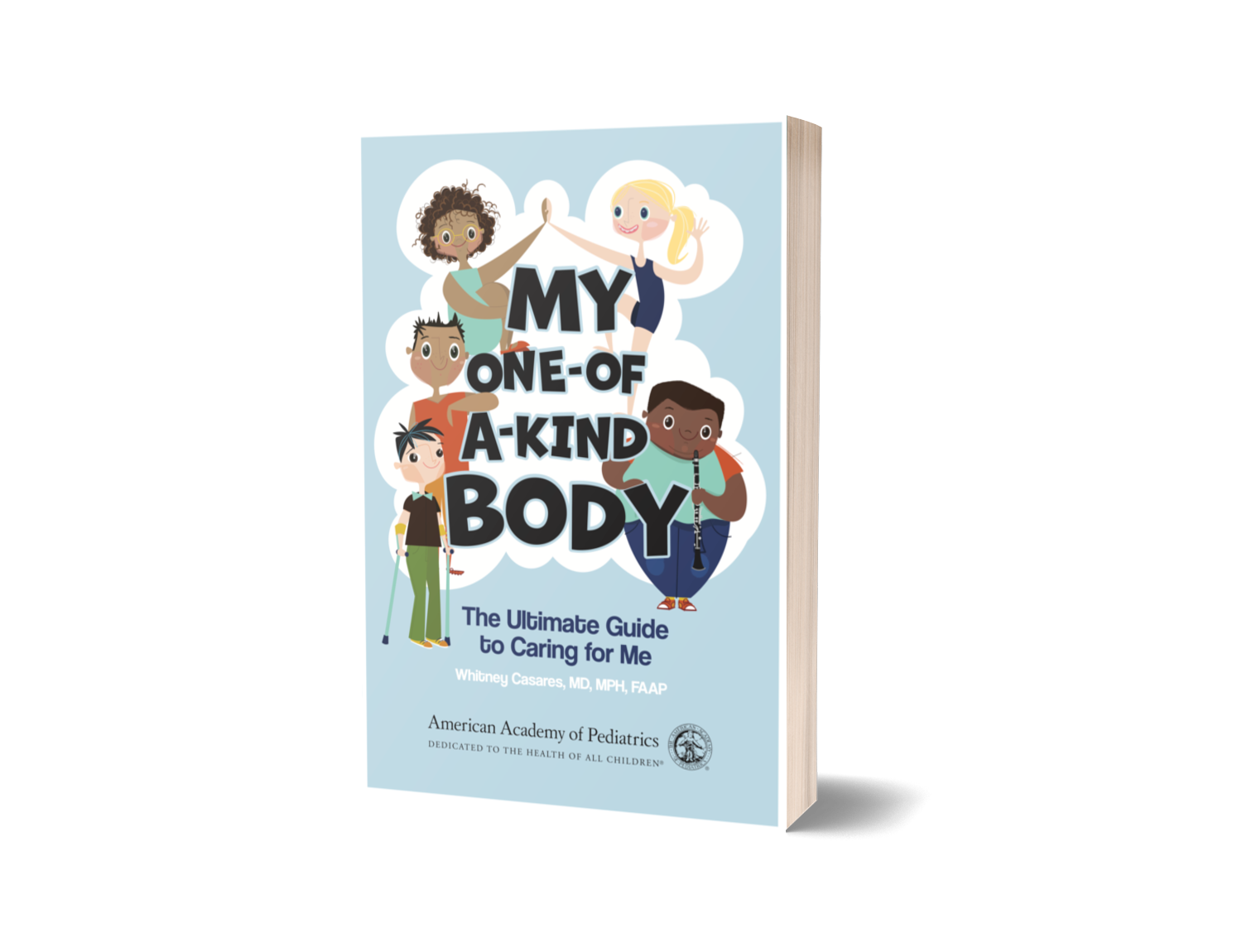
My Kids' Book on Body Confidence is Finally Here!


Wish your partner would do more to lessen your mental load?


Want to make self-care a priority but not sure how to?


SIGN UP FOR SUSTAINABLE SELF-CARE. IT'S FREE. CLICK HERE


FRESH

ON THE PODCAST


By Dr. Whitney December 17, 2025
About the Episode: In this episode, Dr. Whitney sits down with Dr. Jay Gargus and Dave Justus from NeuroQure to discuss the power of early clarity when it comes to autism detection and why earlier intervention can fundamentally change outcomes for childre n and families. Dr. Gargus explains the science behind early behavioral therapies and why their impact goes far beyond short-term skill-building. Research shows that early, evidence-based interventions can lead to measurable, lifelong improvements in IQ, so cial skills, independence, and educational placement, often determining whether a child can thrive in mainstream education or requires ongoing specialized support. The conversation also tackles a critical and often overlooked issue: access. Dave Justus shares the personal motivation behind NeuroQure’s work and explains why the test is being launched at cost, with installment plans and employer subsidies, while the team works toward insurance coverage. The goal is to prevent families from losing precious years waiting for answers. Together, they emphasize a hopeful message for parents: families don’t need to wait for a future “silver bullet.” We already have therapies that work and getting kids connected to them earlier can change the course of a lifetime. In this episode, we discuss: Why early autism detection leads to lifelong changes—not just short-term gains What a 17-point IQ difference actually means for education, independence, and quality of life How early intervention can shift developmental trajectories as early as 6 months The science and validation behind current autism therapies Why NeuroQure is pricing testing at cost while pursuing insurance coverage How early clarity can reduce long-term strain on families, schools, and healthcare systems This episode is a powerful reminder that timing matters and that early access to answers can make an extraordinary difference for children and the families who love them. About Our Guest: Dr. Jay Gargus, MD, PhD is a physician-scientist and nationally recognized expert in neurodevelopmental disorders, with decades of experience researching the biological underpinnings of autism. His work has focused on translating well-established science into meaningful, real-world interventions that can improve lifelong outcomes for children. Dr. Gargus emphasizes that early, evidence-based therapies are already available—and that connecting families to them sooner can fundamentally change developmental trajectories. Dave Justus is a parent and the founder of NeuroQure, whose work is driven by personal experience navigating delayed autism diagnosis and intervention. Motivated by the belief that early clarity can spare families years of uncertainty, Dave is focused on expanding access to early testing through cost-based pricing and ongoing efforts to secure insurance coverage. His mission is simple but powerful: ensure families don’t have to wait for answers that could change everything. Want to Start Raising Body-Confident Kids Today? 📘 Order the Book Order your copy of My One-of-a-Kind Body 👉 www.raisingbodyconfidentkids.com/books 🎁 Claim Your Free Bonus When you order on our site, you’ll also get access to a FREE video mini-course with five bite-sized lessons for parents. In just 25 minutes, you’ll walk away with: Simple, script-style ways to respond when your kid says, “I hate my thighs” How to talk about health without weight talk What to do when your own inner critic shows up How to interrupt diet culture at home The first step to raising a body-confident kid, even if you didn’t grow up as one 📩 Subscribe to The Modern Mommy Doc Podcast for more episodes on parenting with confidence and clarity. Leave a review using the hashtag #ModernMommyDoc.
By Dr. Whitney November 13, 2025
Stop being so busy, and start being more present.