MMD BLOG


CATEGORY:

KIDS + PARENTING

TIPS FOR PARENTS | 7 WAYS TO WELCOME A NEW BABY TO YOUR TODDLER

 Modern Mommy Doc


PUBLICATION DATE:

December 22, 2017

TIPS FOR PARENTS | 7 WAYS TO WELCOME A NEW BABY TO YOUR TODDLER

 Modern Mommy Doc

CATEGORY: KIDS + PARENTING

“I peed all over myself and I ruined my new, special, sparkly shoes from my baby sister. It was my gift from my baby sister! It’s all ruined!” Where are the tips for parents on that one?


This was not at all how I imagined my first night home from the hospital with my second daughter but that is the first thing I heard when I walked through the door.


No, the night I brought my newborn into my family fold was carefully planned and rehearsed in my mind. My toddler would come to meet us at the hospital. Then we would all go home as a family and we would turn in early. But the best-laid plans are just that – plans- and reality is a grainier version of our dreams so often. At least it was that night.


One of the most important principles of integrating a new sibling into a family is to make sure that the older son or daughter still feels special during the whole process. So, we had slyly sleuthed out a gift “from” baby sister that she would receive at the hospital. In this case, in keeping with my daughter’s obsession with fancy shoes (not my fault, I swear), we bought her a pair of gold, glittery mary janes with huge bows on the toes. When she arrived to meet her new sister, she was ecstatic to see her and to try on her shoes. So ecstatic, in fact, that she forgot that she needed to make a potty stop later that afternoon while on a walk. She fell while running down an incline on the sidewalk in the neighborhood and came home with a bloody knee, urine in her shoes and a very discouraged dad.


The bad news? Things didn’t go quite as planned. The good news? By the next morning, she had completely forgotten about the incident and was back to her happy self. AND, the more important things we planned DID work.





Here are some of tips for parents that I recommend and used myself to make the addition of a second sibling extremely smooth overall:


1. We talked about baby a lot before she was born.


From pretending she was laughing when my toddler tickled my pregnant belly to letting my daughter feel her kick, she was very much a part of our lives before she ever existed on the outside. We also brought up in conversation what it would be like to have a baby. “When babies are little they don’t talk, they cry a lot, but we can give them little kisses on the head and we can love on them.” We also talked about funny things the baby would do so we had some jokes to laugh about when baby came (“The baby will toot a lot, she’ll have little burps, she’ll yawn”). It worked. “Hey, she did burp!” my daughter exclaimed that first morning home.


2. We kept my physical connection with my daughter intact as much as possible.


When my eldest arrived at the hospital, her first question (after whispering, “hello mama” and giving me the tiniest wave) was to ask when it was ok for her to crawl onto my lap. It was the sweetest request and one I recognized as a need to know I was still her mom, still the one she could hold. I answered “right now!” and we had my husband hold the baby while I held onto my precious, big girl. Others have done this similarly. They have another person hold onto the baby when the older child enters the room. Or they have the baby in the bassinet so the child is coming back to just the parents. There is no perfect way. The most important is for your little (big) one to feel like they have not been replaced.


3. We introduced language and standards so both kids knew from the start that there was a give and take.


We knew we would be saying, “Just a minute, I’m taking care of your sister,” quite a bit to our older daughter just given the way newborns tend to need attention. So, when we were helping our toddler with a task and our newborn started to cry or fuss, we used that same phrase with her as we finished up.


4. We attended to our own sense of loss.


I underestimated how much I would miss my older daughter when I had my newborn. I watched my husband play with her, give her a bath and put her to bed. It didn’t take long before I really MISSED her. In the first few days, it was impossible physically for me to take care of her to the same extent he could. So, instead, I had my daughter sit with me as we watched a movie (special treat!), read a book or just snuggled.




5. We kept our same traditions.


We’ve had a tradition for the past 3 years of snuggling in bed in the morning on the weekends as a family. My husband and I used it at first as a little reward for my daughter sleeping through the night but then it stuck and was a happy way for us to start the weekend, too. We used to call it, “Three Peas in a Pod” and she would climb in and pull the covers over all of us. Now we call it “Four Peas in a Pod.” It takes a little more maneuvering to make sure that no one (ie. me or the baby) gets mauled as she jumps in, but it’s worth it to preserve the sense of tradition for my daughter.


6. We gave my daughter little jobs to do to help us.


We never tell her she has to help with the baby but we ask her if she can take the used diapers to the diaper pail and if she can find the fresh diaper for us. She loves it. Now she comes over and waits for me to finish changing baby so that she can do her job. She is thrilled to be a big helper. Every child is different but this totally plays to her personality to be involved and to be “big.” It also gives us something to praise during days where she is acting out a little because she’s not getting quite as much attention as she normally gets.


 7. We planned mommy-daughter time.


As soon as physically possible (for me at about 3 weeks in), I planned a mommy-daughter date where my toddler and I went – just us- no baby, and did something super fun. For us, it was going to a little kids’ concert and to the bakery for a treat. We left for long enough that it felt like an adventure for her (about 2-3 hours) but not for so long that I had to pump more than once to make it happen. I needed to reconnect and she did, too. Taking little breaks from the baby as soon as possible was so important to remind myself of what I have to look forward to.


When you’re a new mom, you feel like “this is it – my life may ALWAYS look like this.” When you’re a second-time mom, you have more perspective as you look at your older child and see that they made it. Still, it’s easier to keep that perspective when you get moments away from the baby and with your older, more interactive child.


Planning to bring baby #2 home? Expect it to be amazing… and complicated and messy. Coming home to urine-filled, brand-new shoes and a crestfallen face of tears? Not my ideal. But the love my daughter has for her little sister is so worth all the drama. Yesterday she looked at the baby, looked up at me and smiled. “Isn’t she wonderful, mom?” she whispered. Alright, it’s definitely worth it, I thought, soggy shoes and all.


Want more help winning at parenting without losing yourself? Check out our self-care and newborn care courses.

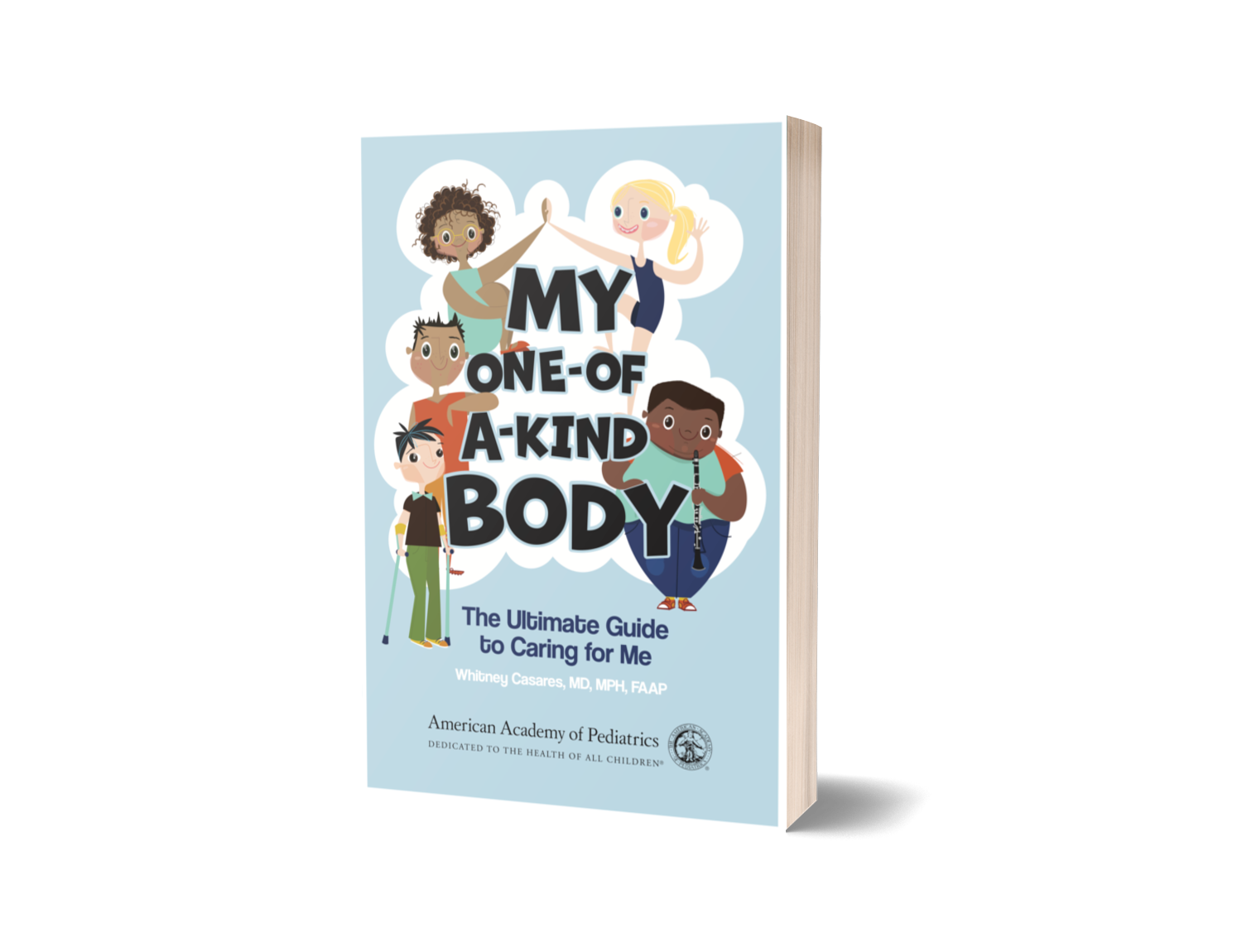
Raising Body-Confident Kids Starts at the Doctor's Office!

START NOW
By Dr. Whitney December 17, 2025
About the Episode: In this episode, Dr. Whitney sits down with Dr. Jay Gargus and Dave Justus from NeuroQure to discuss the power of early clarity when it comes to autism detection and why earlier intervention can fundamentally change outcomes for childre n and families. Dr. Gargus explains the science behind early behavioral therapies and why their impact goes far beyond short-term skill-building. Research shows that early, evidence-based interventions can lead to measurable, lifelong improvements in IQ, so cial skills, independence, and educational placement, often determining whether a child can thrive in mainstream education or requires ongoing specialized support. The conversation also tackles a critical and often overlooked issue: access. Dave Justus shares the personal motivation behind NeuroQure’s work and explains why the test is being launched at cost, with installment plans and employer subsidies, while the team works toward insurance coverage. The goal is to prevent families from losing precious years waiting for answers. Together, they emphasize a hopeful message for parents: families don’t need to wait for a future “silver bullet.” We already have therapies that work and getting kids connected to them earlier can change the course of a lifetime. In this episode, we discuss: Why early autism detection leads to lifelong changes—not just short-term gains What a 17-point IQ difference actually means for education, independence, and quality of life How early intervention can shift developmental trajectories as early as 6 months The science and validation behind current autism therapies Why NeuroQure is pricing testing at cost while pursuing insurance coverage How early clarity can reduce long-term strain on families, schools, and healthcare systems This episode is a powerful reminder that timing matters and that early access to answers can make an extraordinary difference for children and the families who love them. About Our Guest: Dr. Jay Gargus, MD, PhD is a physician-scientist and nationally recognized expert in neurodevelopmental disorders, with decades of experience researching the biological underpinnings of autism. His work has focused on translating well-established science into meaningful, real-world interventions that can improve lifelong outcomes for children. Dr. Gargus emphasizes that early, evidence-based therapies are already available—and that connecting families to them sooner can fundamentally change developmental trajectories. Dave Justus is a parent and the founder of NeuroQure, whose work is driven by personal experience navigating delayed autism diagnosis and intervention. Motivated by the belief that early clarity can spare families years of uncertainty, Dave is focused on expanding access to early testing through cost-based pricing and ongoing efforts to secure insurance coverage. His mission is simple but powerful: ensure families don’t have to wait for answers that could change everything. Want to Start Raising Body-Confident Kids Today? 📘 Order the Book Order your copy of My One-of-a-Kind Body 👉 www.raisingbodyconfidentkids.com/books 🎁 Claim Your Free Bonus When you order on our site, you’ll also get access to a FREE video mini-course with five bite-sized lessons for parents. In just 25 minutes, you’ll walk away with: Simple, script-style ways to respond when your kid says, “I hate my thighs” How to talk about health without weight talk What to do when your own inner critic shows up How to interrupt diet culture at home The first step to raising a body-confident kid, even if you didn’t grow up as one 📩 Subscribe to The Modern Mommy Doc Podcast for more episodes on parenting with confidence and clarity. Leave a review using the hashtag #ModernMommyDoc.
By Dr. Whitney November 13, 2025
Stop being so busy, and start being more present.
By Dr. Whitney November 5, 2025
Starting out right with solids doesn't have to be so scary.
By Dr. Whitney October 29, 2025
What if YOU are the one who needs to calm down first?

Welcome! Get the information you need to win at parenting without losing yourself.

LEARN MORE

My Kids' Book on Body Confidence is Finally Here!


Wish your partner would do more to lessen your mental load?


Want to make self-care a priority but not sure how to?


SIGN UP FOR SUSTAINABLE SELF-CARE. IT'S FREE. CLICK HERE


FRESH

ON THE PODCAST


By Dr. Whitney December 17, 2025
About the Episode: In this episode, Dr. Whitney sits down with Dr. Jay Gargus and Dave Justus from NeuroQure to discuss the power of early clarity when it comes to autism detection and why earlier intervention can fundamentally change outcomes for childre n and families. Dr. Gargus explains the science behind early behavioral therapies and why their impact goes far beyond short-term skill-building. Research shows that early, evidence-based interventions can lead to measurable, lifelong improvements in IQ, so cial skills, independence, and educational placement, often determining whether a child can thrive in mainstream education or requires ongoing specialized support. The conversation also tackles a critical and often overlooked issue: access. Dave Justus shares the personal motivation behind NeuroQure’s work and explains why the test is being launched at cost, with installment plans and employer subsidies, while the team works toward insurance coverage. The goal is to prevent families from losing precious years waiting for answers. Together, they emphasize a hopeful message for parents: families don’t need to wait for a future “silver bullet.” We already have therapies that work and getting kids connected to them earlier can change the course of a lifetime. In this episode, we discuss: Why early autism detection leads to lifelong changes—not just short-term gains What a 17-point IQ difference actually means for education, independence, and quality of life How early intervention can shift developmental trajectories as early as 6 months The science and validation behind current autism therapies Why NeuroQure is pricing testing at cost while pursuing insurance coverage How early clarity can reduce long-term strain on families, schools, and healthcare systems This episode is a powerful reminder that timing matters and that early access to answers can make an extraordinary difference for children and the families who love them. About Our Guest: Dr. Jay Gargus, MD, PhD is a physician-scientist and nationally recognized expert in neurodevelopmental disorders, with decades of experience researching the biological underpinnings of autism. His work has focused on translating well-established science into meaningful, real-world interventions that can improve lifelong outcomes for children. Dr. Gargus emphasizes that early, evidence-based therapies are already available—and that connecting families to them sooner can fundamentally change developmental trajectories. Dave Justus is a parent and the founder of NeuroQure, whose work is driven by personal experience navigating delayed autism diagnosis and intervention. Motivated by the belief that early clarity can spare families years of uncertainty, Dave is focused on expanding access to early testing through cost-based pricing and ongoing efforts to secure insurance coverage. His mission is simple but powerful: ensure families don’t have to wait for answers that could change everything. Want to Start Raising Body-Confident Kids Today? 📘 Order the Book Order your copy of My One-of-a-Kind Body 👉 www.raisingbodyconfidentkids.com/books 🎁 Claim Your Free Bonus When you order on our site, you’ll also get access to a FREE video mini-course with five bite-sized lessons for parents. In just 25 minutes, you’ll walk away with: Simple, script-style ways to respond when your kid says, “I hate my thighs” How to talk about health without weight talk What to do when your own inner critic shows up How to interrupt diet culture at home The first step to raising a body-confident kid, even if you didn’t grow up as one 📩 Subscribe to The Modern Mommy Doc Podcast for more episodes on parenting with confidence and clarity. Leave a review using the hashtag #ModernMommyDoc.
By Dr. Whitney November 13, 2025
Stop being so busy, and start being more present.