MMD BLOG


CATEGORY:

YOU + YOUR PARTNER

PARENTING IN PARTNERSHIP: HOW TO CO-PARENT WITH YOUR SPOUSE

 Modern Mommy Doc


PUBLICATION DATE:

August 31, 2020

PARENTING IN PARTNERSHIP: HOW TO CO-PARENT WITH YOUR SPOUSE

 Modern Mommy Doc

CATEGORY: YOU + YOUR PARTNER

I don’t know about you and your partner, but my husband and I have been around each other more in the last four months than probably ever before.

With the shift to living physically distanced and working from home as much as possible, families are finding themselves at home together more A LOT and well, let’s just say that this definitely has both pros and cons. 

For parents, this is an opportunity for whoever usually bears most of the weight at home to be able to take some of that load off and entrust their partner with some of the tasks around the house and with the kids.

However, this doesn’t come easily or naturally. The process of adapting to being around each other constantly and balancing parenting tasks takes some adjusting on both sides.

Maybe this transition hasn’t been so seamless for you. Maybe it doesn’t feel like you’re working as a team and one person is (or seems to be) taking on everything. So how can you have a successful parenting partnership in this day and age? How can you ensure that you and your partner are equally confident, important, and invested in taking care of your family and your household?

Don’t underestimate the importance of open communication.

How do you communicate with your partner? Communication matters in every one of our relationships, but especially our relationships with our significant others and our co-parents. When communication isn’t clear, neither is anything else. Have you and your partner discussed how your home life is different now due to COVID-19? Do you need to have a deep convo about how you can more effectively balance taking care of your kids now that you are both with them nearly 24/7? 

In addition to these more formal ‘big picture’ conversations, it’s important to have open and clear communication on the daily. Don’t wake up and turn to your husband and say “I’m going to a meeting, can you help with the kids?” Be direct and say, “I have a meeting from 8:00-8:30am. Can you get the kids ready, give them breakfast, and pack their backpacks so that we can leave at 9:00 am for camp?” Being specific will help you set expectations and eliminate any confusion or misunderstanding that could later turn into tension.


Your partner is not your employee.

I’ll be honest, it took me a LONG time to recognize when I was treating my husband with a “I’m the boss and you’re the employee” mentality—but what I do know is that it’s NOT helpful! It’s okay for you to show your partner how you want things done, but Mama, you also need to learn to let go of the little things that really don’t matter all that much. Is it really that important if your kids’ outfits don’t match the way you’d hoped? Or if their meals aren’t perfectly balanced every time your partner makes them? Or even if your partner doesn’t address behaviors exactly the way you do? 

Let your partner take control over different tasks (and encourage him or her to do so!) and refrain from constantly measuring their performance and reacting when they don’t do things exactly how you would. What’s important is that you’re both able to contribute to your family and know that you are trusted by the other person to do so. I know that this is easier said than done, but it will relieve tension and stress for both of you.


Connection is key. 

The idea of the importance of connecting with your partner and kids may seem fluffy, but it really is an underrated tool for life. Make time and have energy for connecting with them outside of your normal day to day—outside of scheduled activities, meal times, and routines. You don’t need to do anything fancy, just be together intentionally and be present and in the moment, not distracted or consumed by other things that need to be completed. Doing this is an act of investment in your kids and your partner and an opportunity to grow together as a family.


In all of this, be mindful of how things have changed.

Have compassion for yourself and each other and know that parenting in partnership will be a constant work in progress.

Figuring this all out might take a while, and that’s normal and perfectly okay. Give yourself grace. 

For more on this topic, check out this podcast episode I did with Jancee Dunn on “How Not to Hate Your Husband After Kids” and this blog post on “Reducing Your Mental Load by Sharing it with Your Partner.” 

Raising Body-Confident Kids Starts at the Doctor's Office!

START NOW
By Dr. Whitney December 17, 2025
About the Episode: In this episode, Dr. Whitney sits down with Dr. Jay Gargus and Dave Justus from NeuroQure to discuss the power of early clarity when it comes to autism detection and why earlier intervention can fundamentally change outcomes for childre n and families. Dr. Gargus explains the science behind early behavioral therapies and why their impact goes far beyond short-term skill-building. Research shows that early, evidence-based interventions can lead to measurable, lifelong improvements in IQ, so cial skills, independence, and educational placement, often determining whether a child can thrive in mainstream education or requires ongoing specialized support. The conversation also tackles a critical and often overlooked issue: access. Dave Justus shares the personal motivation behind NeuroQure’s work and explains why the test is being launched at cost, with installment plans and employer subsidies, while the team works toward insurance coverage. The goal is to prevent families from losing precious years waiting for answers. Together, they emphasize a hopeful message for parents: families don’t need to wait for a future “silver bullet.” We already have therapies that work and getting kids connected to them earlier can change the course of a lifetime. In this episode, we discuss: Why early autism detection leads to lifelong changes—not just short-term gains What a 17-point IQ difference actually means for education, independence, and quality of life How early intervention can shift developmental trajectories as early as 6 months The science and validation behind current autism therapies Why NeuroQure is pricing testing at cost while pursuing insurance coverage How early clarity can reduce long-term strain on families, schools, and healthcare systems This episode is a powerful reminder that timing matters and that early access to answers can make an extraordinary difference for children and the families who love them. About Our Guest: Dr. Jay Gargus, MD, PhD is a physician-scientist and nationally recognized expert in neurodevelopmental disorders, with decades of experience researching the biological underpinnings of autism. His work has focused on translating well-established science into meaningful, real-world interventions that can improve lifelong outcomes for children. Dr. Gargus emphasizes that early, evidence-based therapies are already available—and that connecting families to them sooner can fundamentally change developmental trajectories. Dave Justus is a parent and the founder of NeuroQure, whose work is driven by personal experience navigating delayed autism diagnosis and intervention. Motivated by the belief that early clarity can spare families years of uncertainty, Dave is focused on expanding access to early testing through cost-based pricing and ongoing efforts to secure insurance coverage. His mission is simple but powerful: ensure families don’t have to wait for answers that could change everything. Want to Start Raising Body-Confident Kids Today? 📘 Order the Book Order your copy of My One-of-a-Kind Body 👉 www.raisingbodyconfidentkids.com/books 🎁 Claim Your Free Bonus When you order on our site, you’ll also get access to a FREE video mini-course with five bite-sized lessons for parents. In just 25 minutes, you’ll walk away with: Simple, script-style ways to respond when your kid says, “I hate my thighs” How to talk about health without weight talk What to do when your own inner critic shows up How to interrupt diet culture at home The first step to raising a body-confident kid, even if you didn’t grow up as one 📩 Subscribe to The Modern Mommy Doc Podcast for more episodes on parenting with confidence and clarity. Leave a review using the hashtag #ModernMommyDoc.
By Dr. Whitney November 13, 2025
Stop being so busy, and start being more present.
By Dr. Whitney November 5, 2025
Starting out right with solids doesn't have to be so scary.
By Dr. Whitney October 29, 2025
What if YOU are the one who needs to calm down first?

Welcome! Get the information you need to win at parenting without losing yourself.

LEARN MORE

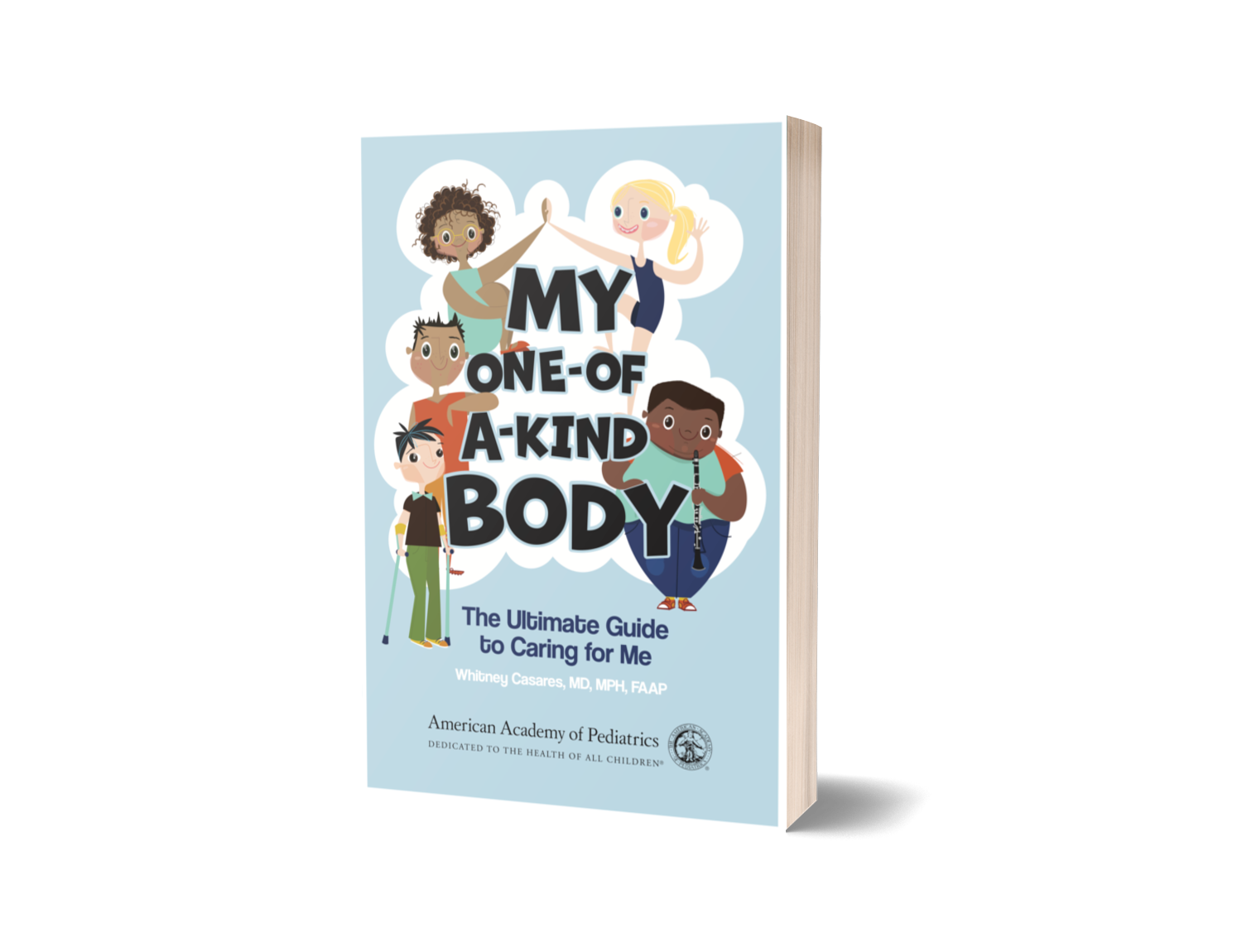
My Kids' Book on Body Confidence is Finally Here!


Wish your partner would do more to lessen your mental load?


Want to make self-care a priority but not sure how to?


SIGN UP FOR SUSTAINABLE SELF-CARE. IT'S FREE. CLICK HERE


FRESH

ON THE PODCAST


By Dr. Whitney December 17, 2025
About the Episode: In this episode, Dr. Whitney sits down with Dr. Jay Gargus and Dave Justus from NeuroQure to discuss the power of early clarity when it comes to autism detection and why earlier intervention can fundamentally change outcomes for childre n and families. Dr. Gargus explains the science behind early behavioral therapies and why their impact goes far beyond short-term skill-building. Research shows that early, evidence-based interventions can lead to measurable, lifelong improvements in IQ, so cial skills, independence, and educational placement, often determining whether a child can thrive in mainstream education or requires ongoing specialized support. The conversation also tackles a critical and often overlooked issue: access. Dave Justus shares the personal motivation behind NeuroQure’s work and explains why the test is being launched at cost, with installment plans and employer subsidies, while the team works toward insurance coverage. The goal is to prevent families from losing precious years waiting for answers. Together, they emphasize a hopeful message for parents: families don’t need to wait for a future “silver bullet.” We already have therapies that work and getting kids connected to them earlier can change the course of a lifetime. In this episode, we discuss: Why early autism detection leads to lifelong changes—not just short-term gains What a 17-point IQ difference actually means for education, independence, and quality of life How early intervention can shift developmental trajectories as early as 6 months The science and validation behind current autism therapies Why NeuroQure is pricing testing at cost while pursuing insurance coverage How early clarity can reduce long-term strain on families, schools, and healthcare systems This episode is a powerful reminder that timing matters and that early access to answers can make an extraordinary difference for children and the families who love them. About Our Guest: Dr. Jay Gargus, MD, PhD is a physician-scientist and nationally recognized expert in neurodevelopmental disorders, with decades of experience researching the biological underpinnings of autism. His work has focused on translating well-established science into meaningful, real-world interventions that can improve lifelong outcomes for children. Dr. Gargus emphasizes that early, evidence-based therapies are already available—and that connecting families to them sooner can fundamentally change developmental trajectories. Dave Justus is a parent and the founder of NeuroQure, whose work is driven by personal experience navigating delayed autism diagnosis and intervention. Motivated by the belief that early clarity can spare families years of uncertainty, Dave is focused on expanding access to early testing through cost-based pricing and ongoing efforts to secure insurance coverage. His mission is simple but powerful: ensure families don’t have to wait for answers that could change everything. Want to Start Raising Body-Confident Kids Today? 📘 Order the Book Order your copy of My One-of-a-Kind Body 👉 www.raisingbodyconfidentkids.com/books 🎁 Claim Your Free Bonus When you order on our site, you’ll also get access to a FREE video mini-course with five bite-sized lessons for parents. In just 25 minutes, you’ll walk away with: Simple, script-style ways to respond when your kid says, “I hate my thighs” How to talk about health without weight talk What to do when your own inner critic shows up How to interrupt diet culture at home The first step to raising a body-confident kid, even if you didn’t grow up as one 📩 Subscribe to The Modern Mommy Doc Podcast for more episodes on parenting with confidence and clarity. Leave a review using the hashtag #ModernMommyDoc.
By Dr. Whitney November 13, 2025
Stop being so busy, and start being more present.