MMD BLOG


CATEGORY:

PARENTING + KIDS

PARENTING TIPS | HOW TO GET THROUGH SICK SEASON WITH YOUR KIDS LIKE A TOTAL PRO

 Modern Mommy Doc


PUBLICATION DATE:

December 23, 2017

PARENTING TIPS | HOW TO GET THROUGH SICK SEASON WITH YOUR KIDS LIKE A TOTAL PRO

 Modern Mommy Doc

CATEGORY: PARENTING + KIDS

It’s sick season. That means, in pediatrician offices across the country, there are lots of congested, coughing kids (and lots of worried parents). I've compiled some parenting tips on how to get through the sick season with your kids.


I’ve officially joined the ranks of all those snot-covered, sleep-deprived moms and dads this month (I've been part of the toddler tantrum crew for months — for help on those, get our free guide here). Four weeks ago, my littlest came down with Croup and spent three nights hacking away like a baby seal. I came home from work to her lying on the rug in my living room, curled up in a tiny ball, clutching a stuffed animal while my husband rubbed her back. Then, New Year’s Day, she wound up in Urgent Care after waking from a nap with a 103 fever and labored breathing, bless her little heart.


Needless to say, the mama inside me outweighed my medical degree both of those evenings. I had to force my mind to “think like a pediatrician.” I also had to take a deep breath and try NOT to think about all the work I would inevitably miss, the wasted childcare dollars I would no doubt forfeit and the sleepless nights I was bound to encounter before she recovered from her respiratory illness.


It made me think, as I reminded myself to stay objective, of all the sick kid parenting pearls I try to share with my patients’ parents in clinic week after week, but especially during sick season:


Follow your gut.


If you are worried about your child, call someone. Make an appointment. Get them in front of a medical professional. You know your kid best so, if they seem off to you, listen to that little voice inside your head telling you to take action. Pediatricians aren’t irritated when a parent wants their child to be seen “just to be sure everything is okay.” Actually, we would much rather that than the alternative - a serious condition gone unchecked. Kids tend to rally well at first with sickness but then can crash pretty fast. It’s better to get the parenting tips you need early on so you don’t get to a more critical point.


If you’re a new parent, that may mean you call as soon as your child gets a small cough. No problem. Your doctor or their nurse can guide you through what to expect and what to do- consider it your sick kid mini-education. As you get more and more experienced, you’ll gain confidence, you’ll know the basic ways to handle minor illnesses and you likely won’t need as much assistance.


Whenever possible, you want a medical provider caring for your child who really knows their stuff - someone trained specifically in pediatrics (obviously, if you are on vacation or in an emergency situation, that’s not always realistic). When you do have a choice, choose pediatric-trained providers so they can get the most accurate medical history possible and can provide the most up-to-date care.


Understand Honesty is Important and Details Matter.


If your child has had a fever for one day or for five days, those are completely different situations, each of which triggers different levels of testing and medical interventions, depending on age. As I sat in the urgent care clinic with my daughter last week and watched a practitioner shrug a little when I said she had just developed her fever, it was tempting to try to sell how bad her illness was. Sometimes, I know, it feels like elaborating a tiny bit to get the attention of medical providers will help when it comes to a sick kid, but that can backfire. You don’t want your child to have extra bloodwork, imaging (X-rays, etc) or medications when they don’t need them. It can lead to unnecessary and sometimes harmful side effects and even hospitalizations.





Believe That We Believe You.


I cannot count the number of times someone has brought their febrile child into my office, completely miserable, so that I can see how sick they really are. No fever-reducers on board, the poor kids and their parents must have had a horrible time on their car ride over to clinic. But there’s no need to show us your child at their worst. It’s fine to give your son or daughter acetaminophen or ibuprofen (these medications can be age- and condition-dependent - check with your health professional if you’re not sure) before your doctor’s visit. In fact, the best way for medical professionals to accurately assess how your child is doing can be to see them WITHOUT THE FEVER when possible, since they sometimes look worse than they actually are when febrile.


Use Antibiotics Judiciously.


Sometimes, a parent will seem disappointed when I tell them their child has an upper respiratory infection (aka a cold) and doesn’t need antibiotics. Remember, it’s a GOOD thing if there isn’t a need for extra medicine. You don’t want antibiotics unless you really need them.


Every drug has side effects and, if we give antibiotics for colds, the medication:

- Doesn’t change a thing about how fast a child gets better.

- May give them issues with diarrhea.

- Contributes to antibiotic resistance (when an antibiotic stops working against the bacteria it was designed to treat and makes it harder and harder to treat serious illnesses).


It’s hard to wait out a viral illness, letting the storm pass until the sun comes out again, but it’s worth it to concentrate on comfort care if your doctor prescribes it versus fighting for an unnecessary medicine.


Accept Illnesses Can Change Quickly.


When we see you in the office, we’re catching your child at a moment in time. We hear about what has happened so far and we base our diagnosis on our exam that day. It’s one data point. Often, though, an illness can change within hours or days and, without a crystal ball, it’s impossible to predict which direction a sickness will go. It’s not surprising to us when we need to schedule a re-check appointment to make sure things are improved or when a parent calls us back to say a child is still sick. That’s why we give so many contingency after-visit instructions. Most of the time, we can solve an issue with one evaluation but it can take a bit more complex problem-solving with multiple visits at other times.


Find a Provider Who Welcomes Your Questions.


Part of my job as a pediatrician is to make sure I translate all the medicalese for my patients and their parents, assuring they leave with a solid understanding of what’s wrong with their child and what they can expect as they recover. I know it is sometimes terrifying (or sometimes just super inconvenient) to have a sick kid and that parents need answers and explanations. I’m used to it. ALL doctors are. So, ask away. Clarify. Pull out the list of worries. Let us know the underlying issues (like, “When will my child be better and when will I be able to go back to work?”). We’re all ears and, in the end, it’s easier for all of us to be on the same page from the get-go than to let frustration or confusion play a role in your child’s illness.


I’m not gonna lie - having sick kids is one of the most challenging parts of modern parenting. The schedule re-arranging, the miserable little one, the scary unknowns of illness - it all adds up. Remember, pediatricians know how hard it is to care for sick children (I do it myself all the time!) and we want your child to get better as fast as possible, too. Access the resources you have, get the answers you need. Above all, follow your gut - if you’re worried, get help (or just peace of mind). ’Tis the season for sickies and sickness and you’re not alone in just checking to make sure everything is alright.



Raising Body-Confident Kids Starts at the Doctor's Office!

START NOW
By Dr. Whitney December 17, 2025
About the Episode: In this episode, Dr. Whitney sits down with Dr. Jay Gargus and Dave Justus from NeuroQure to discuss the power of early clarity when it comes to autism detection and why earlier intervention can fundamentally change outcomes for childre n and families. Dr. Gargus explains the science behind early behavioral therapies and why their impact goes far beyond short-term skill-building. Research shows that early, evidence-based interventions can lead to measurable, lifelong improvements in IQ, so cial skills, independence, and educational placement, often determining whether a child can thrive in mainstream education or requires ongoing specialized support. The conversation also tackles a critical and often overlooked issue: access. Dave Justus shares the personal motivation behind NeuroQure’s work and explains why the test is being launched at cost, with installment plans and employer subsidies, while the team works toward insurance coverage. The goal is to prevent families from losing precious years waiting for answers. Together, they emphasize a hopeful message for parents: families don’t need to wait for a future “silver bullet.” We already have therapies that work and getting kids connected to them earlier can change the course of a lifetime. In this episode, we discuss: Why early autism detection leads to lifelong changes—not just short-term gains What a 17-point IQ difference actually means for education, independence, and quality of life How early intervention can shift developmental trajectories as early as 6 months The science and validation behind current autism therapies Why NeuroQure is pricing testing at cost while pursuing insurance coverage How early clarity can reduce long-term strain on families, schools, and healthcare systems This episode is a powerful reminder that timing matters and that early access to answers can make an extraordinary difference for children and the families who love them. About Our Guest: Dr. Jay Gargus, MD, PhD is a physician-scientist and nationally recognized expert in neurodevelopmental disorders, with decades of experience researching the biological underpinnings of autism. His work has focused on translating well-established science into meaningful, real-world interventions that can improve lifelong outcomes for children. Dr. Gargus emphasizes that early, evidence-based therapies are already available—and that connecting families to them sooner can fundamentally change developmental trajectories. Dave Justus is a parent and the founder of NeuroQure, whose work is driven by personal experience navigating delayed autism diagnosis and intervention. Motivated by the belief that early clarity can spare families years of uncertainty, Dave is focused on expanding access to early testing through cost-based pricing and ongoing efforts to secure insurance coverage. His mission is simple but powerful: ensure families don’t have to wait for answers that could change everything. Want to Start Raising Body-Confident Kids Today? 📘 Order the Book Order your copy of My One-of-a-Kind Body 👉 www.raisingbodyconfidentkids.com/books 🎁 Claim Your Free Bonus When you order on our site, you’ll also get access to a FREE video mini-course with five bite-sized lessons for parents. In just 25 minutes, you’ll walk away with: Simple, script-style ways to respond when your kid says, “I hate my thighs” How to talk about health without weight talk What to do when your own inner critic shows up How to interrupt diet culture at home The first step to raising a body-confident kid, even if you didn’t grow up as one 📩 Subscribe to The Modern Mommy Doc Podcast for more episodes on parenting with confidence and clarity. Leave a review using the hashtag #ModernMommyDoc.
By Dr. Whitney November 13, 2025
Stop being so busy, and start being more present.
By Dr. Whitney November 5, 2025
Starting out right with solids doesn't have to be so scary.
By Dr. Whitney October 29, 2025
What if YOU are the one who needs to calm down first?

Welcome! Get the information you need to win at parenting without losing yourself.

LEARN MORE

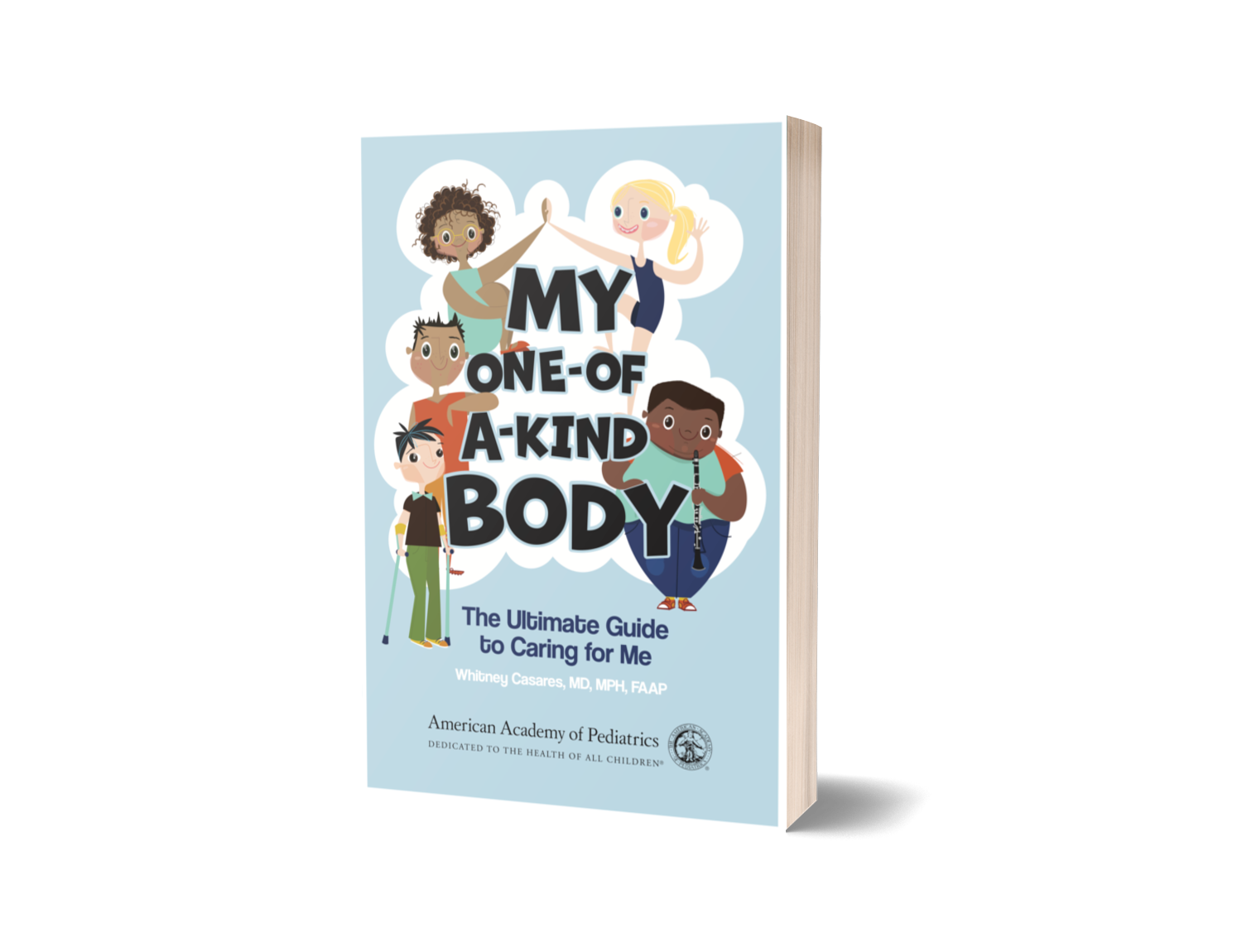
My Kids' Book on Body Confidence is Finally Here!


Wish your partner would do more to lessen your mental load?


Want to make self-care a priority but not sure how to?


SIGN UP FOR SUSTAINABLE SELF-CARE. IT'S FREE. CLICK HERE


FRESH

ON THE PODCAST


By Dr. Whitney December 17, 2025
About the Episode: In this episode, Dr. Whitney sits down with Dr. Jay Gargus and Dave Justus from NeuroQure to discuss the power of early clarity when it comes to autism detection and why earlier intervention can fundamentally change outcomes for childre n and families. Dr. Gargus explains the science behind early behavioral therapies and why their impact goes far beyond short-term skill-building. Research shows that early, evidence-based interventions can lead to measurable, lifelong improvements in IQ, so cial skills, independence, and educational placement, often determining whether a child can thrive in mainstream education or requires ongoing specialized support. The conversation also tackles a critical and often overlooked issue: access. Dave Justus shares the personal motivation behind NeuroQure’s work and explains why the test is being launched at cost, with installment plans and employer subsidies, while the team works toward insurance coverage. The goal is to prevent families from losing precious years waiting for answers. Together, they emphasize a hopeful message for parents: families don’t need to wait for a future “silver bullet.” We already have therapies that work and getting kids connected to them earlier can change the course of a lifetime. In this episode, we discuss: Why early autism detection leads to lifelong changes—not just short-term gains What a 17-point IQ difference actually means for education, independence, and quality of life How early intervention can shift developmental trajectories as early as 6 months The science and validation behind current autism therapies Why NeuroQure is pricing testing at cost while pursuing insurance coverage How early clarity can reduce long-term strain on families, schools, and healthcare systems This episode is a powerful reminder that timing matters and that early access to answers can make an extraordinary difference for children and the families who love them. About Our Guest: Dr. Jay Gargus, MD, PhD is a physician-scientist and nationally recognized expert in neurodevelopmental disorders, with decades of experience researching the biological underpinnings of autism. His work has focused on translating well-established science into meaningful, real-world interventions that can improve lifelong outcomes for children. Dr. Gargus emphasizes that early, evidence-based therapies are already available—and that connecting families to them sooner can fundamentally change developmental trajectories. Dave Justus is a parent and the founder of NeuroQure, whose work is driven by personal experience navigating delayed autism diagnosis and intervention. Motivated by the belief that early clarity can spare families years of uncertainty, Dave is focused on expanding access to early testing through cost-based pricing and ongoing efforts to secure insurance coverage. His mission is simple but powerful: ensure families don’t have to wait for answers that could change everything. Want to Start Raising Body-Confident Kids Today? 📘 Order the Book Order your copy of My One-of-a-Kind Body 👉 www.raisingbodyconfidentkids.com/books 🎁 Claim Your Free Bonus When you order on our site, you’ll also get access to a FREE video mini-course with five bite-sized lessons for parents. In just 25 minutes, you’ll walk away with: Simple, script-style ways to respond when your kid says, “I hate my thighs” How to talk about health without weight talk What to do when your own inner critic shows up How to interrupt diet culture at home The first step to raising a body-confident kid, even if you didn’t grow up as one 📩 Subscribe to The Modern Mommy Doc Podcast for more episodes on parenting with confidence and clarity. Leave a review using the hashtag #ModernMommyDoc.
By Dr. Whitney November 13, 2025
Stop being so busy, and start being more present.