MMD BLOG


CATEGORY:

PARENTING + KIDS

RAISING CHILDREN | THE REAL MEASURE OF SUCCESS...AND HOW TO HELP YOUR KIDS ATTAIN IT

 Modern Mommy Doc


PUBLICATION DATE:

December 22, 2017

RAISING CHILDREN | THE REAL MEASURE OF SUCCESS...AND HOW TO HELP YOUR KIDS ATTAIN IT

 Modern Mommy Doc

CATEGORY: PARENTING + KIDS

We all want our kids to be successful - to be a leap ahead. Not ahead of every other kid, necessarily, but to their full potential. This is all a part of raising children.


So, how do we do it? And how do we achieve it (even more importantly) without making them stressed-out and overwhelmed in the process (by the way, if you have toddlers who tend to act out when they're stressed, check out our free toddler tantrum guide here)?


1. First Get a Grip On Your Parenting Goals and Philosophy


Is my goal to have my daughters be doctors like me? Why? Because that sounds successful? Not a good enough reason. Is my number one focus for them to be accepted into some highly-acclaimed academic institution? For what purpose? I have to check in with myself about my own motivations.


Instead, I try to make it my goal to raise daughters who 1. Are well-adjusted, self-sufficient, confident adults 2. Who love what they do-no matter what that is and 3. Who understand that they have to work hard to achieve their dreams. That is the REAL measure of success.


2. Allow Time for Imaginative Play To Foster A Love of Learning 


Just because I’m not gunning for Ivy-League admittance for my kids (not that it would be bad if they ended up there, it just isn’t my focus), it doesn’t mean I don’t look for educational opportunities every day. In fact, I do a lot of that. But my main goal with the activities is that my kids totally nerd out on whatever it is that THEY think is really cool, even if it's not in my interest area. I also make sure that they have plenty of free time to play without structure.


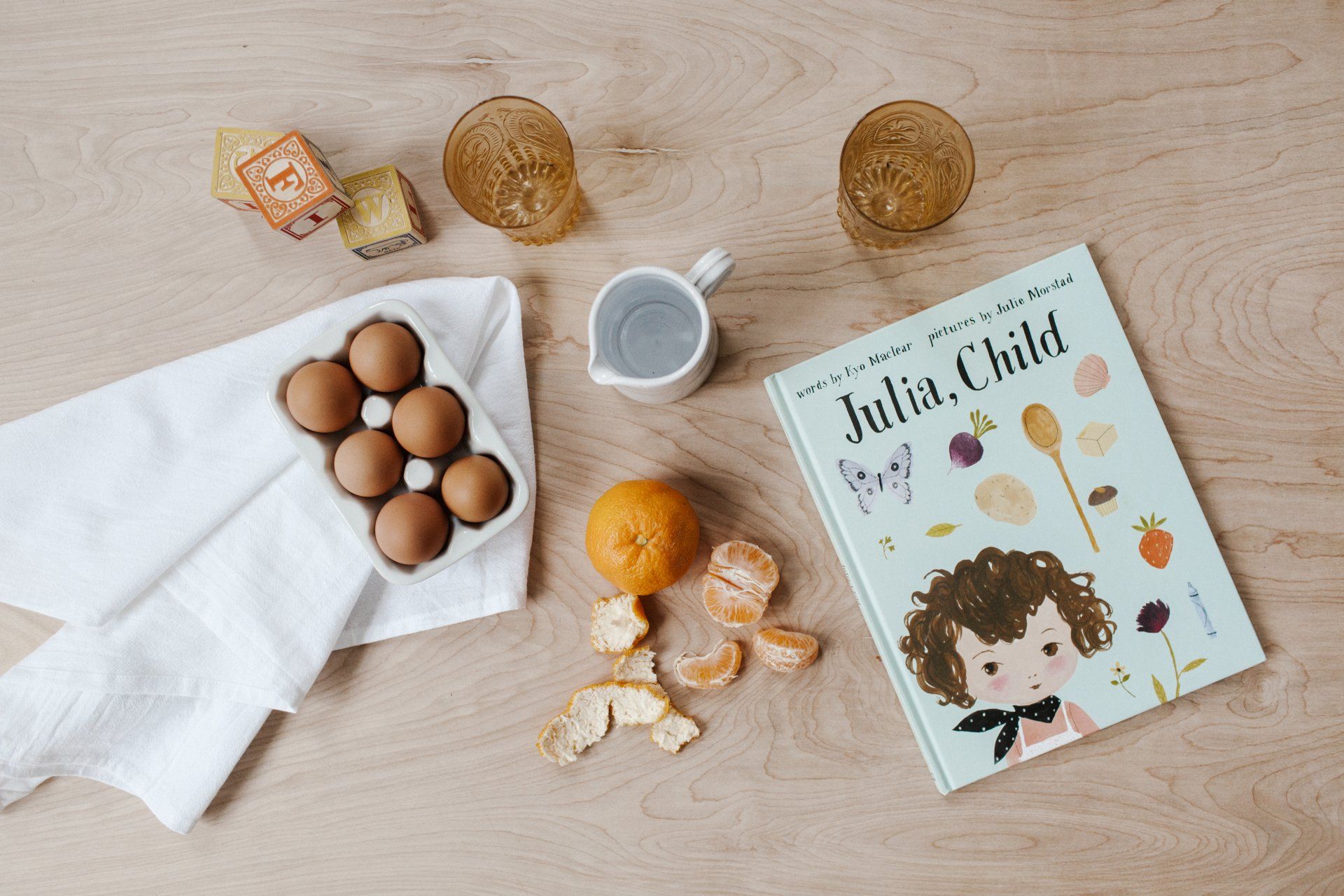
For example, my almost four-year-old is on a Julia Child kick these days. We stumbled upon some old In Julia’s Kitchen With Master Chefs episodes and she was hooked after one show. I noticed that, soon after she started watching, she asked me to pull out ingredients from the cupboard and began making little concoctions with them. At first, I asked if she was interested in an Easy Bake Oven, or some other way to actually cook food but she looked at me, appalled, when I suggested it.


“Mommy, these are experiments, NOT meals.”


No problem, kiddo.


She then proceeded to narrate her addition of the baking soda to the vinegar (“Ooh, look how it bubbles! It’s making a frothy foam”) and every single other ingredient she added in. She sounded like she was a cooking show host but, apparently, she imagined she was the star of a fancy chemistry presentation.


The counters were a mess. We probably wasted $20 in flour and salt, but she was so content as her little imagination soared. The next time we were at the library, she wanted to know if there were books about other types of mixtures - paints, dirt and water, other types of foods. It was a little magical.


3. Provide Age-Appropriate Learning Opportunities That Allow Kids To Build Competence and Confidence (But Don’t Overdo It). 


I care about keeping my priorities straight but I also care about stimulating my daughters’ little neural pathways . In the process of fostering a love of learning, I have to make sure to simplify so we don't get too overwhelmed.


Why? I’ve seen the effect of over-scheduling kids over and over in my office. The kids are so frantic and so are their parents.

Instead, I recommend focusing on one or two weekly non-school activities per kid per season (3 max!).


Mix it up while they are young, if possible, unless they find something THEY love that they want to stick with. If you can, find one active activity and one more “academic” or community option (think music class, art class). For older kids, let THEM choose from a handful of options, versus demanding that they be involved with a specific activity you really care about. If the coach/teacher is a bad fit, that’s one thing but, if at all possible, try to stick with whichever activity you choose through the season, then switch it up if it’s not working out so you can help foster a little perseverance and commitment.


4. Model Resilience and a Growth Mindset 


Allow your kids to see you fail and to rebound from your failures. Use family dinner times to talk about the best parts of your day but also about the challenges you faced and the ways you overcame them. Have your kids, when they are old enough, share their “Rose and Thorn Of The Day” as well. Work on letting them figure things out on their own, waiting to jump in with help until they ask you for it and, even then, assisting mostly by helping them to problem-solve the situation for themselves.


“Well, let’s see, how could you get your book back without yelling if your sister takes it?”


“I could give her another toy and ask if I could trade her.”


“I love that idea! Nice problem-solving.”


In your own work, look for ways you can adjust your attitude to consider yourself a “learner.” When you don’t do as well as you want to do, use it as an opportunity to grow as opposed to looking at each mini failure as a sign of ineptitude.


Approach your kids’ failures in the same way. “I can’t do that” is usually met with a “yet” in my house. “Did you try your best? Ok, then you did a great job!”


5. Aim For Goodness of Fit


When you get involved in activities or make choices on which schools/educational programs are best, look first at how it fits with the personality of your child. Does your child need a warm, supportive environment to thrive, even if it’s not seemingly as rigorous as another option? It might just serve you better in the long run. Does your kid need more structure and accountability? An educational program that fits that model may work better. The temperament of your child will often determine their needs and their ability to work well within the system where they go to learn every day,


A leap ahead - that's my focus for my kids and I bet it is for you, too. A leap to wherever they want to go. To whatever they want to be. To an understanding that success in life and work is not about fulfilling expectations, it's about finding the things that ultimately bring them joy and fulfillment.



Raising Body-Confident Kids Starts at the Doctor's Office!

START NOW
By Modern Mommy Doc • October 9, 2026
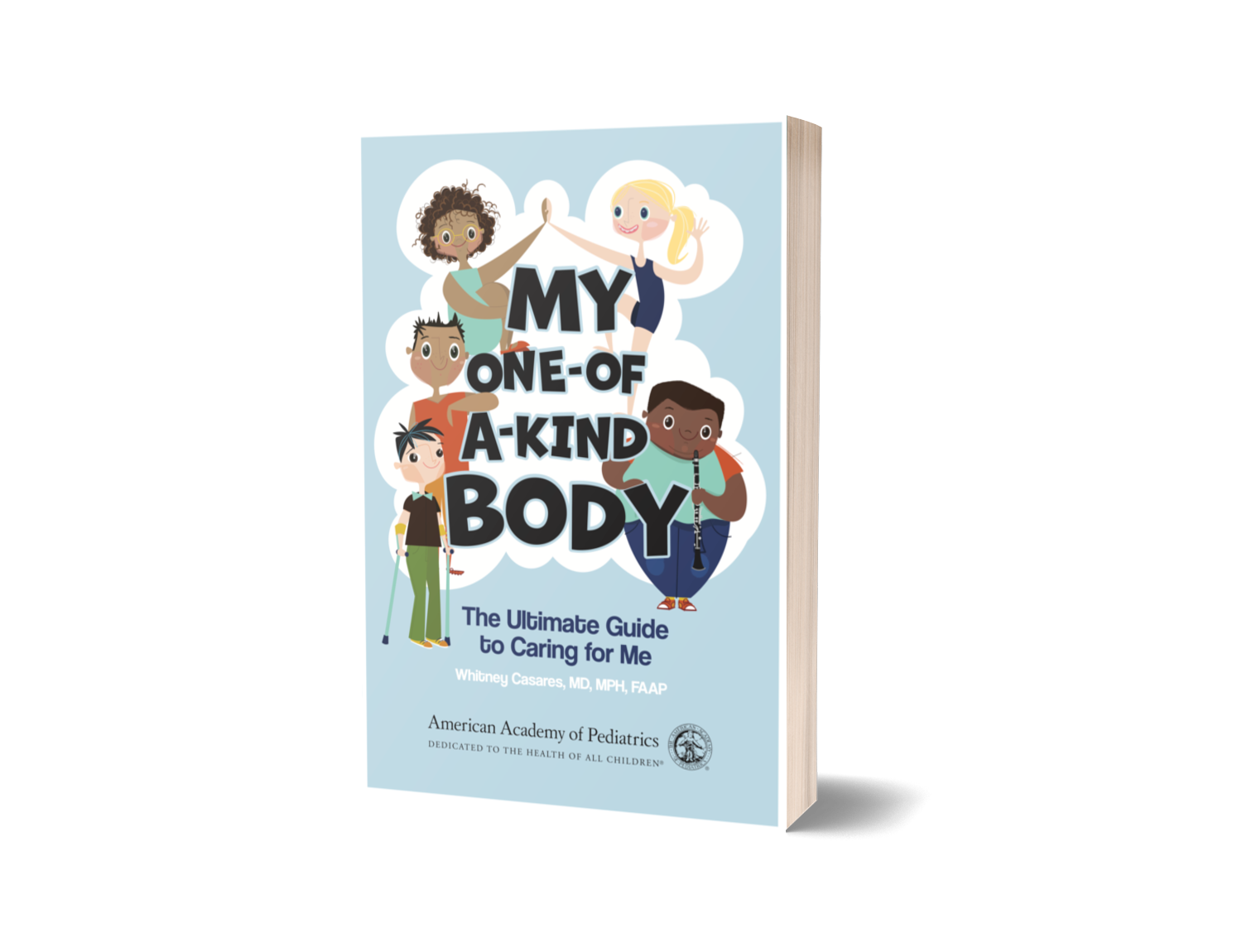
About the Episode: There’s so much parenting advice out there, and most of it doesn’t matter nearly as much as the internet wants you to think. (Seed oils? We have bigger fish to fry.) In this solo episode, Dr. Whitney gets back to basics and shares the six evidence-based parenting principles she focuses on as a pediatrician, the ones she dug into with a leading child development researcher. She also shares how these play out in real life as a mom of two neurodivergent kids, because guidance only helps if it actually fits your family. Key takeaways: Be sensitive and responsive. Simple practices like mirroring your child’s emotions and “serve and return” interactions build a loving, trusting foundation. Dr. Whitney shares how a Halloween decorating session turned into a deep conversation about religion once she slowed down and got curious. Meet kids where they are, especially at their worst. Drawing on Tina Payne Bryson, co-author of The Whole-Brain Child , Dr. Whitney explains that soothing a meltdown isn’t giving in. It’s letting your child know they’re not alone in a big feeling. Model self-regulation, and repair when you lose it. Self-regulation predicts academic success better than IQ. The goal isn’t staying calm all the time, it’s understanding why you got dysregulated, coming back to baseline, and offering yourself some self-compassion. Set limits for your kids and yourself. Every child’s needs are different (screen time affects Dr. Whitney’s two daughters very differently), but all kids need limits, and so do parents. Taking time for yourself models something healthy. Aim for authoritative, not permissive. High expectations paired with warmth and grace is the sweet spot. “Gentle parenting” can blur into permissiveness, which research shows is as harmful as authoritarian parenting. Protect unstructured time. Kids need boredom and free play to become self-directed. For ADHD and autistic kids, Dr. Whitney recommends offering a few options and letting kids choose. Support internal motivation. Using a “mirrors facing outward” image from her own therapist, Dr. Whitney explains why we want kids to trust their own instincts rather than constantly look outward for approval. Want to Start Raising Body-Confident Kids Today? 📘 Order the Books Raising Body-Confident Kids If you've ever caught yourself saying something to your kid about their body that sounded exactly like what your mother said to you, this book is for you. Raising Body-Confident Kids is a research-backed, judgment-free guide for parents who want to break the cycle of diet culture and body shame without swinging into toxic positivity or giving up all structure around food and movement. It answers the real questions parents are actually asking about Ozempic, about picky eaters, about what to say when your kid is being bullied for their body, and about social media influences. This is a practical, values-based game plan you can actually use, even if your own relationship with your body is still a work in progress. My One-of-a-Kind Body My One-of-a-Kind Body gives kids the language and understanding they need to care for their bodies with respect without fear, shame, or appearance-based messaging. Through inclusive illustrations and evidence-based health education, the book teaches body literacy, boundaries, and self-trust in a way kids can actually grasp. 👉 www.raisingbodyconfidentkids.com/books
By Modern Mommy Doc • October 5, 2026
What really matters when it comes to college admissions (for you and for them).
By Modern Mommy Doc • September 17, 2026
Kids going off to college are mean for a reason.
By Modern Mommy Doc • September 10, 2026
Maybe winning back to school isn't what we really want, after all.
By Modern Mommy Doc • August 27, 2026
First-class service has a lot to do with first-class parenting.

Welcome! Get the information you need to win at parenting without losing yourself.

LEARN MORE

My Kids' Book on Body Confidence


Trying to break the cycle of body shame and diet culture?


Overwhelmed by all the parenting advice out there?


SIGN UP FOR THE FREE STARTER KIT: UNBOTHERED. IT'S FREE. CLICK HERE


FRESH

ON THE PODCAST


By Modern Mommy Doc • October 9, 2026
About the Episode: There’s so much parenting advice out there, and most of it doesn’t matter nearly as much as the internet wants you to think. (Seed oils? We have bigger fish to fry.) In this solo episode, Dr. Whitney gets back to basics and shares the six evidence-based parenting principles she focuses on as a pediatrician, the ones she dug into with a leading child development researcher. She also shares how these play out in real life as a mom of two neurodivergent kids, because guidance only helps if it actually fits your family. Key takeaways: Be sensitive and responsive. Simple practices like mirroring your child’s emotions and “serve and return” interactions build a loving, trusting foundation. Dr. Whitney shares how a Halloween decorating session turned into a deep conversation about religion once she slowed down and got curious. Meet kids where they are, especially at their worst. Drawing on Tina Payne Bryson, co-author of The Whole-Brain Child , Dr. Whitney explains that soothing a meltdown isn’t giving in. It’s letting your child know they’re not alone in a big feeling. Model self-regulation, and repair when you lose it. Self-regulation predicts academic success better than IQ. The goal isn’t staying calm all the time, it’s understanding why you got dysregulated, coming back to baseline, and offering yourself some self-compassion. Set limits for your kids and yourself. Every child’s needs are different (screen time affects Dr. Whitney’s two daughters very differently), but all kids need limits, and so do parents. Taking time for yourself models something healthy. Aim for authoritative, not permissive. High expectations paired with warmth and grace is the sweet spot. “Gentle parenting” can blur into permissiveness, which research shows is as harmful as authoritarian parenting. Protect unstructured time. Kids need boredom and free play to become self-directed. For ADHD and autistic kids, Dr. Whitney recommends offering a few options and letting kids choose. Support internal motivation. Using a “mirrors facing outward” image from her own therapist, Dr. Whitney explains why we want kids to trust their own instincts rather than constantly look outward for approval. Want to Start Raising Body-Confident Kids Today? 📘 Order the Books Raising Body-Confident Kids If you've ever caught yourself saying something to your kid about their body that sounded exactly like what your mother said to you, this book is for you. Raising Body-Confident Kids is a research-backed, judgment-free guide for parents who want to break the cycle of diet culture and body shame without swinging into toxic positivity or giving up all structure around food and movement. It answers the real questions parents are actually asking about Ozempic, about picky eaters, about what to say when your kid is being bullied for their body, and about social media influences. This is a practical, values-based game plan you can actually use, even if your own relationship with your body is still a work in progress. My One-of-a-Kind Body My One-of-a-Kind Body gives kids the language and understanding they need to care for their bodies with respect without fear, shame, or appearance-based messaging. Through inclusive illustrations and evidence-based health education, the book teaches body literacy, boundaries, and self-trust in a way kids can actually grasp. 👉 www.raisingbodyconfidentkids.com/books
By Modern Mommy Doc • October 5, 2026
What really matters when it comes to college admissions (for you and for them).
By Modern Mommy Doc • September 17, 2026
Kids going off to college are mean for a reason.