MMD BLOG


CATEGORY:

PARENTING + KIDS

TAMING TODDLER TANTRUMS

 Modern Mommy Doc


PUBLICATION DATE:

December 22, 2017

TAMING TODDLER TANTRUMS

 Modern Mommy Doc

CATEGORY: PARENTING + KIDS


I won’t judge your toddler and their toddler tantrums if you won’t judge mine… deal?


That’s what I was thinking when my daughter threw herself onto the floor at the grocery store. She started wailing and went boneless when I attempted to pick her up and move her out of the way of shopping carts. She had been happy on the way to the store, happy when she started sipping on her green smoothie and then, wham… a hot mess of toddler tantrum the second I attempted to divert her attention away from the cookies (thank you so much Whole Foods for putting them right at her eye level).


I sighed, took inventory of the scene around me – a scene I know I have surveyed myself with the judging eyes of pre-motherhood -and formulated my response to my child. I let her have her moment and I didn’t act like a toddler back with yelling, nagging or giving into her request. Then I waited until she let her emotions roll over her like a huge wave. I started singing “ABC’s” and, fifteen seconds later, I had the more pleasant version of my 23-month old back, merrily singing “Twinkle Twinkle” at the top of her lungs, happy as a clam.


My child is, in polite terms, spirited. She will, when older, be confident and self-assured, I can tell. And, most of the time, she is a total delight. She is quick, she is engaging and she is, above all, hilarious. “Mommy, it’s complicated,” she told me with a smirk the other day. Okay…. well, I guess there’s no arguing that. But, if I didn’t have a consistent approach to responding to her behavior, she could easily turn into an uncontrolled terror and things would get more complicated for both of us.


I’m not alone. Every parent worries about toddler tantrums. First of all, their child turning into a full-on nightmare. Secondly, scarring their child in the process of trying to discipline him or her.


Before I had a daughter I gave a lot of advice about families creating a consistent and loving approach to toddler tantrums and problem behaviors. I knew it from the books. And I hoped it would work. Now that I am a parent myself, I realize how wise those behavior experts were. I also realize how difficult it is to put their advice into practice.



Here are the things I remind myself when I want to scream, “Stop acting like a two year old!!!”


1. She IS a two-year-old.


Just like her speech is not as mature as mine, the parts of her brain responsible for emotional regulation and decision-making are not either. They are still developing. So, if I talk to her and expect her to act like a 30-year-old (or even an 8-year-old!), the odds of me getting through to her are pretty slim. Instead, I have to take her tantrums in stride and understand that the work I am doing with her will pay off somewhat now but even more in the future. She will still have tantrums for the next several years, at least. I can help to prevent some of them but not all of them. I can make sure she is fed and rested and that she has plenty of positive attention, but sometimes she will just “act her age.”


2. I can respond versus react.


If I react to her emotional outbursts (by getting exasperated, raising my voice or whining back at her), both she and I will end up more upset. Also, it will teach her that she gets a lot of attention when she is misbehaving. This reinforces the negative behavior. Instead, I take a deep breath, say my, “She is only two” mantra in my head, and move on to responding calmly, allowing her to be the only one going wild. “Only one of us can be out of control for this to end well,” I tell myself, and that one of us is her.


3. There is no need for a long diatribe or lecture.


I keep my directions and my responses short and sweet. For example, if we are crossing a road, I tell her beforehand, “We are coming to the road. You can hold my hand or I can carry you. “ She says, (of course), “Hold hands.” When, in the middle of the street, she tries to break free, I repeat my original statement. I then pick her up and carry her, even if she starts throwing a tantrum about it. There is no long explanation of how dangerous it is in the street or a lecture on why she is not being good because she didn’t follow directions. I just repeat, simply, “You didn’t hold my hand so mommy is carrying you,” and then I leave it.


4. There’s no need to take it personally or to hold a grudge.


It feels bad to have your child throw a fit, say, “Not you, mommy!” or not respond to your directions. Most parents take it too personally. Remember, you’re not dealing with a rational human being when you deal with a toddler. Their actions are not about you and are the result of their underdeveloped brains. When you consider it a personal affront, it makes it so you can’t think with an objective mind about a plan to respond to your child. Instead, you become angry, sad or (let’s face it, this one takes the cake most of the time) embarrassed. That makes thinking of a logical consequence for their actions much more difficult.


Being a parent is hard work. Sometimes, it feels like you should get a medal of honor for the heroic effort it takes to wrangle a toddler. Remember, soon this stage will be gone and, just like the newborn period, you’ll likely look back on it and think, “Well, it wasn’t SO bad.” Until then, focus on being consistent, on being logical and on being controlled as you approach your young child’s behavior. I’ll keep doing the same at my house.


Want more help winning at parenting without losing yourself?


Check out our self-care and newborn care courses.


Raising Body-Confident Kids Starts at the Doctor's Office!

START NOW
By Dr. Whitney December 17, 2025
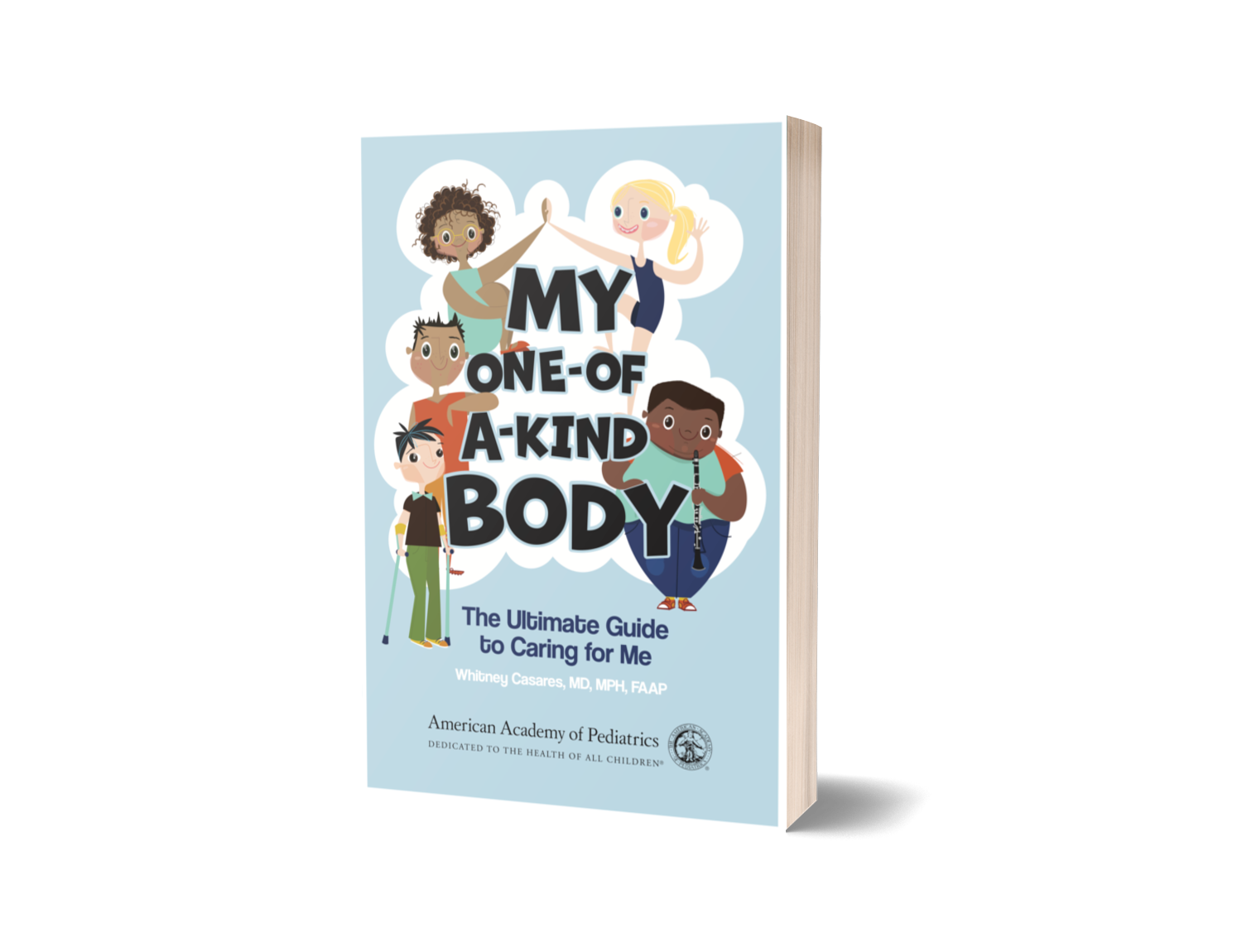
About the Episode: In this episode, Dr. Whitney sits down with Dr. Jay Gargus and Dave Justus from NeuroQure to discuss the power of early clarity when it comes to autism detection and why earlier intervention can fundamentally change outcomes for childre n and families. Dr. Gargus explains the science behind early behavioral therapies and why their impact goes far beyond short-term skill-building. Research shows that early, evidence-based interventions can lead to measurable, lifelong improvements in IQ, so cial skills, independence, and educational placement, often determining whether a child can thrive in mainstream education or requires ongoing specialized support. The conversation also tackles a critical and often overlooked issue: access. Dave Justus shares the personal motivation behind NeuroQure’s work and explains why the test is being launched at cost, with installment plans and employer subsidies, while the team works toward insurance coverage. The goal is to prevent families from losing precious years waiting for answers. Together, they emphasize a hopeful message for parents: families don’t need to wait for a future “silver bullet.” We already have therapies that work and getting kids connected to them earlier can change the course of a lifetime. In this episode, we discuss: Why early autism detection leads to lifelong changes—not just short-term gains What a 17-point IQ difference actually means for education, independence, and quality of life How early intervention can shift developmental trajectories as early as 6 months The science and validation behind current autism therapies Why NeuroQure is pricing testing at cost while pursuing insurance coverage How early clarity can reduce long-term strain on families, schools, and healthcare systems This episode is a powerful reminder that timing matters and that early access to answers can make an extraordinary difference for children and the families who love them. About Our Guest: Dr. Jay Gargus, MD, PhD is a physician-scientist and nationally recognized expert in neurodevelopmental disorders, with decades of experience researching the biological underpinnings of autism. His work has focused on translating well-established science into meaningful, real-world interventions that can improve lifelong outcomes for children. Dr. Gargus emphasizes that early, evidence-based therapies are already available—and that connecting families to them sooner can fundamentally change developmental trajectories. Dave Justus is a parent and the founder of NeuroQure, whose work is driven by personal experience navigating delayed autism diagnosis and intervention. Motivated by the belief that early clarity can spare families years of uncertainty, Dave is focused on expanding access to early testing through cost-based pricing and ongoing efforts to secure insurance coverage. His mission is simple but powerful: ensure families don’t have to wait for answers that could change everything. Want to Start Raising Body-Confident Kids Today? 📘 Order the Book Order your copy of My One-of-a-Kind Body 👉 www.raisingbodyconfidentkids.com/books 🎁 Claim Your Free Bonus When you order on our site, you’ll also get access to a FREE video mini-course with five bite-sized lessons for parents. In just 25 minutes, you’ll walk away with: Simple, script-style ways to respond when your kid says, “I hate my thighs” How to talk about health without weight talk What to do when your own inner critic shows up How to interrupt diet culture at home The first step to raising a body-confident kid, even if you didn’t grow up as one 📩 Subscribe to The Modern Mommy Doc Podcast for more episodes on parenting with confidence and clarity. Leave a review using the hashtag #ModernMommyDoc.
By Dr. Whitney November 13, 2025
Stop being so busy, and start being more present.
By Dr. Whitney November 5, 2025
Starting out right with solids doesn't have to be so scary.
By Dr. Whitney October 29, 2025
What if YOU are the one who needs to calm down first?

Welcome! Get the information you need to win at parenting without losing yourself.

LEARN MORE

My Kids' Book on Body Confidence is Finally Here!


Wish your partner would do more to lessen your mental load?


Want to make self-care a priority but not sure how to?


SIGN UP FOR SUSTAINABLE SELF-CARE. IT'S FREE. CLICK HERE


FRESH

ON THE PODCAST


By Dr. Whitney December 17, 2025
About the Episode: In this episode, Dr. Whitney sits down with Dr. Jay Gargus and Dave Justus from NeuroQure to discuss the power of early clarity when it comes to autism detection and why earlier intervention can fundamentally change outcomes for childre n and families. Dr. Gargus explains the science behind early behavioral therapies and why their impact goes far beyond short-term skill-building. Research shows that early, evidence-based interventions can lead to measurable, lifelong improvements in IQ, so cial skills, independence, and educational placement, often determining whether a child can thrive in mainstream education or requires ongoing specialized support. The conversation also tackles a critical and often overlooked issue: access. Dave Justus shares the personal motivation behind NeuroQure’s work and explains why the test is being launched at cost, with installment plans and employer subsidies, while the team works toward insurance coverage. The goal is to prevent families from losing precious years waiting for answers. Together, they emphasize a hopeful message for parents: families don’t need to wait for a future “silver bullet.” We already have therapies that work and getting kids connected to them earlier can change the course of a lifetime. In this episode, we discuss: Why early autism detection leads to lifelong changes—not just short-term gains What a 17-point IQ difference actually means for education, independence, and quality of life How early intervention can shift developmental trajectories as early as 6 months The science and validation behind current autism therapies Why NeuroQure is pricing testing at cost while pursuing insurance coverage How early clarity can reduce long-term strain on families, schools, and healthcare systems This episode is a powerful reminder that timing matters and that early access to answers can make an extraordinary difference for children and the families who love them. About Our Guest: Dr. Jay Gargus, MD, PhD is a physician-scientist and nationally recognized expert in neurodevelopmental disorders, with decades of experience researching the biological underpinnings of autism. His work has focused on translating well-established science into meaningful, real-world interventions that can improve lifelong outcomes for children. Dr. Gargus emphasizes that early, evidence-based therapies are already available—and that connecting families to them sooner can fundamentally change developmental trajectories. Dave Justus is a parent and the founder of NeuroQure, whose work is driven by personal experience navigating delayed autism diagnosis and intervention. Motivated by the belief that early clarity can spare families years of uncertainty, Dave is focused on expanding access to early testing through cost-based pricing and ongoing efforts to secure insurance coverage. His mission is simple but powerful: ensure families don’t have to wait for answers that could change everything. Want to Start Raising Body-Confident Kids Today? 📘 Order the Book Order your copy of My One-of-a-Kind Body 👉 www.raisingbodyconfidentkids.com/books 🎁 Claim Your Free Bonus When you order on our site, you’ll also get access to a FREE video mini-course with five bite-sized lessons for parents. In just 25 minutes, you’ll walk away with: Simple, script-style ways to respond when your kid says, “I hate my thighs” How to talk about health without weight talk What to do when your own inner critic shows up How to interrupt diet culture at home The first step to raising a body-confident kid, even if you didn’t grow up as one 📩 Subscribe to The Modern Mommy Doc Podcast for more episodes on parenting with confidence and clarity. Leave a review using the hashtag #ModernMommyDoc.
By Dr. Whitney November 13, 2025
Stop being so busy, and start being more present.