MMD BLOG


CATEGORY:

SELF-CARE + MOTHERHOOD

RUN, MAMA, RUN! (ALSO KNOWN AS, “HOW PRIORITIZING SELF-CARE GIVES YOU MORE ENERGY FOR THE THINGS THAT MATTER”)

 Modern Mommy Doc


PUBLICATION DATE:

January 18, 2021

RUN, MAMA, RUN! (ALSO KNOWN AS, “HOW PRIORITIZING SELF-CARE GIVES YOU MORE ENERGY FOR THE THINGS THAT MATTER”)

 Modern Mommy Doc

CATEGORY: SELF-CARE + MOTHERHOOD

The Energizer Bunny may have been brainstormed into life for the purpose of selling batteries, but there’s really no better mascot for most parents I know. “Still going!” the updated tagline now reads. And while that feels like an accomplishment when paired with a scrappy bunny zipping along with his drum, it takes on a slightly more ominous tone when applied to a regular mom day. Still going? How? And, more to the point, why? Why this push to cram so much into so little time?


What do I mean? Just think over everything you’ve done before sitting down to read this blog, and you’ll have a pretty good idea of what I’m talking about. Or, perhaps a better illustration is this: when you find yourself with an unexpected hour of free time, do you, a) find something to check off your to-do list, or, b) relax?


If you answered “a,” you’re not alone. But aligning your sense of accomplishment or self-worth with how much you can do puts you on the losing end of a perverse pissing contest. Being “exhausted” all the time feels too much like a crown of thorns. Sure, you might be the best mom around. But boy, what a price to pay.


Sticking to a Schedule


Every night at 7:15, I start eyeing the clock. By 7:30, I’m corralling my two daughters upstairs to start their bedtime routine. I am militant about this because, if we get off schedule, we all pay dearly the next day. This is especially true for my older daughter who, when overtired, is quick to be cranky, complain of stomach aches, and get emotionally dysregulated.


I have learned to prioritize sleep for my children because we are all happier when I do. But I haven’t always been so vigilant. When it is just my wellness at stake, I’ve been known to stay up until 3 a.m. finishing edits on a manuscript, snatching a few hours of sleep, and then rising early to get a head start on the next day.


The early bird, after all, gets the worm. And don’t we all want the worm? It’s a more appropriate analogy than we realize. In our pursuit to do and have more, we habitually de-prioritize rest and energy replenishment. It is ingrained in us as parents and as citizens of the 21st century where our worth is too often tied up with what we do and how much we can accomplish instead of who we are. It’s what has made me say yes to committees and projects at work that I should’ve left to others. It’s why I’ve spent vacation days running errands and knocking things off my to-do list instead of resting. And, like my daughter, my body keeps score. Every time I push harder than I should, I wake up to migraines, irritability, and even deep sadness. Talk about getting the worm. It’s an accomplishment I’m not so sure I want.


Less Is More


Today, I approach motherhood and life differently. I have learned that the goal isn’t really to do more but rather to do more of what I love. That the price isn’t self-care or wellness but rather letting go of outdated expectations and, sometimes, my to-do list. It’s about choosing to work hard at times but then intentionally letting myself unplug for a while and actually take the break I need after having put in the effort.


Doing this successfully requires more than just a vague sense of “me time.” I have to very intentionally streamline my life and obligations so that I can optimize my efficiency. If I am the only one who can do something, then I set a time and place to do it…and I’m done. I don’t waste time or energy thinking about paying the bills, for example, when I know I’ve scheduled an hour on Sunday night to pay them. And if I have a job that someone else can do, like housekeeping, I delegate that out. Once I schedule or outsource all of my major commitments, I find that I have both the time and the energy to focus on what matters most to me.





7 Ways to Up Your Energy


Figuring out which tasks to shoulder and which ones to let go of is critical to successful time management and self-care as parents. That’s why it’s a major focal point of my upcoming Centered and Strong Live Retreat.(Set for January 30th!) But there are also simple steps you can take for those times when you have about as much energy as a toddler after a field trip to the zoo. When you have to shore up your flagging reserves to make it through the rest of your day, try the following:


1. Play the Sleeping Princess:


Kids love make-believe. Parents love sleep. Make everyone happy with a game that combines both. Whether you’re the patient undergoing surgery or the princess sleeping in the tower, let your kids’ imaginations run riot while you dutifully close your eyes for a few minutes.


2. Step Away From the Screen:


Am I the only one whose phone reports how much time I’ve spent on it over the past week? I’m telling you, Mama, that’s not usually a gratifying update. And the number of hours is only the first part. There’s no average provided for how much mental energy I’ve wasted toggling between a given task and checking email or scrolling through Instagram. Minimize the time-suck factor by checking your email and social media at set times throughout the day and giving yourself limits on TV time. You do it for your kids. Show yourself the same love!


3. Give Up the Multitasking Myth:


Which brings me to the concept of single-tasking. Think you’ll get more done by multitasking? Not so! Studies show that single-tasking is where the magic is. By focusing on one thing at a time, our brains optimize their efficiency, and that, Mama, leaves you with more energy.


4. Dance Like Your Kids Are Watching:


Actually, dance with your kids. Or go for a walk with them. Or do a quick yoga sequence with them. When you move your body, you’ll get that dopamine rush that’s better (and better for you) than a third cup of coffee.


5. Go on Break:


You’d take that 15-minute break if you were on the job. Do the same in your daily life. Structure small intervals of unproductivity throughout your day. Even if it’s just five minutes, giving your brain (and cortisol levels) a break from racing through tasks will help replenish your energy levels.


6. Delegate Like a Boss:


This goes back to what I was saying earlier. Find tasks that other people can do — your partner, your kids, your mother-in-law, a hired professional — and outsource them.


7. Make Self-Care a Priority:


I know I can be a broken record on this one, but it bears repeating. Take care of yourself so you can take care of everyone and everything else. Decide what that means to you (e.g., a regular evening with friends, a morning to sleep in, half an hour every day by yourself, etc.) and commit to it.


In the end, it’s worth remembering that we’re not mechanized bunnies running on battery-powered energy. Our goal shouldn’t be to keep going at all costs. It should be to spend our energy on the people and things we care about. And that includes ourselves.


Raising Body-Confident Kids Starts at the Doctor's Office!

START NOW
By Modern Mommy Doc • October 9, 2026
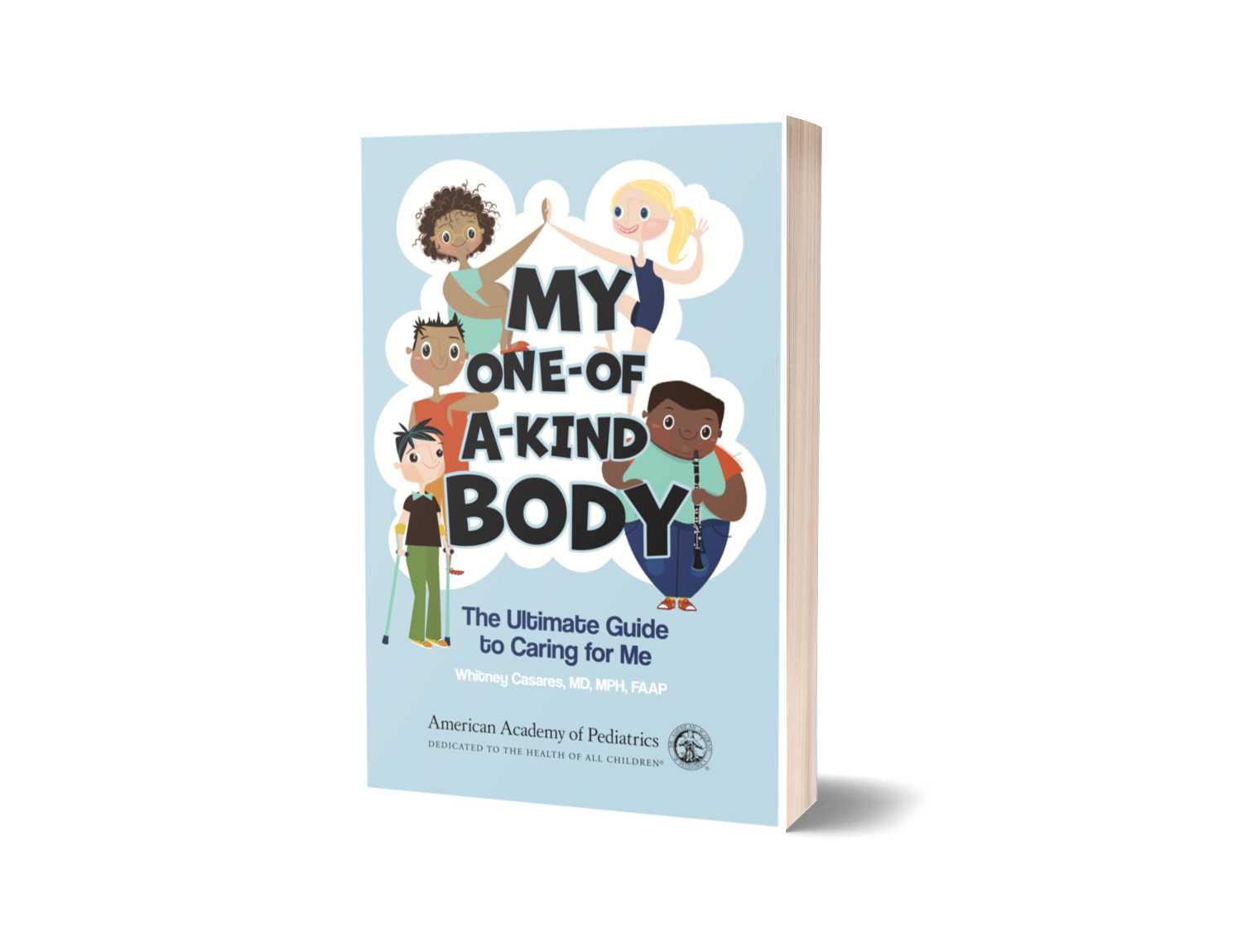
About the Episode: There’s so much parenting advice out there, and most of it doesn’t matter nearly as much as the internet wants you to think. (Seed oils? We have bigger fish to fry.) In this solo episode, Dr. Whitney gets back to basics and shares the six evidence-based parenting principles she focuses on as a pediatrician, the ones she dug into with a leading child development researcher. She also shares how these play out in real life as a mom of two neurodivergent kids, because guidance only helps if it actually fits your family. Key takeaways: Be sensitive and responsive. Simple practices like mirroring your child’s emotions and “serve and return” interactions build a loving, trusting foundation. Dr. Whitney shares how a Halloween decorating session turned into a deep conversation about religion once she slowed down and got curious. Meet kids where they are, especially at their worst. Drawing on Tina Payne Bryson, co-author of The Whole-Brain Child , Dr. Whitney explains that soothing a meltdown isn’t giving in. It’s letting your child know they’re not alone in a big feeling. Model self-regulation, and repair when you lose it. Self-regulation predicts academic success better than IQ. The goal isn’t staying calm all the time, it’s understanding why you got dysregulated, coming back to baseline, and offering yourself some self-compassion. Set limits for your kids and yourself. Every child’s needs are different (screen time affects Dr. Whitney’s two daughters very differently), but all kids need limits, and so do parents. Taking time for yourself models something healthy. Aim for authoritative, not permissive. High expectations paired with warmth and grace is the sweet spot. “Gentle parenting” can blur into permissiveness, which research shows is as harmful as authoritarian parenting. Protect unstructured time. Kids need boredom and free play to become self-directed. For ADHD and autistic kids, Dr. Whitney recommends offering a few options and letting kids choose. Support internal motivation. Using a “mirrors facing outward” image from her own therapist, Dr. Whitney explains why we want kids to trust their own instincts rather than constantly look outward for approval. Want to Start Raising Body-Confident Kids Today? 📘 Order the Books Raising Body-Confident Kids If you've ever caught yourself saying something to your kid about their body that sounded exactly like what your mother said to you, this book is for you. Raising Body-Confident Kids is a research-backed, judgment-free guide for parents who want to break the cycle of diet culture and body shame without swinging into toxic positivity or giving up all structure around food and movement. It answers the real questions parents are actually asking about Ozempic, about picky eaters, about what to say when your kid is being bullied for their body, and about social media influences. This is a practical, values-based game plan you can actually use, even if your own relationship with your body is still a work in progress. My One-of-a-Kind Body My One-of-a-Kind Body gives kids the language and understanding they need to care for their bodies with respect without fear, shame, or appearance-based messaging. Through inclusive illustrations and evidence-based health education, the book teaches body literacy, boundaries, and self-trust in a way kids can actually grasp. 👉 www.raisingbodyconfidentkids.com/books
By Modern Mommy Doc • October 5, 2026
What really matters when it comes to college admissions (for you and for them).
By Modern Mommy Doc • September 17, 2026
Kids going off to college are mean for a reason.
By Modern Mommy Doc • September 10, 2026
Maybe winning back to school isn't what we really want, after all.
By Modern Mommy Doc • August 27, 2026
First-class service has a lot to do with first-class parenting.

Welcome! Get the information you need to win at parenting without losing yourself.

LEARN MORE

My Kids' Book on Body Confidence


Trying to break the cycle of body shame and diet culture?


Overwhelmed by all the parenting advice out there?


SIGN UP FOR THE FREE STARTER KIT: UNBOTHERED. IT'S FREE. CLICK HERE


FRESH

ON THE PODCAST


By Modern Mommy Doc • October 9, 2026
About the Episode: There’s so much parenting advice out there, and most of it doesn’t matter nearly as much as the internet wants you to think. (Seed oils? We have bigger fish to fry.) In this solo episode, Dr. Whitney gets back to basics and shares the six evidence-based parenting principles she focuses on as a pediatrician, the ones she dug into with a leading child development researcher. She also shares how these play out in real life as a mom of two neurodivergent kids, because guidance only helps if it actually fits your family. Key takeaways: Be sensitive and responsive. Simple practices like mirroring your child’s emotions and “serve and return” interactions build a loving, trusting foundation. Dr. Whitney shares how a Halloween decorating session turned into a deep conversation about religion once she slowed down and got curious. Meet kids where they are, especially at their worst. Drawing on Tina Payne Bryson, co-author of The Whole-Brain Child , Dr. Whitney explains that soothing a meltdown isn’t giving in. It’s letting your child know they’re not alone in a big feeling. Model self-regulation, and repair when you lose it. Self-regulation predicts academic success better than IQ. The goal isn’t staying calm all the time, it’s understanding why you got dysregulated, coming back to baseline, and offering yourself some self-compassion. Set limits for your kids and yourself. Every child’s needs are different (screen time affects Dr. Whitney’s two daughters very differently), but all kids need limits, and so do parents. Taking time for yourself models something healthy. Aim for authoritative, not permissive. High expectations paired with warmth and grace is the sweet spot. “Gentle parenting” can blur into permissiveness, which research shows is as harmful as authoritarian parenting. Protect unstructured time. Kids need boredom and free play to become self-directed. For ADHD and autistic kids, Dr. Whitney recommends offering a few options and letting kids choose. Support internal motivation. Using a “mirrors facing outward” image from her own therapist, Dr. Whitney explains why we want kids to trust their own instincts rather than constantly look outward for approval. Want to Start Raising Body-Confident Kids Today? 📘 Order the Books Raising Body-Confident Kids If you've ever caught yourself saying something to your kid about their body that sounded exactly like what your mother said to you, this book is for you. Raising Body-Confident Kids is a research-backed, judgment-free guide for parents who want to break the cycle of diet culture and body shame without swinging into toxic positivity or giving up all structure around food and movement. It answers the real questions parents are actually asking about Ozempic, about picky eaters, about what to say when your kid is being bullied for their body, and about social media influences. This is a practical, values-based game plan you can actually use, even if your own relationship with your body is still a work in progress. My One-of-a-Kind Body My One-of-a-Kind Body gives kids the language and understanding they need to care for their bodies with respect without fear, shame, or appearance-based messaging. Through inclusive illustrations and evidence-based health education, the book teaches body literacy, boundaries, and self-trust in a way kids can actually grasp. 👉 www.raisingbodyconfidentkids.com/books
By Modern Mommy Doc • October 5, 2026
What really matters when it comes to college admissions (for you and for them).
By Modern Mommy Doc • September 17, 2026
Kids going off to college are mean for a reason.