MMD BLOG


CATEGORY:

Website Editor

SELF-CARE FOR MOMS | FIGURING OUT SELF-CARE IS ABOUT LEARNING HOW TO FILTER

 Modern Mommy Doc


PUBLICATION DATE:

October 19, 2018

SELF-CARE FOR MOMS | FIGURING OUT SELF-CARE IS ABOUT LEARNING HOW TO FILTER

 Modern Mommy Doc

CATEGORY: Website Editor

I’m sitting on my mat, eyes closed, trying to breathe. The lights are dim, the music is just right, the instructor’s voice is calm and melodic as she guides the class in getting centered and getting comfortable, but I just can’t seem to focus. It’s a shame, really, given that I’ve spent all week arranging for this one hour of “self-indulgence"—paying extra for my sitter to stay with my youngest at home, timing a business meeting to start directly after I’m done, even putting off more “important” errands like the grocery store and a Target run in the name of self-care.


Yet, somehow, my mind keeps flitting in and out of focus despite multiple attempts to bring myself back to the present moment. I’m already onto the rest of the day in my head, and somehow also back to yesterday, where I’m analyzing an in-office interaction and questioning my clinical decision-making process on a patient’s particularly tough condition. Yep, my filter system is broken today. 


So, this morning’s exercise session was a loss. So what? As I walked to my car after the class and out to the rest of my life, I thought about the bigger picture—about what the class represented, about how many of my self-care attempts are affected by my ability to properly filter. I thought about how much time we all waste, especially as mothers, unable to get past the noise, the false messages, and the endless, meaningless to-do's that face us every day. About how, if self-care really is about trying to achieve some type of balance, it’s our filter system that—nine times out of ten—keeps us from actually getting anywhere with our attempts. 


Filtering Out the Noise


How much time do you spend on your phone? I’m not judging, I’m just asking, because I often have to spend A LOT of time on my phone (mostly due to the nature of running a blog and a business and promoting both on social media) and I notice that, when I’m on it without a specific task in mind (just to surf) and without a plan to GET OFF OF IT AS SOON AS POSSIBLE, my whole life ends up filled with noise.


I follow a link to a story and it leads me to some other worthless distraction, scroll through Facebook and I get sucked into watching some viral video, hang out on Pinterest and I get bogged down in pictures of professionally-decorated homes that I can’t afford. It’s all noise, and it eats away at the precious moments I do have to actually do what feeds me, what restores me, and what builds me up. 


So, what can we do to get rid of some of the static that clogs our thinking and takes all our time away? I’m guessing you’re probably not all going to throw your phones into a pool anytime soon, but how about this? What if you worked on consciously setting aside times throughout the week without any devices, even if it’s 20 minutes at a time. Especially when my kids are around, I’m just turning my phone completely off, leaving it, allowing myself to see it as a tool I can use when I need it versus a letting it kind of use me.



Filtering Out the False Messages as We Work on Self-Care


Why is it so hard for us to take good care of ourselves when we become moms? In part, because it feels selfish and indulgent. Because it feels like there are a million other things that we could be doing with our time that would be more productive or would be more helpful for our families. Because, when we become mothers, we are seen primarily as caretakers and secondarily as human beings with basic needs. Or, maybe, because we try to do it all and be it all and soon realize IT NEVER WORKS so we just give up (and end up resentful) or we keep running ourselves into the ground (and end up exhausted and unhappy).


There are a million lies that float into our heads day after day, that make us confused about what’s important, that—okay, this is going to sound extreme but I’m going to go here anyway—suck the joy out of everything. 


Each time we have a choice to take care of ourselves we also have an opportunity to choose what messages we’ll believe about ourselves and about our place in this world. We have a chance to choose what defines us. We get to take responsibility for how we live our lives. 


Filtering Out the To-Do's


I’m used to angst over decisions I make in my pediatrics clinic (in fact, I think it’s part of what keeps me honest and thinking as I doctor), but those to-dos that keep piling up in my head? Yeah, I could do without those. Moms who focus solely on getting things done miss out on LIFE, plain and simple. Instead, think about how to lessen your load. If you have a partner, figure out a plan for dividing responsibilities along strength lines. No matter what your family construct, stop doing everything for everyone else. Get other people on your team. Let go of the tasks that don’t matter and give away the tasks that drag you down. You only have the time and the bandwidth to do so much—use the time you do have to narrow in on your priorities.


If the whole point of focusing on self-care is to figure out some way to a more balanced life and family, then we’re all going to have to hone our filtering skills to get to our end-goals. Of course, we’ll inevitably have our off days no matter how hard we try. Don’t beat yourself up when that happens. I mean, my yoga mat mishaps, although annoying, weren’t catastrophic, they simply were a reminder. The more mindful we are of the distractions and the storylines that keep us from taking care of ourselves—as moms and just as members of the human race—the more we’ll be able to find the balance we all want…and need.




Raising Body-Confident Kids Starts at the Doctor's Office!

START NOW
By Dr. Whitney December 17, 2025
About the Episode: In this episode, Dr. Whitney sits down with Dr. Jay Gargus and Dave Justus from NeuroQure to discuss the power of early clarity when it comes to autism detection and why earlier intervention can fundamentally change outcomes for childre n and families. Dr. Gargus explains the science behind early behavioral therapies and why their impact goes far beyond short-term skill-building. Research shows that early, evidence-based interventions can lead to measurable, lifelong improvements in IQ, so cial skills, independence, and educational placement, often determining whether a child can thrive in mainstream education or requires ongoing specialized support. The conversation also tackles a critical and often overlooked issue: access. Dave Justus shares the personal motivation behind NeuroQure’s work and explains why the test is being launched at cost, with installment plans and employer subsidies, while the team works toward insurance coverage. The goal is to prevent families from losing precious years waiting for answers. Together, they emphasize a hopeful message for parents: families don’t need to wait for a future “silver bullet.” We already have therapies that work and getting kids connected to them earlier can change the course of a lifetime. In this episode, we discuss: Why early autism detection leads to lifelong changes—not just short-term gains What a 17-point IQ difference actually means for education, independence, and quality of life How early intervention can shift developmental trajectories as early as 6 months The science and validation behind current autism therapies Why NeuroQure is pricing testing at cost while pursuing insurance coverage How early clarity can reduce long-term strain on families, schools, and healthcare systems This episode is a powerful reminder that timing matters and that early access to answers can make an extraordinary difference for children and the families who love them. About Our Guest: Dr. Jay Gargus, MD, PhD is a physician-scientist and nationally recognized expert in neurodevelopmental disorders, with decades of experience researching the biological underpinnings of autism. His work has focused on translating well-established science into meaningful, real-world interventions that can improve lifelong outcomes for children. Dr. Gargus emphasizes that early, evidence-based therapies are already available—and that connecting families to them sooner can fundamentally change developmental trajectories. Dave Justus is a parent and the founder of NeuroQure, whose work is driven by personal experience navigating delayed autism diagnosis and intervention. Motivated by the belief that early clarity can spare families years of uncertainty, Dave is focused on expanding access to early testing through cost-based pricing and ongoing efforts to secure insurance coverage. His mission is simple but powerful: ensure families don’t have to wait for answers that could change everything. Want to Start Raising Body-Confident Kids Today? 📘 Order the Book Order your copy of My One-of-a-Kind Body 👉 www.raisingbodyconfidentkids.com/books 🎁 Claim Your Free Bonus When you order on our site, you’ll also get access to a FREE video mini-course with five bite-sized lessons for parents. In just 25 minutes, you’ll walk away with: Simple, script-style ways to respond when your kid says, “I hate my thighs” How to talk about health without weight talk What to do when your own inner critic shows up How to interrupt diet culture at home The first step to raising a body-confident kid, even if you didn’t grow up as one 📩 Subscribe to The Modern Mommy Doc Podcast for more episodes on parenting with confidence and clarity. Leave a review using the hashtag #ModernMommyDoc.
By Dr. Whitney November 13, 2025
Stop being so busy, and start being more present.
By Dr. Whitney November 5, 2025
Starting out right with solids doesn't have to be so scary.
By Dr. Whitney October 29, 2025
What if YOU are the one who needs to calm down first?

Welcome! Get the information you need to win at parenting without losing yourself.

LEARN MORE

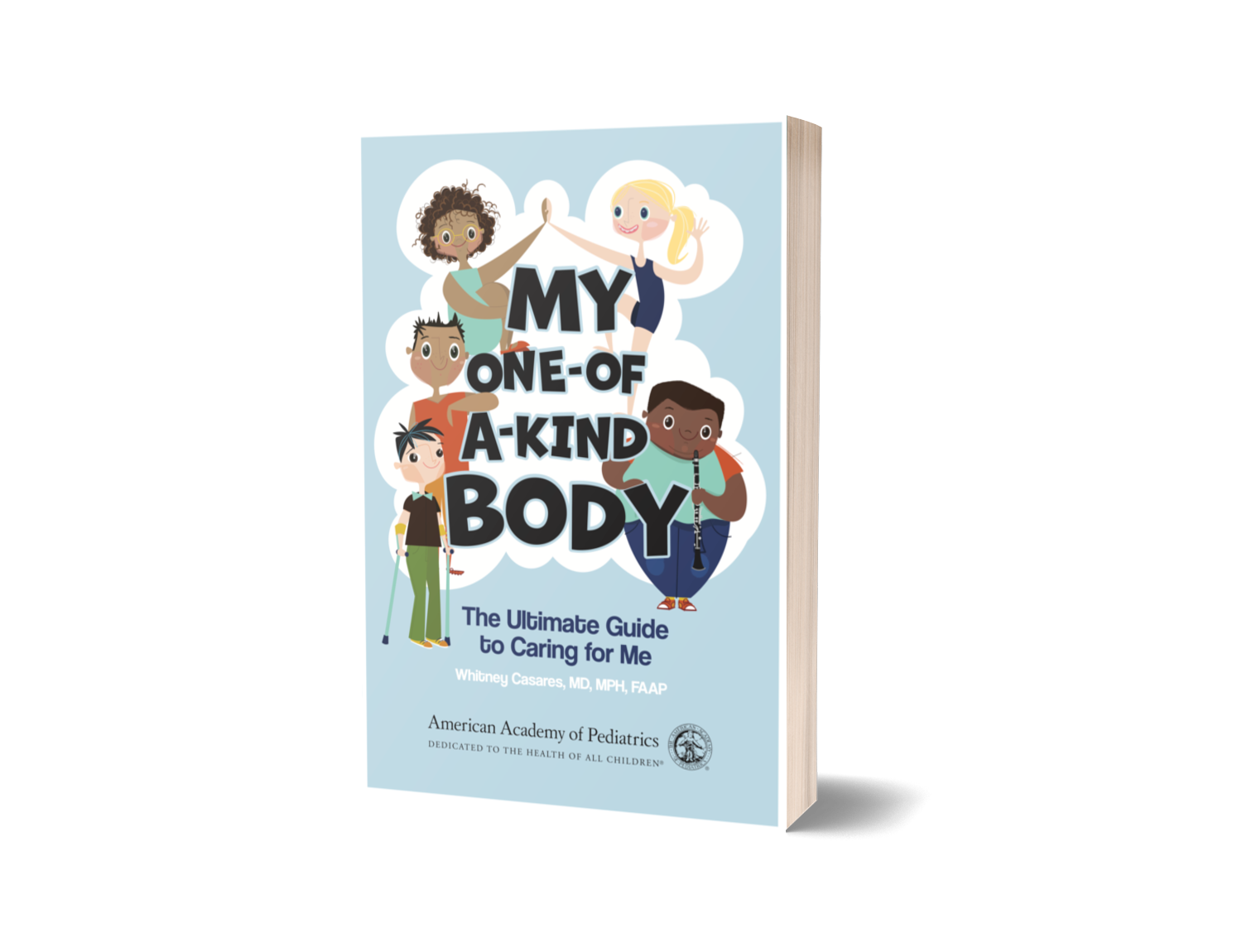
My Kids' Book on Body Confidence is Finally Here!


Wish your partner would do more to lessen your mental load?


Want to make self-care a priority but not sure how to?


SIGN UP FOR SUSTAINABLE SELF-CARE. IT'S FREE. CLICK HERE


FRESH

ON THE PODCAST


By Dr. Whitney December 17, 2025
About the Episode: In this episode, Dr. Whitney sits down with Dr. Jay Gargus and Dave Justus from NeuroQure to discuss the power of early clarity when it comes to autism detection and why earlier intervention can fundamentally change outcomes for childre n and families. Dr. Gargus explains the science behind early behavioral therapies and why their impact goes far beyond short-term skill-building. Research shows that early, evidence-based interventions can lead to measurable, lifelong improvements in IQ, so cial skills, independence, and educational placement, often determining whether a child can thrive in mainstream education or requires ongoing specialized support. The conversation also tackles a critical and often overlooked issue: access. Dave Justus shares the personal motivation behind NeuroQure’s work and explains why the test is being launched at cost, with installment plans and employer subsidies, while the team works toward insurance coverage. The goal is to prevent families from losing precious years waiting for answers. Together, they emphasize a hopeful message for parents: families don’t need to wait for a future “silver bullet.” We already have therapies that work and getting kids connected to them earlier can change the course of a lifetime. In this episode, we discuss: Why early autism detection leads to lifelong changes—not just short-term gains What a 17-point IQ difference actually means for education, independence, and quality of life How early intervention can shift developmental trajectories as early as 6 months The science and validation behind current autism therapies Why NeuroQure is pricing testing at cost while pursuing insurance coverage How early clarity can reduce long-term strain on families, schools, and healthcare systems This episode is a powerful reminder that timing matters and that early access to answers can make an extraordinary difference for children and the families who love them. About Our Guest: Dr. Jay Gargus, MD, PhD is a physician-scientist and nationally recognized expert in neurodevelopmental disorders, with decades of experience researching the biological underpinnings of autism. His work has focused on translating well-established science into meaningful, real-world interventions that can improve lifelong outcomes for children. Dr. Gargus emphasizes that early, evidence-based therapies are already available—and that connecting families to them sooner can fundamentally change developmental trajectories. Dave Justus is a parent and the founder of NeuroQure, whose work is driven by personal experience navigating delayed autism diagnosis and intervention. Motivated by the belief that early clarity can spare families years of uncertainty, Dave is focused on expanding access to early testing through cost-based pricing and ongoing efforts to secure insurance coverage. His mission is simple but powerful: ensure families don’t have to wait for answers that could change everything. Want to Start Raising Body-Confident Kids Today? 📘 Order the Book Order your copy of My One-of-a-Kind Body 👉 www.raisingbodyconfidentkids.com/books 🎁 Claim Your Free Bonus When you order on our site, you’ll also get access to a FREE video mini-course with five bite-sized lessons for parents. In just 25 minutes, you’ll walk away with: Simple, script-style ways to respond when your kid says, “I hate my thighs” How to talk about health without weight talk What to do when your own inner critic shows up How to interrupt diet culture at home The first step to raising a body-confident kid, even if you didn’t grow up as one 📩 Subscribe to The Modern Mommy Doc Podcast for more episodes on parenting with confidence and clarity. Leave a review using the hashtag #ModernMommyDoc.
By Dr. Whitney November 13, 2025
Stop being so busy, and start being more present.