MMD BLOG


CATEGORY:

PARENTING + MAMA WELLNESS

MOTHERHOOD TIPS | WORKING THROUGH YOUR KIDS' COMPLICATED EMOTIONS (AND YOUR OWN)

 Modern Mommy Doc


PUBLICATION DATE:

October 20, 2018

MOTHERHOOD TIPS | WORKING THROUGH YOUR KIDS' COMPLICATED EMOTIONS (AND YOUR OWN)

 Modern Mommy Doc

CATEGORY: PARENTING + MAMA WELLNESS

I still remember the weekend I packed up all my belongings, cleaned out my house, and hauled everything across town a while back. We were setting up camp for one year at my parents’ while we rented out our space to a lovely family from The Netherlands. It was all part of a master plan to pay off remaining student loan debt that we just couldn't seem to wipe clean without some major overhaul, even after fifteen years of working full time and making monthly payments.


They say moving is one of the most stressful life events — right up there with getting married and starting a new job. I knew parts of it would be rough when we made our decision to go all out on debt repayment but I also knew we had to make a major shift in our financial plan if we wanted to ever feel a little more free. Once we signed on the dotted line, there was a lot to do to make it all happen, from arranging cleaners to buying UHaul supplies and getting everything packed up in time. 


I wasn’t trying to Type A myself through this major life change, but I sure was good at it. I made the checklists. I checked off all the boxes. It felt good to be organized. Even so, two months after accepting our tenants, making child care shifts, and getting everything else arranged in a logical manner, it all hit me full force emotionally.


It hit my kids, too. 


All their toys were in boxes and half the rooms in our house became off-limits last week to accommodate drying touch-up paint. My girls tried their best for about two hours the morning their playroom was cordoned off to find something else to do. The fix it guy maneuvered around them, trying to avoid their antics as I unsuccessfully encouraged them to get creative. Then one of my girls hit some kind of behavioral limit. A shoe was thrown. Some hair was pulled. There was an all-out screaming event held by the toddler. She should have charged admission it was so dramatic.


I piled them in the car, understanding full-well kids sometimes express their frustrations and stress in less than ideal ways.


“Let’s go to the berry farm,” I said, imagining myself peacefully meandering through rows of blueberry bushes with a wagon of equally-serene children behind me. “We can grab some lunch on the way.” 


The kids were ecstatic, ready to spend a more enjoyable afternoon with a less distracted mom. We stopped at our favorite burrito bowl place, adding three lemonades to the order just because. I could feel the mood lift, my littlest now happily skipping along, holding my hand. She swung herself up onto my arm, making monkey noises as she attempted to climb me. The drink carrier tipped as I tried to set it down on the sidewalk so I could rearrange my crew and our food. Off we went again, past the shops and other families enjoying their days. 


I’d almost made it to the car when the first lemonade fell out of the carrier, tumbling to the ground as my daughter tried again to use my body as a jungle gym, despite my admonishments. I set the carrier on the hood, presumably safe from mishap while I strapped everyone into their car seats and took a big breath. 


I let my guard down too soon, though. The second lemonade made its downward turn as it slid across the wet hood, exploding like a yellow bomb as it hit the pavement. I grabbed the carrier just before the final cup met its demise, only to have the lid flip off when I tried to set it into my cup holder. Before I could catch it, a sweet, sticky film covered the console. It splashed onto the passenger seat and down to the floorboards. 


Lemonade was everywhere. Everywhere. 

I felt a low, guttural sound come from somewhere around my mid-chest. 

And then I felt myself start to cry. 


This was not a controlled, adult, tears around my eyes kind of sniffle. It was a full-on, body shaking, sobbing into my steering wheel kind of cry—the kind that makes your kids really quiet, the kind that makes you really quiet after five seconds because you realize you are surrounded only by the sound of silence. It was only spilled lemonade but somehow it meant more.


“Mommy, why are you crying?” My oldest whispered.


“Yeah, mom, only kids are supposed to cry,” I heard my baby girl quip.


“No, mommies can cry,” she responded. “Especially when they’re having a hard day. Mommy is having a hard day. All of her lemonade spilled and it ruined the car. And we’re moving, Sissy. Moving can be very hard.”


“Oh, yeah,” she answered back. “It’s okay for adults to cry about that. Don’t worry mommy, it will be all right.”


I sat listening to my very young children have a very grown-up conversation about the way life works as I pulled myself together. I looked back at them, feeling a little sheepish that the only adult in the car was having the most difficulty being wise. I saw their earnest faces smiling back at me and I remembered this truth:


Our children learn just as much from our real emotions, from our in-the-moment mistakes, even from our flat-out parenting failures, as they do from the scripted, controlled learning experiences we arrange or manipulate for them. 


When they see us being vulnerable about the way we feel, they can be honest about the way they feel, too. 


Now that I was a bit more composed,
I explained myself:


“You know, mommy is really excited about our move and what that’s going to mean for our family—that we’re working on a goal to spend more time together and to be stronger as a team. You’re right, though. All the little parts and pieces that have to come together to make this move happen are sometimes overwhelming. Those lemonades falling—one after another—was what they call ‘the straw that broke the camel’s back.’ Every once in a while your body needs you to just let your emotions out a little so they don’t keep getting bottled up. When you least expect it, sometimes the kettle lets off a little steam. Just like that happens for you guys sometimes, it happens for mommy, too.”


I watched their little heads nod, like old sages. My kids are not always that attentive but at that moment they sure were. I had a captive audience, maybe because I shocked them a bit with my sob-fest but, hopefully, also because they truly know that feelings are okay. 


They know they’re loved no matter what their emotions, however mixed up they feel. They know it’s all right to work through all the complex feelings that come with making big changes. They know it’s okay for things to be not all bad, not all good, but somewhere in-between. When you are authentic with your kids, they learn that authenticity is something to be desired.


Now, let’s not take this too far. I’m not suggesting you let your kids in on every deep, dark emotion you ever have, or that you overshare your mental play by play on the regular. Obviously, sobbing through our days is neither productive nor healthy for our children. What I am suggesting is this: it’s important to let our kids learn how to be strong and brave, to get past their fears, to build resilience


It’s equally important that they learn how to be vulnerable. 


I’m suggesting we show them that when they’re weak, they’re still lovable—that they’re still strong, even when they don’t feel like they are—that accepting and working through our emotions is another form of developing that all important “grow from your struggles” skill, that they’re part of a community that loves them no matter what. 


The dinner table replay of the day’s events was pretty epic that evening, but what was most impressive was the way my kids jumped in as I summarized the story to my husband. He sat there wide-eyed as I recounted the tumbling drinks, the lemonade bath, and the crazy conversation that ensued. 


“Mommy lost her marbles a little bit this afternoon,” I laughed to my husband.


The toddler piped up quickly as she slurped her noodles off the fork. “Yeah, but we helped her find them again.” 


Yes, baby girl. You sure did. 


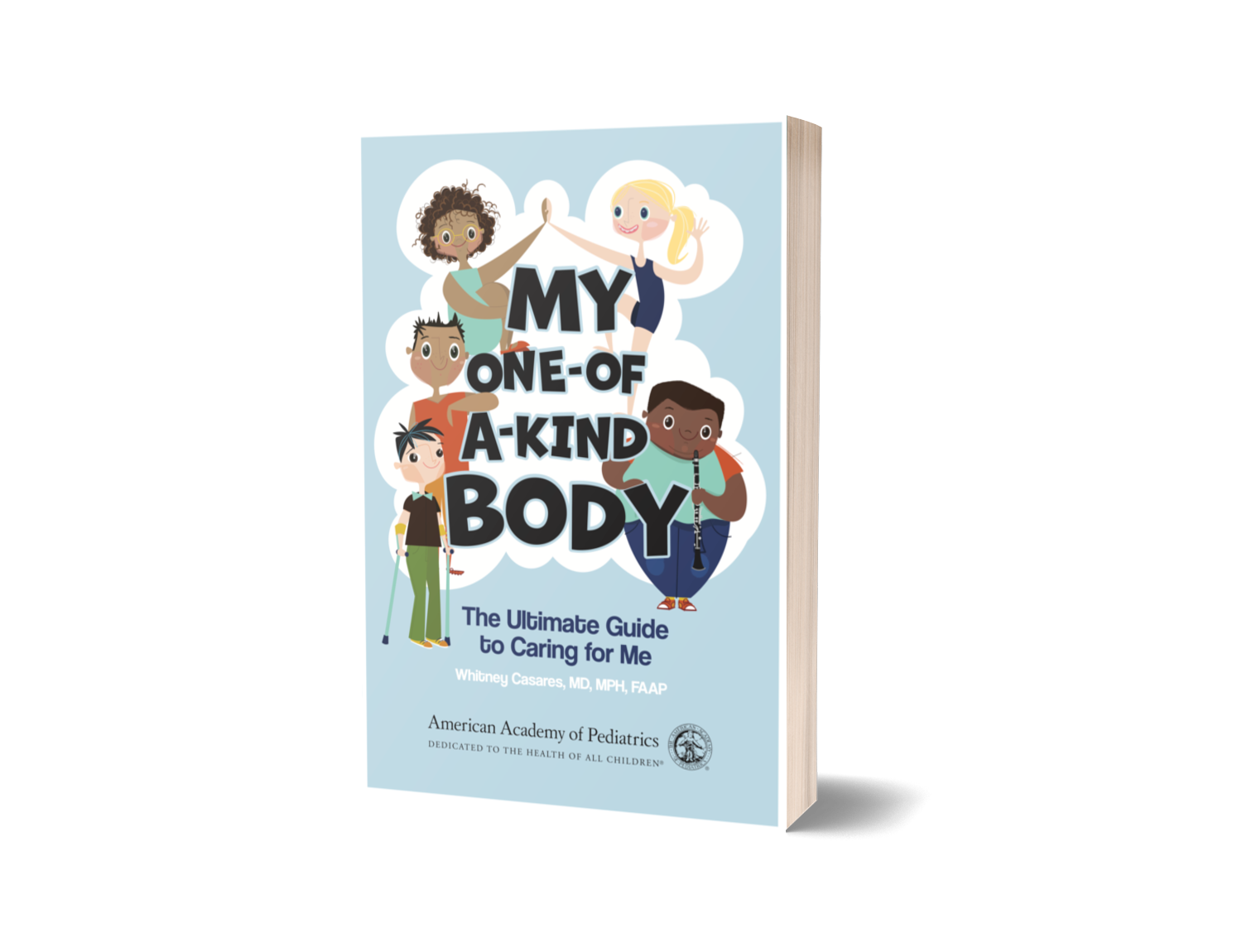
Raising Body-Confident Kids Starts at the Doctor's Office!

START NOW
By Dr. Whitney January 29, 2026
Raising kids well starts with understanding regulation.
By Dr. Whitney December 17, 2025
About the Episode: In this episode, Dr. Whitney sits down with Dr. Jay Gargus and Dave Justus from NeuroQure to discuss the power of early clarity when it comes to autism detection and why earlier intervention can fundamentally change outcomes for childre n and families. Dr. Gargus explains the science behind early behavioral therapies and why their impact goes far beyond short-term skill-building. Research shows that early, evidence-based interventions can lead to measurable, lifelong improvements in IQ, so cial skills, independence, and educational placement, often determining whether a child can thrive in mainstream education or requires ongoing specialized support. The conversation also tackles a critical and often overlooked issue: access. Dave Justus shares the personal motivation behind NeuroQure’s work and explains why the test is being launched at cost, with installment plans and employer subsidies, while the team works toward insurance coverage. The goal is to prevent families from losing precious years waiting for answers. Together, they emphasize a hopeful message for parents: families don’t need to wait for a future “silver bullet.” We already have therapies that work and getting kids connected to them earlier can change the course of a lifetime. In this episode, we discuss: Why early autism detection leads to lifelong changes—not just short-term gains What a 17-point IQ difference actually means for education, independence, and quality of life How early intervention can shift developmental trajectories as early as 6 months The science and validation behind current autism therapies Why NeuroQure is pricing testing at cost while pursuing insurance coverage How early clarity can reduce long-term strain on families, schools, and healthcare systems This episode is a powerful reminder that timing matters and that early access to answers can make an extraordinary difference for children and the families who love them. About Our Guest: Dr. Jay Gargus, MD, PhD is a physician-scientist and nationally recognized expert in neurodevelopmental disorders, with decades of experience researching the biological underpinnings of autism. His work has focused on translating well-established science into meaningful, real-world interventions that can improve lifelong outcomes for children. Dr. Gargus emphasizes that early, evidence-based therapies are already available—and that connecting families to them sooner can fundamentally change developmental trajectories. Dave Justus is a parent and the founder of NeuroQure, whose work is driven by personal experience navigating delayed autism diagnosis and intervention. Motivated by the belief that early clarity can spare families years of uncertainty, Dave is focused on expanding access to early testing through cost-based pricing and ongoing efforts to secure insurance coverage. His mission is simple but powerful: ensure families don’t have to wait for answers that could change everything. Want to Start Raising Body-Confident Kids Today? 📘 Order the Book Order your copy of My One-of-a-Kind Body 👉 www.raisingbodyconfidentkids.com/books 🎁 Claim Your Free Bonus When you order on our site, you’ll also get access to a FREE video mini-course with five bite-sized lessons for parents. In just 25 minutes, you’ll walk away with: Simple, script-style ways to respond when your kid says, “I hate my thighs” How to talk about health without weight talk What to do when your own inner critic shows up How to interrupt diet culture at home The first step to raising a body-confident kid, even if you didn’t grow up as one 📩 Subscribe to The Modern Mommy Doc Podcast for more episodes on parenting with confidence and clarity. Leave a review using the hashtag #ModernMommyDoc.
By Dr. Whitney November 13, 2025
Stop being so busy, and start being more present.
By Dr. Whitney November 5, 2025
Starting out right with solids doesn't have to be so scary.

Welcome! Get the information you need to win at parenting without losing yourself.

LEARN MORE

My Kids' Book on Body Confidence is Finally Here!


Wish your partner would do more to lessen your mental load?


Want to make self-care a priority but not sure how to?


SIGN UP FOR SUSTAINABLE SELF-CARE. IT'S FREE. CLICK HERE


FRESH

ON THE PODCAST


By Dr. Whitney January 29, 2026
Raising kids well starts with understanding regulation.
By Dr. Whitney December 17, 2025
About the Episode: In this episode, Dr. Whitney sits down with Dr. Jay Gargus and Dave Justus from NeuroQure to discuss the power of early clarity when it comes to autism detection and why earlier intervention can fundamentally change outcomes for childre n and families. Dr. Gargus explains the science behind early behavioral therapies and why their impact goes far beyond short-term skill-building. Research shows that early, evidence-based interventions can lead to measurable, lifelong improvements in IQ, so cial skills, independence, and educational placement, often determining whether a child can thrive in mainstream education or requires ongoing specialized support. The conversation also tackles a critical and often overlooked issue: access. Dave Justus shares the personal motivation behind NeuroQure’s work and explains why the test is being launched at cost, with installment plans and employer subsidies, while the team works toward insurance coverage. The goal is to prevent families from losing precious years waiting for answers. Together, they emphasize a hopeful message for parents: families don’t need to wait for a future “silver bullet.” We already have therapies that work and getting kids connected to them earlier can change the course of a lifetime. In this episode, we discuss: Why early autism detection leads to lifelong changes—not just short-term gains What a 17-point IQ difference actually means for education, independence, and quality of life How early intervention can shift developmental trajectories as early as 6 months The science and validation behind current autism therapies Why NeuroQure is pricing testing at cost while pursuing insurance coverage How early clarity can reduce long-term strain on families, schools, and healthcare systems This episode is a powerful reminder that timing matters and that early access to answers can make an extraordinary difference for children and the families who love them. About Our Guest: Dr. Jay Gargus, MD, PhD is a physician-scientist and nationally recognized expert in neurodevelopmental disorders, with decades of experience researching the biological underpinnings of autism. His work has focused on translating well-established science into meaningful, real-world interventions that can improve lifelong outcomes for children. Dr. Gargus emphasizes that early, evidence-based therapies are already available—and that connecting families to them sooner can fundamentally change developmental trajectories. Dave Justus is a parent and the founder of NeuroQure, whose work is driven by personal experience navigating delayed autism diagnosis and intervention. Motivated by the belief that early clarity can spare families years of uncertainty, Dave is focused on expanding access to early testing through cost-based pricing and ongoing efforts to secure insurance coverage. His mission is simple but powerful: ensure families don’t have to wait for answers that could change everything. Want to Start Raising Body-Confident Kids Today? 📘 Order the Book Order your copy of My One-of-a-Kind Body 👉 www.raisingbodyconfidentkids.com/books 🎁 Claim Your Free Bonus When you order on our site, you’ll also get access to a FREE video mini-course with five bite-sized lessons for parents. In just 25 minutes, you’ll walk away with: Simple, script-style ways to respond when your kid says, “I hate my thighs” How to talk about health without weight talk What to do when your own inner critic shows up How to interrupt diet culture at home The first step to raising a body-confident kid, even if you didn’t grow up as one 📩 Subscribe to The Modern Mommy Doc Podcast for more episodes on parenting with confidence and clarity. Leave a review using the hashtag #ModernMommyDoc.