MMD BLOG


CATEGORY:

KIDS

SURVIVING THE FIRST SIX MONTHS WITH YOUR BABY

 Modern Mommy Doc


PUBLICATION DATE:

September 4, 2020

SURVIVING THE FIRST SIX MONTHS WITH YOUR BABY

 Modern Mommy Doc

CATEGORY: KIDS

It’s Saturday morning. My little ones and I are snuggled up close and cozy like we love to be. They tease each other, curl up under my arms like birds in a nest, and rest their sweet little heads on my chest as the day starts. This is my favorite moment of the week, the one I look forward to, and want to hold onto as tight as I can. 


My girls are three and six, hardly babies, but in those idyllic moments I’m thrown back to when they were new infants. I remember the hours of holding and soothing and feeding… those early days when I felt way more overwhelmed by parenthood. Being a new mom hit me hard, in part because I had a particularly sensitive first child and in part because it was all so new. 


Back in the throes of colic and sleeplessness and tears (or even before they came), I wished that someone had sat me down and gone through “what to expect in the first six months” in a very real, unfiltered way. I also wished they’d encouraged me about what I had to look forward to, both in the newborn period, but also way beyond it.

If you’re about to have your baby, you may have everything checked off your registry list, but my guess is you still have some lingering questions about how you’re going to do this thing called motherhood. 


Here are 8 newborn tips for thriving, not just surviving in the first 6 months with your baby…


1. IT WILL GET BETTER, BELIEVE ME.


If you end up with an easy baby, congratulations But, remember, avoid telling other parents how easy your baby is. They will only go home and cry in private. On the other hand, if you have a tough, “hands on” baby, talk about it to other moms. That is the only way to get the support you need. Call your mom or your sister, get to a mommy support group, call Baby Blues Connection, meet up with a friend. Better yet, have the friend come to you. And when you are in the store and some random mom says while gazing at your six-week-old colicky baby, “What a beautiful, perfect angel,” feel free to let your eyes well up with tears. You know, standing there with spit up in your hair and on your clothes, three days past your last shower, that your child is only a perfect angel when asleep. Other experienced moms get that, too, and they are ok with you not being perfect while you wait to see the light at the end of the tunnel.


2. THERE ARE ALWAYS SECOND CHANCES WITH PARENTING.


Give yourself a break if you can’t read ten books to your child EVERY DAY once she arrives, if you worry more than you want to or if you don’t do something “right.” There will be times you will plan an outing only to realize you should have stayed in. One day you will scrounge around in your diaper bag while out to lunch and realize you have NO more diapers. Accept your mistake and move on. You will have learned something. You’ll be better at it tomorrow.


3. THERE WILL BE A DAY YOU THINK YOU HAVE IT FIGURED OUT. THEN EVERYTHING WILL CHANGE AGAIN AND YOU’LL NEED TO FIGURE IT OUT AGAIN.


As your child develops, the tricks that worked to help her sleep, to entertain her and to help her grow will morph as she does. One day, she’ll love the swaddle, one day later, it’s the sleep sack. The change in preference is not the big deal- it’s the two weeks it takes to figure out that’s the issue keeping her (and you) awake all night. The good news is, as you get to know your little nugget, those transitions will be easier and easier.


4. PLAN SOMETHING GREAT FOR THE 12 MONTH MARK.


There are so many ups and downs in the first year of a baby’s life. They are often great and often challenging. I used to think the one-year birthday was a fun time for a party but not that huge of a milestone. I was wrong. It is a big deal because you survived it. Plan a birthday date for you and your partner to celebrate your hard work and, if there’s time, plan a party for your child, too!


5. IF YOUR PARTNER TAKES LONGER THAN YOU DO TO BOND WITH YOUR BABY, DON’T WORRY. IT WILL COME IN DUE TIME.


My husband was always loving and in love with our daughter. He played with her and cuddled her every day. It wasn’t until we got past the newborn stage that he told me, “It was when she started laughing and reacting to me that I felt connected to her. That’s when we bonded.” Looking back now, it’s true. About a month or two in, he started asking me to send him pictures when he was at work and I was home with her. He started being sad when she was already in bed by the time he got home and he couldn’t participate in her bedtime routine. He missed her and he didn’t just love her at that point, he liked her, too!


6. MOMS ARE NOT MAGICIANS AND THEY DO NOT DEVELOP A MOM’S INTUITION OVERNIGHT.


When my baby was crying at six weeks old and I had fed, rocked, shushed and swayed her for hours with no end in sight, I needed another set of hands to give me a break. Even more important, I needed someone to take over mentally and emotionally for a little while. Two problem solvers are better than one.


7. EMBRACE THE FACT THAT YOU AND YOUR PARTNER PARENT DIFFERENTLY.


You and your partner have always been individuals, but, up until now, those differences may have seemed less subtle. As you try to team up and create consistency for your baby, your ideas about the best way to do that might be different some (or most) of the time. You may like different bottles, you may think certain toys are better than others. You may even have a different way of discussing which bottles or toys are the best! I’m a talker. I could hash out my thoughts about child rearing verbally all day long. My husband HAAAATES doing that. He would rather think on his own about it, then have a short session where we try to problem solve. Fair enough, I’ve decided. I save the hashing out for my girlfriends (and my pediatrician) and I keep it short and sweet with hubby.


8. LEARN TO SAY “SORRY” TO YOUR SIGNIFICANT OTHER.


You are going through one of the most significant changes in your life. So is your partner. There will be times you will implode or explode from the stress of that transition. When it happens, figure out if there is something to be learned or if the pot of water just got a little too hot and boiled over. Most of the time, arguments in the early days are a combination of fear (that something will happen to your baby, that you will never be “you ” again, that your baby isn’t as advanced as other babies), frustration and fatigue.


Last week in the office, a couple brought their one-month-old for a well child visit. When I asked how they were doing sharing the load of parenting responsibilities, the mom blurted out, “Yes, please, would you tell him to help me!?!?!” She literally clapped her hand over her mouth when she saw the look on her partner’s face. We had a good discussion that day about how normal it is to “blow our tops” as new parents, and to feel like there is genuine inequity as we try to navigate parenting in partnership. 

The first two weeks, three months, even whole first six to seven months can be tough with a little one. There is so much transition. In the end, though, there is so much joy.


I love this quote from Rajneesh. He doesn’t mention fathers, but the same wisdom applies: “The moment a child is born, the mother is also born. She never existed before. The woman existed, but the mother, never. A mother is something absolutely new.”



WANT MORE HELP

NAVIGATING MOTHERHOOD?

Check out our New Mom Guide to get

the inside scoop on what you really need

to know when you have a new baby.


SIGN UP NOW

Raising Body-Confident Kids Starts at the Doctor's Office!

START NOW
By Modern Mommy Doc • October 9, 2026
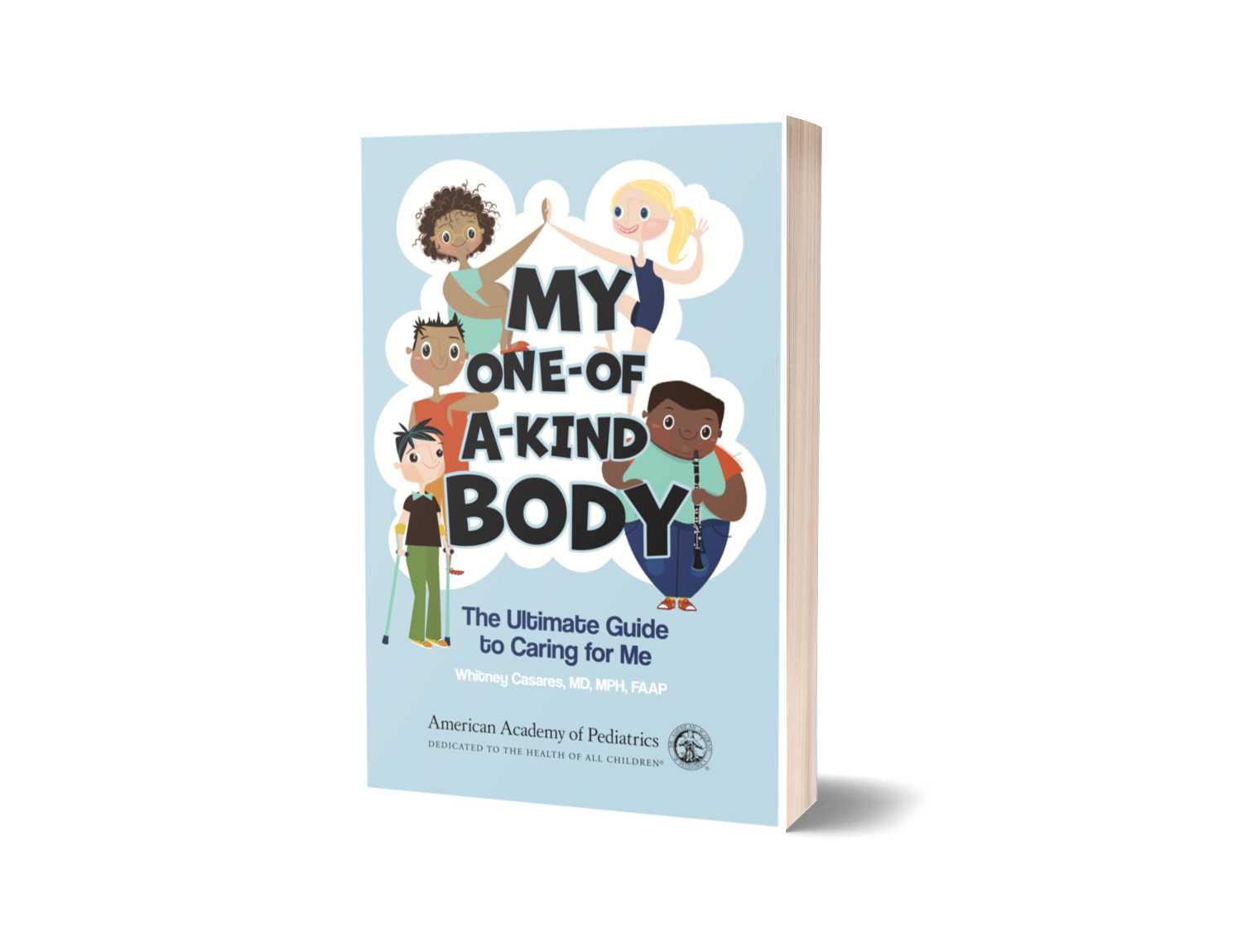
About the Episode: There’s so much parenting advice out there, and most of it doesn’t matter nearly as much as the internet wants you to think. (Seed oils? We have bigger fish to fry.) In this solo episode, Dr. Whitney gets back to basics and shares the six evidence-based parenting principles she focuses on as a pediatrician, the ones she dug into with a leading child development researcher. She also shares how these play out in real life as a mom of two neurodivergent kids, because guidance only helps if it actually fits your family. Key takeaways: Be sensitive and responsive. Simple practices like mirroring your child’s emotions and “serve and return” interactions build a loving, trusting foundation. Dr. Whitney shares how a Halloween decorating session turned into a deep conversation about religion once she slowed down and got curious. Meet kids where they are, especially at their worst. Drawing on Tina Payne Bryson, co-author of The Whole-Brain Child , Dr. Whitney explains that soothing a meltdown isn’t giving in. It’s letting your child know they’re not alone in a big feeling. Model self-regulation, and repair when you lose it. Self-regulation predicts academic success better than IQ. The goal isn’t staying calm all the time, it’s understanding why you got dysregulated, coming back to baseline, and offering yourself some self-compassion. Set limits for your kids and yourself. Every child’s needs are different (screen time affects Dr. Whitney’s two daughters very differently), but all kids need limits, and so do parents. Taking time for yourself models something healthy. Aim for authoritative, not permissive. High expectations paired with warmth and grace is the sweet spot. “Gentle parenting” can blur into permissiveness, which research shows is as harmful as authoritarian parenting. Protect unstructured time. Kids need boredom and free play to become self-directed. For ADHD and autistic kids, Dr. Whitney recommends offering a few options and letting kids choose. Support internal motivation. Using a “mirrors facing outward” image from her own therapist, Dr. Whitney explains why we want kids to trust their own instincts rather than constantly look outward for approval. Want to Start Raising Body-Confident Kids Today? 📘 Order the Books Raising Body-Confident Kids If you've ever caught yourself saying something to your kid about their body that sounded exactly like what your mother said to you, this book is for you. Raising Body-Confident Kids is a research-backed, judgment-free guide for parents who want to break the cycle of diet culture and body shame without swinging into toxic positivity or giving up all structure around food and movement. It answers the real questions parents are actually asking about Ozempic, about picky eaters, about what to say when your kid is being bullied for their body, and about social media influences. This is a practical, values-based game plan you can actually use, even if your own relationship with your body is still a work in progress. My One-of-a-Kind Body My One-of-a-Kind Body gives kids the language and understanding they need to care for their bodies with respect without fear, shame, or appearance-based messaging. Through inclusive illustrations and evidence-based health education, the book teaches body literacy, boundaries, and self-trust in a way kids can actually grasp. 👉 www.raisingbodyconfidentkids.com/books
By Modern Mommy Doc • October 5, 2026
What really matters when it comes to college admissions (for you and for them).
By Modern Mommy Doc • September 17, 2026
Kids going off to college are mean for a reason.
By Modern Mommy Doc • September 10, 2026
Maybe winning back to school isn't what we really want, after all.
By Modern Mommy Doc • August 27, 2026
First-class service has a lot to do with first-class parenting.

Welcome! Get the information you need to win at parenting without losing yourself.

LEARN MORE

My Kids' Book on Body Confidence


Trying to break the cycle of body shame and diet culture?


Overwhelmed by all the parenting advice out there?


SIGN UP FOR THE FREE STARTER KIT: UNBOTHERED. IT'S FREE. CLICK HERE


FRESH

ON THE PODCAST


By Modern Mommy Doc • October 9, 2026
About the Episode: There’s so much parenting advice out there, and most of it doesn’t matter nearly as much as the internet wants you to think. (Seed oils? We have bigger fish to fry.) In this solo episode, Dr. Whitney gets back to basics and shares the six evidence-based parenting principles she focuses on as a pediatrician, the ones she dug into with a leading child development researcher. She also shares how these play out in real life as a mom of two neurodivergent kids, because guidance only helps if it actually fits your family. Key takeaways: Be sensitive and responsive. Simple practices like mirroring your child’s emotions and “serve and return” interactions build a loving, trusting foundation. Dr. Whitney shares how a Halloween decorating session turned into a deep conversation about religion once she slowed down and got curious. Meet kids where they are, especially at their worst. Drawing on Tina Payne Bryson, co-author of The Whole-Brain Child , Dr. Whitney explains that soothing a meltdown isn’t giving in. It’s letting your child know they’re not alone in a big feeling. Model self-regulation, and repair when you lose it. Self-regulation predicts academic success better than IQ. The goal isn’t staying calm all the time, it’s understanding why you got dysregulated, coming back to baseline, and offering yourself some self-compassion. Set limits for your kids and yourself. Every child’s needs are different (screen time affects Dr. Whitney’s two daughters very differently), but all kids need limits, and so do parents. Taking time for yourself models something healthy. Aim for authoritative, not permissive. High expectations paired with warmth and grace is the sweet spot. “Gentle parenting” can blur into permissiveness, which research shows is as harmful as authoritarian parenting. Protect unstructured time. Kids need boredom and free play to become self-directed. For ADHD and autistic kids, Dr. Whitney recommends offering a few options and letting kids choose. Support internal motivation. Using a “mirrors facing outward” image from her own therapist, Dr. Whitney explains why we want kids to trust their own instincts rather than constantly look outward for approval. Want to Start Raising Body-Confident Kids Today? 📘 Order the Books Raising Body-Confident Kids If you've ever caught yourself saying something to your kid about their body that sounded exactly like what your mother said to you, this book is for you. Raising Body-Confident Kids is a research-backed, judgment-free guide for parents who want to break the cycle of diet culture and body shame without swinging into toxic positivity or giving up all structure around food and movement. It answers the real questions parents are actually asking about Ozempic, about picky eaters, about what to say when your kid is being bullied for their body, and about social media influences. This is a practical, values-based game plan you can actually use, even if your own relationship with your body is still a work in progress. My One-of-a-Kind Body My One-of-a-Kind Body gives kids the language and understanding they need to care for their bodies with respect without fear, shame, or appearance-based messaging. Through inclusive illustrations and evidence-based health education, the book teaches body literacy, boundaries, and self-trust in a way kids can actually grasp. 👉 www.raisingbodyconfidentkids.com/books
By Modern Mommy Doc • October 5, 2026
What really matters when it comes to college admissions (for you and for them).
By Modern Mommy Doc • September 17, 2026
Kids going off to college are mean for a reason.