MMD BLOG


CATEGORY:

POLITICS + WORKING PARENTS

THE UNITED STATES IS JUST ONE OF SIX COUNTRIES WITHOUT A NATIONAL PAID FAMILY LEAVE PROGRAM AND IT IS PRETTY EMBARRASSING

 Modern Mommy Doc


PUBLICATION DATE:

November 1, 2021

THE UNITED STATES IS JUST ONE OF SIX COUNTRIES WITHOUT A NATIONAL PAID FAMILY LEAVE PROGRAM AND IT IS PRETTY EMBARRASSING

 Modern Mommy Doc

CATEGORY: POLITICS + WORKING PARENTS

HELP MAKE THE CHANGE

Welcome to the United States where healthy and functional families don’t matter.


In the past few weeks, we’ve begun to have some hope that our government will finally see mothers as valuable and imperative parts of the workforce. We started to hear whisperings of paid maternity leave being added to Biden's almost $2 trillion American Families Plan.


Men gathered together to make decisions that don’t affect them in the least.

And the women, whose lives would see the most impact from those decisions, were left with the fall out.


Paid maternity leave was wiped off the table in favor of things like getting a check for $12,500 if you buy an electric car...you just have to be wealthy enough to afford it.


Currently there’s ZERO federal paid family leave. Some states and companies choose to pay for it, but that still leaves millions of Americans with nothing. 


“Sure,” you might think, “that sucks. But it’s not like everywhere else in the world is doing any better.”


Not so much.


The United States is a part of a group called the Organization for Economic Cooperation and Development which brings together 37 democracies with market based economies in the hopes of “collaborat[ing] to develop policy standards to promote sustainable economic growth. The OECD provides a setting where governments can compare experiences, seek answers to common challenges, identify good practices, and develop high standards for economic policy.”


Of those 37 countries, we are the only country that doesn’t offer ANY maternity leave. On average, that group of countries pays for 18 weeks of leave...with some offering allowances up to 58! Most of those countries also have paid leave for fathers as well.


We don’t stand out just in that group either. We are the only developed country IN THE WORLD that doesn’t offer paid leave to our citizens. Of countries in the United Nations, the only countries that are left without it are the United States and Papua New Guinea. And even they’re working to make it possible.


In 1993, our government tried to throw us a bone with the Family and Medical Leave Act that allows employees to take 12 weeks of unpaid leave without risk of losing their jobs. Which seems like they were trying to do something to help mothers. But in reality, there were tons of exclusions that made it really difficult for most to actually take advantage of those 12 weeks at home caring for their brand new baby...without any income.


Sounds like a dream vacation, doesn’t it?


% of US Parents w/ Paid Family Leave:
23%
23%

Currently, about 77% of workers have no paid family leave and low-income workers are even less likely to have access to paid leave.


So yeah, were we excited for our four measly weeks of time to be at home healing, bonding, and recovering? Kinda. I mean, we want to be grateful, I guess. But come oooonnn. Four weeks in and of itself is kind of ridiculous.


Most women haven’t even stopped bleeding or even been cleared for picking anything heavier than their baby up by the time four weeks rolls around. For those who choose to breastfeed, it barely feels “normal” at this point. And more likely it feels painful and exhausting--so you definitely want to change things up and have to start pumping at work in the bathroom.


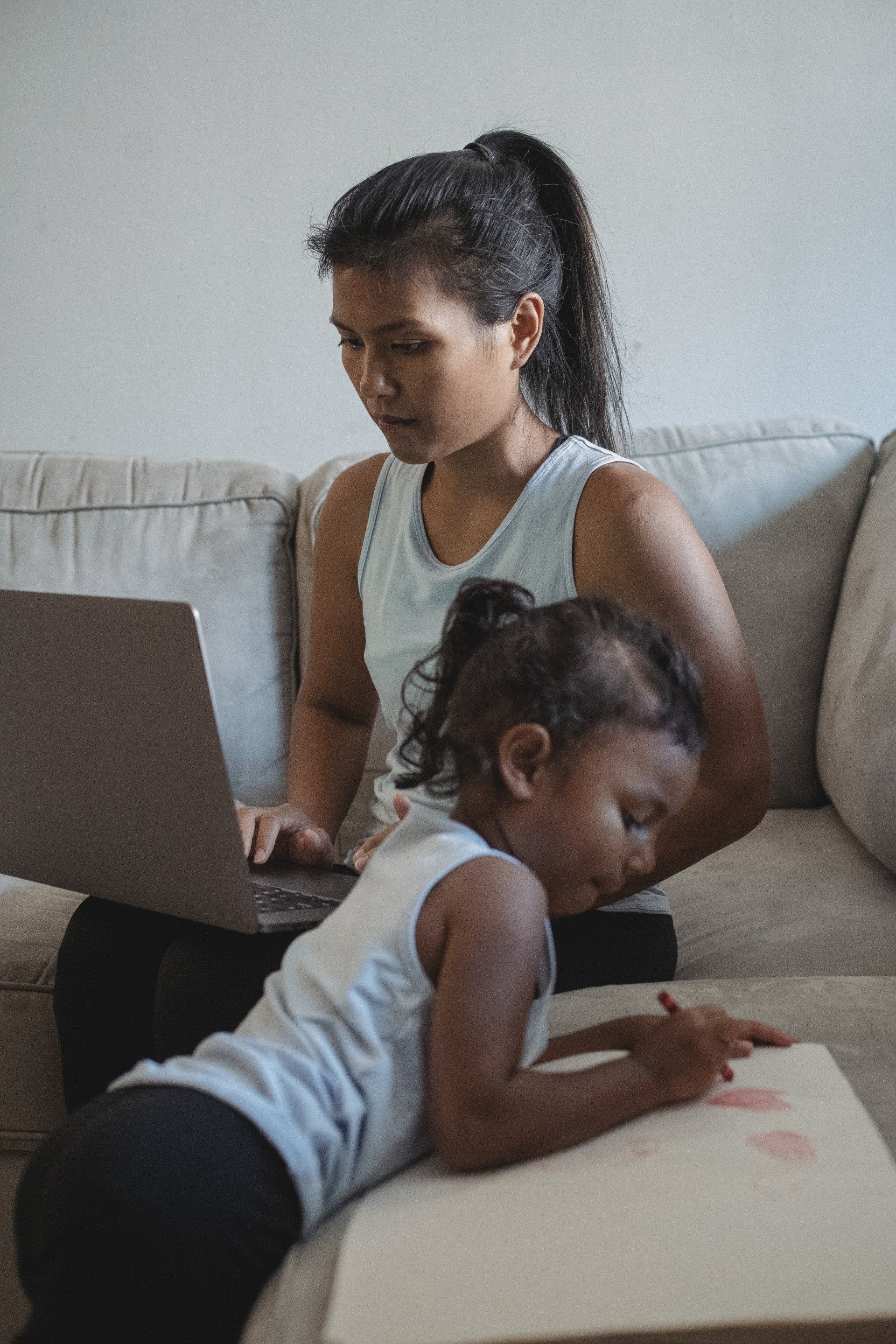
As a pediatrician, I see moms every single day who are STRUGGLING physically and mentally. Postpartum depression and anxiety, sleep deprivation, loss of identity. It all comes together in this “perfect” storm to create an environment where there’s not a single possibility of being able to function at their job.


At four weeks, new moms are still running on fumes with babies giving them (if they’re lucky) 2-3 hour spurts of sleep. Lawmaking Men of The World, have you ever had to do your job when you’ve been woken just as you’ve started to fall asleep...every night for weeks on end? And THEN show up for work as your best self all the while people are expecting you to be the same person you were a year ago? 


HELP MAKE THE CHANGE


I’m going to guess that’s a no.


So why is this a big deal? Why should this matter to each and every American? Aside from the fact that you should care about your fellow humans, we’re doing a disservice to both women AND the companies they work for when they’re required to come back too soon after having a baby.


Women are trying to do all things 100% - show back up to work, be the best new mom - all at once. And when they do that, something suffers. And it’s usually their mental and physical well-being. Women can’t do it all in that newborn stage (or in any stage!) and they shouldn’t have to.


Women won’t be as effective when they return too early. They won’t be as productive and it is just plain bad for business. They’ll be better performers and employees when they’ve been given the time and space and have mentally and physically recovered. The American Psychiatric Association reports that employees with unresolved depression experience a 35% reduction in productivity, contributing to a loss to the U.S. economy of $210.5 billion a year in absenteeism, reduced productivity, and medical costs.


Add on top of that the stigma around depression and anxiety in general. PLUS the idea of having to appear like you’ve got everything together as a new mom and really not wanting to disrupt the status quo by asking for help with postpartum depression.


And where are the women in government? Why don’t we hear their voices? We heard from women like Nancy Pelosi and Democratic Senator Patty Murray telling us that they were fighting for paid leave, but I wish we could amplify their messages times a million. 


Oftentimes, I think it’s because women in government probably have more money and resources than most...so it’s not a problem for them. Childcare and time off isn’t an issue. Their reality is not the reality of most Americans. 

Don’t even get me started on men in government being able to take 2 months of paternity leave when there is a crisis of epic proportions going on in their department that’s affecting the entire country. You think a woman in corporate America would’ve been able to do the same?


I’m sure a lot of you are feeling the same way I am with the news of paid family leave falling out of the democratic bill. While 12 weeks didn’t seem a lot to many of us, especially when we compare it to the rest of the developed world, what it did do was provide hope and promise that things were at least moving in the right direction.


I want you to know that together we can make a change. We’ll keep fighting for what’s right with regards to paid family leave. We will not give up the fight. We tasted hope and that’s not something we cannot and will not let slide.


What can you do to help get the bill reinstated? Fill in this form (less than one minute) to email your member of congress here:

HELP MAKE THE CHANGE

Raising Body-Confident Kids Starts at the Doctor's Office!

START NOW
By Modern Mommy Doc • October 9, 2026
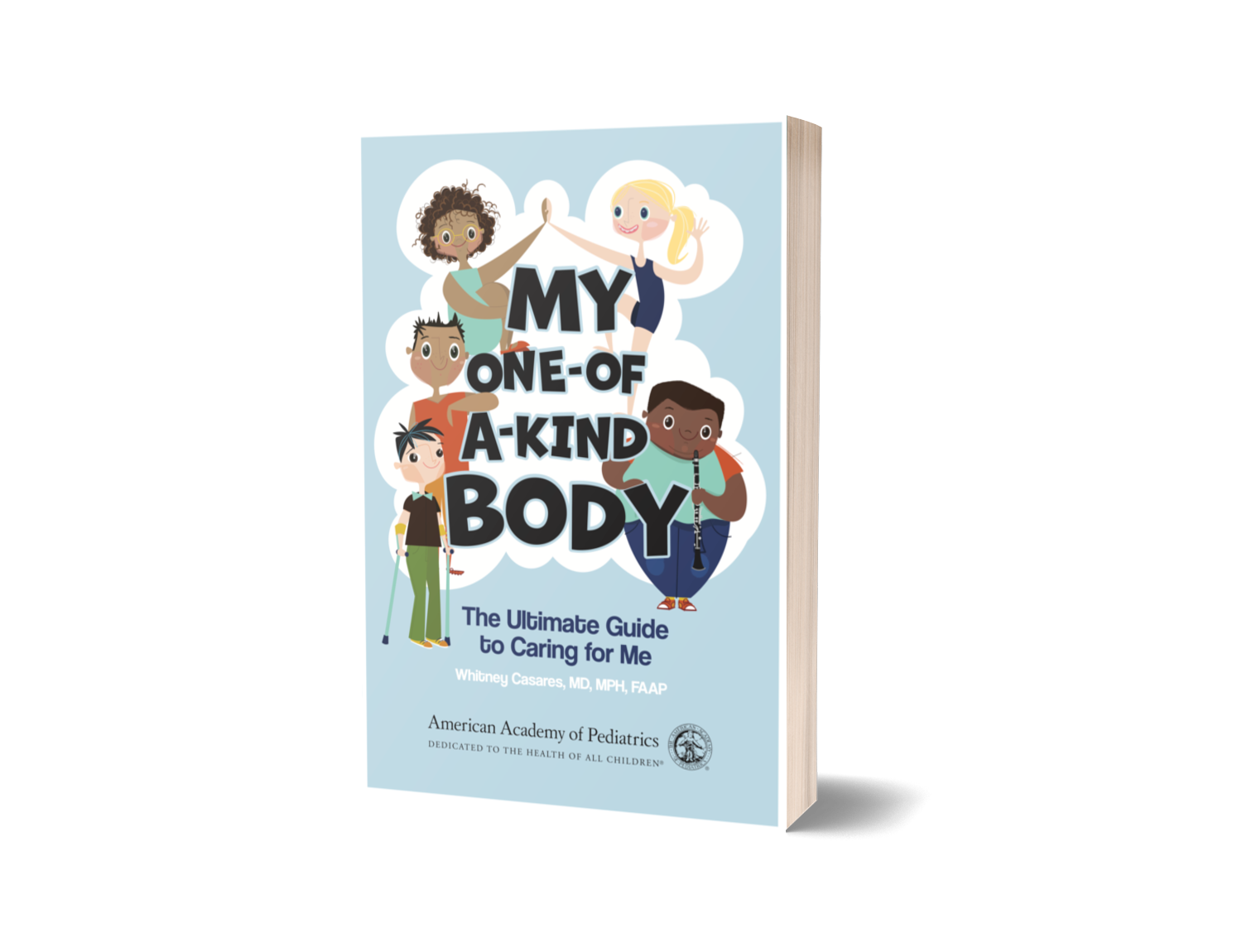
About the Episode: There’s so much parenting advice out there, and most of it doesn’t matter nearly as much as the internet wants you to think. (Seed oils? We have bigger fish to fry.) In this solo episode, Dr. Whitney gets back to basics and shares the six evidence-based parenting principles she focuses on as a pediatrician, the ones she dug into with a leading child development researcher. She also shares how these play out in real life as a mom of two neurodivergent kids, because guidance only helps if it actually fits your family. Key takeaways: Be sensitive and responsive. Simple practices like mirroring your child’s emotions and “serve and return” interactions build a loving, trusting foundation. Dr. Whitney shares how a Halloween decorating session turned into a deep conversation about religion once she slowed down and got curious. Meet kids where they are, especially at their worst. Drawing on Tina Payne Bryson, co-author of The Whole-Brain Child , Dr. Whitney explains that soothing a meltdown isn’t giving in. It’s letting your child know they’re not alone in a big feeling. Model self-regulation, and repair when you lose it. Self-regulation predicts academic success better than IQ. The goal isn’t staying calm all the time, it’s understanding why you got dysregulated, coming back to baseline, and offering yourself some self-compassion. Set limits for your kids and yourself. Every child’s needs are different (screen time affects Dr. Whitney’s two daughters very differently), but all kids need limits, and so do parents. Taking time for yourself models something healthy. Aim for authoritative, not permissive. High expectations paired with warmth and grace is the sweet spot. “Gentle parenting” can blur into permissiveness, which research shows is as harmful as authoritarian parenting. Protect unstructured time. Kids need boredom and free play to become self-directed. For ADHD and autistic kids, Dr. Whitney recommends offering a few options and letting kids choose. Support internal motivation. Using a “mirrors facing outward” image from her own therapist, Dr. Whitney explains why we want kids to trust their own instincts rather than constantly look outward for approval. Want to Start Raising Body-Confident Kids Today? 📘 Order the Books Raising Body-Confident Kids If you've ever caught yourself saying something to your kid about their body that sounded exactly like what your mother said to you, this book is for you. Raising Body-Confident Kids is a research-backed, judgment-free guide for parents who want to break the cycle of diet culture and body shame without swinging into toxic positivity or giving up all structure around food and movement. It answers the real questions parents are actually asking about Ozempic, about picky eaters, about what to say when your kid is being bullied for their body, and about social media influences. This is a practical, values-based game plan you can actually use, even if your own relationship with your body is still a work in progress. My One-of-a-Kind Body My One-of-a-Kind Body gives kids the language and understanding they need to care for their bodies with respect without fear, shame, or appearance-based messaging. Through inclusive illustrations and evidence-based health education, the book teaches body literacy, boundaries, and self-trust in a way kids can actually grasp. 👉 www.raisingbodyconfidentkids.com/books
By Modern Mommy Doc • October 5, 2026
What really matters when it comes to college admissions (for you and for them).
By Modern Mommy Doc • September 17, 2026
Kids going off to college are mean for a reason.
By Modern Mommy Doc • September 10, 2026
Maybe winning back to school isn't what we really want, after all.
By Modern Mommy Doc • August 27, 2026
First-class service has a lot to do with first-class parenting.

Welcome! Get the information you need to win at parenting without losing yourself.

LEARN MORE

My Kids' Book on Body Confidence


Trying to break the cycle of body shame and diet culture?


Overwhelmed by all the parenting advice out there?


SIGN UP FOR THE FREE STARTER KIT: UNBOTHERED. IT'S FREE. CLICK HERE


FRESH

ON THE PODCAST


By Modern Mommy Doc • October 9, 2026
About the Episode: There’s so much parenting advice out there, and most of it doesn’t matter nearly as much as the internet wants you to think. (Seed oils? We have bigger fish to fry.) In this solo episode, Dr. Whitney gets back to basics and shares the six evidence-based parenting principles she focuses on as a pediatrician, the ones she dug into with a leading child development researcher. She also shares how these play out in real life as a mom of two neurodivergent kids, because guidance only helps if it actually fits your family. Key takeaways: Be sensitive and responsive. Simple practices like mirroring your child’s emotions and “serve and return” interactions build a loving, trusting foundation. Dr. Whitney shares how a Halloween decorating session turned into a deep conversation about religion once she slowed down and got curious. Meet kids where they are, especially at their worst. Drawing on Tina Payne Bryson, co-author of The Whole-Brain Child , Dr. Whitney explains that soothing a meltdown isn’t giving in. It’s letting your child know they’re not alone in a big feeling. Model self-regulation, and repair when you lose it. Self-regulation predicts academic success better than IQ. The goal isn’t staying calm all the time, it’s understanding why you got dysregulated, coming back to baseline, and offering yourself some self-compassion. Set limits for your kids and yourself. Every child’s needs are different (screen time affects Dr. Whitney’s two daughters very differently), but all kids need limits, and so do parents. Taking time for yourself models something healthy. Aim for authoritative, not permissive. High expectations paired with warmth and grace is the sweet spot. “Gentle parenting” can blur into permissiveness, which research shows is as harmful as authoritarian parenting. Protect unstructured time. Kids need boredom and free play to become self-directed. For ADHD and autistic kids, Dr. Whitney recommends offering a few options and letting kids choose. Support internal motivation. Using a “mirrors facing outward” image from her own therapist, Dr. Whitney explains why we want kids to trust their own instincts rather than constantly look outward for approval. Want to Start Raising Body-Confident Kids Today? 📘 Order the Books Raising Body-Confident Kids If you've ever caught yourself saying something to your kid about their body that sounded exactly like what your mother said to you, this book is for you. Raising Body-Confident Kids is a research-backed, judgment-free guide for parents who want to break the cycle of diet culture and body shame without swinging into toxic positivity or giving up all structure around food and movement. It answers the real questions parents are actually asking about Ozempic, about picky eaters, about what to say when your kid is being bullied for their body, and about social media influences. This is a practical, values-based game plan you can actually use, even if your own relationship with your body is still a work in progress. My One-of-a-Kind Body My One-of-a-Kind Body gives kids the language and understanding they need to care for their bodies with respect without fear, shame, or appearance-based messaging. Through inclusive illustrations and evidence-based health education, the book teaches body literacy, boundaries, and self-trust in a way kids can actually grasp. 👉 www.raisingbodyconfidentkids.com/books
By Modern Mommy Doc • October 5, 2026
What really matters when it comes to college admissions (for you and for them).
By Modern Mommy Doc • September 17, 2026
Kids going off to college are mean for a reason.