MMD BLOG


CATEGORY:

MAMA WELLNESS

THERE IS A SEASON: BEING OKAY WITH THE STAGE OF MOTHERHOOD YOU'RE IN NOW

 Modern Mommy Doc


PUBLICATION DATE:

December 22, 2017

THERE IS A SEASON: BEING OKAY WITH THE STAGE OF MOTHERHOOD YOU'RE IN NOW

 Modern Mommy Doc

CATEGORY: MAMA WELLNESS

I just finished an early morning exercise class. It was only 45 minutes long. By about minute 40, right when the final stretch got underway, I took a second to look around. Half the class had vacated the room and were on their way to the showers. They were rushing out to the rest of their days.


Now, I get that people have busy lives. I’ve definitely been in the “hurry out the door” pack before. There are times that important meetings or tasks take us quickly from checkbox to checkbox on our daily to-do list. No judgment there. But, still, the hasty mass exodus struck me as a powerful metaphor for the angst of early motherhood. For the frustration most all of us face as we hold our screaming newborn (or toddler) in the middle of the night and say to ourselves, “When will this be over? Can I just skip ahead? I’d like to leave this stage a little early.”


It’s so normal to wish away the painful parts of parenting.


Despite the admonishments of those further along the parenting path to “treasure the time you have,” those people must have memory loss. There are plenty of infant and toddler precious moments but there are also plenty more moments of pure stress and strife.


The real danger isn’t just with wishing the nasty parts away.

It’s with these two fatal mistakes:


1. Trying to fix every natural stage a child goes through.


2. Expecting the transition through those stages to progress in a straight line, instead of a messy zig-zag.


It’s a trap reserved mostly for first-time moms and dads. All second-timers fall into it from time to time, too, especially when they have more than one kid to juggle. I see it a lot in my practice. While a lot of new parents understand pretty quickly that feeding troubles and sleepless nights are just part of the game, some seem to bang their head against the wall with what seems like shock and terror as each new developmental stage (and headache) arises. They can’t seem to accept that certain childhood behaviors are just a normal part of growing up. And, while I’m impressed by their tenacious desire and willingness to problem-solve, sometimes I think they’ve been misled along the way by their friends and by society.


No one tells them this crucial parenting pearl:


yes, we can prevent and address a lot of health issues that come up for newborns and young kids but some things (like cluster feeding, sleep regressions and colic) are more about muddling through with the right perspective than they are about finding quick-fix solutions. Some things just take time to get better. (Major caveat here: if you have a serious health concern about your child and are worried about their safety or about potential illness, contact your doctor right away.)


Plus, seasoned parents know that it’s not worth it to wish too hard for each stage to pass because they ALL have some annoying component in the early years. As soon as you breathe a sigh of relief that the “Terrible Twos” are over, in come the “Threenagers.” I mean, why do we even bother naming separate stages of annoyance for early childhood?


Please don’t misunderstand me. There are amazing, chart-topping experiences sprinkled in between the pain points. Like last night, when my eldest scampered up the stairs to sit through her baby sister’s bedtime story and song, crooning right alongside me to “Good Night My Someone,” my husband grinning as the two shared a hug and an Eskimo kiss. I tried my hardest to seal our fleeting seconds of peace into my memory, onto my parenting balance sheet.


So why is it so hard for us to get okay with the place we are in on our motherhood journey?


The more I struggle in my own house and watch others do the same, the more clearly I see the true reason. The rest of our lives, on the surface, have some semblance of controllability. All of our two-hour grocery delivery options and pick-up dry cleaning services trick us into thinking that, if we just complain to the right customer-service agent or do the right google search, we can fix most anything. We can get anything faster if we just pay more for it. Resolution is an easy click away. When we look deeper, though, nothing could be further from the truth when it comes to the challenges of non-consumer life.


Plus, we’ve made our vision of perfect parenthood a nostalgic mess. It can seem like the bar is set too high to ever reach modern-day parenting perfection. The further we get away from living with a village mentality - where we are sharing experiences and burdens with other parents and multigenerational mentors - the harder it is to see the truth clearly. No parent or child is perfect. We all have troubles and trials.


So what can we do?


Get educated about normal baby and child development. Get mindful. Prioritize self-care. Plan really enjoyable, special one-on-one moments with our kids to balance out the negative drama. Surround ourselves with other parents who get it and with experienced confidants who can give perspective. Then, relax, get comfy and wait.


There are seasons. Seasons of struggle. Seasons of celebration. Seasons of muddling through. And, seasons of letting it ride -- just being okay with the stage of motherhood we’re in now.


Raising Body-Confident Kids Starts at the Doctor's Office!

START NOW
By Dr. Whitney December 17, 2025
About the Episode: In this episode, Dr. Whitney sits down with Dr. Jay Gargus and Dave Justus from NeuroQure to discuss the power of early clarity when it comes to autism detection and why earlier intervention can fundamentally change outcomes for childre n and families. Dr. Gargus explains the science behind early behavioral therapies and why their impact goes far beyond short-term skill-building. Research shows that early, evidence-based interventions can lead to measurable, lifelong improvements in IQ, so cial skills, independence, and educational placement, often determining whether a child can thrive in mainstream education or requires ongoing specialized support. The conversation also tackles a critical and often overlooked issue: access. Dave Justus shares the personal motivation behind NeuroQure’s work and explains why the test is being launched at cost, with installment plans and employer subsidies, while the team works toward insurance coverage. The goal is to prevent families from losing precious years waiting for answers. Together, they emphasize a hopeful message for parents: families don’t need to wait for a future “silver bullet.” We already have therapies that work and getting kids connected to them earlier can change the course of a lifetime. In this episode, we discuss: Why early autism detection leads to lifelong changes—not just short-term gains What a 17-point IQ difference actually means for education, independence, and quality of life How early intervention can shift developmental trajectories as early as 6 months The science and validation behind current autism therapies Why NeuroQure is pricing testing at cost while pursuing insurance coverage How early clarity can reduce long-term strain on families, schools, and healthcare systems This episode is a powerful reminder that timing matters and that early access to answers can make an extraordinary difference for children and the families who love them. About Our Guest: Dr. Jay Gargus, MD, PhD is a physician-scientist and nationally recognized expert in neurodevelopmental disorders, with decades of experience researching the biological underpinnings of autism. His work has focused on translating well-established science into meaningful, real-world interventions that can improve lifelong outcomes for children. Dr. Gargus emphasizes that early, evidence-based therapies are already available—and that connecting families to them sooner can fundamentally change developmental trajectories. Dave Justus is a parent and the founder of NeuroQure, whose work is driven by personal experience navigating delayed autism diagnosis and intervention. Motivated by the belief that early clarity can spare families years of uncertainty, Dave is focused on expanding access to early testing through cost-based pricing and ongoing efforts to secure insurance coverage. His mission is simple but powerful: ensure families don’t have to wait for answers that could change everything. Want to Start Raising Body-Confident Kids Today? 📘 Order the Book Order your copy of My One-of-a-Kind Body 👉 www.raisingbodyconfidentkids.com/books 🎁 Claim Your Free Bonus When you order on our site, you’ll also get access to a FREE video mini-course with five bite-sized lessons for parents. In just 25 minutes, you’ll walk away with: Simple, script-style ways to respond when your kid says, “I hate my thighs” How to talk about health without weight talk What to do when your own inner critic shows up How to interrupt diet culture at home The first step to raising a body-confident kid, even if you didn’t grow up as one 📩 Subscribe to The Modern Mommy Doc Podcast for more episodes on parenting with confidence and clarity. Leave a review using the hashtag #ModernMommyDoc.
By Dr. Whitney November 13, 2025
Stop being so busy, and start being more present.
By Dr. Whitney November 5, 2025
Starting out right with solids doesn't have to be so scary.
By Dr. Whitney October 29, 2025
What if YOU are the one who needs to calm down first?

Welcome! Get the information you need to win at parenting without losing yourself.

LEARN MORE

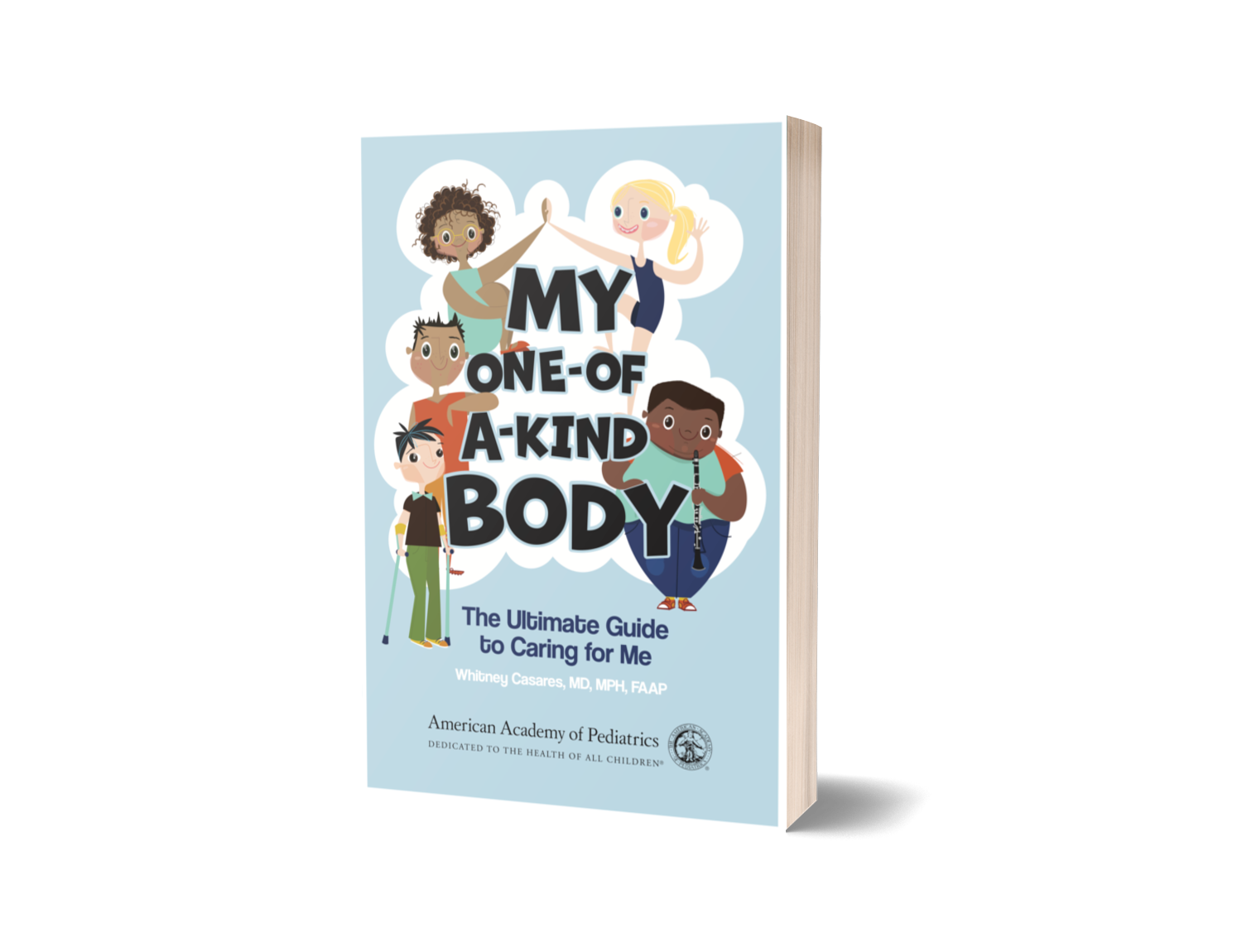
My Kids' Book on Body Confidence is Finally Here!


Wish your partner would do more to lessen your mental load?


Want to make self-care a priority but not sure how to?


SIGN UP FOR SUSTAINABLE SELF-CARE. IT'S FREE. CLICK HERE


FRESH

ON THE PODCAST


By Dr. Whitney December 17, 2025
About the Episode: In this episode, Dr. Whitney sits down with Dr. Jay Gargus and Dave Justus from NeuroQure to discuss the power of early clarity when it comes to autism detection and why earlier intervention can fundamentally change outcomes for childre n and families. Dr. Gargus explains the science behind early behavioral therapies and why their impact goes far beyond short-term skill-building. Research shows that early, evidence-based interventions can lead to measurable, lifelong improvements in IQ, so cial skills, independence, and educational placement, often determining whether a child can thrive in mainstream education or requires ongoing specialized support. The conversation also tackles a critical and often overlooked issue: access. Dave Justus shares the personal motivation behind NeuroQure’s work and explains why the test is being launched at cost, with installment plans and employer subsidies, while the team works toward insurance coverage. The goal is to prevent families from losing precious years waiting for answers. Together, they emphasize a hopeful message for parents: families don’t need to wait for a future “silver bullet.” We already have therapies that work and getting kids connected to them earlier can change the course of a lifetime. In this episode, we discuss: Why early autism detection leads to lifelong changes—not just short-term gains What a 17-point IQ difference actually means for education, independence, and quality of life How early intervention can shift developmental trajectories as early as 6 months The science and validation behind current autism therapies Why NeuroQure is pricing testing at cost while pursuing insurance coverage How early clarity can reduce long-term strain on families, schools, and healthcare systems This episode is a powerful reminder that timing matters and that early access to answers can make an extraordinary difference for children and the families who love them. About Our Guest: Dr. Jay Gargus, MD, PhD is a physician-scientist and nationally recognized expert in neurodevelopmental disorders, with decades of experience researching the biological underpinnings of autism. His work has focused on translating well-established science into meaningful, real-world interventions that can improve lifelong outcomes for children. Dr. Gargus emphasizes that early, evidence-based therapies are already available—and that connecting families to them sooner can fundamentally change developmental trajectories. Dave Justus is a parent and the founder of NeuroQure, whose work is driven by personal experience navigating delayed autism diagnosis and intervention. Motivated by the belief that early clarity can spare families years of uncertainty, Dave is focused on expanding access to early testing through cost-based pricing and ongoing efforts to secure insurance coverage. His mission is simple but powerful: ensure families don’t have to wait for answers that could change everything. Want to Start Raising Body-Confident Kids Today? 📘 Order the Book Order your copy of My One-of-a-Kind Body 👉 www.raisingbodyconfidentkids.com/books 🎁 Claim Your Free Bonus When you order on our site, you’ll also get access to a FREE video mini-course with five bite-sized lessons for parents. In just 25 minutes, you’ll walk away with: Simple, script-style ways to respond when your kid says, “I hate my thighs” How to talk about health without weight talk What to do when your own inner critic shows up How to interrupt diet culture at home The first step to raising a body-confident kid, even if you didn’t grow up as one 📩 Subscribe to The Modern Mommy Doc Podcast for more episodes on parenting with confidence and clarity. Leave a review using the hashtag #ModernMommyDoc.
By Dr. Whitney November 13, 2025
Stop being so busy, and start being more present.