MMD BLOG


CATEGORY:

PARENTING + FAMILY

THREE STEPS FOR PRACTICING MINDFULNESS AS A FAMILY

 Modern Mommy Doc


PUBLICATION DATE:

December 21, 2020

THREE STEPS FOR PRACTICING MINDFULNESS AS A FAMILY

 Modern Mommy Doc

CATEGORY: PARENTING + FAMILY

Adult coloring books and 1,000-piece puzzles have never really been my jam, but lately? Well, lately I’m a little more open.


Between the contentious election and the pandemic, between having two kids stuck at home with each other almost 24-7 and caring for a full panel of pediatrics patients waiting to get their COVID swabs, things have been beyond stressful. And, like Mamas everywhere, I’m willing to give just about anything a try if it might help relieve some of the pressure.


Getting Centered

We all know that one of the best ways to walk back stress is with mindfulness. Being present in the moment — learning when you need to step back and just breathe, or when you need to surrender to the moment and fully immerse yourself in the experience — requires ongoing practice while offering exponential rewards.


There are easy steps you can take to practice mindfulness (and we’ll get to those in a minute), but for real, lasting change in the stress-management department, you have to do the work to develop what I call a centered vision.


Creating a centered vision for your life starts with imagining how you’d like your life to look, or where you want to be in five years. A lot of people talk about pursuing your dreams, but this is more precise. It’s identifying very specifically what you want (in your career, in your relationships, as a parent, personally) and, just as important, what is holding you back.


I explore this concept, including how to build your life around it, in more depth during my  Mama Reset Self-Care Retreat (At Home). And it’s been hugely helpful to me in times of stress (2020) and relative calm (virtually any other year). When you live according to your own personal centered vision, you gradually train yourself to focus on what matters to you. It helps keep you moving in the direction you choose for your life.


But what do you do when the news, the changing landscape of modern life (e.g., will school be in person today or remote?), and of course the daily to-do lists all begin to eat up more and more of your brain space?


WORKING TOWARD MINDFULNESS

Like you and everyone else we know, I still look for ways to stay mindful and present in the day-to-day. And that’s why I currently have eight dinner table-sized puzzles in heavy rotation. There’s a watercolor seascape. There’s a glow-in-the-dark number. There’s even one of the “Choose Positivity” variety. Each weekend, my husband and I dump out the pieces, get to work on the edges, and, in between walks around the block and some cozy Special Time with our girls, aim to focus on what’s right in front of us instead of what we’ve survived over the last nine months. Or even what’s around the corner for the rest of this winter.


Puzzles not your thing? That’s okay — here are some more ways to move toward mindfulness:


1. There’s an app for that

These days, there’s an app for virtually anything and everything you need, including self-care. One of the best for us Mamas, however, is  Mindful Mamas, which offers content specifically designed for moms and moms-to-be. The app includes guided meditations, mantras, and breathing and mindfulness techniques tailored to your stage of motherhood. And if you want to learn more, I’ll be sitting down with the voice behind the app, Carina Devi, during my podcast at the end of this month!


2. Actually, there are several apps for that.

Kids feel the stress as much as we do. And learning mental and emotional resilience today will help them tomorrow. Check out kid-friendly versions of meditation on Cosmic Kids and Headspace. (Note: Both Cosmic Kids and Headspace go well beyond meditations for kids. Cosmic Kids offers yoga and activities that are entertaining enough that the meditation part gets slipped in for unnoticed benefits. And Headspace offers specific meditation practices for parents, so your entire family can find a practice suited to their individual needs.)


3. Create a calm-down space at home.

Since we are all still more or less homebound for the next few months (at least), it’s worth the investment to create spaces that help us unwind. My oldest daughter, who is highly sensitive, found she could actually sleep better in her room once we kitted it out with a few posters and pillows from her favorite “Descendants” movie. My younger daughter has dedicated the teepee in her room as her calm-down space. Even my husband and I have a version of a calm-down space in our bedroom; soft blankets and drapes create an oasis where we can retreat at the end of the day. Of course, creating a calm-down space for kids doesn’t have to be permanent or expensive: set a budget of $50 to $75 to pick out a few things — weighted blankets, soft lighting, wall decals, a new lovey — that will help quiet your child’s mind when things get to be too much.


Practicing Mindful Self-Compassion


The beautiful part about laying claim to a corner of the house for a calm-down space? You can use it even after your lives get back to some version of normal. When they act out, kids do better if they’re offered time and space to calm down (rather than being sent away for a punitive time-out), so a calm-down space can become an ongoing resource for them to learn how to handle their bigger emotions. (For more on this and other gentle parenting techniques, check out my  Navigating & Regulating Children’s Big Emotions.)


And Mama, I know we can use our own version of calm-down time, too. There are so many resources out there for helping us replenish our emotional energy, and two of my favorites are:


1. Practicing mindful self-compassion.

Dr. Kristen Genzano from the  Portland Center for Self-Compassion recommends checking in with yourself daily to pause, breathe deeply, and ask yourself what you need, whether it’s a stretch, a breath, or some other reset to restore your equilibrium.


2. Practicing self-care.

It’s a subject I’m passionate about, and it was the basis for my free, downloadable guide, “4 Keys to a Sustainable Self-Care Plan.” It covers all the bases, including how to make self-care work for you and how to come back to self-care when things get crazy. Because if this year has taught us anything, Mama, it’s that things always get crazy. But we have within us the ability to handle the craziness with gentle grace and compassion.
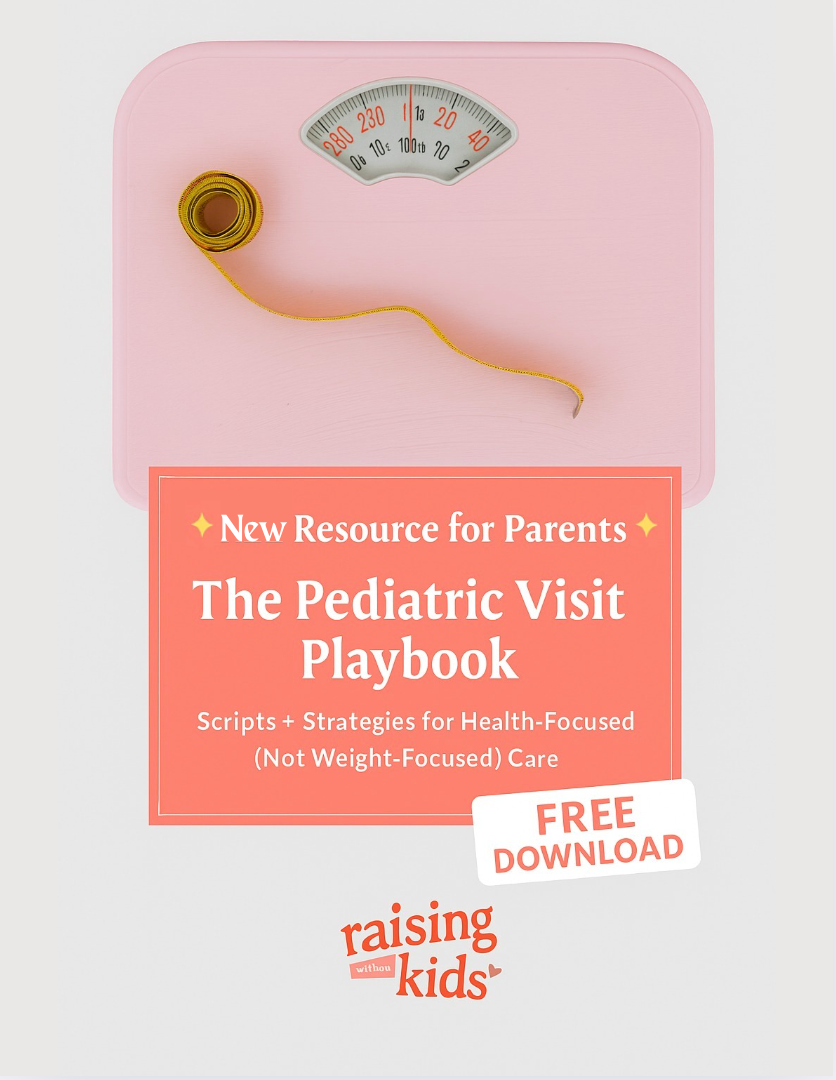

Raising Body-Confident Kids Starts at the Doctor's Office!

START NOW
By Modern Mommy Doc • October 9, 2026
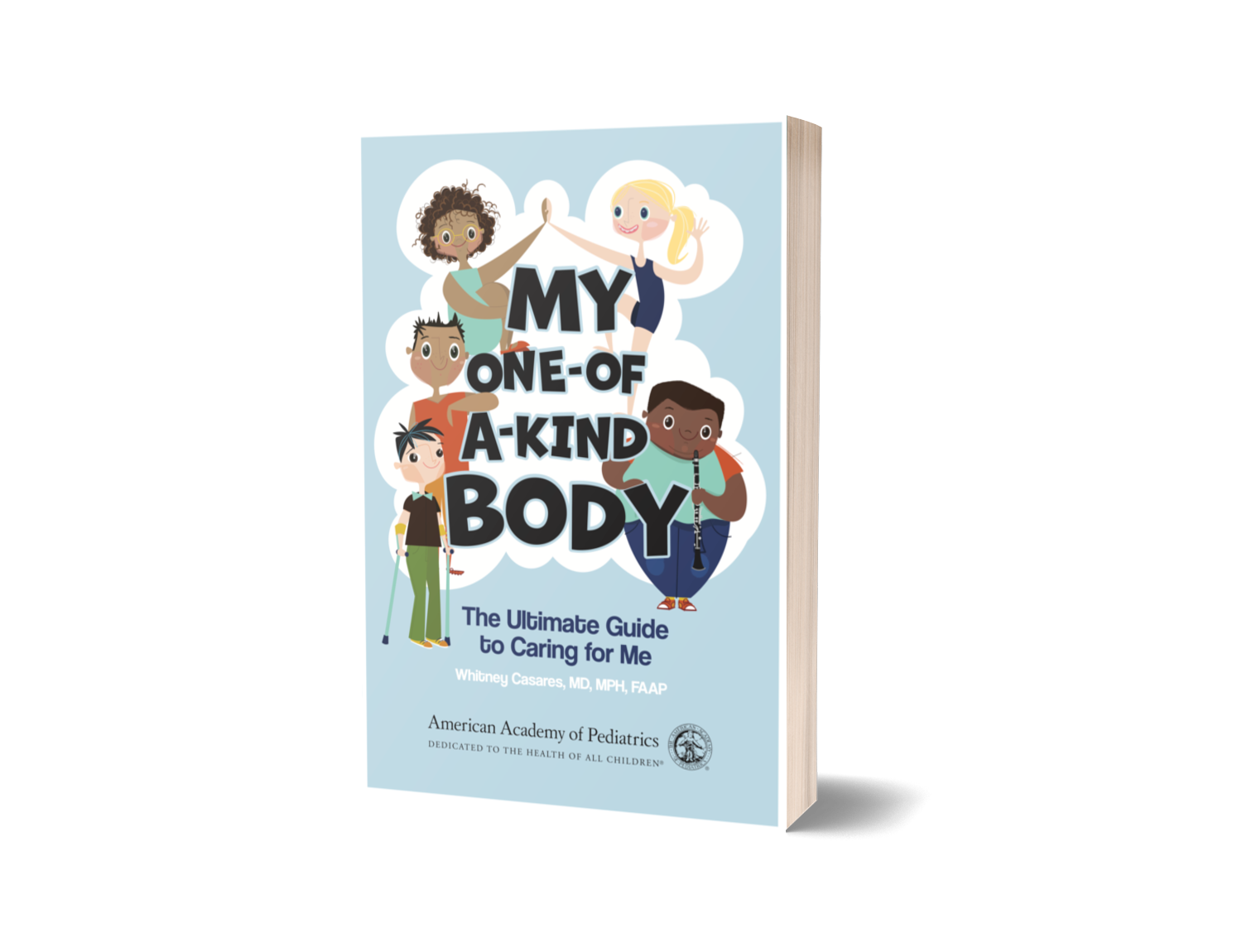
About the Episode: There’s so much parenting advice out there, and most of it doesn’t matter nearly as much as the internet wants you to think. (Seed oils? We have bigger fish to fry.) In this solo episode, Dr. Whitney gets back to basics and shares the six evidence-based parenting principles she focuses on as a pediatrician, the ones she dug into with a leading child development researcher. She also shares how these play out in real life as a mom of two neurodivergent kids, because guidance only helps if it actually fits your family. Key takeaways: Be sensitive and responsive. Simple practices like mirroring your child’s emotions and “serve and return” interactions build a loving, trusting foundation. Dr. Whitney shares how a Halloween decorating session turned into a deep conversation about religion once she slowed down and got curious. Meet kids where they are, especially at their worst. Drawing on Tina Payne Bryson, co-author of The Whole-Brain Child , Dr. Whitney explains that soothing a meltdown isn’t giving in. It’s letting your child know they’re not alone in a big feeling. Model self-regulation, and repair when you lose it. Self-regulation predicts academic success better than IQ. The goal isn’t staying calm all the time, it’s understanding why you got dysregulated, coming back to baseline, and offering yourself some self-compassion. Set limits for your kids and yourself. Every child’s needs are different (screen time affects Dr. Whitney’s two daughters very differently), but all kids need limits, and so do parents. Taking time for yourself models something healthy. Aim for authoritative, not permissive. High expectations paired with warmth and grace is the sweet spot. “Gentle parenting” can blur into permissiveness, which research shows is as harmful as authoritarian parenting. Protect unstructured time. Kids need boredom and free play to become self-directed. For ADHD and autistic kids, Dr. Whitney recommends offering a few options and letting kids choose. Support internal motivation. Using a “mirrors facing outward” image from her own therapist, Dr. Whitney explains why we want kids to trust their own instincts rather than constantly look outward for approval. Want to Start Raising Body-Confident Kids Today? 📘 Order the Books Raising Body-Confident Kids If you've ever caught yourself saying something to your kid about their body that sounded exactly like what your mother said to you, this book is for you. Raising Body-Confident Kids is a research-backed, judgment-free guide for parents who want to break the cycle of diet culture and body shame without swinging into toxic positivity or giving up all structure around food and movement. It answers the real questions parents are actually asking about Ozempic, about picky eaters, about what to say when your kid is being bullied for their body, and about social media influences. This is a practical, values-based game plan you can actually use, even if your own relationship with your body is still a work in progress. My One-of-a-Kind Body My One-of-a-Kind Body gives kids the language and understanding they need to care for their bodies with respect without fear, shame, or appearance-based messaging. Through inclusive illustrations and evidence-based health education, the book teaches body literacy, boundaries, and self-trust in a way kids can actually grasp. 👉 www.raisingbodyconfidentkids.com/books
By Modern Mommy Doc • October 5, 2026
What really matters when it comes to college admissions (for you and for them).
By Modern Mommy Doc • September 17, 2026
Kids going off to college are mean for a reason.
By Modern Mommy Doc • September 10, 2026
Maybe winning back to school isn't what we really want, after all.
By Modern Mommy Doc • August 27, 2026
First-class service has a lot to do with first-class parenting.

Welcome! Get the information you need to win at parenting without losing yourself.

LEARN MORE

My Kids' Book on Body Confidence


Trying to break the cycle of body shame and diet culture?


Overwhelmed by all the parenting advice out there?


SIGN UP FOR THE FREE STARTER KIT: UNBOTHERED. IT'S FREE. CLICK HERE


FRESH

ON THE PODCAST


By Modern Mommy Doc • October 9, 2026
About the Episode: There’s so much parenting advice out there, and most of it doesn’t matter nearly as much as the internet wants you to think. (Seed oils? We have bigger fish to fry.) In this solo episode, Dr. Whitney gets back to basics and shares the six evidence-based parenting principles she focuses on as a pediatrician, the ones she dug into with a leading child development researcher. She also shares how these play out in real life as a mom of two neurodivergent kids, because guidance only helps if it actually fits your family. Key takeaways: Be sensitive and responsive. Simple practices like mirroring your child’s emotions and “serve and return” interactions build a loving, trusting foundation. Dr. Whitney shares how a Halloween decorating session turned into a deep conversation about religion once she slowed down and got curious. Meet kids where they are, especially at their worst. Drawing on Tina Payne Bryson, co-author of The Whole-Brain Child , Dr. Whitney explains that soothing a meltdown isn’t giving in. It’s letting your child know they’re not alone in a big feeling. Model self-regulation, and repair when you lose it. Self-regulation predicts academic success better than IQ. The goal isn’t staying calm all the time, it’s understanding why you got dysregulated, coming back to baseline, and offering yourself some self-compassion. Set limits for your kids and yourself. Every child’s needs are different (screen time affects Dr. Whitney’s two daughters very differently), but all kids need limits, and so do parents. Taking time for yourself models something healthy. Aim for authoritative, not permissive. High expectations paired with warmth and grace is the sweet spot. “Gentle parenting” can blur into permissiveness, which research shows is as harmful as authoritarian parenting. Protect unstructured time. Kids need boredom and free play to become self-directed. For ADHD and autistic kids, Dr. Whitney recommends offering a few options and letting kids choose. Support internal motivation. Using a “mirrors facing outward” image from her own therapist, Dr. Whitney explains why we want kids to trust their own instincts rather than constantly look outward for approval. Want to Start Raising Body-Confident Kids Today? 📘 Order the Books Raising Body-Confident Kids If you've ever caught yourself saying something to your kid about their body that sounded exactly like what your mother said to you, this book is for you. Raising Body-Confident Kids is a research-backed, judgment-free guide for parents who want to break the cycle of diet culture and body shame without swinging into toxic positivity or giving up all structure around food and movement. It answers the real questions parents are actually asking about Ozempic, about picky eaters, about what to say when your kid is being bullied for their body, and about social media influences. This is a practical, values-based game plan you can actually use, even if your own relationship with your body is still a work in progress. My One-of-a-Kind Body My One-of-a-Kind Body gives kids the language and understanding they need to care for their bodies with respect without fear, shame, or appearance-based messaging. Through inclusive illustrations and evidence-based health education, the book teaches body literacy, boundaries, and self-trust in a way kids can actually grasp. 👉 www.raisingbodyconfidentkids.com/books
By Modern Mommy Doc • October 5, 2026
What really matters when it comes to college admissions (for you and for them).
By Modern Mommy Doc • September 17, 2026
Kids going off to college are mean for a reason.