Dr. Whitney uses her experience as a pediatrician to explain how the formula shortage points to a lack of support for women in the workplace, why women might not choose to breastfeed, and changes we need to see made in order to support women in the workplace.
Key takeaways:
Statistics on breastfeeding and formula usage:
- Per the CDC, 84% of American babies are breastfeed at birth, with that number going down to 50% at 3 months, and 25% at 6 months
- Globally, the average is 40% of babies under 6 months are exclusively breastfed vs. 35% in the U.S.
- At 3 months, 73% of white children receive breast milk while 58% of black children do. At 6 months, it’s 62% of white children and less than 45% of black children. Black people and other minorities are more likely to work in low wage jobs which will be way less likely to have the luxury of paid leave, which makes them even more vulnerable to formula shortages.
- The formula shortage is affecting about ⅔ of the babies that are relying on formula for at least part of their nutritional needs in their first year of life
There are a number of reasons why American women would choose not to breastfeed:
- Not having paid leave. It’s extremely hard to breastfeed when you have to pump at work. It’s time consuming, it’s cumbersome, and requires a flexible schedule and privacy. And for low wage workers, those luxuries are elusive. Even as a higher paid worker, I still had to deal with stigma from colleagues about taking breaks to pump in order to consistently breastfeed. I actually had to remind my superiors about the federal laws that were in place to protect me surrounding breastfeeding at my workplace. And lower waged workers are usually not even able to have that conversation.
- If there was a lot of trauma/pain/difficulty surrounding breastfeeding, it weighs on their mental health to continue. And we don’t need to provide any guilt around that.
- Our country’s lack of support for women early on. Most women don’t have the ability to heal properly without being stressed about going back to work right away or to take the time to put in the work that it takes to get breastfeeding down successfully.
- The formula shortage brings to light all the inequities that exist way higher up in the “supply chain.” It highlights all the inequities that exist for moms in structural and social support for breastfeeding, paid leave, and even being able to leave the workplace to have a baby and not have a wage pay gap when you return (which only plays more into being able to afford formula in the first place).
- We know exactly what we need to do in order to support moms in the workplace. We need to honor and respect them and see their needs as real instead of seeing them as an inconvenience in the corporate setting. And businesses need to start seeing that when those things aren’t in place, that affects whether or not women want to stay in those positions, but also their ability to excel in their careers and to be in a place of influence and power and to have a seat at the table. When that happens, then business owners can start making decisions from a place of better representation.
Hey mama!
We'd love to hear from you, Mama! Do you listen each week?
Leave a review or share a screenshot of your favorite episode(s) on social. Be sure to tag
@modernmommydoc so we can see how much you're loving the podcast!


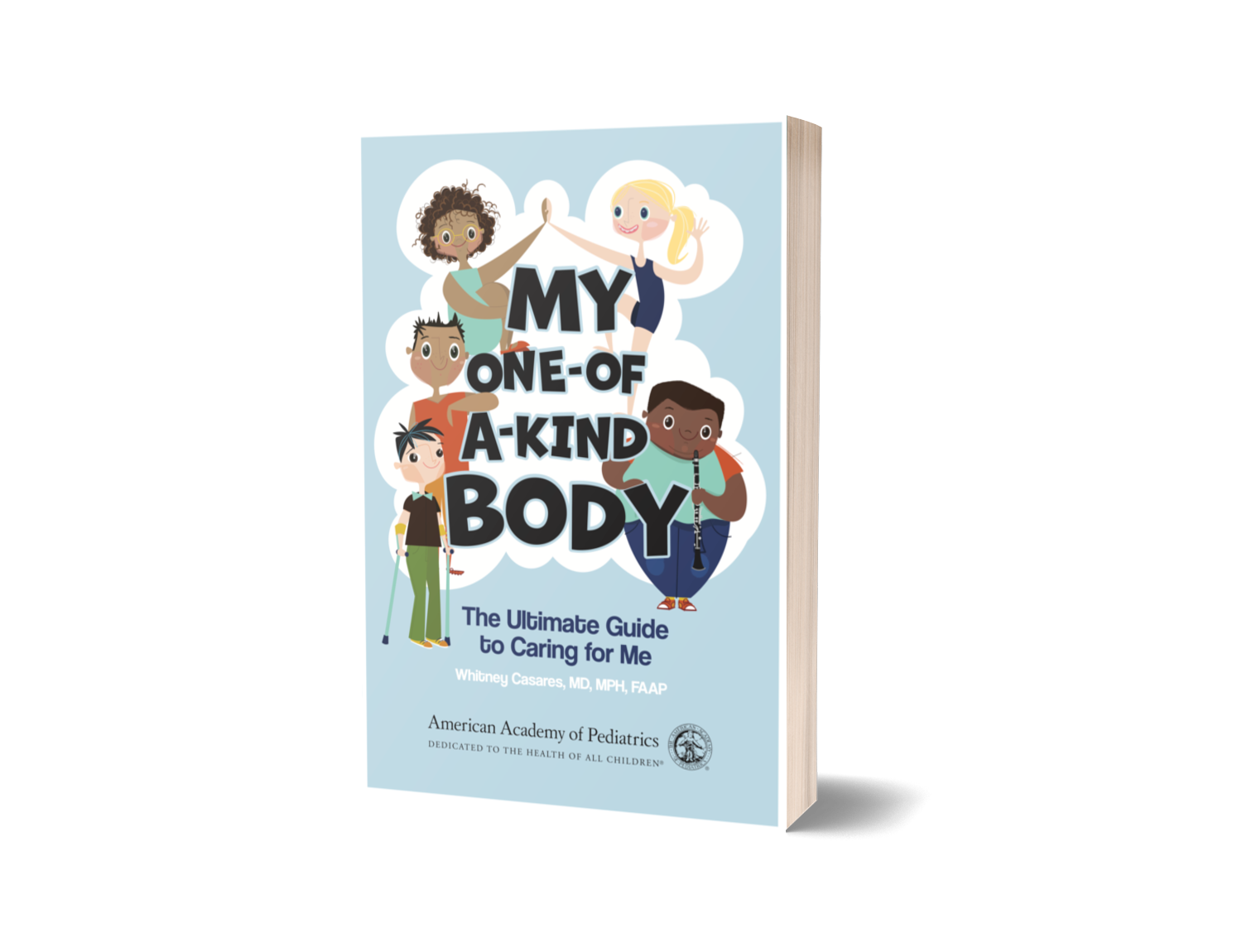
About the Episode: There’s so much parenting advice out there, and most of it doesn’t matter nearly as much as the internet wants you to think. (Seed oils? We have bigger fish to fry.) In this solo episode, Dr. Whitney gets back to basics and shares the six evidence-based parenting principles she focuses on as a pediatrician, the ones she dug into with a leading child development researcher. She also shares how these play out in real life as a mom of two neurodivergent kids, because guidance only helps if it actually fits your family. Key takeaways: Be sensitive and responsive. Simple practices like mirroring your child’s emotions and “serve and return” interactions build a loving, trusting foundation. Dr. Whitney shares how a Halloween decorating session turned into a deep conversation about religion once she slowed down and got curious. Meet kids where they are, especially at their worst. Drawing on Tina Payne Bryson, co-author of The Whole-Brain Child , Dr. Whitney explains that soothing a meltdown isn’t giving in. It’s letting your child know they’re not alone in a big feeling. Model self-regulation, and repair when you lose it. Self-regulation predicts academic success better than IQ. The goal isn’t staying calm all the time, it’s understanding why you got dysregulated, coming back to baseline, and offering yourself some self-compassion. Set limits for your kids and yourself. Every child’s needs are different (screen time affects Dr. Whitney’s two daughters very differently), but all kids need limits, and so do parents. Taking time for yourself models something healthy. Aim for authoritative, not permissive. High expectations paired with warmth and grace is the sweet spot. “Gentle parenting” can blur into permissiveness, which research shows is as harmful as authoritarian parenting. Protect unstructured time. Kids need boredom and free play to become self-directed. For ADHD and autistic kids, Dr. Whitney recommends offering a few options and letting kids choose. Support internal motivation. Using a “mirrors facing outward” image from her own therapist, Dr. Whitney explains why we want kids to trust their own instincts rather than constantly look outward for approval. Want to Start Raising Body-Confident Kids Today? 📘 Order the Books Raising Body-Confident Kids If you've ever caught yourself saying something to your kid about their body that sounded exactly like what your mother said to you, this book is for you. Raising Body-Confident Kids is a research-backed, judgment-free guide for parents who want to break the cycle of diet culture and body shame without swinging into toxic positivity or giving up all structure around food and movement. It answers the real questions parents are actually asking about Ozempic, about picky eaters, about what to say when your kid is being bullied for their body, and about social media influences. This is a practical, values-based game plan you can actually use, even if your own relationship with your body is still a work in progress. My One-of-a-Kind Body My One-of-a-Kind Body gives kids the language and understanding they need to care for their bodies with respect without fear, shame, or appearance-based messaging. Through inclusive illustrations and evidence-based health education, the book teaches body literacy, boundaries, and self-trust in a way kids can actually grasp. 👉 www.raisingbodyconfidentkids.com/books

What really matters when it comes to college admissions (for you and for them).

Kids going off to college are mean for a reason.

Maybe winning back to school isn't what we really want, after all.

First-class service has a lot to do with first-class parenting.