MMD BLOG


CATEGORY:

PRODUCTIVITY + PARENTAL LOAD

HERE’S THE REASON WHY EVERYTHING FEELS REALLY HARD RIGHT NOW

 Modern Mommy Doc


PUBLICATION DATE:

June 6, 2022

HERE’S THE REASON WHY EVERYTHING FEELS REALLY HARD RIGHT NOW

 Modern Mommy Doc

CATEGORY: PRODUCTIVITY + PARENTAL LOAD

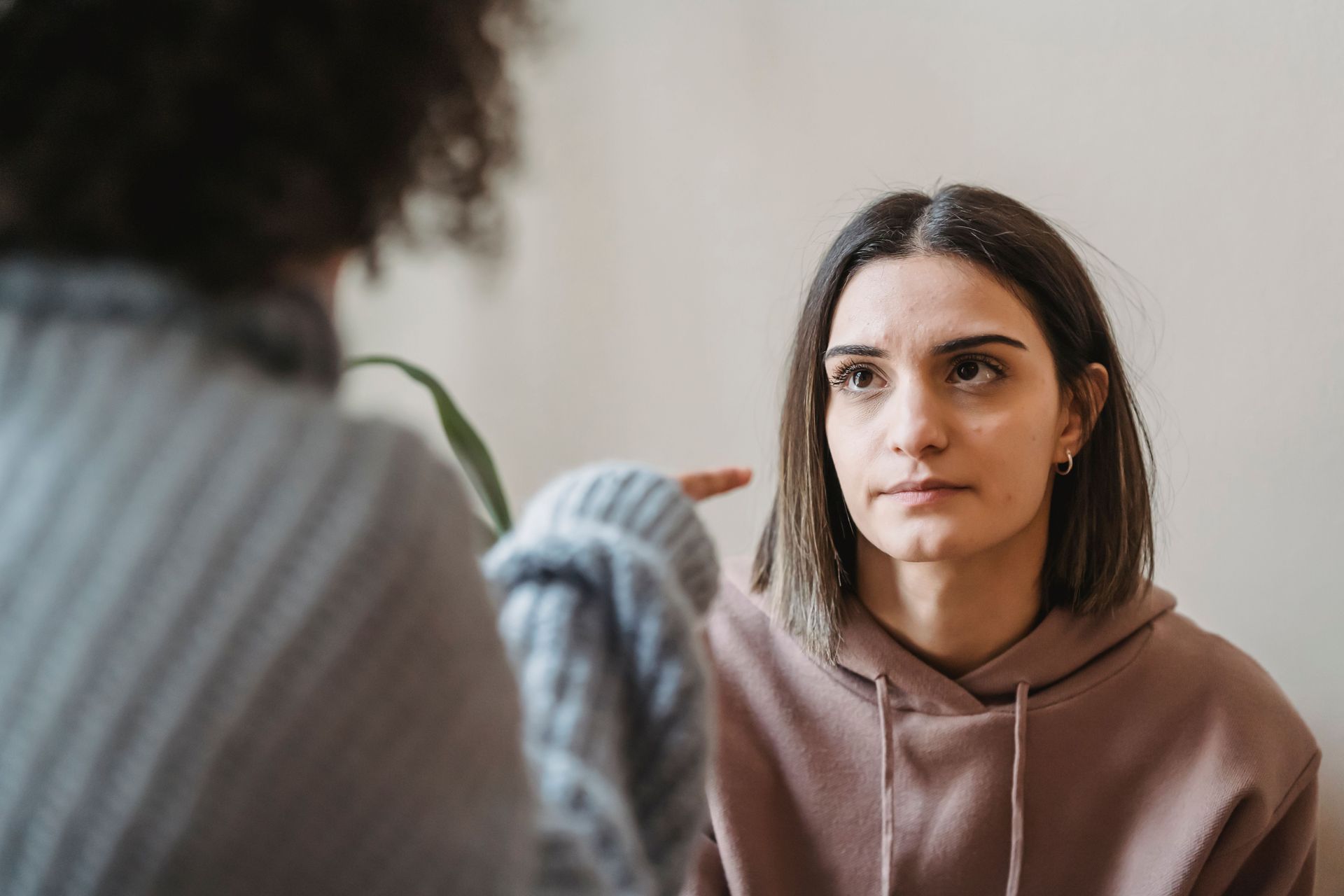
Let me paint a picture for you:


You walk in the house after a reeeeally long day from work, exhausted. On your way home, you picked up the kids from the sitter and your husband’s dry cleaning. In the car, you already practiced spelling words with your oldest and counseled your youngest through kindergarten friend drama. 


Now that you’re home, you get them started on their homework and go to sit on the couch. That’s when you take in the wreckage that has become your house as the kids got ready for school this morning. How is it possible for four humans to make such a mess in a house that they spend so little time in?


Your partner walks through the door and says, “Sorry I’m late. Some of the guys from the office went out for a beer after work. What’s for dinner?”


Do you: 

A) calmly point to the chart you made on the wall that says it’s actually his night to make dinner

B) tell him that you’re not his mom and if he wants something in particular he can make it himself

c) fly into a blind rage and smother him with a pillow


If I’m honest, I used to be a LOT more B and C and not so much any A. 


What about you? Do any of those sound familiar? Maybe you, like I was, are a chronic take-everything-on-yourselfer.


As moms, there’s a LOT on our shoulders. Some of it was put there by society but some of it’s there simply because we haven’t asked anyone else to take it. And that’s what I wanna chat about for the next few weeks: why are moms shouldering SO much of the parental load, what happens in us and in our families when we feel the effects of it, and what we should do about it.


Moms who are taking on a disproportionate amount of responsibility in their homes and in their families end up feeling a lot of the same things: resentment, high anxiety, like they could flip their lid with their husband or kids at just about any moment, angry aaaalll the time. 


We basically feel stretched way too thin and mad that no one else sees that.


Over the next few weeks we’re going to talk about ways we can help alleviate some of that by getting our kids and partners involved and by automating as much as we can in our lives. But before all of that, we have to take a look at WHY we’re in this mess. Why have we allowed ourselves to dig this hole (or be put into it?) and are so afraid to ask for help getting out of it?


I think it’s for a couple of reasons: one, we’re afraid of looking like we can’t do it all…which we can’t–at least not well! But we don’t want anyone to see underneath this facade of looking like we can do it all. So we don’t ask for help from our kids or partners, and CERTAINLY not from any other moms. Because then the jig would be up and they’d be in on our little secret.


I think we’re also afraid of
letting go of control. What would happen if we didn’t take care of all the things? Maybe you’ve seen the evidence of what happens when you ask your husband to grocery shop for you. Or ask your kids to clean their bathroom. I pushed against it for SO long because I knew it was gonna be a long time before all of those things were either done “my” way or until I was mature enough to just not care about it.


When we choose to put ourselves on mom-island all by ourselves, we convince ourselves it’s the only way to do it. The only way things will actually get done, that your kids will go to school with clean, matching clothes, and that you won’t have to run around fixing all the fires.


But what you’re doing now isn’t any better. You’re constantly feeling pulled in a million directions, trying to do it all, and feeling undervalued for the weight that you’re carrying. 


—And of course we know there’s societal pressures and biases out there. As much as we’d like to be strong feminist women, sometimes we find ourselves just falling into typical gender roles without much thought. Or listening to the pressures and biases of society that tell us if our house isn’t perfectly cleaned, our kids aren’t perfectly behaved, and we don’t have home-cooked meals on the table every night (cooked by us, obviously) that we are doing something wrong as women and as moms.


What I want you to know is that it doesn’t have to be this way. It can feel waaaaay easier to get things done and still have free time. To have less guilt about dropping balls. To show up as the mom you want to be.


We talk a lot about this in the Modern Mamas Club app. Like a loooot a lot.
Head over here to check it out!


Raising Body-Confident Kids Starts at the Doctor's Office!

START NOW
By Modern Mommy Doc • October 9, 2026
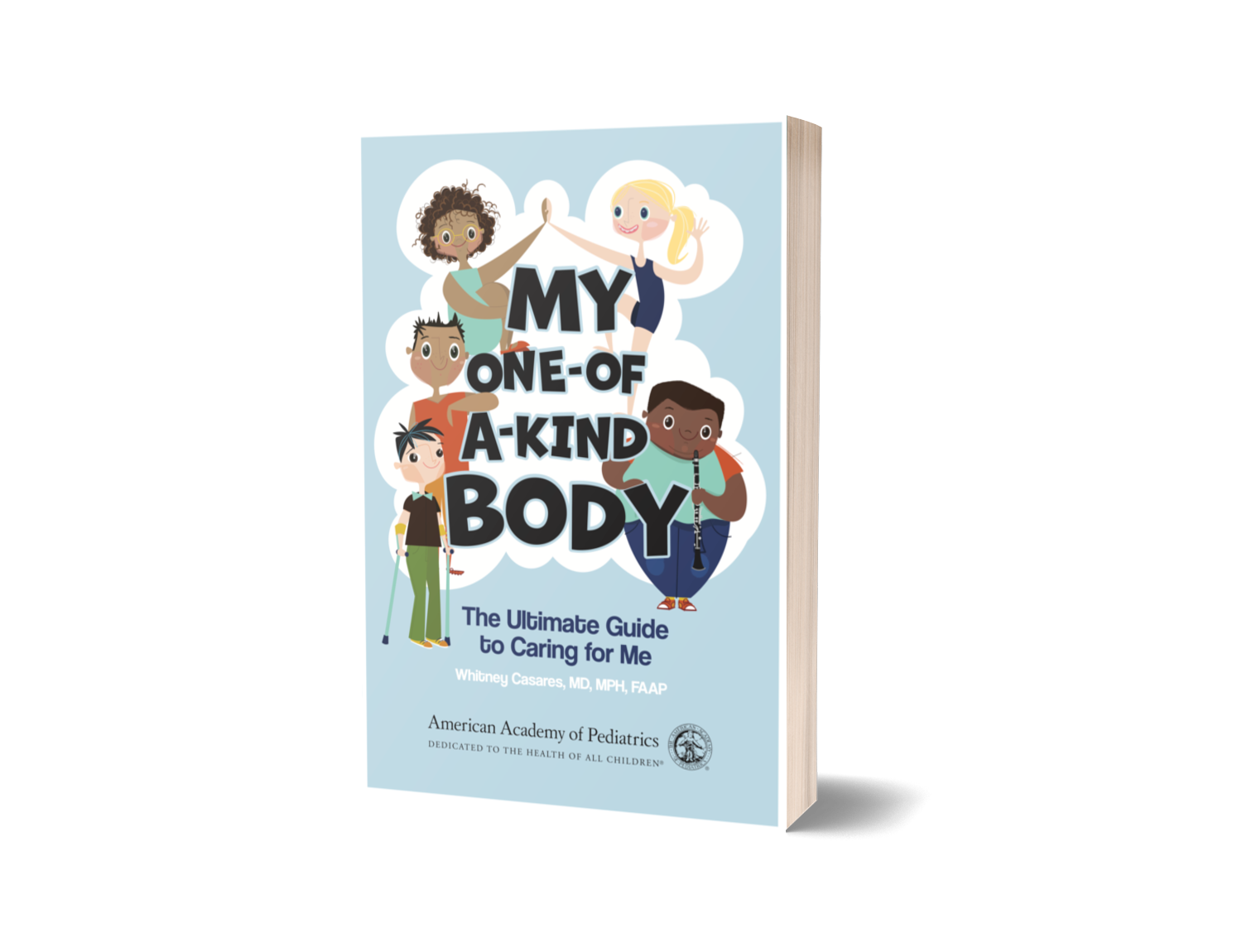
About the Episode: There’s so much parenting advice out there, and most of it doesn’t matter nearly as much as the internet wants you to think. (Seed oils? We have bigger fish to fry.) In this solo episode, Dr. Whitney gets back to basics and shares the six evidence-based parenting principles she focuses on as a pediatrician, the ones she dug into with a leading child development researcher. She also shares how these play out in real life as a mom of two neurodivergent kids, because guidance only helps if it actually fits your family. Key takeaways: Be sensitive and responsive. Simple practices like mirroring your child’s emotions and “serve and return” interactions build a loving, trusting foundation. Dr. Whitney shares how a Halloween decorating session turned into a deep conversation about religion once she slowed down and got curious. Meet kids where they are, especially at their worst. Drawing on Tina Payne Bryson, co-author of The Whole-Brain Child , Dr. Whitney explains that soothing a meltdown isn’t giving in. It’s letting your child know they’re not alone in a big feeling. Model self-regulation, and repair when you lose it. Self-regulation predicts academic success better than IQ. The goal isn’t staying calm all the time, it’s understanding why you got dysregulated, coming back to baseline, and offering yourself some self-compassion. Set limits for your kids and yourself. Every child’s needs are different (screen time affects Dr. Whitney’s two daughters very differently), but all kids need limits, and so do parents. Taking time for yourself models something healthy. Aim for authoritative, not permissive. High expectations paired with warmth and grace is the sweet spot. “Gentle parenting” can blur into permissiveness, which research shows is as harmful as authoritarian parenting. Protect unstructured time. Kids need boredom and free play to become self-directed. For ADHD and autistic kids, Dr. Whitney recommends offering a few options and letting kids choose. Support internal motivation. Using a “mirrors facing outward” image from her own therapist, Dr. Whitney explains why we want kids to trust their own instincts rather than constantly look outward for approval. Want to Start Raising Body-Confident Kids Today? 📘 Order the Books Raising Body-Confident Kids If you've ever caught yourself saying something to your kid about their body that sounded exactly like what your mother said to you, this book is for you. Raising Body-Confident Kids is a research-backed, judgment-free guide for parents who want to break the cycle of diet culture and body shame without swinging into toxic positivity or giving up all structure around food and movement. It answers the real questions parents are actually asking about Ozempic, about picky eaters, about what to say when your kid is being bullied for their body, and about social media influences. This is a practical, values-based game plan you can actually use, even if your own relationship with your body is still a work in progress. My One-of-a-Kind Body My One-of-a-Kind Body gives kids the language and understanding they need to care for their bodies with respect without fear, shame, or appearance-based messaging. Through inclusive illustrations and evidence-based health education, the book teaches body literacy, boundaries, and self-trust in a way kids can actually grasp. 👉 www.raisingbodyconfidentkids.com/books
By Modern Mommy Doc • October 5, 2026
What really matters when it comes to college admissions (for you and for them).
By Modern Mommy Doc • September 17, 2026
Kids going off to college are mean for a reason.
By Modern Mommy Doc • September 10, 2026
Maybe winning back to school isn't what we really want, after all.
By Modern Mommy Doc • August 27, 2026
First-class service has a lot to do with first-class parenting.

Welcome! Get the information you need to win at parenting without losing yourself.

LEARN MORE

My Kids' Book on Body Confidence


Trying to break the cycle of body shame and diet culture?


Overwhelmed by all the parenting advice out there?


SIGN UP FOR THE FREE STARTER KIT: UNBOTHERED. IT'S FREE. CLICK HERE


FRESH

ON THE PODCAST


By Modern Mommy Doc • October 9, 2026
About the Episode: There’s so much parenting advice out there, and most of it doesn’t matter nearly as much as the internet wants you to think. (Seed oils? We have bigger fish to fry.) In this solo episode, Dr. Whitney gets back to basics and shares the six evidence-based parenting principles she focuses on as a pediatrician, the ones she dug into with a leading child development researcher. She also shares how these play out in real life as a mom of two neurodivergent kids, because guidance only helps if it actually fits your family. Key takeaways: Be sensitive and responsive. Simple practices like mirroring your child’s emotions and “serve and return” interactions build a loving, trusting foundation. Dr. Whitney shares how a Halloween decorating session turned into a deep conversation about religion once she slowed down and got curious. Meet kids where they are, especially at their worst. Drawing on Tina Payne Bryson, co-author of The Whole-Brain Child , Dr. Whitney explains that soothing a meltdown isn’t giving in. It’s letting your child know they’re not alone in a big feeling. Model self-regulation, and repair when you lose it. Self-regulation predicts academic success better than IQ. The goal isn’t staying calm all the time, it’s understanding why you got dysregulated, coming back to baseline, and offering yourself some self-compassion. Set limits for your kids and yourself. Every child’s needs are different (screen time affects Dr. Whitney’s two daughters very differently), but all kids need limits, and so do parents. Taking time for yourself models something healthy. Aim for authoritative, not permissive. High expectations paired with warmth and grace is the sweet spot. “Gentle parenting” can blur into permissiveness, which research shows is as harmful as authoritarian parenting. Protect unstructured time. Kids need boredom and free play to become self-directed. For ADHD and autistic kids, Dr. Whitney recommends offering a few options and letting kids choose. Support internal motivation. Using a “mirrors facing outward” image from her own therapist, Dr. Whitney explains why we want kids to trust their own instincts rather than constantly look outward for approval. Want to Start Raising Body-Confident Kids Today? 📘 Order the Books Raising Body-Confident Kids If you've ever caught yourself saying something to your kid about their body that sounded exactly like what your mother said to you, this book is for you. Raising Body-Confident Kids is a research-backed, judgment-free guide for parents who want to break the cycle of diet culture and body shame without swinging into toxic positivity or giving up all structure around food and movement. It answers the real questions parents are actually asking about Ozempic, about picky eaters, about what to say when your kid is being bullied for their body, and about social media influences. This is a practical, values-based game plan you can actually use, even if your own relationship with your body is still a work in progress. My One-of-a-Kind Body My One-of-a-Kind Body gives kids the language and understanding they need to care for their bodies with respect without fear, shame, or appearance-based messaging. Through inclusive illustrations and evidence-based health education, the book teaches body literacy, boundaries, and self-trust in a way kids can actually grasp. 👉 www.raisingbodyconfidentkids.com/books
By Modern Mommy Doc • October 5, 2026
What really matters when it comes to college admissions (for you and for them).
By Modern Mommy Doc • September 17, 2026
Kids going off to college are mean for a reason.