MMD BLOG


CATEGORY:

MAMA WELLNESS + MENTAL HEALTH

GOING MENTAL: HOW TO CULTIVATE CALM AMID CHAOS

 Modern Mommy Doc


PUBLICATION DATE:

February 8, 2021

GOING MENTAL: HOW TO CULTIVATE CALM AMID CHAOS

 Modern Mommy Doc

CATEGORY: MAMA WELLNESS + MENTAL HEALTH


“We do this hard work
here on the bike to remind
ourselves that we can
do hard things.”


I am in the dark cool of my converted garage. My feet are strapped in to the Peloton, and my legs begin to pick up the pace against a soundtrack of old-school Britney Spears and instructor Robin Arzón’s trademark wisdom.


“What are you going to do to protect your peace today?” Arzón asks. “Send the babies out of the room. You carved out 20 minutes today for you. Honor this moment.”


As the music blares and my legs spin, my mind quiets. Everything about my situation says “overstimulation,” and yet I feel calmer than I have all day. This, Mama, is what they mean when they talk about meditation in movement. And these days, finding a little inner peace is a self-care practice all parents need more of.


SCHEDULE WITH (SELF-)CARE


Last week, I blogged about some of the best ways you can boost your physical energy throughout the day. Rejuvenating our minds is just as important. (Especially considering the connections between stress and illness.) And the best way you can set yourself up for success is by keeping your schedule a doable level of busy. 


So how do you meet all the demands of your life while still making time for yourself? The key is to have a centered vision for your life. When you are clear about your goals and priorities, it makes it much easier to decide what to do, what to delegate, and what to dump.


I have lived this. There was a time when I spent most of my days doing things I thought I should do, things I believed would make me happy in the long run. But, as I have said before, the only dividends those investments pay out are resentment and burnout.


Reevaluating my priorities (self-care, kids, travel) clarified what I needed to spend more of my time doing. From there, everything else started to click into place. Which brings me to my other big recommendation for recharging your mental energy…



FINDING MOMENTS OF MINDFULNESS


“Mindful” is one of those terms that gets thrown around a lot. But its popularity doesn’t diminish its impact: mindfulness brings us into alignment with the people we want to be and the experiences we want to have.


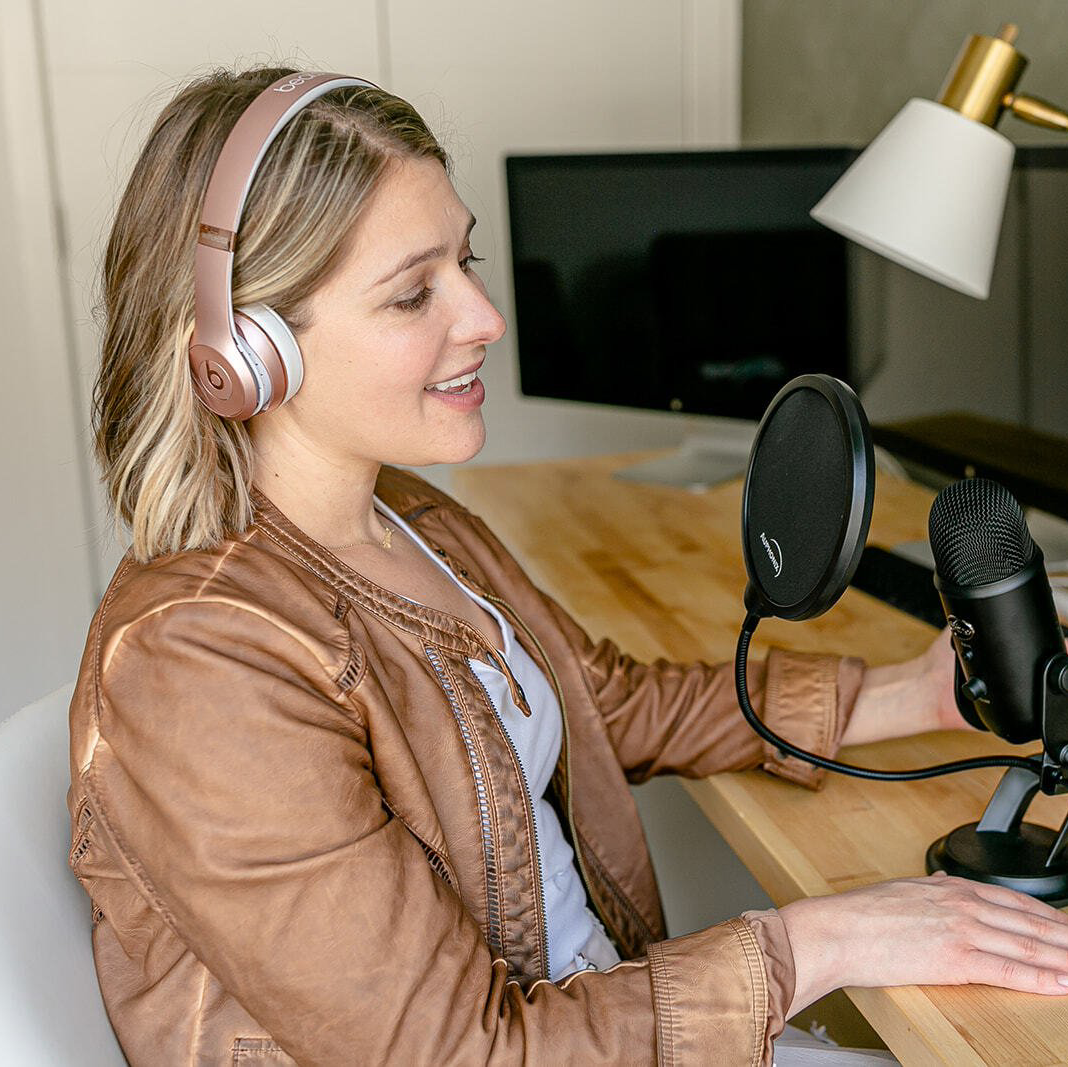
Carina Devi from the Mindful Mamas Club  expressed this beautifully when she joined me on my podcast  a few weeks ago. She recalled a time when she was snuggling with her son and started mentally planning out that evening’s dinner and grocery list. She caught herself, stopped, and returned to the moment. The sensation of feeling the rise and fall of her child’s chest as he breathed, of feeling his skin against hers, THAT was what she had dreamed of before he’d been born. THAT was what she wanted to focus on. Dinner could wait.


We can all learn from that, because we have all essentially been there. Whether it’s me thinking about patients while I’m spinning, Carina planning dinner during snuggle time, or any parent who’s spent a child’s soccer game returning emails instead of cheering from the stands, it’s all too easy to spend your days anywhere except where you are.


MINDFULNESS IN ACTION


So how can you give your mind the breathing space it needs? Here are a few ways to enhance (or start!) your mindfulness practice.


  1. Create a morning ritual. Give yourself 10 minutes every morning to do something reflective that brings you joy. Sipping coffee while looking at your backyard, journaling, meditating, reading it all counts. 
  2. Practice meditation in movement. So much of each day consists of completing tasks on autopilot. (Think making lunches for the kids.) Turn those routine chores into meditative opportunities. That means tuning in to the world around you as you go through the motions of the task at hand. Don’t listen, judge, or think but simply notice the sounds, the light, and the smells around you. Observing creates connection, and connection serves to refresh the mind.
  3. Start meditating for real. The benefits of meditation are extensive and include improved attention and memory, and reduced anxiety and fatigue. If you’re new to meditating, there are tons of great apps available to help you launch a practice. Check out Mindful Mamas Club for tips and methods specific to your stage of parenting, Headspace for a user-friendly experience, or Chorus for meditation set to pop music.
  4. Just breathe. Toddler tantrums, problematic coworkers, traffic...when it comes to stressors, today’s world offers up plenty of options. So when you feel your heart rate start to rise, take a moment to slow down. Root your feet firmly to the ground. Place your hands in a soothing posture (like over your heart or stomach), close your eyes, and inhale slowly and deeply. Notice the pause between inhalation and exhalation. Then exhale loudly, almost like a sigh. Repeat two or three times to slow your heart rate and focus your mind.
  5. Plug into a (perfectly paced) playlist. According to author and wellness expert Dr. Frank Lipman, listening to music with roughly 60 beats per minute helps regulate your heart rate, lower your blood pressure, and reduce tension. (Your internal rhythms, Lipman says, will naturally sync up with the external rhythms you’re hearing.) Not sure how many beats your favorite song is? Music by Bob Marley is a good example of the right rhythm. 
  6. Unplug from your devices. In addition to unplugging at least an hour before bedtime, try to detach from all devices on the weekends. Giving yourself the chance to look anywhere except a screen means you have more opportunities to check in with the world around you.
  7. Do less. This is especially true on the weekends. It’s so tempting to pack your schedule, but if pandemic-living has taught us anything, it’s the beauty of a streamlined lifestyle. Make your priorities the focus of your weekend and embrace the JOMO
  8. Connect more. In the age of Zoom, this might mean video chatting with friends and family. And while getting on the phone for a scheduled call might feel like the last thing you want to do on Saturday afternoon, it’s different when the only purpose is to catch up with people you love. (Plus social connection is a top predictor for well-being.)


Mama, our minds form the foundation of our well-being. Keeping them healthy and energized makes us better partners, parents, professionals, and people. May we all find more mindful moments in our days.



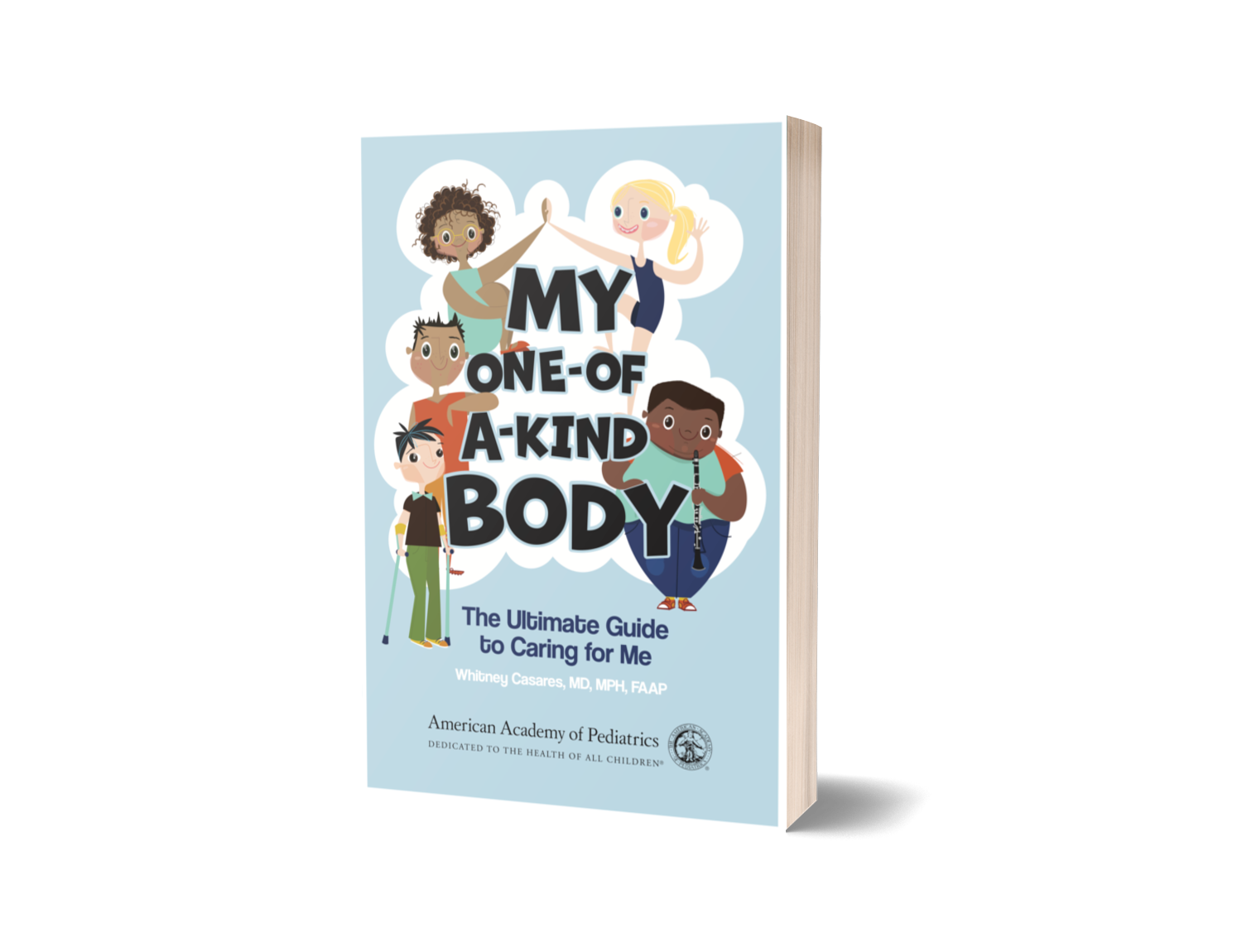
Raising Body-Confident Kids Starts at the Doctor's Office!

START NOW
By Dr. Whitney December 17, 2025
About the Episode: In this episode, Dr. Whitney sits down with Dr. Jay Gargus and Dave Justus from NeuroQure to discuss the power of early clarity when it comes to autism detection and why earlier intervention can fundamentally change outcomes for childre n and families. Dr. Gargus explains the science behind early behavioral therapies and why their impact goes far beyond short-term skill-building. Research shows that early, evidence-based interventions can lead to measurable, lifelong improvements in IQ, so cial skills, independence, and educational placement, often determining whether a child can thrive in mainstream education or requires ongoing specialized support. The conversation also tackles a critical and often overlooked issue: access. Dave Justus shares the personal motivation behind NeuroQure’s work and explains why the test is being launched at cost, with installment plans and employer subsidies, while the team works toward insurance coverage. The goal is to prevent families from losing precious years waiting for answers. Together, they emphasize a hopeful message for parents: families don’t need to wait for a future “silver bullet.” We already have therapies that work and getting kids connected to them earlier can change the course of a lifetime. In this episode, we discuss: Why early autism detection leads to lifelong changes—not just short-term gains What a 17-point IQ difference actually means for education, independence, and quality of life How early intervention can shift developmental trajectories as early as 6 months The science and validation behind current autism therapies Why NeuroQure is pricing testing at cost while pursuing insurance coverage How early clarity can reduce long-term strain on families, schools, and healthcare systems This episode is a powerful reminder that timing matters and that early access to answers can make an extraordinary difference for children and the families who love them. About Our Guest: Dr. Jay Gargus, MD, PhD is a physician-scientist and nationally recognized expert in neurodevelopmental disorders, with decades of experience researching the biological underpinnings of autism. His work has focused on translating well-established science into meaningful, real-world interventions that can improve lifelong outcomes for children. Dr. Gargus emphasizes that early, evidence-based therapies are already available—and that connecting families to them sooner can fundamentally change developmental trajectories. Dave Justus is a parent and the founder of NeuroQure, whose work is driven by personal experience navigating delayed autism diagnosis and intervention. Motivated by the belief that early clarity can spare families years of uncertainty, Dave is focused on expanding access to early testing through cost-based pricing and ongoing efforts to secure insurance coverage. His mission is simple but powerful: ensure families don’t have to wait for answers that could change everything. Want to Start Raising Body-Confident Kids Today? 📘 Order the Book Order your copy of My One-of-a-Kind Body 👉 www.raisingbodyconfidentkids.com/books 🎁 Claim Your Free Bonus When you order on our site, you’ll also get access to a FREE video mini-course with five bite-sized lessons for parents. In just 25 minutes, you’ll walk away with: Simple, script-style ways to respond when your kid says, “I hate my thighs” How to talk about health without weight talk What to do when your own inner critic shows up How to interrupt diet culture at home The first step to raising a body-confident kid, even if you didn’t grow up as one 📩 Subscribe to The Modern Mommy Doc Podcast for more episodes on parenting with confidence and clarity. Leave a review using the hashtag #ModernMommyDoc.
By Dr. Whitney November 13, 2025
Stop being so busy, and start being more present.
By Dr. Whitney November 5, 2025
Starting out right with solids doesn't have to be so scary.
By Dr. Whitney October 29, 2025
What if YOU are the one who needs to calm down first?

Welcome! Get the information you need to win at parenting without losing yourself.

LEARN MORE

My Kids' Book on Body Confidence is Finally Here!


Wish your partner would do more to lessen your mental load?


Want to make self-care a priority but not sure how to?


SIGN UP FOR SUSTAINABLE SELF-CARE. IT'S FREE. CLICK HERE


FRESH

ON THE PODCAST


By Dr. Whitney December 17, 2025
About the Episode: In this episode, Dr. Whitney sits down with Dr. Jay Gargus and Dave Justus from NeuroQure to discuss the power of early clarity when it comes to autism detection and why earlier intervention can fundamentally change outcomes for childre n and families. Dr. Gargus explains the science behind early behavioral therapies and why their impact goes far beyond short-term skill-building. Research shows that early, evidence-based interventions can lead to measurable, lifelong improvements in IQ, so cial skills, independence, and educational placement, often determining whether a child can thrive in mainstream education or requires ongoing specialized support. The conversation also tackles a critical and often overlooked issue: access. Dave Justus shares the personal motivation behind NeuroQure’s work and explains why the test is being launched at cost, with installment plans and employer subsidies, while the team works toward insurance coverage. The goal is to prevent families from losing precious years waiting for answers. Together, they emphasize a hopeful message for parents: families don’t need to wait for a future “silver bullet.” We already have therapies that work and getting kids connected to them earlier can change the course of a lifetime. In this episode, we discuss: Why early autism detection leads to lifelong changes—not just short-term gains What a 17-point IQ difference actually means for education, independence, and quality of life How early intervention can shift developmental trajectories as early as 6 months The science and validation behind current autism therapies Why NeuroQure is pricing testing at cost while pursuing insurance coverage How early clarity can reduce long-term strain on families, schools, and healthcare systems This episode is a powerful reminder that timing matters and that early access to answers can make an extraordinary difference for children and the families who love them. About Our Guest: Dr. Jay Gargus, MD, PhD is a physician-scientist and nationally recognized expert in neurodevelopmental disorders, with decades of experience researching the biological underpinnings of autism. His work has focused on translating well-established science into meaningful, real-world interventions that can improve lifelong outcomes for children. Dr. Gargus emphasizes that early, evidence-based therapies are already available—and that connecting families to them sooner can fundamentally change developmental trajectories. Dave Justus is a parent and the founder of NeuroQure, whose work is driven by personal experience navigating delayed autism diagnosis and intervention. Motivated by the belief that early clarity can spare families years of uncertainty, Dave is focused on expanding access to early testing through cost-based pricing and ongoing efforts to secure insurance coverage. His mission is simple but powerful: ensure families don’t have to wait for answers that could change everything. Want to Start Raising Body-Confident Kids Today? 📘 Order the Book Order your copy of My One-of-a-Kind Body 👉 www.raisingbodyconfidentkids.com/books 🎁 Claim Your Free Bonus When you order on our site, you’ll also get access to a FREE video mini-course with five bite-sized lessons for parents. In just 25 minutes, you’ll walk away with: Simple, script-style ways to respond when your kid says, “I hate my thighs” How to talk about health without weight talk What to do when your own inner critic shows up How to interrupt diet culture at home The first step to raising a body-confident kid, even if you didn’t grow up as one 📩 Subscribe to The Modern Mommy Doc Podcast for more episodes on parenting with confidence and clarity. Leave a review using the hashtag #ModernMommyDoc.
By Dr. Whitney November 13, 2025
Stop being so busy, and start being more present.