MMD BLOG


CATEGORY:

MINDFUL PARENTING

HANG UP AND TUNE IN

 Modern Mommy Doc


PUBLICATION DATE:

February 22, 2021

HANG UP AND TUNE IN

 Modern Mommy Doc

CATEGORY: MINDFUL PARENTING

If the title of this blog has you thinking this is another blame-technology-for-all-of-society’s-ills story, don’t worry: it’s not. (The internet is already full of those.) But last week I shared a post about how I sometimes find it  difficult to be alone with myself, to not seek out distraction in work or kids or life but to just be. And since technology is usually the scratch to our itch for distraction, it’s time to call out the elephant in the room. How are we supposed to balance conscious parenting, which requires calm, intentional interactions, with the perpetual singing, dinging, and ringing of our phones and other devices?


CALLED OUT (BY MY KIDS!)


Humans’ emotional dependence on technology is well-documented, but you only have to look up from your phone to see evidence of it yourself. The toddler playing with a tablet in his stroller, the gaggle of tweens at the mall hanging out together but each engrossed in her own phone, the guy ahead of you at Starbucks who doesn’t look up from his screen to order — yeah, tech-addiction is real.


And that doesn’t even include our new, pandemic-friendly virtual lifestyles! Like every other family trying to make it through remote school and social distancing, we’ve been relying on screens more than usual at Camp Casares. That means that, as much as my husband and I are on our daughters with reminders like, “This is your last episode of Barbie Life in the Dreamhouse for the day,” they’ve got our number.


We were playing a game last night around the dinner table where each of us got to do an impression of the other members of the family. When it was my youngest daughter’s turn, she picked up my AirPods, swiped my phone, and held her arm to the sky like the Statue of Liberty. “Hey, I’m Mommy, and I have a very important meeting. Let me check my calendar and read an email real quick.”


My oldest chimed in,

“I’m Daddy, and I have a football game to watch!”


I blushed, but their impersonations were not far off. Just like my kids, I find it hard to land on something more active, healthier, and less addictive to do with my time than scroll through my phone.


FINDING BALANCE


So yes, technology is a big part of the problem when it comes to distracting ourselves. But it can also be part of the solution. If our goal is to thrive in motherhood, our challenge is to balance outside responsibilities with the priorities that bring us joy. And unless you have a household staff at your disposal, technology is often your ticket to outsourcing.


Bills? Autopay. Groceries? Instacart. Staying in touch with family and friends? Take your pick: FaceTime, Zoom, Google Meet — it’s all good. And then, of course, there’s social media, which, when used occasionally and intentionally, makes it possible to stay up to date with friends and family around the world.


In this day and age, we can’t “digital detox” for any real length of time. We can’t swear off smartphones or refuse to join Zoom meetings. But, as with all indulgences, we CAN practice moderation. So, the question becomes, When is our use of technology not helping but harming our efforts at conscious parenting?


For me, it’s those tough after-school hours when homework needs to be done, dinner needs to be made, and everyone is a little cranky. It is so much easier, so much more tempting, to check my social feed than to mediate an argument among my daughters, or to teach a math concept I barely remember to my daughter who’s barely interested.


That’s the moment, Mama! Even though your situation may look different than mine, this is the kind of moment when we have a choice. We can gratify that urge for distraction...or we can immerse ourselves in the present.



· Consciously decide when you will check in with your phone throughout the day. The rest of the time, it’s off-limits for mindless scrolling. (Calls, last-minute texts, and other necessities are, of course, the exceptions. The idea is to find ways to make the most of small, intentional digital detoxes.)


· The very act of reaching for your phone becomes your cue not to. You know that feeling. You start to get a little antsy. Your breathing gets a little shallow. You’re looking for that quick hit of dopamine that comes from seeing a new post or text. That’s your signal to tune in instead of tuning out. Not sure you can resist? Then put your phone away or during those times you’re most tempted. (You might also change your password to open it. Pausing to remember it also lets you remember to do something else.)


· Reward yourself. Find yourself scrolling while you wait at a stoplight or put off going to bed? Give yourself a reward for doing something else instead. (Think small perks like picking up a juice or coffee when you stay off your phone in the car, or doing a face mask or yoga before bedtime.)


· Bring your attention to the moment. What are you feeling? What do you hear, see, and smell?


· Breathe deeply through your nose and exhale through your mouth. Repeat this if necessary. Let your breath calm, ground, and center you.


· Finally, turn your attention to your surroundings, especially the people who are with you.


And this is the reward, Mama. Really seeing and understanding what your children feel and need in THAT MOMENT. Laughing with your partner over a shared joke. Even the process of making dinner, one mindful step at a time. It is restorative. It is affirming. And it is as easy as unplugging for just a few minutes.



Raising Body-Confident Kids Starts at the Doctor's Office!

START NOW
By Dr. Whitney December 17, 2025
About the Episode: In this episode, Dr. Whitney sits down with Dr. Jay Gargus and Dave Justus from NeuroQure to discuss the power of early clarity when it comes to autism detection and why earlier intervention can fundamentally change outcomes for childre n and families. Dr. Gargus explains the science behind early behavioral therapies and why their impact goes far beyond short-term skill-building. Research shows that early, evidence-based interventions can lead to measurable, lifelong improvements in IQ, so cial skills, independence, and educational placement, often determining whether a child can thrive in mainstream education or requires ongoing specialized support. The conversation also tackles a critical and often overlooked issue: access. Dave Justus shares the personal motivation behind NeuroQure’s work and explains why the test is being launched at cost, with installment plans and employer subsidies, while the team works toward insurance coverage. The goal is to prevent families from losing precious years waiting for answers. Together, they emphasize a hopeful message for parents: families don’t need to wait for a future “silver bullet.” We already have therapies that work and getting kids connected to them earlier can change the course of a lifetime. In this episode, we discuss: Why early autism detection leads to lifelong changes—not just short-term gains What a 17-point IQ difference actually means for education, independence, and quality of life How early intervention can shift developmental trajectories as early as 6 months The science and validation behind current autism therapies Why NeuroQure is pricing testing at cost while pursuing insurance coverage How early clarity can reduce long-term strain on families, schools, and healthcare systems This episode is a powerful reminder that timing matters and that early access to answers can make an extraordinary difference for children and the families who love them. About Our Guest: Dr. Jay Gargus, MD, PhD is a physician-scientist and nationally recognized expert in neurodevelopmental disorders, with decades of experience researching the biological underpinnings of autism. His work has focused on translating well-established science into meaningful, real-world interventions that can improve lifelong outcomes for children. Dr. Gargus emphasizes that early, evidence-based therapies are already available—and that connecting families to them sooner can fundamentally change developmental trajectories. Dave Justus is a parent and the founder of NeuroQure, whose work is driven by personal experience navigating delayed autism diagnosis and intervention. Motivated by the belief that early clarity can spare families years of uncertainty, Dave is focused on expanding access to early testing through cost-based pricing and ongoing efforts to secure insurance coverage. His mission is simple but powerful: ensure families don’t have to wait for answers that could change everything. Want to Start Raising Body-Confident Kids Today? 📘 Order the Book Order your copy of My One-of-a-Kind Body 👉 www.raisingbodyconfidentkids.com/books 🎁 Claim Your Free Bonus When you order on our site, you’ll also get access to a FREE video mini-course with five bite-sized lessons for parents. In just 25 minutes, you’ll walk away with: Simple, script-style ways to respond when your kid says, “I hate my thighs” How to talk about health without weight talk What to do when your own inner critic shows up How to interrupt diet culture at home The first step to raising a body-confident kid, even if you didn’t grow up as one 📩 Subscribe to The Modern Mommy Doc Podcast for more episodes on parenting with confidence and clarity. Leave a review using the hashtag #ModernMommyDoc.
By Dr. Whitney November 13, 2025
Stop being so busy, and start being more present.
By Dr. Whitney November 5, 2025
Starting out right with solids doesn't have to be so scary.
By Dr. Whitney October 29, 2025
What if YOU are the one who needs to calm down first?

Welcome! Get the information you need to win at parenting without losing yourself.

LEARN MORE

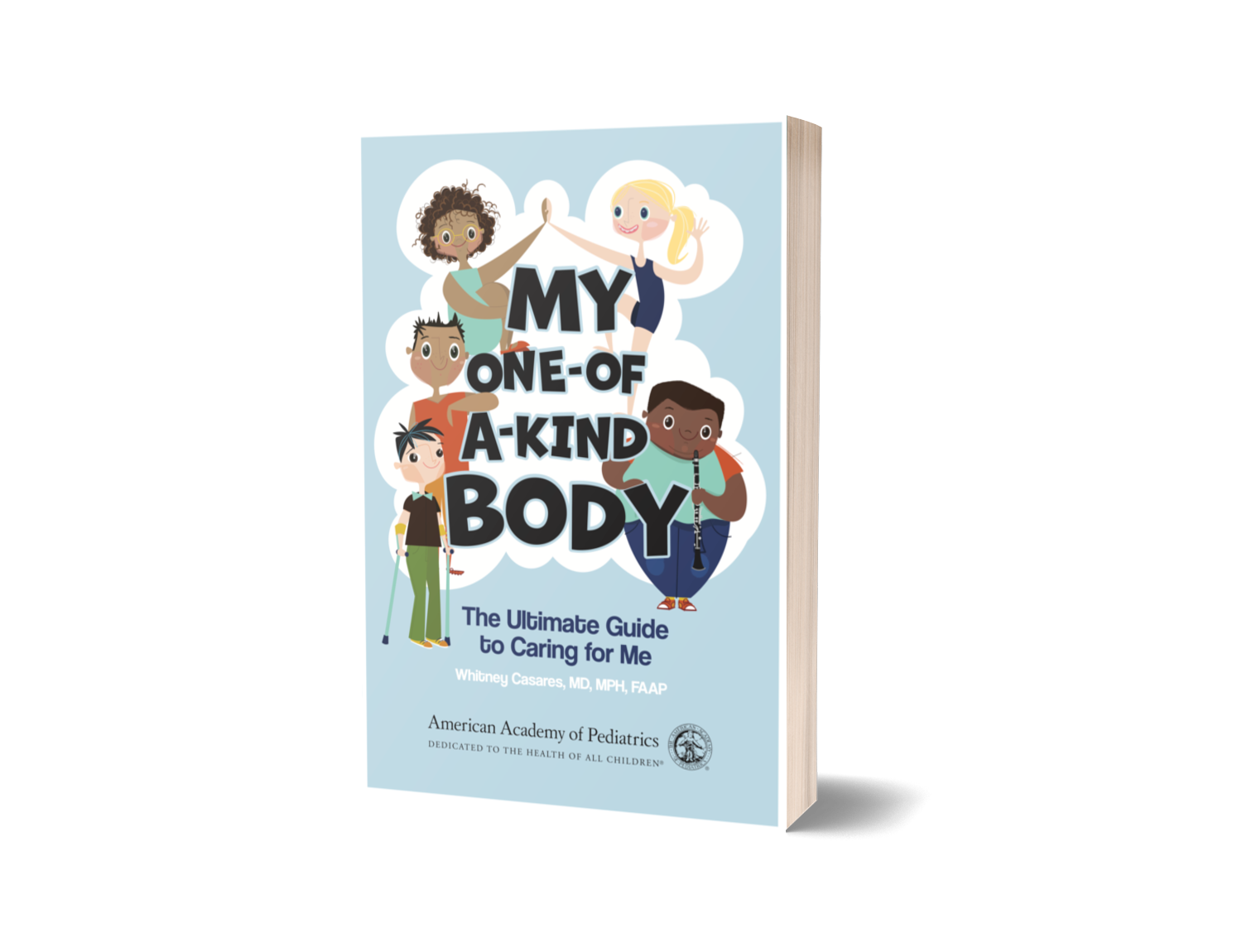
My Kids' Book on Body Confidence is Finally Here!


Wish your partner would do more to lessen your mental load?


Want to make self-care a priority but not sure how to?


SIGN UP FOR SUSTAINABLE SELF-CARE. IT'S FREE. CLICK HERE


FRESH

ON THE PODCAST


By Dr. Whitney December 17, 2025
About the Episode: In this episode, Dr. Whitney sits down with Dr. Jay Gargus and Dave Justus from NeuroQure to discuss the power of early clarity when it comes to autism detection and why earlier intervention can fundamentally change outcomes for childre n and families. Dr. Gargus explains the science behind early behavioral therapies and why their impact goes far beyond short-term skill-building. Research shows that early, evidence-based interventions can lead to measurable, lifelong improvements in IQ, so cial skills, independence, and educational placement, often determining whether a child can thrive in mainstream education or requires ongoing specialized support. The conversation also tackles a critical and often overlooked issue: access. Dave Justus shares the personal motivation behind NeuroQure’s work and explains why the test is being launched at cost, with installment plans and employer subsidies, while the team works toward insurance coverage. The goal is to prevent families from losing precious years waiting for answers. Together, they emphasize a hopeful message for parents: families don’t need to wait for a future “silver bullet.” We already have therapies that work and getting kids connected to them earlier can change the course of a lifetime. In this episode, we discuss: Why early autism detection leads to lifelong changes—not just short-term gains What a 17-point IQ difference actually means for education, independence, and quality of life How early intervention can shift developmental trajectories as early as 6 months The science and validation behind current autism therapies Why NeuroQure is pricing testing at cost while pursuing insurance coverage How early clarity can reduce long-term strain on families, schools, and healthcare systems This episode is a powerful reminder that timing matters and that early access to answers can make an extraordinary difference for children and the families who love them. About Our Guest: Dr. Jay Gargus, MD, PhD is a physician-scientist and nationally recognized expert in neurodevelopmental disorders, with decades of experience researching the biological underpinnings of autism. His work has focused on translating well-established science into meaningful, real-world interventions that can improve lifelong outcomes for children. Dr. Gargus emphasizes that early, evidence-based therapies are already available—and that connecting families to them sooner can fundamentally change developmental trajectories. Dave Justus is a parent and the founder of NeuroQure, whose work is driven by personal experience navigating delayed autism diagnosis and intervention. Motivated by the belief that early clarity can spare families years of uncertainty, Dave is focused on expanding access to early testing through cost-based pricing and ongoing efforts to secure insurance coverage. His mission is simple but powerful: ensure families don’t have to wait for answers that could change everything. Want to Start Raising Body-Confident Kids Today? 📘 Order the Book Order your copy of My One-of-a-Kind Body 👉 www.raisingbodyconfidentkids.com/books 🎁 Claim Your Free Bonus When you order on our site, you’ll also get access to a FREE video mini-course with five bite-sized lessons for parents. In just 25 minutes, you’ll walk away with: Simple, script-style ways to respond when your kid says, “I hate my thighs” How to talk about health without weight talk What to do when your own inner critic shows up How to interrupt diet culture at home The first step to raising a body-confident kid, even if you didn’t grow up as one 📩 Subscribe to The Modern Mommy Doc Podcast for more episodes on parenting with confidence and clarity. Leave a review using the hashtag #ModernMommyDoc.
By Dr. Whitney November 13, 2025
Stop being so busy, and start being more present.