MMD BLOG


CATEGORY:

KIDS, PARENTS

HOPE IN THE TIME OF COVID

 Modern Mommy Doc


PUBLICATION DATE:

September 2, 2020

HOPE IN THE TIME OF COVID

 Modern Mommy Doc

CATEGORY: KIDS, PARENTS

Last week, I met up with a friend for the first time since the pandemic hit. We sat on her back porch, distanced and catching up over poké bowls and rosé. It was one of those rare moments when our husbands had the kids at the same time. There were no distractions, and I was feeling happy and relaxed (definitely due to the sun, not the wine!).

You know those moments when you finally have a second to breathe, and all of a sudden you connect the dots on something you’ve been trying to figure out for ages?


That flash of intuition that just arrives out of nowhere? Yeah, that’s what happened to me.


I had been preoccupied lately with my 6-year-old’s bedtime.


I know bedtimes are a hot topic under normal circumstances, but the stakes are even higher in my daughter’s case.


A consistent bedtime routine has always been key to managing her anxiety. What I couldn’t figure out, though, was how, even with the best sleep hygiene, she is still in sloth mode most of the time. Unless she’s super-motivated, she tires out easily; by the end of a school day or a camp, she’s toast.


But that night everything crystallized for me. I was just about to say, “You know, maybe sleep is a bigger factor than I’ve given it credit for. Maybe we need to see a sleep specialist to improve the quality of her sleep.”


Before I could get it out, though, my friend interjected with, “Yeah, you know your daughter. She just is the way she is. You can try and try, but nothing’s going to change that.”


What?


Her words hit me like a ton of bricks.


I mean, she’s right in a way. All people are “wired” to a certain extent. My daughter comes from a long line of anxious women, and it makes total sense that some of her challenges are simply genetic. You can’t change nature.


But my friend was also wrong. We as modern moms and dads don’t have to give up and just accept what is. You see, as a pediatrician and a mom, I firmly believe that understanding and addressing underlying factors like sleep, nutrition, and stress can make it easier for kids to handle the challenges they face, including the wiring they can’t change. Above all, I believe in hope.


Not the Pollyanna, “everything is going to work out all the time” kind of hope. But a hope rooted in choosing positivity over passivity. We can find ways to learn and grow during adversity or when presented with a specific challenge. Instead of holding our breath and waiting for something bad or uncomfortable to pass, we can find the opening and push for the change we want to see. We can model resilience.


We can also practice emotion-coaching , which is one of the most powerful parenting tips I share with people.


If you’re not familiar with it, let me enlighten you: It’s a process where we acknowledge our feelings as they come up (e.g., “Trying to educate and parent my children all day, every day SUCKS”), validate them (e.g., “That makes sense. Who wouldn’t feel that way?”), and then problem solve (“What do I need to make this better? What’s the first step?”).


You can’t control everything, of course.


As we reconnect with friends over a safe distance of six feet, as we “visit” with grandparents through windows and Internet connections, we are reminded that so much of what we want and how we live is beyond our control right now. And that’s why this kind of proactive positive outlook is exactly what we need now. You can’t control everything, but you can control how you face your days. And your kids are watching.


In my case, I dared to disagree with my friend. My husband and I addressed our daughter’s sleep issues with more intentionality, including a fairy-sleep meditation that even had me dreaming about pixie dust as I dozed off listening to it with her. It didn’t make everything perfect, but Mama, it did make it better. It made it a lot better.


There is hope.


Raising Body-Confident Kids Starts at the Doctor's Office!

START NOW
By Dr. Whitney December 17, 2025
About the Episode: In this episode, Dr. Whitney sits down with Dr. Jay Gargus and Dave Justus from NeuroQure to discuss the power of early clarity when it comes to autism detection and why earlier intervention can fundamentally change outcomes for childre n and families. Dr. Gargus explains the science behind early behavioral therapies and why their impact goes far beyond short-term skill-building. Research shows that early, evidence-based interventions can lead to measurable, lifelong improvements in IQ, so cial skills, independence, and educational placement, often determining whether a child can thrive in mainstream education or requires ongoing specialized support. The conversation also tackles a critical and often overlooked issue: access. Dave Justus shares the personal motivation behind NeuroQure’s work and explains why the test is being launched at cost, with installment plans and employer subsidies, while the team works toward insurance coverage. The goal is to prevent families from losing precious years waiting for answers. Together, they emphasize a hopeful message for parents: families don’t need to wait for a future “silver bullet.” We already have therapies that work and getting kids connected to them earlier can change the course of a lifetime. In this episode, we discuss: Why early autism detection leads to lifelong changes—not just short-term gains What a 17-point IQ difference actually means for education, independence, and quality of life How early intervention can shift developmental trajectories as early as 6 months The science and validation behind current autism therapies Why NeuroQure is pricing testing at cost while pursuing insurance coverage How early clarity can reduce long-term strain on families, schools, and healthcare systems This episode is a powerful reminder that timing matters and that early access to answers can make an extraordinary difference for children and the families who love them. About Our Guest: Dr. Jay Gargus, MD, PhD is a physician-scientist and nationally recognized expert in neurodevelopmental disorders, with decades of experience researching the biological underpinnings of autism. His work has focused on translating well-established science into meaningful, real-world interventions that can improve lifelong outcomes for children. Dr. Gargus emphasizes that early, evidence-based therapies are already available—and that connecting families to them sooner can fundamentally change developmental trajectories. Dave Justus is a parent and the founder of NeuroQure, whose work is driven by personal experience navigating delayed autism diagnosis and intervention. Motivated by the belief that early clarity can spare families years of uncertainty, Dave is focused on expanding access to early testing through cost-based pricing and ongoing efforts to secure insurance coverage. His mission is simple but powerful: ensure families don’t have to wait for answers that could change everything. Want to Start Raising Body-Confident Kids Today? 📘 Order the Book Order your copy of My One-of-a-Kind Body 👉 www.raisingbodyconfidentkids.com/books 🎁 Claim Your Free Bonus When you order on our site, you’ll also get access to a FREE video mini-course with five bite-sized lessons for parents. In just 25 minutes, you’ll walk away with: Simple, script-style ways to respond when your kid says, “I hate my thighs” How to talk about health without weight talk What to do when your own inner critic shows up How to interrupt diet culture at home The first step to raising a body-confident kid, even if you didn’t grow up as one 📩 Subscribe to The Modern Mommy Doc Podcast for more episodes on parenting with confidence and clarity. Leave a review using the hashtag #ModernMommyDoc.
By Dr. Whitney November 13, 2025
Stop being so busy, and start being more present.
By Dr. Whitney November 5, 2025
Starting out right with solids doesn't have to be so scary.
By Dr. Whitney October 29, 2025
What if YOU are the one who needs to calm down first?

Welcome! Get the information you need to win at parenting without losing yourself.

LEARN MORE

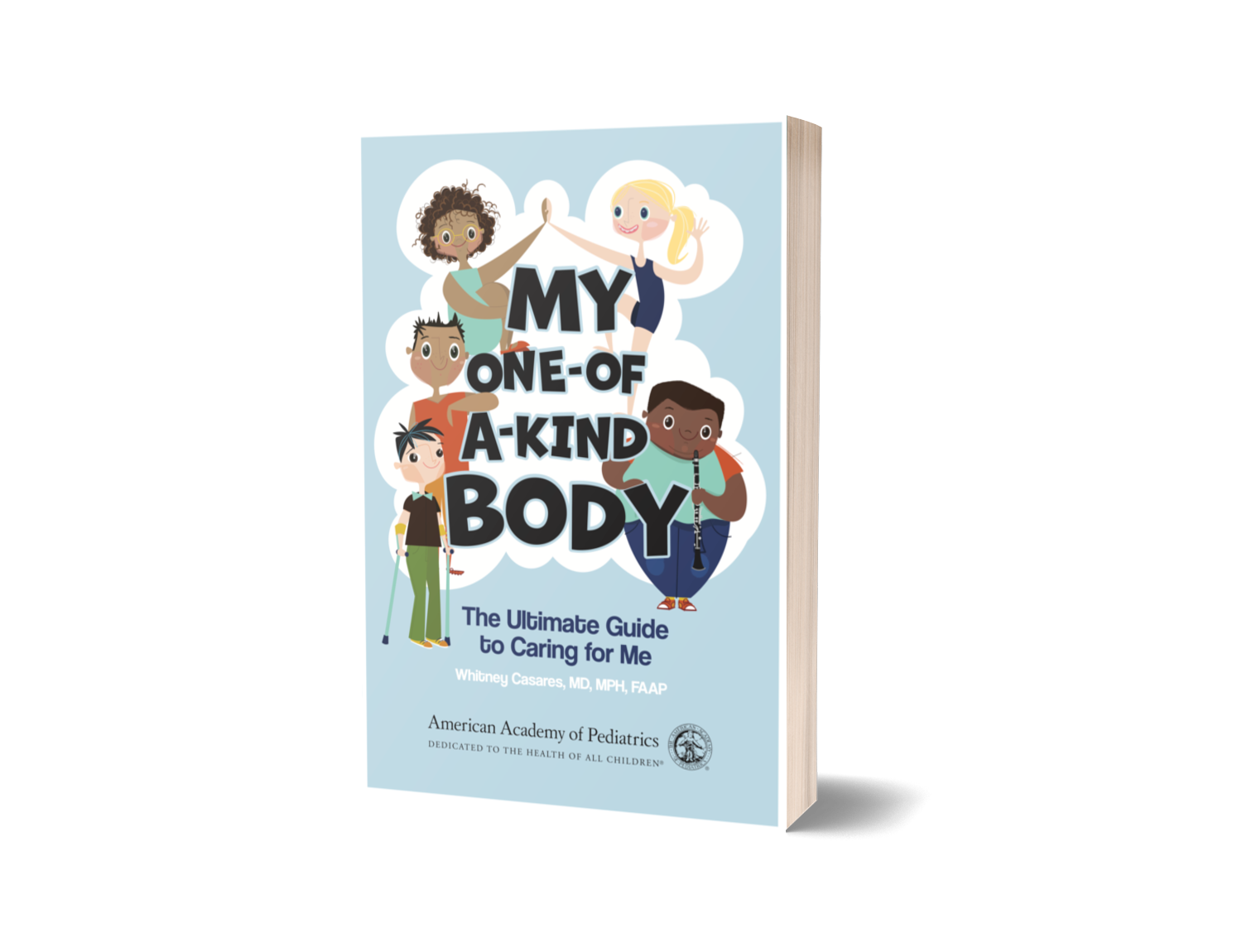
My Kids' Book on Body Confidence is Finally Here!


Wish your partner would do more to lessen your mental load?


Want to make self-care a priority but not sure how to?


SIGN UP FOR SUSTAINABLE SELF-CARE. IT'S FREE. CLICK HERE


FRESH

ON THE PODCAST


By Dr. Whitney December 17, 2025
About the Episode: In this episode, Dr. Whitney sits down with Dr. Jay Gargus and Dave Justus from NeuroQure to discuss the power of early clarity when it comes to autism detection and why earlier intervention can fundamentally change outcomes for childre n and families. Dr. Gargus explains the science behind early behavioral therapies and why their impact goes far beyond short-term skill-building. Research shows that early, evidence-based interventions can lead to measurable, lifelong improvements in IQ, so cial skills, independence, and educational placement, often determining whether a child can thrive in mainstream education or requires ongoing specialized support. The conversation also tackles a critical and often overlooked issue: access. Dave Justus shares the personal motivation behind NeuroQure’s work and explains why the test is being launched at cost, with installment plans and employer subsidies, while the team works toward insurance coverage. The goal is to prevent families from losing precious years waiting for answers. Together, they emphasize a hopeful message for parents: families don’t need to wait for a future “silver bullet.” We already have therapies that work and getting kids connected to them earlier can change the course of a lifetime. In this episode, we discuss: Why early autism detection leads to lifelong changes—not just short-term gains What a 17-point IQ difference actually means for education, independence, and quality of life How early intervention can shift developmental trajectories as early as 6 months The science and validation behind current autism therapies Why NeuroQure is pricing testing at cost while pursuing insurance coverage How early clarity can reduce long-term strain on families, schools, and healthcare systems This episode is a powerful reminder that timing matters and that early access to answers can make an extraordinary difference for children and the families who love them. About Our Guest: Dr. Jay Gargus, MD, PhD is a physician-scientist and nationally recognized expert in neurodevelopmental disorders, with decades of experience researching the biological underpinnings of autism. His work has focused on translating well-established science into meaningful, real-world interventions that can improve lifelong outcomes for children. Dr. Gargus emphasizes that early, evidence-based therapies are already available—and that connecting families to them sooner can fundamentally change developmental trajectories. Dave Justus is a parent and the founder of NeuroQure, whose work is driven by personal experience navigating delayed autism diagnosis and intervention. Motivated by the belief that early clarity can spare families years of uncertainty, Dave is focused on expanding access to early testing through cost-based pricing and ongoing efforts to secure insurance coverage. His mission is simple but powerful: ensure families don’t have to wait for answers that could change everything. Want to Start Raising Body-Confident Kids Today? 📘 Order the Book Order your copy of My One-of-a-Kind Body 👉 www.raisingbodyconfidentkids.com/books 🎁 Claim Your Free Bonus When you order on our site, you’ll also get access to a FREE video mini-course with five bite-sized lessons for parents. In just 25 minutes, you’ll walk away with: Simple, script-style ways to respond when your kid says, “I hate my thighs” How to talk about health without weight talk What to do when your own inner critic shows up How to interrupt diet culture at home The first step to raising a body-confident kid, even if you didn’t grow up as one 📩 Subscribe to The Modern Mommy Doc Podcast for more episodes on parenting with confidence and clarity. Leave a review using the hashtag #ModernMommyDoc.
By Dr. Whitney November 13, 2025
Stop being so busy, and start being more present.