MMD BLOG


CATEGORY:

MENTAL CLUTTER + BURNOUT

HOW MENTAL CLUTTER IS KEEPING YOU STRESSED AND WHAT TO DO ABOUT IT

 Modern Mommy Doc


PUBLICATION DATE:

October 3, 2022

HOW MENTAL CLUTTER IS KEEPING YOU STRESSED AND WHAT TO DO ABOUT IT

 Modern Mommy Doc

CATEGORY: MENTAL CLUTTER + BURNOUT

Have you ever watched that show Hoarders? I don’t even know if it’s on any more, but whenever I’ve watched an episode, it’s one of those “car wreck” situations that I just can’t look away from. People who don’t just have clutter, but whose lives have been ruined by it.


Obviously they pick the worst of the worst–that’s what makes good TV. But there’s a difference between someone’s grandma’s house that has too many glass chachkies and someone who has saved every (dirty) take out box from the last 20 years, right?


And that’s kinda where our mind goes when we think about clutter. To the counters full of papers and dishes. Or the closets stuffed with old clothes. Or the playroom overflowing with toys. And if you’ve been around here for a hot second, you know I’m a huge believer in decluttering your stuff simply as a way to reduce stress in your household (check out my
podcast ep with Allie Casazza to hear some really practical insight on this.)


Less stuff = less choices

Less choices = less overwhelm


But what happens when your clutter isn’t the stuff you see?

It’s not what’s jumbled on your counters, but what’s jumbled in your mind. As much as having a cluttered home can really be a huge source of stress and spiking cortisol levels for moms (seriously, it’s science), I think we don’t talk as much as we need to about mental clutter. 


Mental clutter is when you’ve got too many things, thoughts, or ideas going on in your brain at one time and it causes you to lose focus and clarity, making it really hard to process events and emotions. Can’t remember that person’s name that you’ve met 12 times in the last two months? Have a hard time actually finishing a single task or project without getting pulled (by your own brain) into something else?


That’s mental clutter. 


And it makes being a working mom infinitely harder because it throws a wrench in our productivity, efficiency, and even our mental, emotional, and physical health.


Here are four easy ways you can reduce mental clutter:


Brain Dump:

You know I love a good brain dump! When you’re feeling that overwhelm start to slip in because you have too many things to remember or get done, get it all down on paper. There’s something magical (and scientific!) that happens when you can actually see all the things you’re thinking or worrying about. 


If you just leave it in your mind, it leaves room to be forgotten or for it to live in the land of overwhelm. When you get it written down, it becomes concrete. You can assign it a time that you know it’s going to get done and your brain automatically feels that burden lifted–even without you having actually accomplished it yet!


Turn off your notifications:

This is one of the most freeing things you can do. When you have so much input coming at you all day long from that tiny screen, it only makes sense that finishing projects is difficult. BingBingBingBing. No one can concentrate when that’s going on. PLUS, it’s training your brain to want that dopamine hit that you get when you see your screen light up (again, totally science!)


You’ve gotta break that habit and teach your brain that it can focus for longer stretches without getting distracted. Turn off the notifications from all the apps that you don’t absolutely need. On the iphone, you even can set different levels of focus and choose which apps you want to hear from. For example, on my “work focus,” I have it set that I only get texts and calls from my husband and calls from girls’ school. 


And that’s it. No other apps, nothing. BEST THING EVER.


Journal/Meditate:

These two go hand in hand. It really doesn’t matter which you choose, you just need to give your brain silent space to do nothing. Not scroll your phone, not read a book, not watch a show. Silent space to do nothing. And if you want to keep a notebook next to you in case anything comes up that you need to journal through, go for it!


Create a solid morning/evening routine:

I do have an episode about why I don’t think everyone should have a morning routine in the traditional sense, but hear me out. There is something to be said for having a routine that opens and closes your day. That allows you to incorporate things like mediation, brain dumps for the next day, etc. So it doesn’t have to be something that starts your day off at 5am every morning (no thanks), but when you give you mind space to get prepped for the day ahead, you’ll have so much more freedom once you start getting into work.


Because then you’ll know what’s really important for that day and what you can let slide.


Need help really nailing down what those center points are in your life? The things that anchor you when everything feels wonky? Check out our 14 guided lessons in the
Modern Mamas club app that take you from Conflicted to Centered.


Raising Body-Confident Kids Starts at the Doctor's Office!

START NOW
By Dr. Whitney December 17, 2025
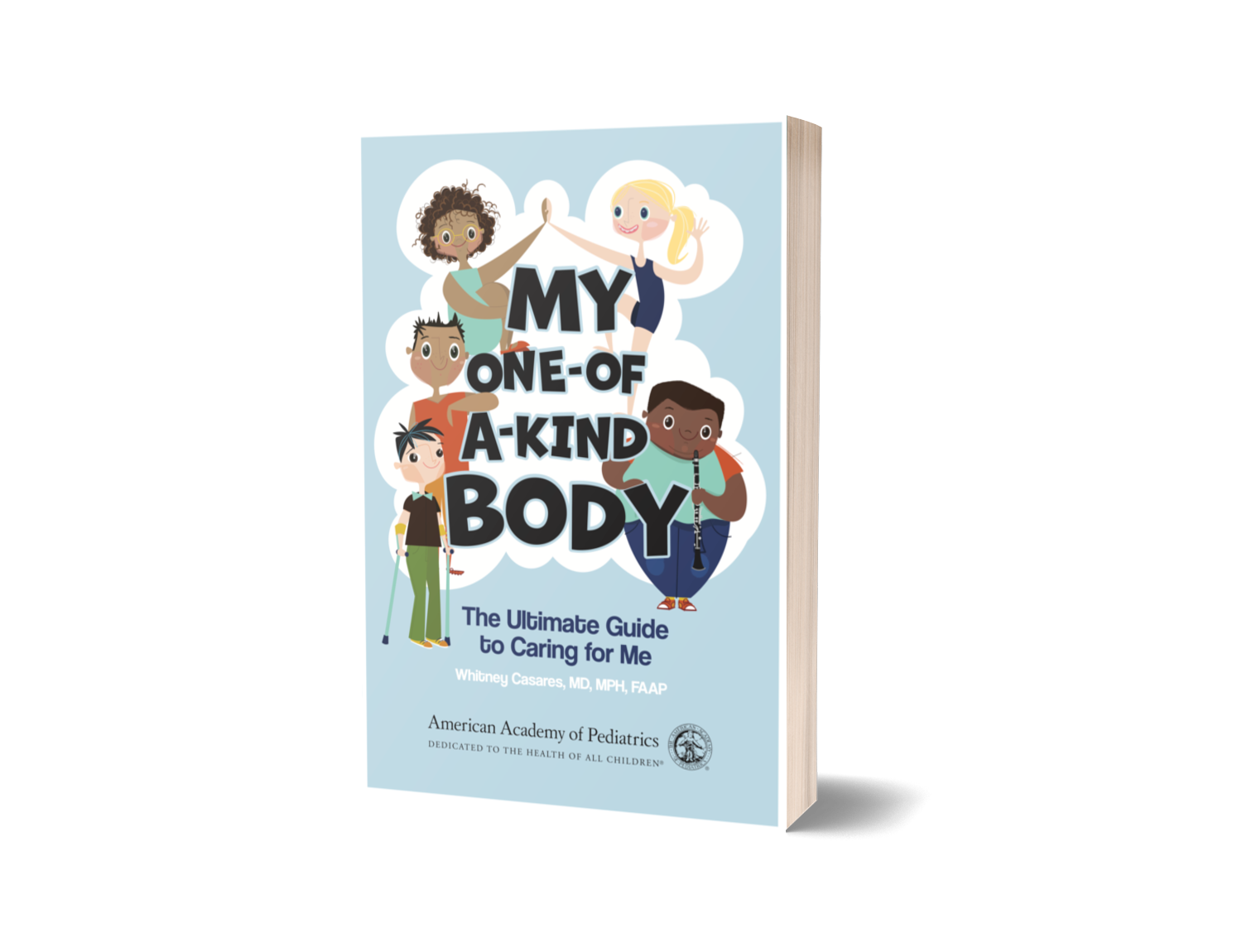
About the Episode: In this episode, Dr. Whitney sits down with Dr. Jay Gargus and Dave Justus from NeuroQure to discuss the power of early clarity when it comes to autism detection and why earlier intervention can fundamentally change outcomes for childre n and families. Dr. Gargus explains the science behind early behavioral therapies and why their impact goes far beyond short-term skill-building. Research shows that early, evidence-based interventions can lead to measurable, lifelong improvements in IQ, so cial skills, independence, and educational placement, often determining whether a child can thrive in mainstream education or requires ongoing specialized support. The conversation also tackles a critical and often overlooked issue: access. Dave Justus shares the personal motivation behind NeuroQure’s work and explains why the test is being launched at cost, with installment plans and employer subsidies, while the team works toward insurance coverage. The goal is to prevent families from losing precious years waiting for answers. Together, they emphasize a hopeful message for parents: families don’t need to wait for a future “silver bullet.” We already have therapies that work and getting kids connected to them earlier can change the course of a lifetime. In this episode, we discuss: Why early autism detection leads to lifelong changes—not just short-term gains What a 17-point IQ difference actually means for education, independence, and quality of life How early intervention can shift developmental trajectories as early as 6 months The science and validation behind current autism therapies Why NeuroQure is pricing testing at cost while pursuing insurance coverage How early clarity can reduce long-term strain on families, schools, and healthcare systems This episode is a powerful reminder that timing matters and that early access to answers can make an extraordinary difference for children and the families who love them. About Our Guest: Dr. Jay Gargus, MD, PhD is a physician-scientist and nationally recognized expert in neurodevelopmental disorders, with decades of experience researching the biological underpinnings of autism. His work has focused on translating well-established science into meaningful, real-world interventions that can improve lifelong outcomes for children. Dr. Gargus emphasizes that early, evidence-based therapies are already available—and that connecting families to them sooner can fundamentally change developmental trajectories. Dave Justus is a parent and the founder of NeuroQure, whose work is driven by personal experience navigating delayed autism diagnosis and intervention. Motivated by the belief that early clarity can spare families years of uncertainty, Dave is focused on expanding access to early testing through cost-based pricing and ongoing efforts to secure insurance coverage. His mission is simple but powerful: ensure families don’t have to wait for answers that could change everything. Want to Start Raising Body-Confident Kids Today? 📘 Order the Book Order your copy of My One-of-a-Kind Body 👉 www.raisingbodyconfidentkids.com/books 🎁 Claim Your Free Bonus When you order on our site, you’ll also get access to a FREE video mini-course with five bite-sized lessons for parents. In just 25 minutes, you’ll walk away with: Simple, script-style ways to respond when your kid says, “I hate my thighs” How to talk about health without weight talk What to do when your own inner critic shows up How to interrupt diet culture at home The first step to raising a body-confident kid, even if you didn’t grow up as one 📩 Subscribe to The Modern Mommy Doc Podcast for more episodes on parenting with confidence and clarity. Leave a review using the hashtag #ModernMommyDoc.
By Dr. Whitney November 13, 2025
Stop being so busy, and start being more present.
By Dr. Whitney November 5, 2025
Starting out right with solids doesn't have to be so scary.
By Dr. Whitney October 29, 2025
What if YOU are the one who needs to calm down first?

Welcome! Get the information you need to win at parenting without losing yourself.

LEARN MORE

My Kids' Book on Body Confidence is Finally Here!


Wish your partner would do more to lessen your mental load?


Want to make self-care a priority but not sure how to?


SIGN UP FOR SUSTAINABLE SELF-CARE. IT'S FREE. CLICK HERE


FRESH

ON THE PODCAST


By Dr. Whitney December 17, 2025
About the Episode: In this episode, Dr. Whitney sits down with Dr. Jay Gargus and Dave Justus from NeuroQure to discuss the power of early clarity when it comes to autism detection and why earlier intervention can fundamentally change outcomes for childre n and families. Dr. Gargus explains the science behind early behavioral therapies and why their impact goes far beyond short-term skill-building. Research shows that early, evidence-based interventions can lead to measurable, lifelong improvements in IQ, so cial skills, independence, and educational placement, often determining whether a child can thrive in mainstream education or requires ongoing specialized support. The conversation also tackles a critical and often overlooked issue: access. Dave Justus shares the personal motivation behind NeuroQure’s work and explains why the test is being launched at cost, with installment plans and employer subsidies, while the team works toward insurance coverage. The goal is to prevent families from losing precious years waiting for answers. Together, they emphasize a hopeful message for parents: families don’t need to wait for a future “silver bullet.” We already have therapies that work and getting kids connected to them earlier can change the course of a lifetime. In this episode, we discuss: Why early autism detection leads to lifelong changes—not just short-term gains What a 17-point IQ difference actually means for education, independence, and quality of life How early intervention can shift developmental trajectories as early as 6 months The science and validation behind current autism therapies Why NeuroQure is pricing testing at cost while pursuing insurance coverage How early clarity can reduce long-term strain on families, schools, and healthcare systems This episode is a powerful reminder that timing matters and that early access to answers can make an extraordinary difference for children and the families who love them. About Our Guest: Dr. Jay Gargus, MD, PhD is a physician-scientist and nationally recognized expert in neurodevelopmental disorders, with decades of experience researching the biological underpinnings of autism. His work has focused on translating well-established science into meaningful, real-world interventions that can improve lifelong outcomes for children. Dr. Gargus emphasizes that early, evidence-based therapies are already available—and that connecting families to them sooner can fundamentally change developmental trajectories. Dave Justus is a parent and the founder of NeuroQure, whose work is driven by personal experience navigating delayed autism diagnosis and intervention. Motivated by the belief that early clarity can spare families years of uncertainty, Dave is focused on expanding access to early testing through cost-based pricing and ongoing efforts to secure insurance coverage. His mission is simple but powerful: ensure families don’t have to wait for answers that could change everything. Want to Start Raising Body-Confident Kids Today? 📘 Order the Book Order your copy of My One-of-a-Kind Body 👉 www.raisingbodyconfidentkids.com/books 🎁 Claim Your Free Bonus When you order on our site, you’ll also get access to a FREE video mini-course with five bite-sized lessons for parents. In just 25 minutes, you’ll walk away with: Simple, script-style ways to respond when your kid says, “I hate my thighs” How to talk about health without weight talk What to do when your own inner critic shows up How to interrupt diet culture at home The first step to raising a body-confident kid, even if you didn’t grow up as one 📩 Subscribe to The Modern Mommy Doc Podcast for more episodes on parenting with confidence and clarity. Leave a review using the hashtag #ModernMommyDoc.
By Dr. Whitney November 13, 2025
Stop being so busy, and start being more present.