MMD BLOG


CATEGORY:

PODCAST EPISODES | #104

HOW MINDFULNESS CAN TRANSFORM MOTHERHOOD WITH TERRA LAROCK

 Modern Mommy Doc


PUBLICATION DATE:

June 23, 2022

HOW MINDFULNESS CAN TRANSFORM MOTHERHOOD WITH TERRA LAROCK

 Modern Mommy Doc

CATEGORY: PODCAST EPISODES | #104


Every mom has a different journey in motherhood, which can often feel isolating. But one of the biggest ways to combat that is by being a part of a community. Dr. Whitney talks to founder and CEO of Mindful Mamas Terra LaRock to discuss the “why” behind the community and educational platform she created for moms learning to take back their motherhood through mindfulness and meditation.


Key takeaways:


Terra LaRock is the founder and CEO of Mindful Mamas and is an educational specialist in child, school, and family psychology. 


Dr. Whitney: Tell us about the journey you went on and the gap you saw that needed to be filled that led you to create Modern Mamas.


Terra: When I became a mom, I was a full-time school psychologist in the public sector, so I was working with other families navigating IEPs for their special needs children looking to thrive in the education system. Mindfulness and meditation were always therapeutic educational approaches that I loved because I felt like I could do it with the little kiddos and it didn’t rely on outside support from their provider or teachers. It was so personal to them and could take that skill with them throughout their day. 


But as much as I was using it in my professional setting, I wasn’t using it at home for myself. And when I became a mom, I was quickly overwhelmed with how many things I was having to be “new” at and skills I had to learn. Breastfeeding, sleeping, communicating my needs. All things I had to learn. And what we’ve heard from women in our Mindful Mamas community is that knowing that you’re not the only one going through that same experience is so helpful to get out of the hard moment and to the next day. And it helps to know you don’t have to be passive and just accept that the way you’re feeling will always be the way that it is.


I distinctly remember a night where things shifted for me. I was rocking my daughter in the middle of the night and looking around her room at all the things I bought that I thought were going to help me be a good mom: a swaddler, noise machine, a glider…and none of those were helping me in that moment. All I had was my breath and my self-talk (which was not great) and if I couldn’t learn how to understand the storm that was inside myself, I was never going to navigate the storm I was experiencing with my daughter and my sleepless nights. And I remind myself of that moment daily to continually tell myself that I HAVE to take care of myself.


And postpartum for me came with anxiety, depression, intrusive thoughts, and negative self-talk. It was too much for me to try to navigate the stressful situations of the families I was trying to help alongside the thoughts inside my own mind. My nervous system could not handle it and it came with a lot of shame. I was a mental health practitioner experiencing my own mental health crisis and I felt so guilty that I couldn’t figure it out on my own with all the tools I had at my disposal. 


I was even afraid I was going to lose my license. So I stayed silent for about 8 months before I told anyone about how I was feeling. And I’m forever grateful that when I DID start talking about it, it was taken seriously and I was able to get professional help. But it was breaking my heart thinking about other mamas that couldn't get the help they needed. And that’s how it got started.

Dr. Whitney: So after this experience, you started working on yourself. You started doing the breath work and all the internal things. And then what happened?


Terra: I was realizing that mindfulness and meditation was just so underutilized for moms. We want to just multitask and always be busy. So I took a really big deep dive into mindfulness, specifically for medical providers to prevent burn out. And I learned just how uncomfortable I was with stillness! But as I kept trying, it got easier. I didn’t like it, but I did it. And I was able to take in details in micro moments that actually gave me beauty and meaning in my life. And I developed a lot of emotional awareness and self-compassion. But was only able to do that because I sat in the discomfort, sorted through my thoughts, and learned that my thoughts are not always truth tellers–I don’t always have to believe what I think.


Dr. Whitney: Let’s talk about this idea that you, as a professional in meditation, paid someone else to walk you through the process of meditating and being mindful. Because I think that a lot of women carry shame that they can’t slow down on their own. That they would need someone or something like an app to help them to do something relatively simple. But you needed that to start the process for you and, even then, it was difficult.


Terra: Mothers need mothers. Doctors need doctors. Teachers need teachers. People need people. We are always in that circle of life where we’re the teacher and the student and when it comes to mindfulness and meditation, we’re going to need reminders. We need that reminder to come back to our center. We need that reminder that if your mind is busy, that’s okay. That reminder that what you’re feeling is really normal. Those reminders are usually enough to keep you pushing through and to keep going. They tell you that there’s someone else who’s been through what you’re feeling and they believe in you. It creates accountability in our community!


And the cool thing about any emotional regulation technique is that you don’t have to master all of them out there. You only have to master the one or two that are helpful to you. And with moms, we’re so busy. I’m not expecting them to sit in quiet for 20 minutes. That’s unrealistic. But they can take these skills they’ve learned and apply them in their daily lives. Taking a breath before you go into the grocery store. Looking into your kiddos eyes when they talk to you. Noticing things around you. Creating those micro moments instead of going through your entire day on autopilot.


Dr. Whitney: We have SO much pulling for our attention right now, especially as women. It makes sense that the hardest thing for us to learn is to sit, pause, and be still.


Terra: We are primed for distraction. Our brains love when we’re distracted–it gets us that hit of dopamine. And we’re more primed to notice the threats and danger in our life than to see the beauty as well. So just knowing that about ourselves is a step in the right direction. We’re able to be aware, but then make the choice to pause and the choice to notice good. And that choice allows us to make different choices bringing different outcomes–which range from tiny changes to monumental things!


Dr. Whitney: How can people get in touch with you or start their mindfulness journey with you?


Terra: You can download our app Mindful Mamas app in the Apple app store and in the Google Play store. We’re on instagram at @mindfulmamasclub.


Hey mama!

We'd love to hear from you, Mama! Do you listen each week? Leave a review or share a screenshot of your favorite episode(s) on social. Be sure to tag @modernmommydoc so we can see how much you're loving the podcast!

Raising Body-Confident Kids Starts at the Doctor's Office!

START NOW
By Dr. Whitney December 17, 2025
About the Episode: In this episode, Dr. Whitney sits down with Dr. Jay Gargus and Dave Justus from NeuroQure to discuss the power of early clarity when it comes to autism detection and why earlier intervention can fundamentally change outcomes for childre n and families. Dr. Gargus explains the science behind early behavioral therapies and why their impact goes far beyond short-term skill-building. Research shows that early, evidence-based interventions can lead to measurable, lifelong improvements in IQ, so cial skills, independence, and educational placement, often determining whether a child can thrive in mainstream education or requires ongoing specialized support. The conversation also tackles a critical and often overlooked issue: access. Dave Justus shares the personal motivation behind NeuroQure’s work and explains why the test is being launched at cost, with installment plans and employer subsidies, while the team works toward insurance coverage. The goal is to prevent families from losing precious years waiting for answers. Together, they emphasize a hopeful message for parents: families don’t need to wait for a future “silver bullet.” We already have therapies that work and getting kids connected to them earlier can change the course of a lifetime. In this episode, we discuss: Why early autism detection leads to lifelong changes—not just short-term gains What a 17-point IQ difference actually means for education, independence, and quality of life How early intervention can shift developmental trajectories as early as 6 months The science and validation behind current autism therapies Why NeuroQure is pricing testing at cost while pursuing insurance coverage How early clarity can reduce long-term strain on families, schools, and healthcare systems This episode is a powerful reminder that timing matters and that early access to answers can make an extraordinary difference for children and the families who love them. About Our Guest: Dr. Jay Gargus, MD, PhD is a physician-scientist and nationally recognized expert in neurodevelopmental disorders, with decades of experience researching the biological underpinnings of autism. His work has focused on translating well-established science into meaningful, real-world interventions that can improve lifelong outcomes for children. Dr. Gargus emphasizes that early, evidence-based therapies are already available—and that connecting families to them sooner can fundamentally change developmental trajectories. Dave Justus is a parent and the founder of NeuroQure, whose work is driven by personal experience navigating delayed autism diagnosis and intervention. Motivated by the belief that early clarity can spare families years of uncertainty, Dave is focused on expanding access to early testing through cost-based pricing and ongoing efforts to secure insurance coverage. His mission is simple but powerful: ensure families don’t have to wait for answers that could change everything. Want to Start Raising Body-Confident Kids Today? 📘 Order the Book Order your copy of My One-of-a-Kind Body 👉 www.raisingbodyconfidentkids.com/books 🎁 Claim Your Free Bonus When you order on our site, you’ll also get access to a FREE video mini-course with five bite-sized lessons for parents. In just 25 minutes, you’ll walk away with: Simple, script-style ways to respond when your kid says, “I hate my thighs” How to talk about health without weight talk What to do when your own inner critic shows up How to interrupt diet culture at home The first step to raising a body-confident kid, even if you didn’t grow up as one 📩 Subscribe to The Modern Mommy Doc Podcast for more episodes on parenting with confidence and clarity. Leave a review using the hashtag #ModernMommyDoc.
By Dr. Whitney November 13, 2025
Stop being so busy, and start being more present.
By Dr. Whitney November 5, 2025
Starting out right with solids doesn't have to be so scary.
By Dr. Whitney October 29, 2025
What if YOU are the one who needs to calm down first?

Welcome! Get the information you need to win at parenting without losing yourself.

LEARN MORE

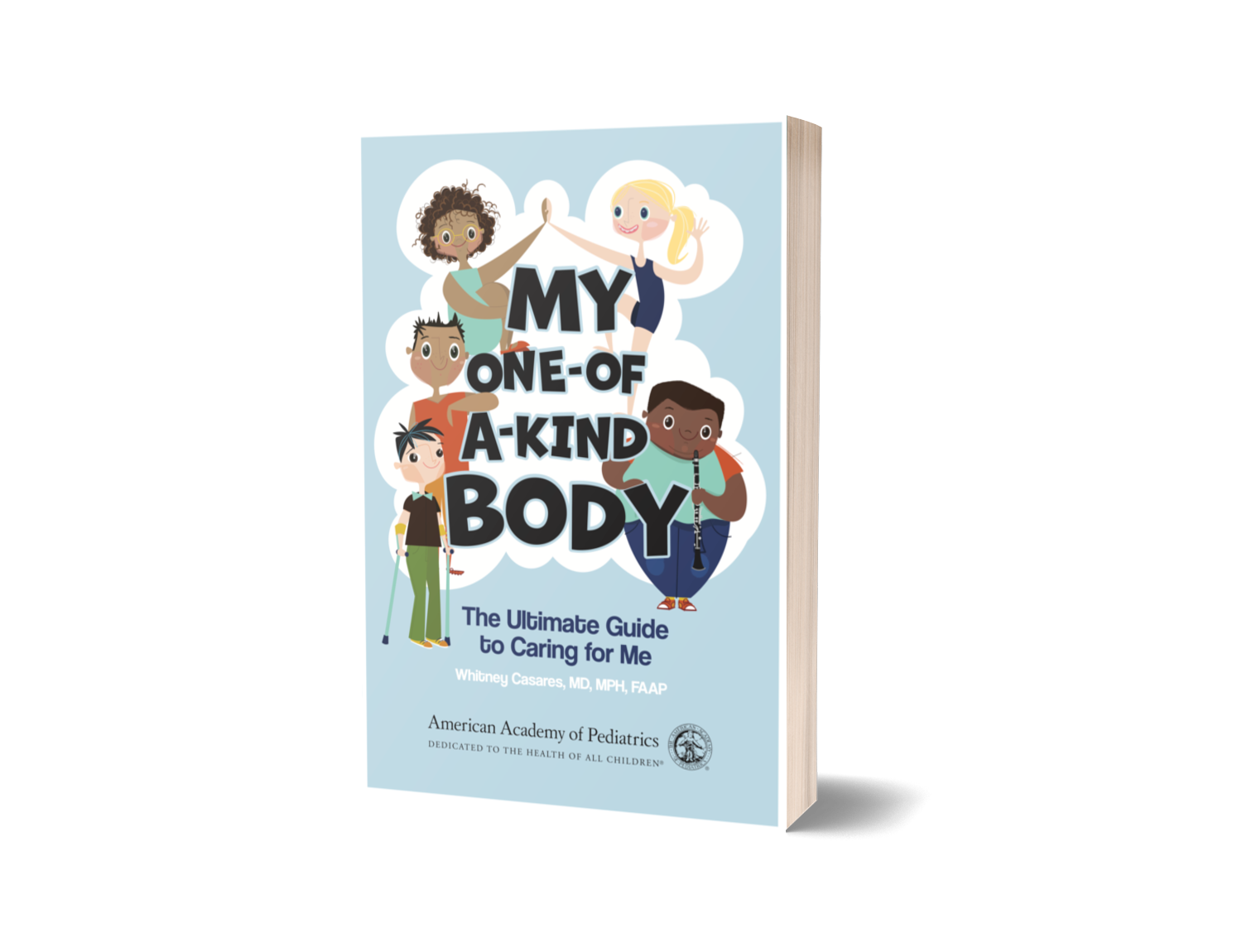
My Kids' Book on Body Confidence is Finally Here!


Wish your partner would do more to lessen your mental load?


Want to make self-care a priority but not sure how to?


SIGN UP FOR SUSTAINABLE SELF-CARE. IT'S FREE. CLICK HERE


FRESH

ON THE PODCAST


By Dr. Whitney December 17, 2025
About the Episode: In this episode, Dr. Whitney sits down with Dr. Jay Gargus and Dave Justus from NeuroQure to discuss the power of early clarity when it comes to autism detection and why earlier intervention can fundamentally change outcomes for childre n and families. Dr. Gargus explains the science behind early behavioral therapies and why their impact goes far beyond short-term skill-building. Research shows that early, evidence-based interventions can lead to measurable, lifelong improvements in IQ, so cial skills, independence, and educational placement, often determining whether a child can thrive in mainstream education or requires ongoing specialized support. The conversation also tackles a critical and often overlooked issue: access. Dave Justus shares the personal motivation behind NeuroQure’s work and explains why the test is being launched at cost, with installment plans and employer subsidies, while the team works toward insurance coverage. The goal is to prevent families from losing precious years waiting for answers. Together, they emphasize a hopeful message for parents: families don’t need to wait for a future “silver bullet.” We already have therapies that work and getting kids connected to them earlier can change the course of a lifetime. In this episode, we discuss: Why early autism detection leads to lifelong changes—not just short-term gains What a 17-point IQ difference actually means for education, independence, and quality of life How early intervention can shift developmental trajectories as early as 6 months The science and validation behind current autism therapies Why NeuroQure is pricing testing at cost while pursuing insurance coverage How early clarity can reduce long-term strain on families, schools, and healthcare systems This episode is a powerful reminder that timing matters and that early access to answers can make an extraordinary difference for children and the families who love them. About Our Guest: Dr. Jay Gargus, MD, PhD is a physician-scientist and nationally recognized expert in neurodevelopmental disorders, with decades of experience researching the biological underpinnings of autism. His work has focused on translating well-established science into meaningful, real-world interventions that can improve lifelong outcomes for children. Dr. Gargus emphasizes that early, evidence-based therapies are already available—and that connecting families to them sooner can fundamentally change developmental trajectories. Dave Justus is a parent and the founder of NeuroQure, whose work is driven by personal experience navigating delayed autism diagnosis and intervention. Motivated by the belief that early clarity can spare families years of uncertainty, Dave is focused on expanding access to early testing through cost-based pricing and ongoing efforts to secure insurance coverage. His mission is simple but powerful: ensure families don’t have to wait for answers that could change everything. Want to Start Raising Body-Confident Kids Today? 📘 Order the Book Order your copy of My One-of-a-Kind Body 👉 www.raisingbodyconfidentkids.com/books 🎁 Claim Your Free Bonus When you order on our site, you’ll also get access to a FREE video mini-course with five bite-sized lessons for parents. In just 25 minutes, you’ll walk away with: Simple, script-style ways to respond when your kid says, “I hate my thighs” How to talk about health without weight talk What to do when your own inner critic shows up How to interrupt diet culture at home The first step to raising a body-confident kid, even if you didn’t grow up as one 📩 Subscribe to The Modern Mommy Doc Podcast for more episodes on parenting with confidence and clarity. Leave a review using the hashtag #ModernMommyDoc.
By Dr. Whitney November 13, 2025
Stop being so busy, and start being more present.