MMD BLOG


CATEGORY:

FAMILY + KIDS

MODERN MOTHERHOOD TOOLS | HOW TO GIVE YOUR KIDS THE SPACE THEY NEED TO BE NEEDY

 Modern Mommy Doc


PUBLICATION DATE:

September 15, 2019

MODERN MOTHERHOOD TOOLS | HOW TO GIVE YOUR KIDS THE SPACE THEY NEED TO BE NEEDY

 Modern Mommy Doc

CATEGORY: FAMILY + KIDS

My youngest daughter built quite the reputation for going with the flow over her first three years of life. She's not needy.


On a 72-hour whirlwind holiday trip to my in-laws last Thanksgiving, she, literally, was just along for the ride, sitting happily in the back seat as her older sister dealt unsuccessfully with hours of stationary boredom. As a baby, she easily slept through the night and barely cried when her diapers were stinky. As a young toddler, she was cheerful and funny, always holding our attention with her lighthearted antics and roll with the punches attitude.


She also kept it together as my husband and I dealt with her older sister’s needs.


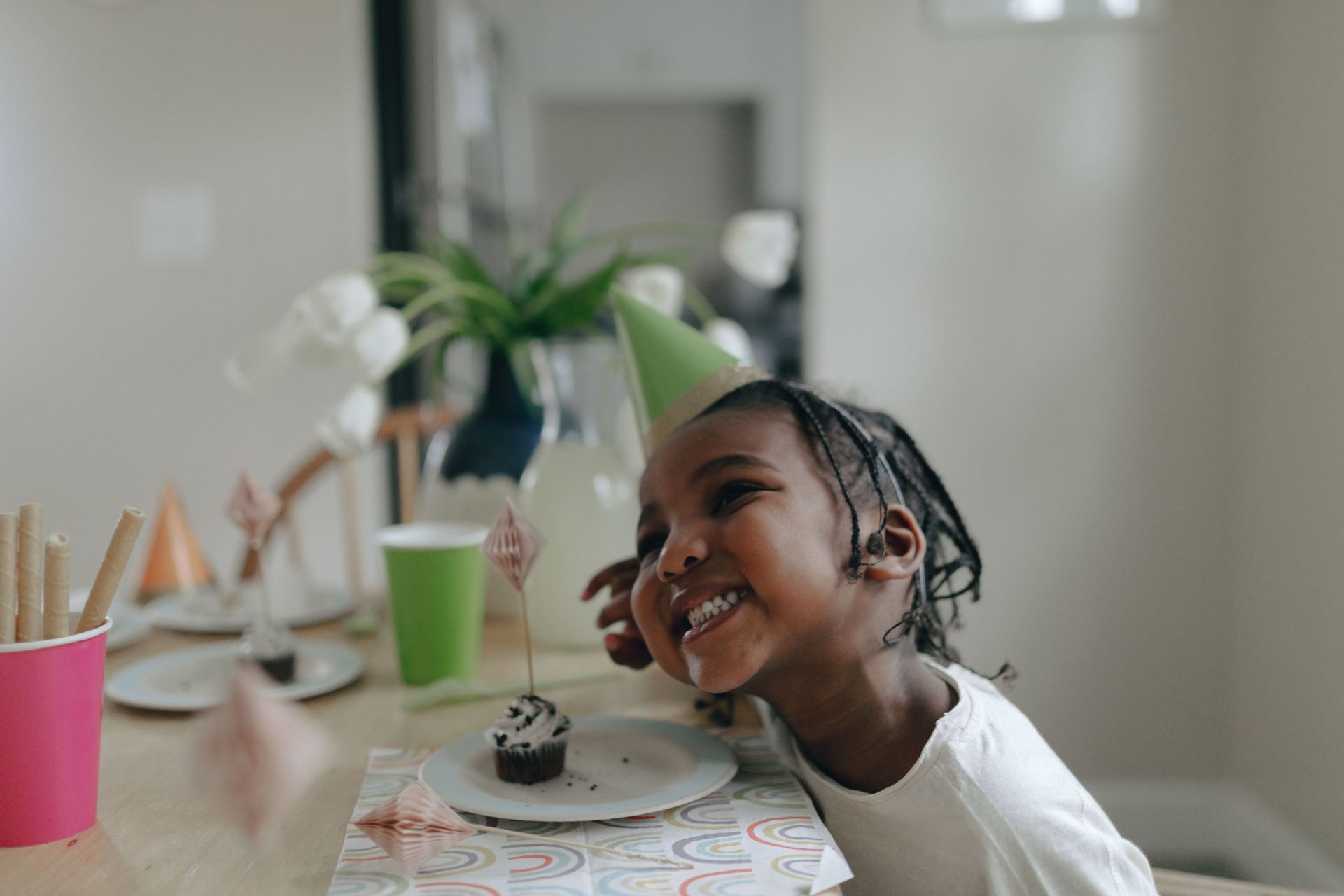
My eldest struggles with severe anxiety—for much of her young life it kept her from enjoying a lot of her childhood. Potty training, starting school, meeting new friends—even being at her own birthday parties—was always a lot of hard work for her and for us.


Something changed last month, though. We finally made some progress on the behavioral health front with the help of a skilled psychiatrist. She was suddenly less needy.


The breakthrough felt like heaven. My husband and I looked at each other, tears welling up in our eyes, as we remarked how different it was to be around our little girl. She was singing in the bath, happy to attend gymnastics class, excited to meet the mascot at the baseball game. We were having more fun as a family and life was a lot easier.


“Who is this kid?” My husband asked.


“It’s your daughter as her true self,” I found myself responding, flabbergasted myself.


Then something else happened. As soon as my older daughter got out of fight or flight mode, and started acting more like herself, my younger daughter started acting up.


Drama replaced drama.


At first, I chalked it up to her age. She is just barely three after all and, like every other threenager I know, suddenly has opinions everything, from demanding rainbow over fairy rain boots to choosing only the red vegetables on her plate for a full nine weeks.


Then, I thought maybe she was nervous to start preschool after years of one-on-one care with a nanny. It made sense anticipating a new environment might be causing her to be more demanding and unpredictable.


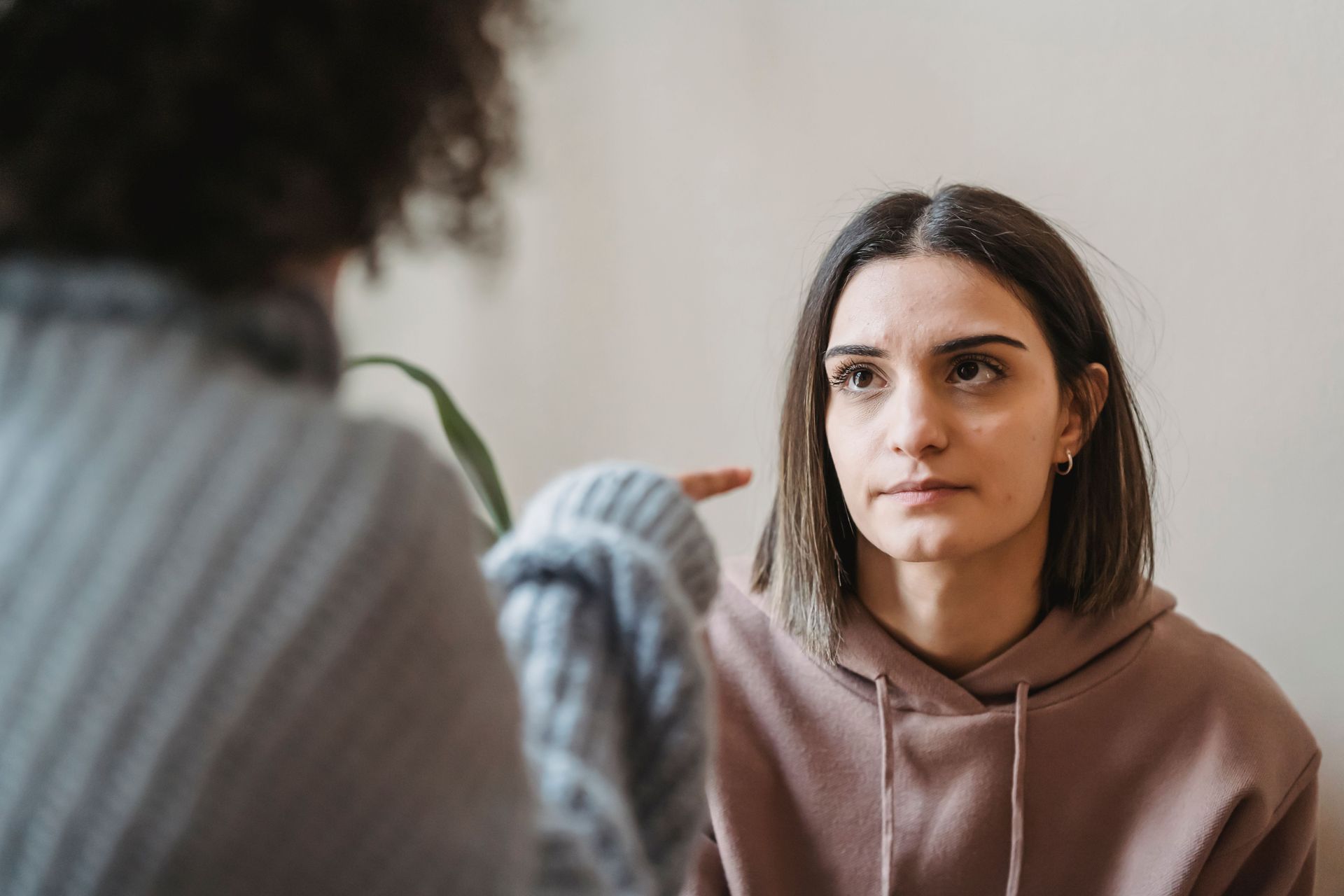
My husband and I talked about it with our couples therapist.


“Man, sometimes it feels like when one thing gets better, another thing just gets harder in its place,” I said.


She nodded, obviously thinking things through before she responded.


“You know, it’s funny. In family therapy, sometimes we talk about how there’s only so much space in a relationship or in a family. Maybe your daughter isn’t acting out, she’s just finally taking up some space now that there’s a little more to go around.”


My jaw almost hit the floor. You know when someone drops mind-blowing knowledge on you at exactly at the right moment for you to actually be able to receive it and accept it? That’s what happened to me.


In that split second, I saw how my sweet, go with the flow little baby had not been easy going ONLY because she was born that way. She had been easy going in part because she HAD to be.


The role was assigned to her. She had somehow subconsciously realized there wasn’t enough space for her to be super needy. She sensed that her sister was taking up a lot of the emotional space in our family. Now that there was more room, she was flexing her high-maintenance muscles just a little bit.


The therapist’s words could have made me feel guilty for not being able to give my kids equal attention at all times in the past, but they didn’t. In my heart, I knew it wasn’t lack of love or care that created our family dynamic. You focus your attention where you’re needed most, and when the thing that needs you most is your sobbing, worried, struggling child, you focus if there. You try your best with everything else.


No, the therapists’ words brought relief and deep gratitude. This was an opportunity. While I’d immediately seen my older daughter’s freedom from severe anxiety as a huge gift, I now also saw I had another gift — the gift to BE ABLE to focus more on my littlest one.


I had the gift of giving her the space she needed to be needy.


We can’t love our kids exactly equally and we definitely can’t love them perfectly. We can, though, look for the times when they really need us to let them take up a little more room in our schedules or on the balance scales as we determine where to put our energy and focus. We can also pay attention when others are able to see even more clearly into our lives, giving us the perspective that sometimes only an outsider can provide.

Raising Body-Confident Kids Starts at the Doctor's Office!

START NOW
By Modern Mommy Doc • October 9, 2026
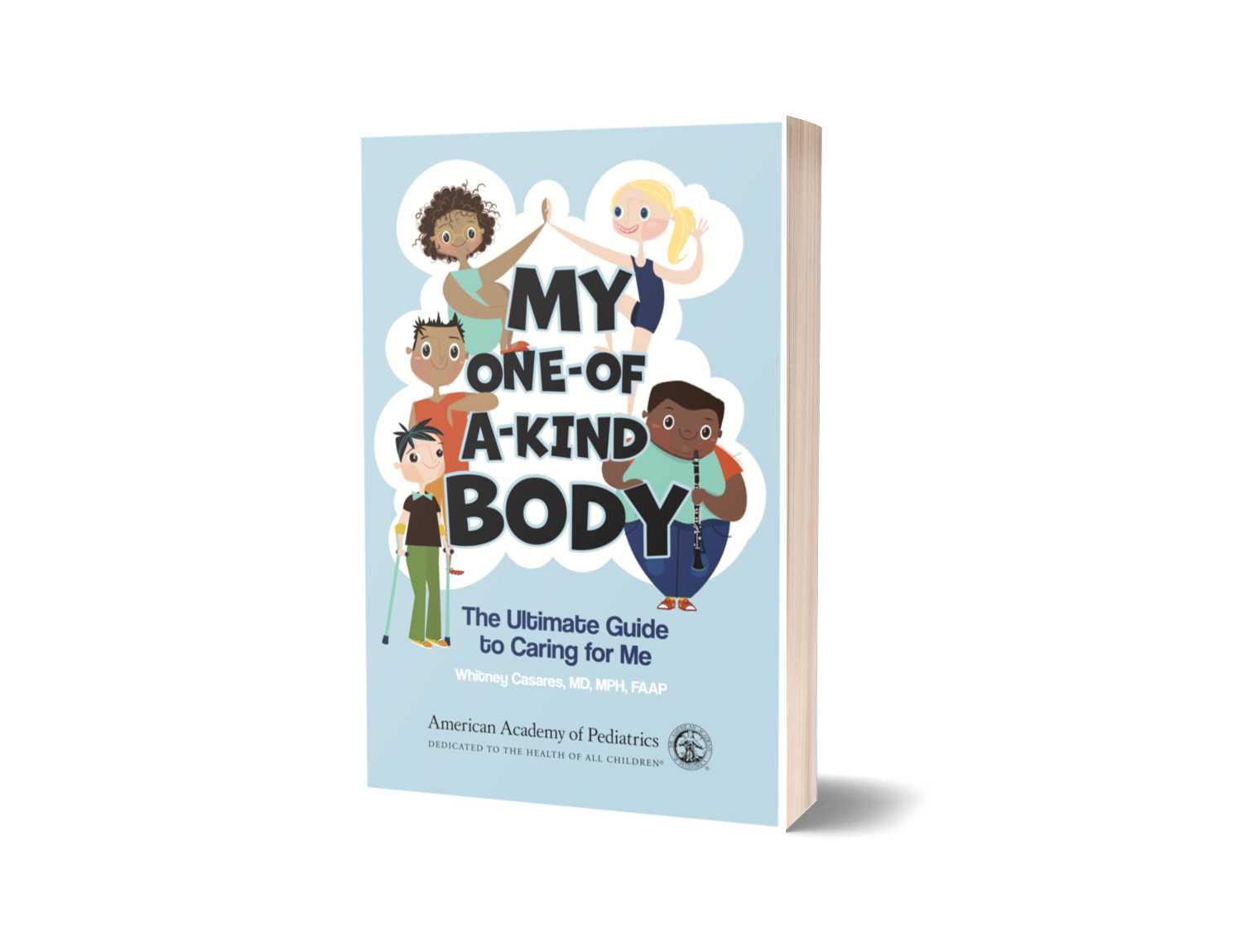
About the Episode: There’s so much parenting advice out there, and most of it doesn’t matter nearly as much as the internet wants you to think. (Seed oils? We have bigger fish to fry.) In this solo episode, Dr. Whitney gets back to basics and shares the six evidence-based parenting principles she focuses on as a pediatrician, the ones she dug into with a leading child development researcher. She also shares how these play out in real life as a mom of two neurodivergent kids, because guidance only helps if it actually fits your family. Key takeaways: Be sensitive and responsive. Simple practices like mirroring your child’s emotions and “serve and return” interactions build a loving, trusting foundation. Dr. Whitney shares how a Halloween decorating session turned into a deep conversation about religion once she slowed down and got curious. Meet kids where they are, especially at their worst. Drawing on Tina Payne Bryson, co-author of The Whole-Brain Child , Dr. Whitney explains that soothing a meltdown isn’t giving in. It’s letting your child know they’re not alone in a big feeling. Model self-regulation, and repair when you lose it. Self-regulation predicts academic success better than IQ. The goal isn’t staying calm all the time, it’s understanding why you got dysregulated, coming back to baseline, and offering yourself some self-compassion. Set limits for your kids and yourself. Every child’s needs are different (screen time affects Dr. Whitney’s two daughters very differently), but all kids need limits, and so do parents. Taking time for yourself models something healthy. Aim for authoritative, not permissive. High expectations paired with warmth and grace is the sweet spot. “Gentle parenting” can blur into permissiveness, which research shows is as harmful as authoritarian parenting. Protect unstructured time. Kids need boredom and free play to become self-directed. For ADHD and autistic kids, Dr. Whitney recommends offering a few options and letting kids choose. Support internal motivation. Using a “mirrors facing outward” image from her own therapist, Dr. Whitney explains why we want kids to trust their own instincts rather than constantly look outward for approval. Want to Start Raising Body-Confident Kids Today? 📘 Order the Books Raising Body-Confident Kids If you've ever caught yourself saying something to your kid about their body that sounded exactly like what your mother said to you, this book is for you. Raising Body-Confident Kids is a research-backed, judgment-free guide for parents who want to break the cycle of diet culture and body shame without swinging into toxic positivity or giving up all structure around food and movement. It answers the real questions parents are actually asking about Ozempic, about picky eaters, about what to say when your kid is being bullied for their body, and about social media influences. This is a practical, values-based game plan you can actually use, even if your own relationship with your body is still a work in progress. My One-of-a-Kind Body My One-of-a-Kind Body gives kids the language and understanding they need to care for their bodies with respect without fear, shame, or appearance-based messaging. Through inclusive illustrations and evidence-based health education, the book teaches body literacy, boundaries, and self-trust in a way kids can actually grasp. 👉 www.raisingbodyconfidentkids.com/books
By Modern Mommy Doc • October 5, 2026
What really matters when it comes to college admissions (for you and for them).
By Modern Mommy Doc • September 17, 2026
Kids going off to college are mean for a reason.
By Modern Mommy Doc • September 10, 2026
Maybe winning back to school isn't what we really want, after all.
By Modern Mommy Doc • August 27, 2026
First-class service has a lot to do with first-class parenting.

Welcome! Get the information you need to win at parenting without losing yourself.

LEARN MORE

My Kids' Book on Body Confidence


Trying to break the cycle of body shame and diet culture?


Overwhelmed by all the parenting advice out there?


SIGN UP FOR THE FREE STARTER KIT: UNBOTHERED. IT'S FREE. CLICK HERE


FRESH

ON THE PODCAST


By Modern Mommy Doc • October 9, 2026
About the Episode: There’s so much parenting advice out there, and most of it doesn’t matter nearly as much as the internet wants you to think. (Seed oils? We have bigger fish to fry.) In this solo episode, Dr. Whitney gets back to basics and shares the six evidence-based parenting principles she focuses on as a pediatrician, the ones she dug into with a leading child development researcher. She also shares how these play out in real life as a mom of two neurodivergent kids, because guidance only helps if it actually fits your family. Key takeaways: Be sensitive and responsive. Simple practices like mirroring your child’s emotions and “serve and return” interactions build a loving, trusting foundation. Dr. Whitney shares how a Halloween decorating session turned into a deep conversation about religion once she slowed down and got curious. Meet kids where they are, especially at their worst. Drawing on Tina Payne Bryson, co-author of The Whole-Brain Child , Dr. Whitney explains that soothing a meltdown isn’t giving in. It’s letting your child know they’re not alone in a big feeling. Model self-regulation, and repair when you lose it. Self-regulation predicts academic success better than IQ. The goal isn’t staying calm all the time, it’s understanding why you got dysregulated, coming back to baseline, and offering yourself some self-compassion. Set limits for your kids and yourself. Every child’s needs are different (screen time affects Dr. Whitney’s two daughters very differently), but all kids need limits, and so do parents. Taking time for yourself models something healthy. Aim for authoritative, not permissive. High expectations paired with warmth and grace is the sweet spot. “Gentle parenting” can blur into permissiveness, which research shows is as harmful as authoritarian parenting. Protect unstructured time. Kids need boredom and free play to become self-directed. For ADHD and autistic kids, Dr. Whitney recommends offering a few options and letting kids choose. Support internal motivation. Using a “mirrors facing outward” image from her own therapist, Dr. Whitney explains why we want kids to trust their own instincts rather than constantly look outward for approval. Want to Start Raising Body-Confident Kids Today? 📘 Order the Books Raising Body-Confident Kids If you've ever caught yourself saying something to your kid about their body that sounded exactly like what your mother said to you, this book is for you. Raising Body-Confident Kids is a research-backed, judgment-free guide for parents who want to break the cycle of diet culture and body shame without swinging into toxic positivity or giving up all structure around food and movement. It answers the real questions parents are actually asking about Ozempic, about picky eaters, about what to say when your kid is being bullied for their body, and about social media influences. This is a practical, values-based game plan you can actually use, even if your own relationship with your body is still a work in progress. My One-of-a-Kind Body My One-of-a-Kind Body gives kids the language and understanding they need to care for their bodies with respect without fear, shame, or appearance-based messaging. Through inclusive illustrations and evidence-based health education, the book teaches body literacy, boundaries, and self-trust in a way kids can actually grasp. 👉 www.raisingbodyconfidentkids.com/books
By Modern Mommy Doc • October 5, 2026
What really matters when it comes to college admissions (for you and for them).
By Modern Mommy Doc • September 17, 2026
Kids going off to college are mean for a reason.