MMD BLOG


CATEGORY:

PARENTING + KIDS

PARENTING LESSONS FROM THE TOOTH FAIRY: LEANING INTO THE JOY OF OUR KIDS' MILESTONES

 Modern Mommy Doc


PUBLICATION DATE:

December 14, 2018

PARENTING LESSONS FROM THE TOOTH FAIRY: LEANING INTO THE JOY OF OUR KIDS' MILESTONES

 Modern Mommy Doc

CATEGORY: PARENTING + KIDS

This week the Tooth Fairy made her first appearance in my home...and it was glorious. My daughter can tell you exactly how she looks: blonde, curly hair, a sparkly wand…and a Moana dress. She can also tell you how she sounds; apparently. When she dropped the cash under my five-year-old’s pillow, I’m told she whispered in a tinkly, bell-like voice, “Congratulations.”


"Mom, I saw her and she was SOOOO nice," I heard all through breakfast the next morning.


Now, I have nothing against pink and sparkles, but I try my hardest to not get too caught up in making every single celebration or life event for my kids a Pinterest-worthy moment. My daughter’s last full-blown birthday party two years ago took so much planning and was such a disaster, we skipped the cake and candles all together this time around (just imagine a very precocious preschooler sobbing, “Why’d you invite all these people?” after she worked for a month painstakingly decorating each handwritten party announcement in glitter paint).


Nope, these days I keep it simple when it comes to holidays, birthdays, and the like. I’ve been working especially hard this season on not getting too caught up in commercialism traps, instead focusing on family time and family experiences. Sometimes, though, I forget in the process just how cool it can be for young kids, newly aware, to think about the Easter Bunny or Santa paying them a special visit. This Tooth Fairy thing reminded me. Yes, ma’am, that ethereal, incisor-snatching night owl got to me.


I found myself suddenly caught up in the specific milestone of losing a first tooth. I think it's because my daughter was so excited about this transition in her body—unafraid, proud, joyful—that her excitement rubbed off on me, too. For weeks, she went around wiggling her tooth and asking everyone else in the family to do the same. She told her grandparents she planned on snapping a picture of the Tooth Fairy when she entered her bedroom (or trapping her in a box so she could get a really good look. I told her that sounded a little aggressive and maybe we could stick with a sneaky photo op). 


That joy, it was infectious, and it reminded me of three things: 


1. As a parent, it’s not my job to bring my child joy, but, when I can, we both win.


We can’t and we shouldn’t endeavor to make our kids happy all the time. Happiness is fleeting and conditional. We can, though, look for opportunities to be fully present with our kids, not just with our physical presence or our attention, but also with our emotional presence. Think about the best moments you’ve had with your kids, about the moments that you go back to in your mind when you’re having a hard day or feeling discouraged. For me, those moments always have pure joy as a major element (and usually music, too): singing at the top of our lungs to the entire album of The Greatest Showman on a road trip, snuggling up in our bed on a Saturday morning, racing through the park playing tag with breathless energy. Sometimes our kids need us to be just as invested in their excitement and their enthusiasm as they are. 


2. You have to find joy yourself to give it to your kids.


It’s hard to pull a fast one on our children. They can tell when we pretty much hate our lives and they can see right through it when we try to fake contentment. Instead, focus on taking care of yourself, embracing your own life choices (especially when it comes to work), and getting mindful so you can turn right back around and infuse joy into your kids’ lives. Is any mom out there in the whole world who’s going to do that perfectly all the time? No, but it’s worth it to move in that direction. 


3. Milestones really do matter.


Losing your first tooth is a major milestone. So is taking your first step, scoring your first soccer goal, and getting your driver’s license. Our kids don’t need us to be all rah-rah about every single little thing they do (telling our kids “good job” and “you’re so smart” over and over is detrimental). Instead, we should be encouraging our children to have a growth mindset by telling them how proud we are of their efforts and celebrating when they reach their hard-earned goals. In the end, milestones (and holidays and celebrations) all provide an opportunity to build family traditions and to make memories with our kids. As we recognize the effort or bravery it takes our kids to move through a specific stage, we ultimately instill confidence and encourage resilience. 


I don't know about you but, sometimes, I forget just how totally RAD the little stepping stones of childhood can be for our kids as they experience them.


Especially this season, I’m working on embracing the make-believe and the magical with my little ones. Setting out cookies for Santa, finding a note and a dollar from the Tooth Fairy, wishing on a star—these aren’t only the magical moments of childhood, they’re also an invitation to love the things our kids love, to be 100 percent "in it" for the moments that really matter, to be a little more childlike ourselves as we approach our parenting. There is absolutely nothing like watching your toothless five-year-old grin from ear to ear for the first time, just like there's nothing like seeing your baby smile or hearing her say her first word. Yep, this first tooth moment is going in the baby book—not because it's momentous to the rest of the world, but because it's momentous to my daughter and to me—a place we both found a second of pure joy.


Thank you, Tooth Fairy. 

Raising Body-Confident Kids Starts at the Doctor's Office!

START NOW
By Dr. Whitney December 17, 2025
About the Episode: In this episode, Dr. Whitney sits down with Dr. Jay Gargus and Dave Justus from NeuroQure to discuss the power of early clarity when it comes to autism detection and why earlier intervention can fundamentally change outcomes for childre n and families. Dr. Gargus explains the science behind early behavioral therapies and why their impact goes far beyond short-term skill-building. Research shows that early, evidence-based interventions can lead to measurable, lifelong improvements in IQ, so cial skills, independence, and educational placement, often determining whether a child can thrive in mainstream education or requires ongoing specialized support. The conversation also tackles a critical and often overlooked issue: access. Dave Justus shares the personal motivation behind NeuroQure’s work and explains why the test is being launched at cost, with installment plans and employer subsidies, while the team works toward insurance coverage. The goal is to prevent families from losing precious years waiting for answers. Together, they emphasize a hopeful message for parents: families don’t need to wait for a future “silver bullet.” We already have therapies that work and getting kids connected to them earlier can change the course of a lifetime. In this episode, we discuss: Why early autism detection leads to lifelong changes—not just short-term gains What a 17-point IQ difference actually means for education, independence, and quality of life How early intervention can shift developmental trajectories as early as 6 months The science and validation behind current autism therapies Why NeuroQure is pricing testing at cost while pursuing insurance coverage How early clarity can reduce long-term strain on families, schools, and healthcare systems This episode is a powerful reminder that timing matters and that early access to answers can make an extraordinary difference for children and the families who love them. About Our Guest: Dr. Jay Gargus, MD, PhD is a physician-scientist and nationally recognized expert in neurodevelopmental disorders, with decades of experience researching the biological underpinnings of autism. His work has focused on translating well-established science into meaningful, real-world interventions that can improve lifelong outcomes for children. Dr. Gargus emphasizes that early, evidence-based therapies are already available—and that connecting families to them sooner can fundamentally change developmental trajectories. Dave Justus is a parent and the founder of NeuroQure, whose work is driven by personal experience navigating delayed autism diagnosis and intervention. Motivated by the belief that early clarity can spare families years of uncertainty, Dave is focused on expanding access to early testing through cost-based pricing and ongoing efforts to secure insurance coverage. His mission is simple but powerful: ensure families don’t have to wait for answers that could change everything. Want to Start Raising Body-Confident Kids Today? 📘 Order the Book Order your copy of My One-of-a-Kind Body 👉 www.raisingbodyconfidentkids.com/books 🎁 Claim Your Free Bonus When you order on our site, you’ll also get access to a FREE video mini-course with five bite-sized lessons for parents. In just 25 minutes, you’ll walk away with: Simple, script-style ways to respond when your kid says, “I hate my thighs” How to talk about health without weight talk What to do when your own inner critic shows up How to interrupt diet culture at home The first step to raising a body-confident kid, even if you didn’t grow up as one 📩 Subscribe to The Modern Mommy Doc Podcast for more episodes on parenting with confidence and clarity. Leave a review using the hashtag #ModernMommyDoc.
By Dr. Whitney November 13, 2025
Stop being so busy, and start being more present.
By Dr. Whitney November 5, 2025
Starting out right with solids doesn't have to be so scary.
By Dr. Whitney October 29, 2025
What if YOU are the one who needs to calm down first?

Welcome! Get the information you need to win at parenting without losing yourself.

LEARN MORE

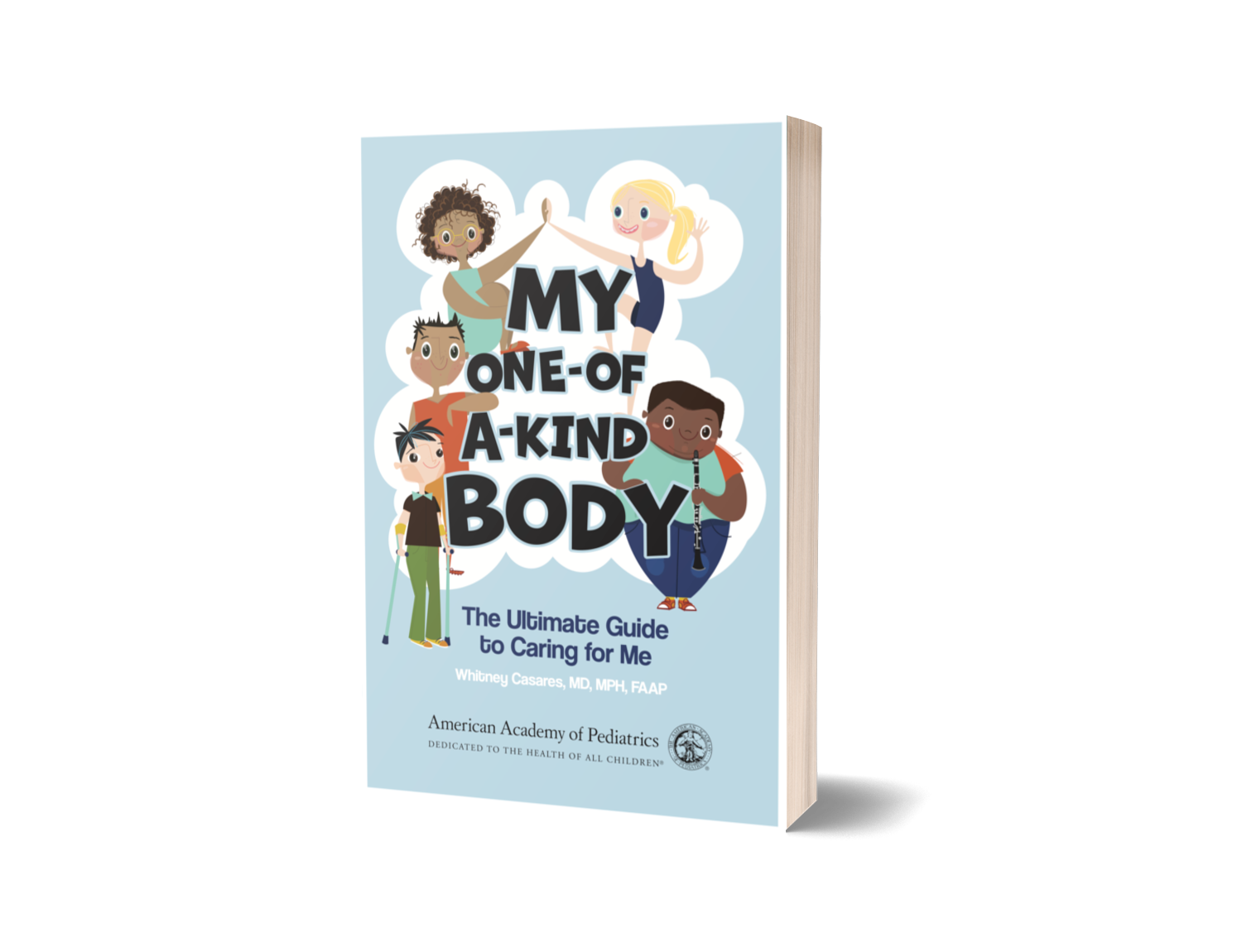
My Kids' Book on Body Confidence is Finally Here!


Wish your partner would do more to lessen your mental load?


Want to make self-care a priority but not sure how to?


SIGN UP FOR SUSTAINABLE SELF-CARE. IT'S FREE. CLICK HERE


FRESH

ON THE PODCAST


By Dr. Whitney December 17, 2025
About the Episode: In this episode, Dr. Whitney sits down with Dr. Jay Gargus and Dave Justus from NeuroQure to discuss the power of early clarity when it comes to autism detection and why earlier intervention can fundamentally change outcomes for childre n and families. Dr. Gargus explains the science behind early behavioral therapies and why their impact goes far beyond short-term skill-building. Research shows that early, evidence-based interventions can lead to measurable, lifelong improvements in IQ, so cial skills, independence, and educational placement, often determining whether a child can thrive in mainstream education or requires ongoing specialized support. The conversation also tackles a critical and often overlooked issue: access. Dave Justus shares the personal motivation behind NeuroQure’s work and explains why the test is being launched at cost, with installment plans and employer subsidies, while the team works toward insurance coverage. The goal is to prevent families from losing precious years waiting for answers. Together, they emphasize a hopeful message for parents: families don’t need to wait for a future “silver bullet.” We already have therapies that work and getting kids connected to them earlier can change the course of a lifetime. In this episode, we discuss: Why early autism detection leads to lifelong changes—not just short-term gains What a 17-point IQ difference actually means for education, independence, and quality of life How early intervention can shift developmental trajectories as early as 6 months The science and validation behind current autism therapies Why NeuroQure is pricing testing at cost while pursuing insurance coverage How early clarity can reduce long-term strain on families, schools, and healthcare systems This episode is a powerful reminder that timing matters and that early access to answers can make an extraordinary difference for children and the families who love them. About Our Guest: Dr. Jay Gargus, MD, PhD is a physician-scientist and nationally recognized expert in neurodevelopmental disorders, with decades of experience researching the biological underpinnings of autism. His work has focused on translating well-established science into meaningful, real-world interventions that can improve lifelong outcomes for children. Dr. Gargus emphasizes that early, evidence-based therapies are already available—and that connecting families to them sooner can fundamentally change developmental trajectories. Dave Justus is a parent and the founder of NeuroQure, whose work is driven by personal experience navigating delayed autism diagnosis and intervention. Motivated by the belief that early clarity can spare families years of uncertainty, Dave is focused on expanding access to early testing through cost-based pricing and ongoing efforts to secure insurance coverage. His mission is simple but powerful: ensure families don’t have to wait for answers that could change everything. Want to Start Raising Body-Confident Kids Today? 📘 Order the Book Order your copy of My One-of-a-Kind Body 👉 www.raisingbodyconfidentkids.com/books 🎁 Claim Your Free Bonus When you order on our site, you’ll also get access to a FREE video mini-course with five bite-sized lessons for parents. In just 25 minutes, you’ll walk away with: Simple, script-style ways to respond when your kid says, “I hate my thighs” How to talk about health without weight talk What to do when your own inner critic shows up How to interrupt diet culture at home The first step to raising a body-confident kid, even if you didn’t grow up as one 📩 Subscribe to The Modern Mommy Doc Podcast for more episodes on parenting with confidence and clarity. Leave a review using the hashtag #ModernMommyDoc.
By Dr. Whitney November 13, 2025
Stop being so busy, and start being more present.