MMD BLOG


CATEGORY:

Parenting in Partnership

THE ART OF LETTING GO: WHY YOU NEED TO SHARE CONTROL (AND HOW TO DO IT WITHOUT FREAKING OUT)

 Modern Mommy Doc


PUBLICATION DATE:

November 21, 2024

THE ART OF LETTING GO: WHY YOU NEED TO SHARE CONTROL (AND HOW TO DO IT WITHOUT FREAKING OUT)

 Modern Mommy Doc

CATEGORY: Parenting in Partnership

Control. It’s the security blanket many of us cling to as we try to juggle work, family, and personal life. It’s also one of the biggest things holding us back. We believe that if we can just keep everything perfectly organized, if we can plan every detail, if we can do it all ourselves, everything will be okay. But here’s the truth: control is an illusion. And worse than that, it’s exhausting.


For so long, I was that mom—the one trying to orchestrate everything, from the way the dishwasher was loaded to how every meal was prepared. I thought that if I didn’t do it, it wouldn’t get done right. But what I didn’t realize was that all that control was weighing me down. It was isolating me from the people I loved, and it was keeping me from enjoying life.


If you’re feeling overwhelmed, constantly stressed, or just plain exhausted, it might be time to let go of some of that control. In this post, I’m going to show you how to start sharing the load—without freaking out.


The Illusion of Control

First, let’s get something out of the way: Control is an illusion. Life is unpredictable, messy, and full of things we can’t plan for. Yet we spend so much time and energy trying to control every little detail. Why? Because control makes us feel safe. It gives us the illusion that if we can just stay on top of everything, nothing bad will happen.


But here’s the thing: controlling everything doesn’t make life easier. It makes it harder. When you’re trying to do everything yourself, you’re carrying the weight of the world on your shoulders. And that weight gets heavier and heavier until it crushes you.


The first step in letting go is recognizing that you don’t have to do it all. You don’t have to be the one in charge of every single detail. In fact, trying to do so is what’s keeping you from being present in your life.


Why We Hold On So Tight

So why do we hold on to control so tightly, even when it’s making us miserable? For many of us, it comes down to a few things:


Perfectionism: We believe that if we don’t do it ourselves, it won’t be done “right.” But here’s the thing: perfectdoesn’t exist. And your way isn’t the only way things can get done. Letting go of the need for perfection is a key part of releasing control.


Fear of Failure: We’re scared that if we let go, things will fall apart. But more often than not, the fear of failure is worse than the failure itself. Letting others take the reins won’t lead to disaster—it might just lead to things getting done differently.


Identity: For many of us, control is tied to our identity. We’ve been the one holding everything together for so long that it feels like if we let go, we’ll lose a part of ourselves. But your value isn’t tied to how much you do. It’s tied to who you are.


The Benefits of Letting Go

When you let go of control and start sharing the load, something incredible happens: you create space for joy, connection, and peace. Instead of being bogged down by the pressure of doing everything, you can focus on the things that matter most to you.


Here are some of the benefits you can expect when you start letting go:


  • More Time for What Matters: When you stop micromanaging every little detail, you’ll find you have more time for the things that bring you joy—whether that’s spending time with your kids, pursuing a passion, or just relaxing.


  • Stronger Relationships: Letting others help builds trust and strengthens your relationships. Whether it’s your partner, your kids, or even your coworkers, sharing the load creates a sense of teamwork and connection.


  • Less Stress: The more you let go, the less stress you’ll carry. You’ll start to realize that the world won’t fall apart if you’re not in control of everything. And that realization is incredibly freeing.


How to Start Sharing Control

Okay, so we know that letting go is important, but how do we actually do it—without spiraling into panic mode?

Here are a few steps to help you start sharing control:


  • Identify the Swappables: As I mentioned in my previous post, not everything in your life requires you to do it. Take some time to identify which tasks are Non-Negotiables (things that only you can do) and which are Swappables (tasks that can be delegated, delayed, or shared). Once you’ve identified the Swappables, it’s time to let someone else handle them.


  • Trust the Process: When you start sharing control, things might not go exactly the way you would have done them. And that’s okay. Trust the process. Trust the people you’re delegating to. And most importantly, trust that the world won’t end if things aren’t done your way.


  • Communicate: If you’re sharing control with your partner or kids, communication is key. Have an open conversation about expectations, responsibilities, and how you can support each other. Remember, you’re a team—and teams work best when everyone knows their role.


  • Let Go of Perfection: This is a tough one, but it’s essential. Things won’t always be done perfectly, and that’s okay. The goal isn’t perfection—the goal is to free up your time and energy for the things that matter most.


  • Celebrate the Wins: Every time you let go of a little bit of control and things go well, celebrate it. Acknowledge the progress you’re making and how it’s positively impacting your life.


Letting Your Partner Step Up

For a lot of moms, one of the hardest things to let go of is control over the household and parenting tasks. Maybe you feel like your partner doesn’t do things the “right” way, or maybe you’ve just gotten so used to doing everything that you don’t even think to ask for help.


But here’s the thing: Your partner can handle it. In fact, they might even do a great job. The trick is to step back and give them the space to do things their way. Yes, they might pack the kids’ lunches differently or load the dishwasher in a way that makes you cringe. But that doesn’t mean it’s wrong—it just means it’s different.


Letting your partner step up not only lightens your load, but it also builds a sense of equality in your relationship. You’re both in this together, and by sharing the responsibilities, you’re strengthening your partnership.


Final Thoughts: The Freedom in Letting Go

At the end of the day, letting go of control is about freedom. It’s about freeing yourself from the weight of having to do everything. It’s about trusting the people in your life to step up and share the load. And most importantly, it’s about giving yourself the space to focus on what really matters—your relationships, your joy, and your well-being.

So take a deep breath, release the reins a little, and watch as your life becomes lighter, freer, and filled with more of what matters. You’ve got this. And so do the people around you.


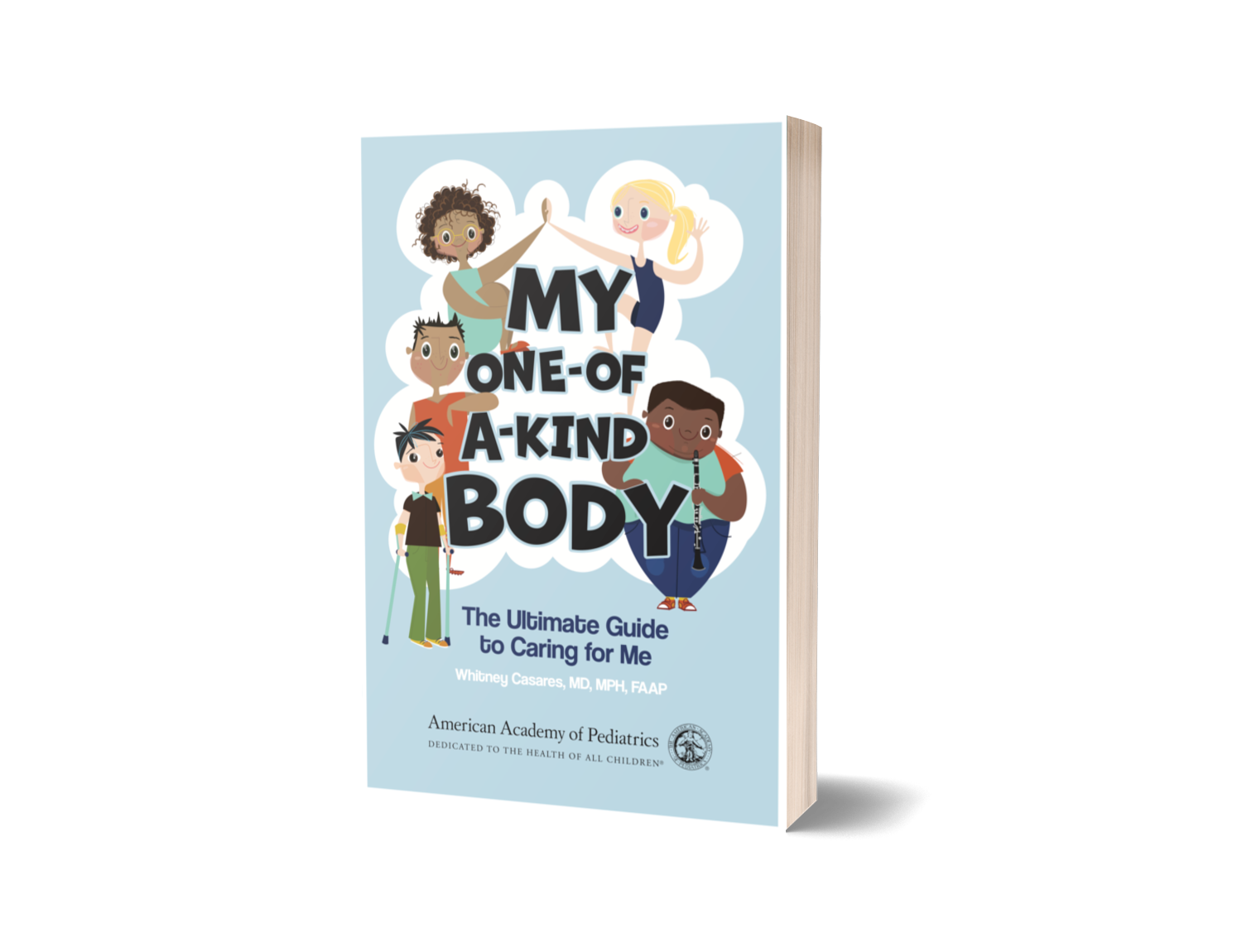
Raising Body-Confident Kids Starts at the Doctor's Office!

START NOW
By Dr. Whitney December 17, 2025
About the Episode: In this episode, Dr. Whitney sits down with Dr. Jay Gargus and Dave Justus from NeuroQure to discuss the power of early clarity when it comes to autism detection and why earlier intervention can fundamentally change outcomes for childre n and families. Dr. Gargus explains the science behind early behavioral therapies and why their impact goes far beyond short-term skill-building. Research shows that early, evidence-based interventions can lead to measurable, lifelong improvements in IQ, so cial skills, independence, and educational placement, often determining whether a child can thrive in mainstream education or requires ongoing specialized support. The conversation also tackles a critical and often overlooked issue: access. Dave Justus shares the personal motivation behind NeuroQure’s work and explains why the test is being launched at cost, with installment plans and employer subsidies, while the team works toward insurance coverage. The goal is to prevent families from losing precious years waiting for answers. Together, they emphasize a hopeful message for parents: families don’t need to wait for a future “silver bullet.” We already have therapies that work and getting kids connected to them earlier can change the course of a lifetime. In this episode, we discuss: Why early autism detection leads to lifelong changes—not just short-term gains What a 17-point IQ difference actually means for education, independence, and quality of life How early intervention can shift developmental trajectories as early as 6 months The science and validation behind current autism therapies Why NeuroQure is pricing testing at cost while pursuing insurance coverage How early clarity can reduce long-term strain on families, schools, and healthcare systems This episode is a powerful reminder that timing matters and that early access to answers can make an extraordinary difference for children and the families who love them. About Our Guest: Dr. Jay Gargus, MD, PhD is a physician-scientist and nationally recognized expert in neurodevelopmental disorders, with decades of experience researching the biological underpinnings of autism. His work has focused on translating well-established science into meaningful, real-world interventions that can improve lifelong outcomes for children. Dr. Gargus emphasizes that early, evidence-based therapies are already available—and that connecting families to them sooner can fundamentally change developmental trajectories. Dave Justus is a parent and the founder of NeuroQure, whose work is driven by personal experience navigating delayed autism diagnosis and intervention. Motivated by the belief that early clarity can spare families years of uncertainty, Dave is focused on expanding access to early testing through cost-based pricing and ongoing efforts to secure insurance coverage. His mission is simple but powerful: ensure families don’t have to wait for answers that could change everything. Want to Start Raising Body-Confident Kids Today? 📘 Order the Book Order your copy of My One-of-a-Kind Body 👉 www.raisingbodyconfidentkids.com/books 🎁 Claim Your Free Bonus When you order on our site, you’ll also get access to a FREE video mini-course with five bite-sized lessons for parents. In just 25 minutes, you’ll walk away with: Simple, script-style ways to respond when your kid says, “I hate my thighs” How to talk about health without weight talk What to do when your own inner critic shows up How to interrupt diet culture at home The first step to raising a body-confident kid, even if you didn’t grow up as one 📩 Subscribe to The Modern Mommy Doc Podcast for more episodes on parenting with confidence and clarity. Leave a review using the hashtag #ModernMommyDoc.
By Dr. Whitney November 13, 2025
Stop being so busy, and start being more present.
By Dr. Whitney November 5, 2025
Starting out right with solids doesn't have to be so scary.
By Dr. Whitney October 29, 2025
What if YOU are the one who needs to calm down first?

Welcome! Get the information you need to win at parenting without losing yourself.

LEARN MORE

My Kids' Book on Body Confidence is Finally Here!


Wish your partner would do more to lessen your mental load?


Want to make self-care a priority but not sure how to?


SIGN UP FOR SUSTAINABLE SELF-CARE. IT'S FREE. CLICK HERE


FRESH

ON THE PODCAST


By Dr. Whitney December 17, 2025
About the Episode: In this episode, Dr. Whitney sits down with Dr. Jay Gargus and Dave Justus from NeuroQure to discuss the power of early clarity when it comes to autism detection and why earlier intervention can fundamentally change outcomes for childre n and families. Dr. Gargus explains the science behind early behavioral therapies and why their impact goes far beyond short-term skill-building. Research shows that early, evidence-based interventions can lead to measurable, lifelong improvements in IQ, so cial skills, independence, and educational placement, often determining whether a child can thrive in mainstream education or requires ongoing specialized support. The conversation also tackles a critical and often overlooked issue: access. Dave Justus shares the personal motivation behind NeuroQure’s work and explains why the test is being launched at cost, with installment plans and employer subsidies, while the team works toward insurance coverage. The goal is to prevent families from losing precious years waiting for answers. Together, they emphasize a hopeful message for parents: families don’t need to wait for a future “silver bullet.” We already have therapies that work and getting kids connected to them earlier can change the course of a lifetime. In this episode, we discuss: Why early autism detection leads to lifelong changes—not just short-term gains What a 17-point IQ difference actually means for education, independence, and quality of life How early intervention can shift developmental trajectories as early as 6 months The science and validation behind current autism therapies Why NeuroQure is pricing testing at cost while pursuing insurance coverage How early clarity can reduce long-term strain on families, schools, and healthcare systems This episode is a powerful reminder that timing matters and that early access to answers can make an extraordinary difference for children and the families who love them. About Our Guest: Dr. Jay Gargus, MD, PhD is a physician-scientist and nationally recognized expert in neurodevelopmental disorders, with decades of experience researching the biological underpinnings of autism. His work has focused on translating well-established science into meaningful, real-world interventions that can improve lifelong outcomes for children. Dr. Gargus emphasizes that early, evidence-based therapies are already available—and that connecting families to them sooner can fundamentally change developmental trajectories. Dave Justus is a parent and the founder of NeuroQure, whose work is driven by personal experience navigating delayed autism diagnosis and intervention. Motivated by the belief that early clarity can spare families years of uncertainty, Dave is focused on expanding access to early testing through cost-based pricing and ongoing efforts to secure insurance coverage. His mission is simple but powerful: ensure families don’t have to wait for answers that could change everything. Want to Start Raising Body-Confident Kids Today? 📘 Order the Book Order your copy of My One-of-a-Kind Body 👉 www.raisingbodyconfidentkids.com/books 🎁 Claim Your Free Bonus When you order on our site, you’ll also get access to a FREE video mini-course with five bite-sized lessons for parents. In just 25 minutes, you’ll walk away with: Simple, script-style ways to respond when your kid says, “I hate my thighs” How to talk about health without weight talk What to do when your own inner critic shows up How to interrupt diet culture at home The first step to raising a body-confident kid, even if you didn’t grow up as one 📩 Subscribe to The Modern Mommy Doc Podcast for more episodes on parenting with confidence and clarity. Leave a review using the hashtag #ModernMommyDoc.
By Dr. Whitney November 13, 2025
Stop being so busy, and start being more present.