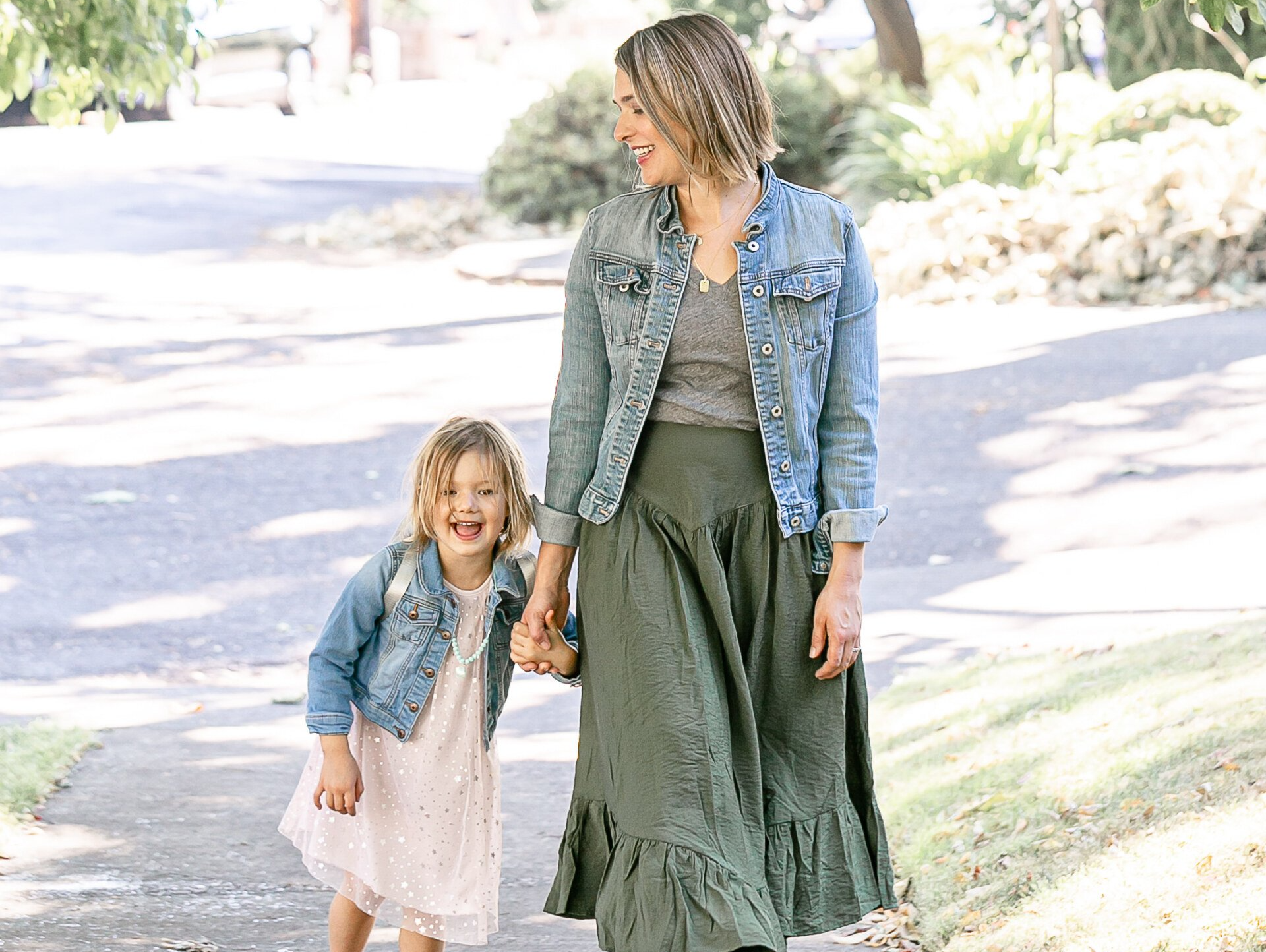
As a parent, it’s sometimes hard to look outside your own experience. As a human really. The only experience I've ever had as a parent has been with my two beautiful girls, one who is neurodivergent with autism and severe anxiety. Other moms only have experience with boys. Or just with “typical” kids.
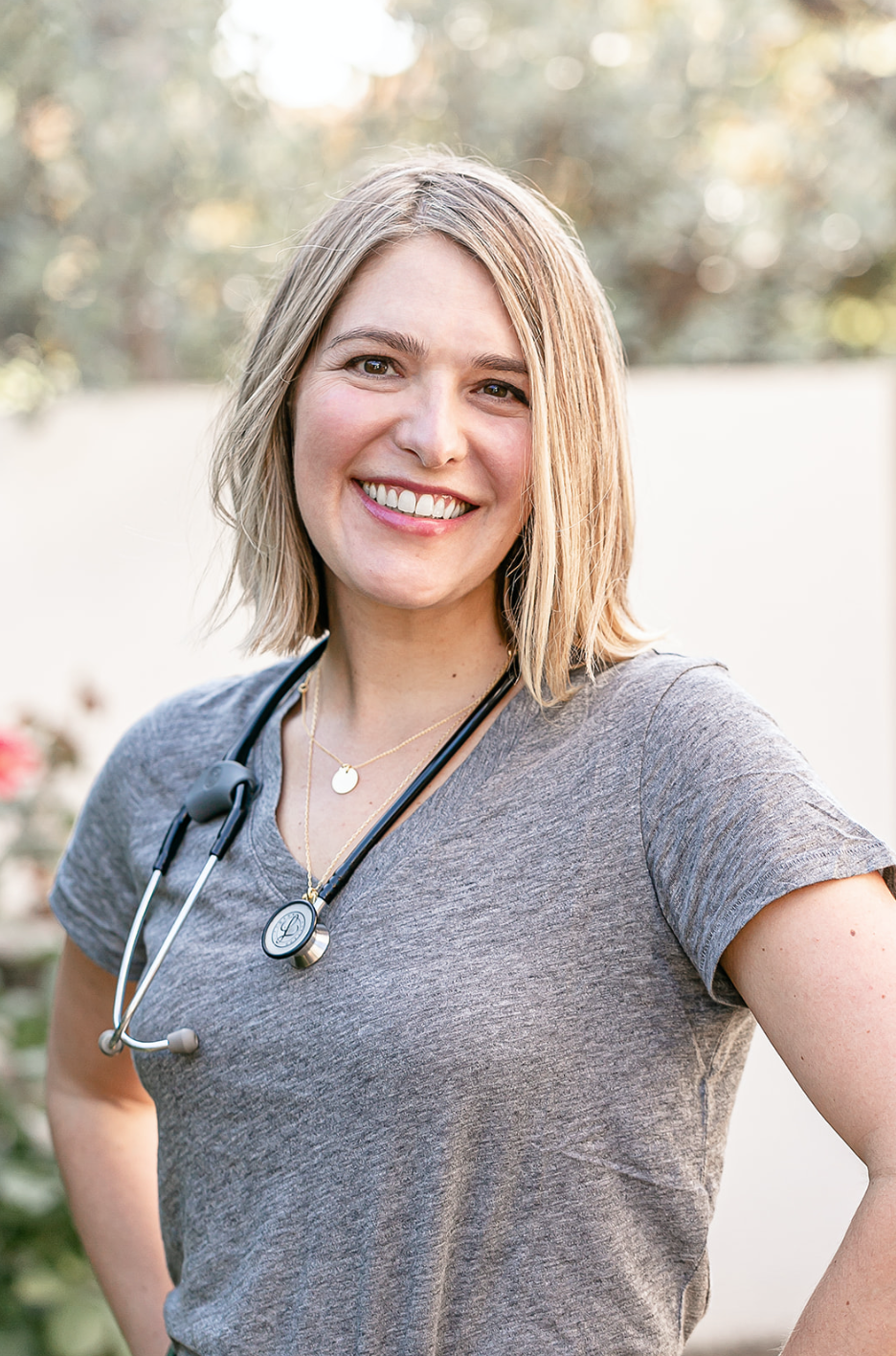
As a pediatrician, I’m granted the unique opportunity to get a glimpse into families of every size, shape, and color. I get to see a window into homes that look a lot different than mine. And one of the biggest things I’ve learned is that there are a lot of stories left untold, simply because there’s not a platform for those voices to be heard.
I’ve heard stories of mamas dropping off special trick-or-treat bags all around the neighborhood, so their child with severe allergies can still participate in Halloween festivities. I’ve heard of parents begging teachers to offer alternative test-taking options for their child who is off-the-charts-brilliant, but has severe test-taking anxiety. I’ve seen moms creating special preschool arrangement set-ups so their immunocompromised kiddos get a chance at normal early social-emotional development.
I’ve heard countless stories of parents advocating for their children, because no one else will.
As a pediatrician and a working mom advocate, I know the health and ultimate success of children — especially children who need a little extra TLC— depends largely on the wellness of their primary caregivers. And, if we want to support those people and their well-being effectively, we have to start talking about the mental health strain being put on parents (mostly moms) of kids with special needs more explicitly. This could be anything from a child with intense medical needs to one who’s highly gifted. From life-threatening allergies to a clotting disorder.
A few months ago, I made a $4500 pre-payment (and maxed out a credit card to do it) so my eldest daughter could have an objective neuropsychological evaluation so we could officially diagnose her with autism. Obtaining that diagnosis was an incredibly long journey we’ve been on since the day she was born. Even as a pediatrician and an upper middle class professional working mom, it was a sacrifice to take the time off of work, to navigate the system, and to fork over the money. Finding the right specialist to see and making sure my daughter didn’t fall behind on her regular class work during the 3-day evaluation also fell to me. Making sure she was well-fed and dealing with her extreme temper tantrum as she assaulted me physically once we got to the testing facility and a panic attack set in? Yep, that was all me, too. But, despite the strain and stress I experienced that day, I also kept thinking about the bigger issues with our mental health care system and the medical system, in general — and about those less privileged than me who are fighting even bigger battles on behalf of their children.
With my foray into the mental health space with my daughter, I can tell you from first hand experience that navigating care for your child is exhausting. It drains on you as a mom and as a woman. Plus, you still have to manage the rest of your life. Your job, your other kids, running your house.
Add on top of that the fact that these systems are so damn broken and difficult to navigate, that it usually just ends up on moms’ plates to figure it out and get the care for their kids that they need.
It’s so much work.
And what about those parents who can’t afford to get their kids the evaluations they need? What about the mamas who give up on navigating the system all together because it’s so overwhelming and frustrating? What about the mamas who CANNOT take time off work for fear of retribution if they’re seen as less committed than their male counterparts if they attend to their family’s very real needs?
Caring for children, and especially children with mental health disorders or other special health care needs like allergies, developmental differences, or complex medical conditions, shouldn’t be all on moms to figure out, or to shoulder. We need more access. We need more affordability. We need more help.
And we need it now.
There are several things that can be done in order to help shift the load off of parents’ shoulders and so that both moms and dads and their kids can feel supported.
1. Better education of primary care providers.
Doctors need to be made aware of the issues moms and kids face who have medical special needs or those who are high needs either mentally or emotionally. As a pediatrician I do get to see this more than most, but I believe that I have a more keen eye to look for things that are going on because of my experiences with my daughter. We need to be training providers on things like isolation socially for both moms and kids, guilt surrounding the diagnosis, anxiety for kids in these particular groups, etc.
2. Better training of teachers and administration in the educational system to support these kids.
Most often, teachers are trained for kids who fall right in the middle. Not too high, not too low. And they’re certainly not trained on how to manage a classroom with a child with severe medical needs that can still be in a classroom setting (like those with allergies). A lot of parents with children in these categories won’t be privileged enough to send their child to a private school that could accommodate that kind of care and attention. So if that’s the case, and these kiddos will be attending public school (as they’re rightly allowed to!), then teachers need to understand and be trained for the specific situation.
3. More employer assistance programs and resources supplied by employers for these moms.
We have seen an upswing in this area. We just need more! When employers offer things like mental health benefits, programs like career coaching, and education on navigating work/life balance, parents are WAY more likely to feel confident navigating their kid’s mental and physical health. AND they’ll be more productive at work. Win win.
4. More funding for mental health professionals to support these moms.
If we aren’t able to take care of ourselves, there will literally be no one left to take care of our kids. This is a non-negotiable. We need help because mothering a special needs kid is a full-time job (that piles onto the paid full-time jobs many of us have outside of our homes). You have a TON on your plate with your child that other mamas just don’t — not just managing their care within the medical system, but also the day in and day out grind of caring for your child.
5. Better Health Care Coverage for Mental Health Disorders and Other Special Needs Kiddos
Health is health is health. Physical, mental, social — you cannot separate one part of a human being from another. Why should a mental health evaluation cost more than cardiac evaluation, depending on insurance? The sooner we start seeing mental health as a universally-important issue that should carry only as much stigma as an appendicitis diagnosis, the better off we’ll all be.
If you’re a mama with a kiddo who has some special circumstances, I understand the pressure that comes with that because I feel it, too. I’ve decided, though, that I’m no longer willing or able to shoulder all the emotional, physical, or time resources it takes to manage it all alone. I can’t without letting it affect me AND my children negatively in the long-term. I’ll end up exhausted, and I won’t have nearly enough gas in the tank to mother or live how I really want to…or how my kids and I deserve for me to.
That’s why developed the
Modern Mamas Club App. We know that all working moms feel stuck, but that there are some mamas (I’m raising my hand here) who need actionable support not just when the doctor’s office or the school is open, but ALL.THE.TIME. And we think that all mamas deserve to live a life that’s whole, and good, and successful—no matter what the circumstances of parenthood have brought their way. We want moms of all sorts to feel like there’s a place where someone (in our case, lots of someones) has their back. We want someone else to do the work FOR YOU. It’s a community of mamas that support each other in every phase of motherhood. But it’s also a kick-ass library of knowledge, full of expertise from myself and so many other experts in this field.
In the app, you’ll get:
➡️ Daily Doses: step-by-step guides through Dr. Whitney’s programs broken down so you can know exactly what action you need to take
➡️ Daily Affirmations
➡️ Modern Mamas Club Community: where you can chat with other women, see mom-relevant news, take advantage of professional opportunities, etc…
➡️ Monthly Challenges: when you want to actively make the shift in your life, you’ll have mini challenges and accountability from the MMC community to see those changes in action
➡️ Exclusive access to monthly Momversations: discussions with Dr. Whitney by curated panels of experts on topics you’ll love
➡️ Plus access to all of our regular content (blogs, podcasts, etc…) all in one place!
Click here to learn more about how you can get unstuck with us…and stay that way.