MMD BLOG


CATEGORY:

KIDS + PARENTING

PICKY EATERS | 6 WAYS TO HELP YOUR KIDS LOVE GREAT FOOD AND AVOID PICKY EATING

 Modern Mommy Doc


PUBLICATION DATE:

December 23, 2017

PICKY EATERS | 6 WAYS TO HELP YOUR KIDS LOVE GREAT FOOD AND AVOID PICKY EATING

 Modern Mommy Doc

CATEGORY: KIDS + PARENTING

I love good food. Like, homemade pasta with seasonal veggies and quality meat, paired with the crispest, coldest Italian wine. That kind of love. So, of course, I hoped that my daughters would absolutely love good food, too. That, as adults, they would appreciate the complexities of flavor from different regions of the world. That, as toddlers, they would not “ruin” my life by only trying three things on any given menu.


I meet a lot of kids in clinic who are that way. Picky eaters to the core. Where they have a family meal together, the only things the kids will touch are bread, butter and pasta with cheese. Hardly any vegetables. Hardly any fruit. Absolutely no sauces. It would take an Act of Congress to get those kids to eat anything with pepper or spice. Their parents are often, understandably, at their wits’ end.


About 50% of my patients’ parents say they have a hard time with pickiness. At first, it all went well. As a baby, their child would take anything they gave them. But slowly, over time, they became more resistant.


Why? 


A lot comes back to temperament. For easy-going kids, their experience at the dinner table can also be easy going. For stubborn children, the dinner table can be another opportunity for a power struggle (if you're looking for behavior help at home or away, sign up for our toddler tantrum guide here).


But, even taking temperament into account, even the most laid-back kids and parents sometimes butt heads when it comes to food. While there is no easy answer for dinner-time (or lunch- or breakfast-time) battles, there are some steps parents can take to encourage adventurous eating and to avoid head-on collisions with their kids in this sometimes-challenging area.


What To Do:


Offer As Many Varied Foods As Possible From an Early Age.


There are no “adult” flavors and “kid” flavors, just kid and adult consistencies. Why not offer mushrooms, eggplant, artichokes, kale, yams or onions? The American Academy of Pediatrics recommends starting solid foods at four to six months, closer to six months if possible. They also recommend waiting two to three days between new foods to observe for allergic reactions. But, starting at six months, there are no limitations on what these foods can be (except no honey until one year of age for Botulism risk and no cups of cow’s milk until 11 months old), just on watching out for choking risk. In fact, the American Academy of Allergy, Asthma and Immunology now recommends even highly allergenic foods like shellfish, dairy and eggs be introduced earlier versus later.


We know that food preferences start even within the womb. The foods that pregnant women and lactating women consume strongly affect the palate of their offspring. It makes sense, then, that giving our kids a variety of healthy foods from an early age also influences their willingness to eat them later on.


Don’t Give Up Too Soon.


An expression of disgust does not predict a life of hatred. My daughter’s first food was avocado. We have pictures of her sweet little face just covered in it at six months, with a look of utter displeasure. She spit that food out as fast as we could get it to her lips. Of course, I didn’t force it on her that day, but every week I re-introduced a small amount as part of the other foods I offered. At one year of age, we have another picture of her face covered in a green gooey mess, this time with a look of complete glee. Avocado became and still is her favorite food to eat. Experts say it can take 20 to 30 exposures before an affinity develops for a new flavor.


Avoid the Kid Menu.


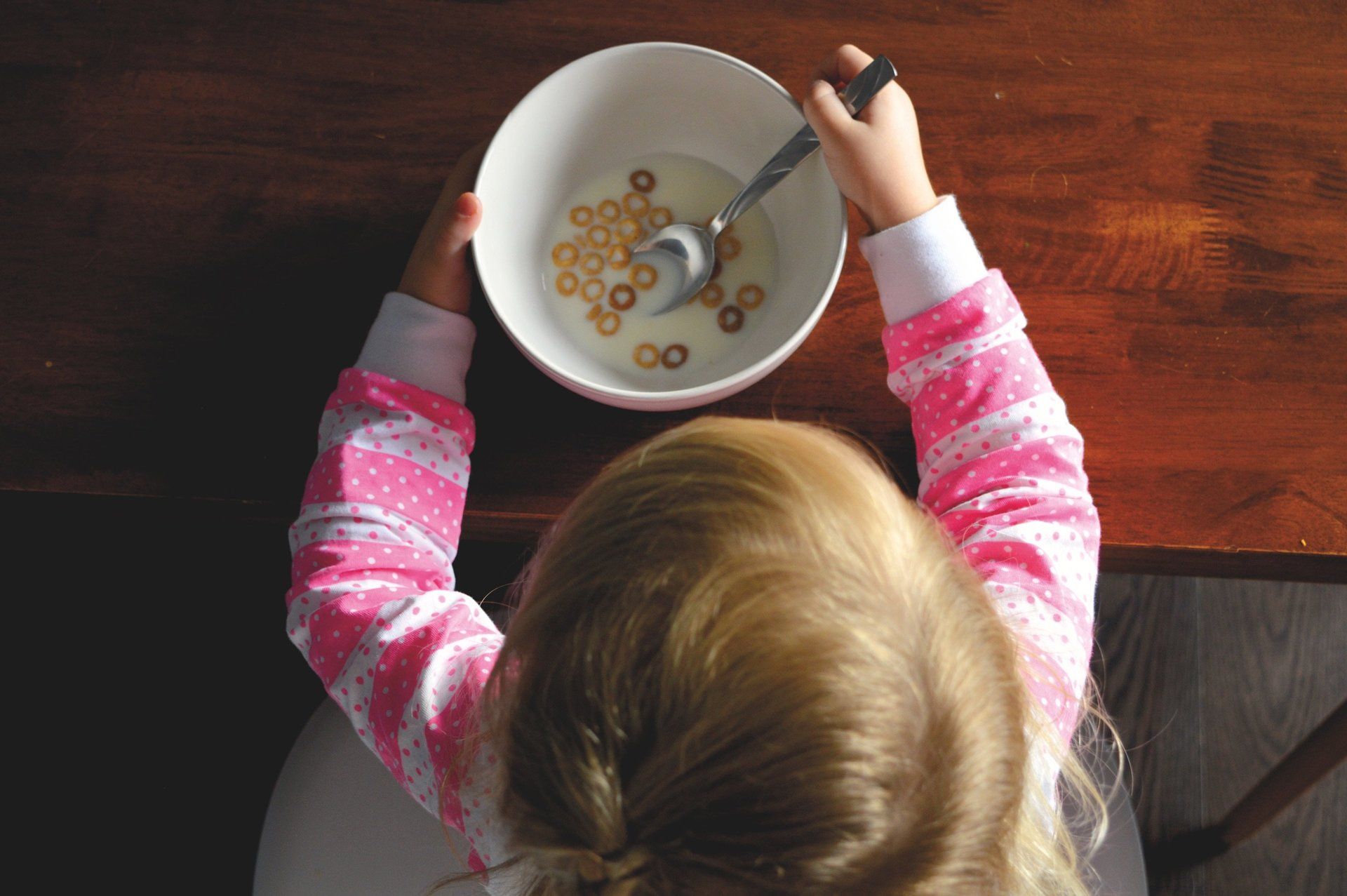
Does it ever strike you as odd that, even at a relatively nice restaurant, the children’s menu has the most unhealthy options available? Chicken strips, french fries, buttered noodles – this is the stuff we are offering our children? At the grocery store, in brightly-colored packages, are sugary cereals, salty crackers and juice boxes – foods that would make us tired and cranky if we ate them all day. Instead, offer the food on your plate to your kids.


Model Good Behavior.


That might mean adjusting what food is on your plate. It won’t work to have you order a cheeseburger and a soda every time you go out as a family if you want your kids to do the opposite. You may need to take stock of what you are consuming. If you do attempt to order or eat healthy foods yourself, sharing what you have allows your children to see quality food as normal. Dads are especially important when it comes to setting a healthy eating example.


Consider Their Age.


There will come a time when almost every child becomes a somewhat picky eater. They are supposed to. This is the way we protect ourselves evolutionarily. In a toddler’s mind, green = poisonous plant = bad. So, if you have a toddler and this is your reality, this is the moment you’ve been preparing for. The mantra you’ll have to tell yourself? Roll with it.


Remind Yourself of the Responsibilities You and Your Child Each Bring To the Table.


As a parent, your responsibility is to provide healthy options for your child in consistent intervals during the day. As a child, your responsibility is to choose how much of any given food you eat at any given time. If your child decides they don’t want the green beans tonight? That’s okay. Let them eat what they want off the plate. Just don’t offer a replacement food when they won’t eat them and DEFINITELY don’t use them as a reward for dessert. You can read more about division of responsibility when it comes to food in Fearless Feeding, my favorite book about pediatric food psychology.


Finally, remember that, like all things parenting-related, most kids and parents hit jags every once in awhile. Our goal is not to have perfectly-trained kids who eat everything you want them to all day every day, just like our goal is not to have perfectly-behaved children at all times. Instead, let’s focus on helping our little ones become adults who love great food. (Note: if you’re having a particularly hard time with picky eating and you’ve tried all of my tricks above, ask your pediatrician for more help!)


I hope my kids will share my enthusiasm for Italian (and French and Japanese) cooking, but I hope even more that they don’t have complicated hang-ups about what they eat and don’t develop a rebellious attitude toward food. Let’s raise individuals who savor what they consume, who use it as fuel to drive their lives and who have the freedom to enjoy it fully.



Raising Body-Confident Kids Starts at the Doctor's Office!

START NOW
By Dr. Whitney December 17, 2025
About the Episode: In this episode, Dr. Whitney sits down with Dr. Jay Gargus and Dave Justus from NeuroQure to discuss the power of early clarity when it comes to autism detection and why earlier intervention can fundamentally change outcomes for childre n and families. Dr. Gargus explains the science behind early behavioral therapies and why their impact goes far beyond short-term skill-building. Research shows that early, evidence-based interventions can lead to measurable, lifelong improvements in IQ, so cial skills, independence, and educational placement, often determining whether a child can thrive in mainstream education or requires ongoing specialized support. The conversation also tackles a critical and often overlooked issue: access. Dave Justus shares the personal motivation behind NeuroQure’s work and explains why the test is being launched at cost, with installment plans and employer subsidies, while the team works toward insurance coverage. The goal is to prevent families from losing precious years waiting for answers. Together, they emphasize a hopeful message for parents: families don’t need to wait for a future “silver bullet.” We already have therapies that work and getting kids connected to them earlier can change the course of a lifetime. In this episode, we discuss: Why early autism detection leads to lifelong changes—not just short-term gains What a 17-point IQ difference actually means for education, independence, and quality of life How early intervention can shift developmental trajectories as early as 6 months The science and validation behind current autism therapies Why NeuroQure is pricing testing at cost while pursuing insurance coverage How early clarity can reduce long-term strain on families, schools, and healthcare systems This episode is a powerful reminder that timing matters and that early access to answers can make an extraordinary difference for children and the families who love them. About Our Guest: Dr. Jay Gargus, MD, PhD is a physician-scientist and nationally recognized expert in neurodevelopmental disorders, with decades of experience researching the biological underpinnings of autism. His work has focused on translating well-established science into meaningful, real-world interventions that can improve lifelong outcomes for children. Dr. Gargus emphasizes that early, evidence-based therapies are already available—and that connecting families to them sooner can fundamentally change developmental trajectories. Dave Justus is a parent and the founder of NeuroQure, whose work is driven by personal experience navigating delayed autism diagnosis and intervention. Motivated by the belief that early clarity can spare families years of uncertainty, Dave is focused on expanding access to early testing through cost-based pricing and ongoing efforts to secure insurance coverage. His mission is simple but powerful: ensure families don’t have to wait for answers that could change everything. Want to Start Raising Body-Confident Kids Today? 📘 Order the Book Order your copy of My One-of-a-Kind Body 👉 www.raisingbodyconfidentkids.com/books 🎁 Claim Your Free Bonus When you order on our site, you’ll also get access to a FREE video mini-course with five bite-sized lessons for parents. In just 25 minutes, you’ll walk away with: Simple, script-style ways to respond when your kid says, “I hate my thighs” How to talk about health without weight talk What to do when your own inner critic shows up How to interrupt diet culture at home The first step to raising a body-confident kid, even if you didn’t grow up as one 📩 Subscribe to The Modern Mommy Doc Podcast for more episodes on parenting with confidence and clarity. Leave a review using the hashtag #ModernMommyDoc.
By Dr. Whitney November 13, 2025
Stop being so busy, and start being more present.
By Dr. Whitney November 5, 2025
Starting out right with solids doesn't have to be so scary.
By Dr. Whitney October 29, 2025
What if YOU are the one who needs to calm down first?

Welcome! Get the information you need to win at parenting without losing yourself.

LEARN MORE

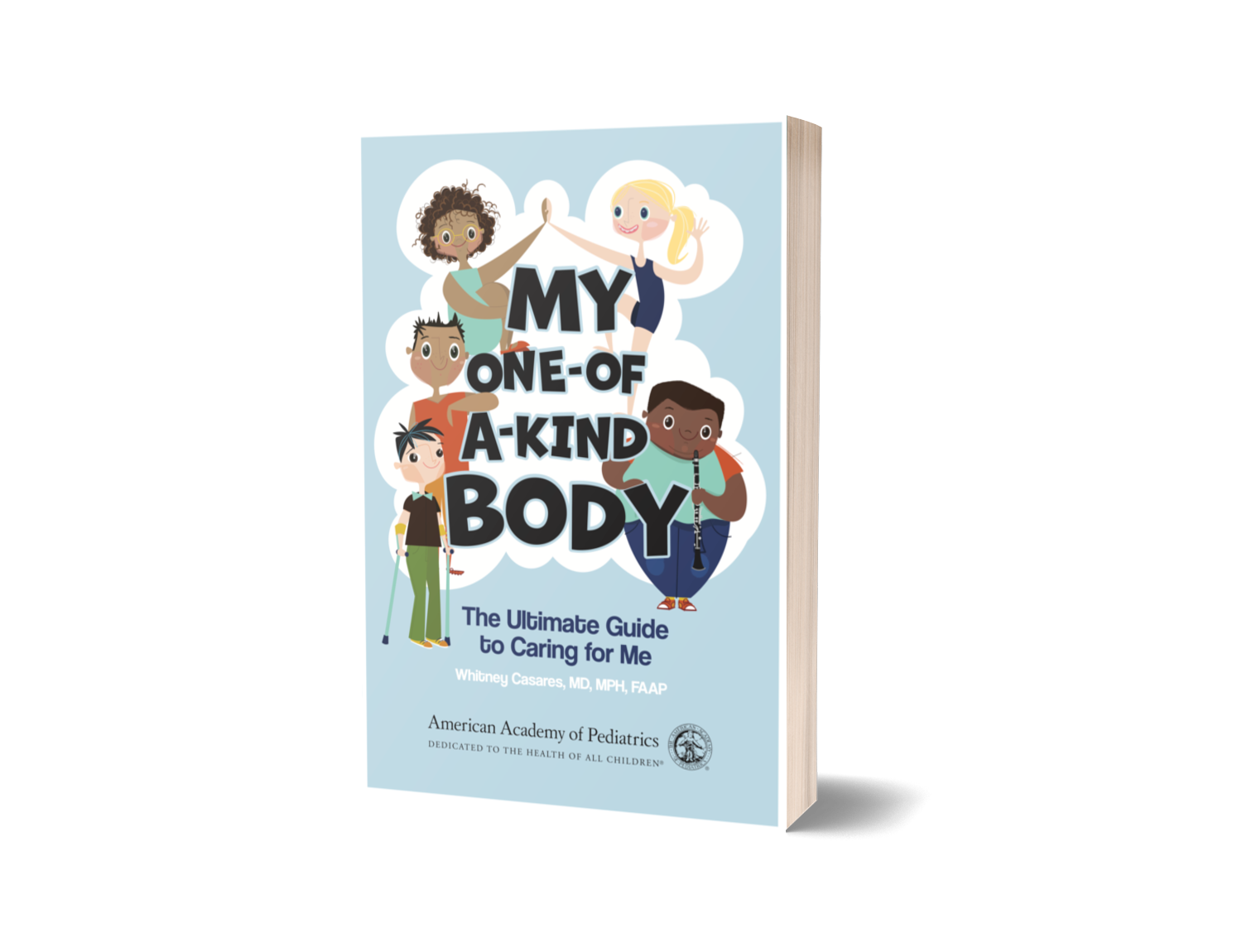
My Kids' Book on Body Confidence is Finally Here!


Wish your partner would do more to lessen your mental load?


Want to make self-care a priority but not sure how to?


SIGN UP FOR SUSTAINABLE SELF-CARE. IT'S FREE. CLICK HERE


FRESH

ON THE PODCAST


By Dr. Whitney December 17, 2025
About the Episode: In this episode, Dr. Whitney sits down with Dr. Jay Gargus and Dave Justus from NeuroQure to discuss the power of early clarity when it comes to autism detection and why earlier intervention can fundamentally change outcomes for childre n and families. Dr. Gargus explains the science behind early behavioral therapies and why their impact goes far beyond short-term skill-building. Research shows that early, evidence-based interventions can lead to measurable, lifelong improvements in IQ, so cial skills, independence, and educational placement, often determining whether a child can thrive in mainstream education or requires ongoing specialized support. The conversation also tackles a critical and often overlooked issue: access. Dave Justus shares the personal motivation behind NeuroQure’s work and explains why the test is being launched at cost, with installment plans and employer subsidies, while the team works toward insurance coverage. The goal is to prevent families from losing precious years waiting for answers. Together, they emphasize a hopeful message for parents: families don’t need to wait for a future “silver bullet.” We already have therapies that work and getting kids connected to them earlier can change the course of a lifetime. In this episode, we discuss: Why early autism detection leads to lifelong changes—not just short-term gains What a 17-point IQ difference actually means for education, independence, and quality of life How early intervention can shift developmental trajectories as early as 6 months The science and validation behind current autism therapies Why NeuroQure is pricing testing at cost while pursuing insurance coverage How early clarity can reduce long-term strain on families, schools, and healthcare systems This episode is a powerful reminder that timing matters and that early access to answers can make an extraordinary difference for children and the families who love them. About Our Guest: Dr. Jay Gargus, MD, PhD is a physician-scientist and nationally recognized expert in neurodevelopmental disorders, with decades of experience researching the biological underpinnings of autism. His work has focused on translating well-established science into meaningful, real-world interventions that can improve lifelong outcomes for children. Dr. Gargus emphasizes that early, evidence-based therapies are already available—and that connecting families to them sooner can fundamentally change developmental trajectories. Dave Justus is a parent and the founder of NeuroQure, whose work is driven by personal experience navigating delayed autism diagnosis and intervention. Motivated by the belief that early clarity can spare families years of uncertainty, Dave is focused on expanding access to early testing through cost-based pricing and ongoing efforts to secure insurance coverage. His mission is simple but powerful: ensure families don’t have to wait for answers that could change everything. Want to Start Raising Body-Confident Kids Today? 📘 Order the Book Order your copy of My One-of-a-Kind Body 👉 www.raisingbodyconfidentkids.com/books 🎁 Claim Your Free Bonus When you order on our site, you’ll also get access to a FREE video mini-course with five bite-sized lessons for parents. In just 25 minutes, you’ll walk away with: Simple, script-style ways to respond when your kid says, “I hate my thighs” How to talk about health without weight talk What to do when your own inner critic shows up How to interrupt diet culture at home The first step to raising a body-confident kid, even if you didn’t grow up as one 📩 Subscribe to The Modern Mommy Doc Podcast for more episodes on parenting with confidence and clarity. Leave a review using the hashtag #ModernMommyDoc.
By Dr. Whitney November 13, 2025
Stop being so busy, and start being more present.